
Your cart is currently empty!
Polar Vortex To Bring Freezing Weather To US, Spelling Chaos For Roads And Iguanas

Imagine stepping outside and feeling as though the air has teeth. Across the United States, temperatures are plummeting as a polar vortex prepares to unleash its icy grip. This isn’t just your average winter cold snap—it’s a swirling mass of Arctic air barreling southward, bringing with it chaos on roads, disrupted travel plans, and an unexpected plight for wildlife.
Contents
show
But what exactly is this weather phenomenon that sends cities into a frenzy and leaves Floridian iguanas tumbling from trees? And why does it seem to grow more intense and disruptive with every passing year? As the nation braces for a frigid spell, understanding the scope of its impact becomes as critical as bundling up. From the science behind the vortex to the fallout it leaves behind, this event is a chilling reminder of nature’s unpredictable power.
What Is a Polar Vortex?
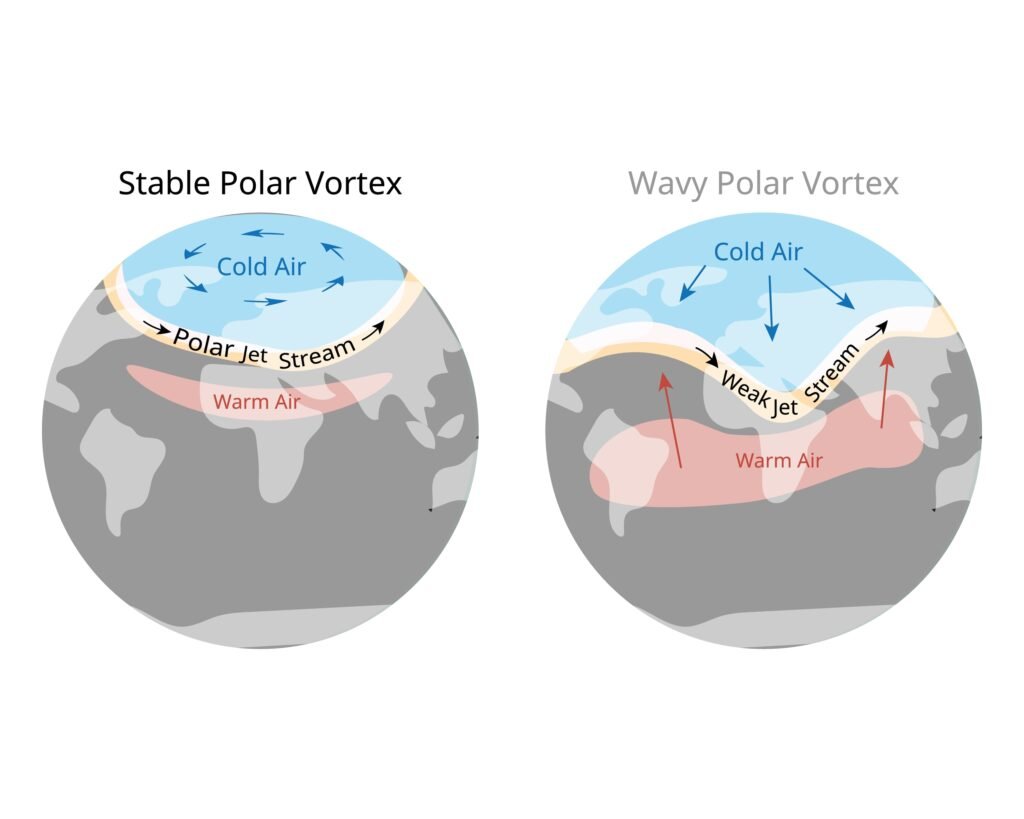
The term “polar vortex” might sound like something out of a science fiction movie, but it’s a very real and powerful atmospheric phenomenon that governs much of our winter weather. At its core, the polar vortex is a sprawling area of low pressure and bitterly cold air that swirls around the Earth’s poles, held in place by the strong, fast-moving winds of the jet stream. Typically, this frigid air remains contained within the Arctic, shielded by this atmospheric boundary. However, when the jet stream weakens or takes on an erratic path, parts of the polar vortex can splinter off and plunge southward, carrying Arctic air to regions that rarely experience such extreme cold.
This year, meteorologists are issuing warnings about an especially intense polar vortex expected to make its icy descent across large parts of the United States. This shift could send temperatures plummeting well below freezing, impacting millions of lives from the northern Midwest to the deep South. While such events are not entirely unusual, their intensity and geographical reach vary from year to year. For residents in the path of this frigid blast, the polar vortex can feel like nature’s icy reminder of its unpredictable power.
What makes this phenomenon even more compelling is the ongoing debate about its connection to climate change. Some scientists have suggested that the warming of the Arctic, ironically, may be destabilizing the polar vortex, making these disruptions more frequent and severe. As this research evolves, it highlights how interconnected the planet’s weather systems are and how shifts in one area can ripple across the globe. With temperatures set to plummet and lives likely to be disrupted, understanding the mechanics of the polar vortex isn’t just about science—it’s about preparing for and adapting to a colder, harsher reality.
Impact on Infrastructure and Travel
When the polar vortex strikes, it doesn’t just bring bone-chilling cold—it disrupts nearly every aspect of daily life, especially travel and infrastructure. Roads quickly transform into treacherous ice rinks, with black ice lurking invisibly to send cars skidding out of control. Cities in the Midwest and Northeast, already seasoned in battling snow and ice, face the monumental task of keeping highways clear, while areas unaccustomed to extreme cold, such as parts of the South, often struggle to cope. The fallout from these conditions can lead to gridlocked traffic, an uptick in accidents, and closed highways as authorities race to manage the chaos.
Air travel fares no better under the grip of a polar vortex. Icy runways, fierce winds, and low visibility can ground planes or delay flights for hours. Major transportation hubs like Chicago, known for its brutal winters, are especially vulnerable to cascading delays that ripple across the country. Train systems and public transit networks are also heavily impacted, with delays or outright cancellations as icy conditions compromise tracks and equipment. For millions, the polar vortex isn’t just a cold snap—it’s a logistical nightmare that makes even the simplest journey feel insurmountable.
Power grids are another critical area of concern. As temperatures plunge, demand for heating skyrockets, placing immense pressure on energy systems. This increased usage can lead to blackouts, leaving homes and businesses in the dark during the most dangerous time of year. For cities and towns already grappling with aging infrastructure, the polar vortex amplifies vulnerabilities, exposing the cracks in systems designed to withstand more moderate conditions. The looming cold wave is a stark reminder that extreme weather events can paralyze modern life, even in the most prepared regions.
Unlikely Victims: Iguanas and Wildlife
While humans battle icy roads and energy crises during a polar vortex, nature faces its own struggles—sometimes in the most unexpected ways. In southern states like Florida, where temperatures rarely dip below freezing, the sudden arrival of Arctic air can spell disaster for cold-blooded animals like iguanas. These reptiles, unable to regulate their body temperature internally, become immobilized when the mercury drops too low. It’s not uncommon during a polar vortex to find iguanas falling from trees, their bodies temporarily paralyzed by the cold. While this dramatic sight might appear alarming, many of these creatures recover once temperatures rise—assuming they avoid predators or injuries during their frozen stupor.
Beyond iguanas, the polar vortex creates challenges for other wildlife as well. Birds, unable to find their usual food sources in the frozen landscape, may struggle to survive unless they find alternative feeding grounds. Mammals, including deer and foxes, expend more energy searching for food and warmth, making this period especially grueling. Aquatic ecosystems can also be disrupted as ice forms over shallow bodies of water, potentially trapping fish or impacting species that rely on open water for survival.
The broader ecosystem often struggles to adapt to such sudden and severe temperature drops. Plants, particularly non-native species, can suffer frost damage, further limiting the availability of shelter and sustenance for local fauna. Even in regions accustomed to seasonal cold, the polar vortex can push wildlife to their limits. This cascading effect is a vivid reminder of how interconnected life is—and how even fleeting atmospheric shifts can ripple through entire ecosystems, leaving a lasting mark on both the natural world and human life.
Preparing for the Freeze
As the polar vortex descends, preparation becomes essential to endure the freezing temperatures and their cascading effects. For individuals, ensuring safety starts at home—stocking up on essentials like food, water, and medical supplies can make a significant difference during power outages or hazardous conditions. Home insulation, space heaters, and proper winter attire are also critical in keeping the cold at bay. Simple precautions, like dripping faucets to prevent frozen pipes or using sand and salt to combat icy driveways, can save costly repairs and prevent accidents.
Cities and states are ramping up efforts to brace for the storm. Public works departments are deploying fleets of snowplows and salt trucks to keep roads passable, while emergency services prepare for an influx of weather-related incidents. Public shelters may be opened in vulnerable areas to provide warmth and safety for those in need, particularly the homeless or those living in poorly insulated homes. Meanwhile, utility companies are reinforcing power grids to meet the expected surge in heating demand and minimize the risk of outages.
Protecting animals, both domestic and wild, is another critical step during such extreme weather. Pet owners are urged to bring animals indoors and provide adequate bedding for warmth. For wildlife, setting out bird feeders or maintaining unfrozen water sources can be lifesaving. Whether it’s humans, pets, or the environment, preparation is key to weathering the polar vortex safely and with minimal disruption.
Climate Change and the Polar Vortex
The polar vortex, while a natural phenomenon, is increasingly being examined through the lens of climate change. Scientists are exploring whether the warming Arctic is destabilizing this icy atmospheric system. As polar ice melts and temperatures in the Arctic rise, the jet stream, which typically corrals the vortex, weakens. This allows fragments of the vortex to drift southward, bringing extreme cold to regions unprepared for such frigid conditions. While research is ongoing, many experts suggest that climate change could be amplifying the frequency and severity of these disruptive cold snaps.
This apparent paradox—global warming contributing to colder winters in some regions—has sparked debates in the scientific community. Some argue that the data shows a clear link, with rising Arctic temperatures creating the conditions for more erratic weather patterns. Others emphasize the need for longer-term studies to definitively connect the dots. What’s clear, however, is that the planet’s climate systems are intricately interconnected, and even small shifts in one region can ripple globally, leading to unexpected weather phenomena.
Understanding this relationship is crucial not only for scientific inquiry but also for preparedness. As polar vortex events become more intense or frequent, adapting infrastructure, energy systems, and community responses to these patterns will be vital. Whether this winter phenomenon is a direct result of climate change or not, its impact serves as a stark reminder of the fragile balance within Earth’s climate systems.
Facing the Freeze Together
The polar vortex is more than just a cold spell—it’s a stark demonstration of nature’s power to disrupt daily life, challenge infrastructure, and upend ecosystems. From icy roads and grounded flights to iguanas tumbling from trees, its impact is as varied as it is far-reaching. As Americans brace for freezing temperatures, preparation and adaptability are crucial to mitigating the chaos and staying safe.
While the immediate focus is on surviving the bitter cold, the polar vortex also raises deeper questions about the shifting dynamics of Earth’s climate. Whether or not climate change is intensifying these events, the interconnectedness of our planet’s systems demands attention and action. This icy intrusion serves as a chilling reminder of both the beauty and fragility of the natural world—and the importance of resilience in the face of its unpredictable extremes.