
Your cart is currently empty!
Pope Leo Urges Middle East Ceasefire to Halt ‘Horrific Violence of War’
The daily news from the Middle East often centers on military strikes and political maneuvering, leaving the devastating human toll fading into the background. As tensions between major nations hit a breaking point, the cycle of retaliation can feel impossible to stop.
Contents
show
But an urgent new message from Pope Leo is actively shifting the conversation away from battle strategies and back to basic survival. By directly addressing the horrific realities of the conflict, he is challenging those in power to rethink their approach and consider a type of leadership that protects vulnerable lives rather than destroying them.
A Direct Plea Following Tragedy
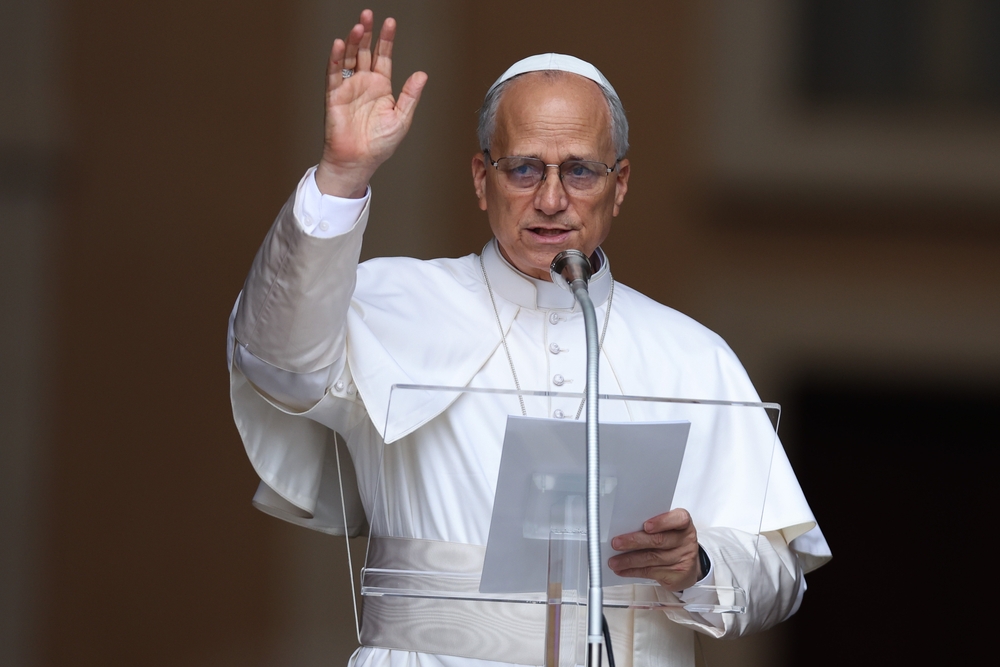
Pope Leo used his public address at St. Peter’s Square to make a clear request for an immediate ceasefire across the Middle East. His remarks followed a deadly military strike on a school that resulted in a tragic loss of life and drew widespread global condemnation. Speaking directly to the crowds, the pontiff described the ongoing fighting as the horrific violence of war and asked world leaders to prioritize human life over political disputes.
The urgency of his message reflects an increasingly unstable situation involving Israel, Iran, and the United States, along with a heavy humanitarian toll in neighboring Lebanon. Pope Leo pointed out that civilian populations are bearing the heaviest burden of the armed conflict. He asked governing authorities to step back from the edge of a wider regional war and immediately return to diplomatic negotiations.
Vatican officials have long advocated for peaceful resolutions to international disputes, and this recent appeal aligns directly with that established diplomatic tradition. The Pope emphasized that true leadership requires the courage to negotiate rather than relying on military force. By focusing his address on the victims of the recent school strike, he brought a human element to a very complicated geopolitical crisis. He reminded the international community that the ultimate goal must be to stop the bloodshed and protect those who are most vulnerable.
A Deepening Crisis and the Plight of Lebanon
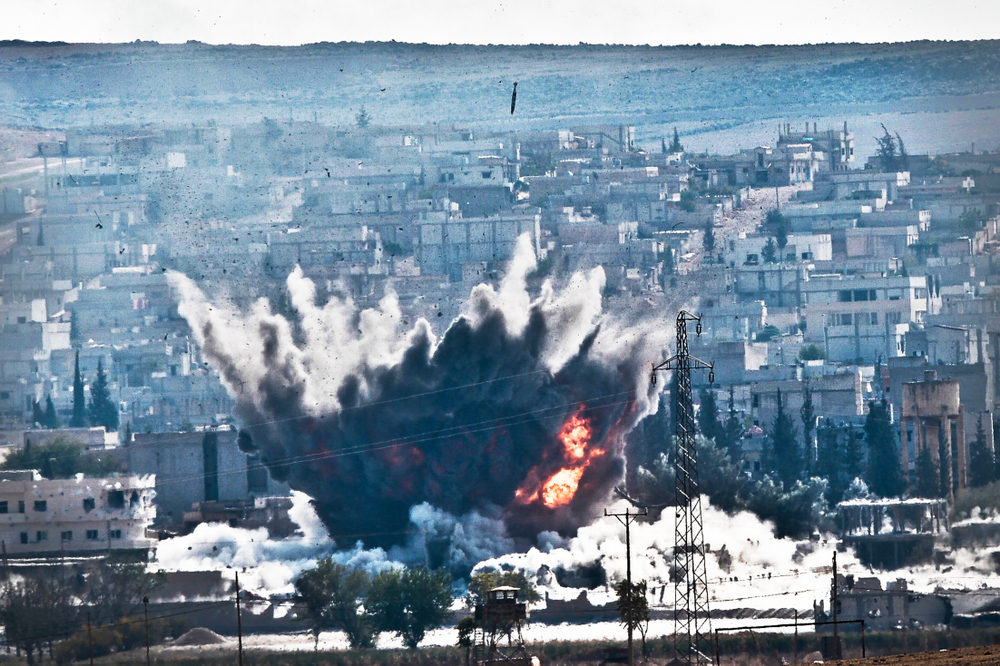
The conflict prompting the pontiff’s urgent address is not an isolated dispute but a deeply entangled regional crisis. Tensions involving the United States, Israel, and Iran have reached a boiling point, inevitably pulling neighboring territories into the crossfire. Among the most severely impacted is Lebanon, a country already facing severe economic and social challenges.
During his public blessing, Pope Leo specifically highlighted the deteriorating conditions for the Lebanese people. He described the situation as a cause for great concern and offered special prayers for the nation. His message emphasized the hope that governing authorities can find lasting solutions for the common good of all citizens.
For observers of international relations, the Vatican’s specific focus on Lebanon carries deep significance. The country has historically served as a cultural crossroads and a vital haven for diverse groups, including vulnerable Christian communities. The recent spread of violence across the region has forced countless families to abandon their homes, rapidly escalating a widespread displacement crisis.
By directing global attention toward Lebanon, the Pope is highlighting the human collateral damage of larger geopolitical rivalries. When major military powers clash, smaller neighboring nations often bear a disproportionate share of the suffering. The pontiff’s words serve as a sobering reality check, urging international leaders to look beyond strategic military goals and recognize the everyday people whose lives are being upended by decisions made in distant war rooms.
From Public Prayers to On-the-Ground Relief

The catalyst for the pontiff’s weekend address was a specific and devastating event: a military strike on a school that resulted in a heavy civilian toll. For the Vatican, this tragedy marked a breaking point. Instead of issuing a generalized plea for peace, Pope Leo addressed the attack directly. He framed the loss of young lives not as an unavoidable casualty of conflict, but as a severe and unacceptable failure of political leadership.
Behind the scenes, the Holy See is backing these public statements with tangible support. Catholic humanitarian organizations have been instructed to rapidly mobilize emergency relief for families displaced by the sudden surge in regional violence. A significant portion of these resources is being directed toward Lebanon, where the sheer volume of refugees is completely overwhelming local infrastructure. Simultaneously, the Vatican’s diplomatic corps is engaging with international embassies to negotiate secure routes for delivering medical supplies and basic necessities to the hardest-hit zones.
By spotlighting the school strike and organizing immediate aid, the Pope is grounding his appeal in concrete reality rather than abstract diplomacy. This approach strips away the strategic justifications often used by military leaders during wartime.
The Current State of the Conflict
The Pope’s plea arrives as the war involving the United States, Israel, and Iran enters its third week with no immediate resolution in sight. Recent military operations have heavily targeted Iranian infrastructure, including massive strikes on the vital Kharg Island oil hub. While defense officials report a significant reduction in Iran’s missile capabilities, the economic and human costs are climbing at an alarming rate.
The ripple effects of the violence are currently being felt worldwide. In response to the strikes, the Strait of Hormuz, a critical passageway for a large portion of the globe’s oil supply, has been effectively paralyzed. This blockade has sent global energy prices soaring well past $100 a barrel, impacting everyday consumers far beyond the Middle East. Meanwhile, retaliatory drone and missile attacks have disrupted daily life in neighboring Gulf countries, recently causing flight suspensions and fires near Dubai’s bustling international airport.
Tragically, the civilian toll remains the most devastating aspect of the standoff. Millions of people have been displaced across Iran and Lebanon. The recent destruction of an elementary school in Minab, an event U.S. officials are investigating due to reportedly flawed intelligence, serves as a heartbreaking reminder of what happens when advanced weaponry meets populated civilian areas.
Despite the mounting devastation, diplomatic channels remain completely frozen. Leaders on all sides have publicly stated they are not yet ready to sit down at the negotiating table. This gridlock offers a difficult but necessary lesson about modern warfare. Initiating a conflict often requires far less strength than finding the humility to stop it. Until those in power decide to prioritize human lives over strategic leverage, the cycle of retaliation will only continue to widen.
Redefining Strength in Times of Crisis
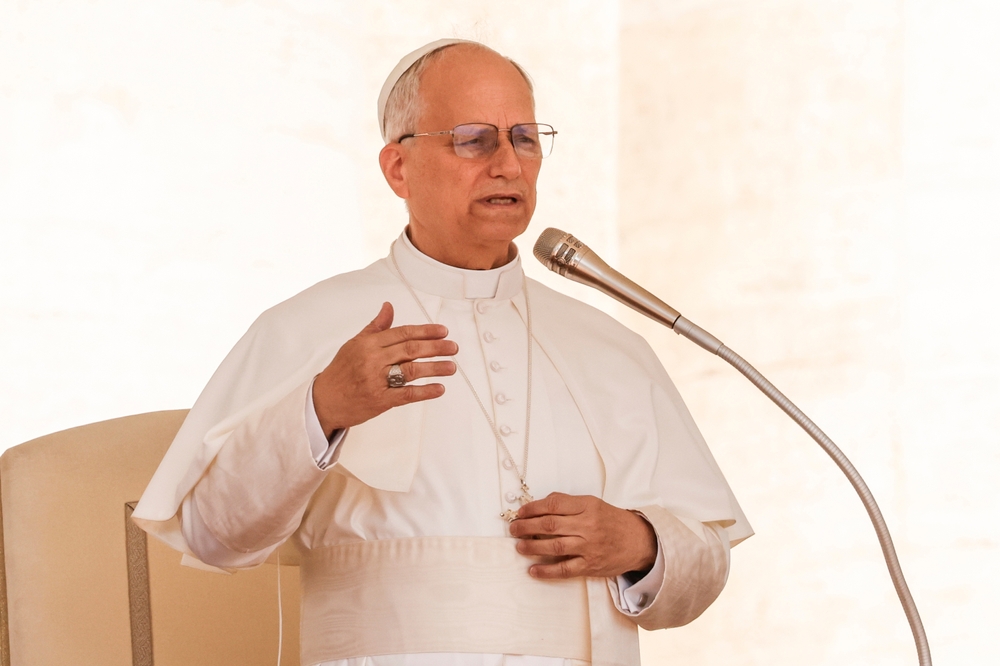
When global conflicts escalate, it is easy to measure power by the size of an arsenal or the scale of an attack. Yet, the ongoing situation in the Middle East offers a very different lesson on what real leadership looks like. Pope Leo’s persistent calls for a ceasefire strip away the complicated politics and bring the focus right back to basic human survival.
Starting a military campaign requires a certain type of force, but stopping one demands a much rarer kind of bravery. It takes profound courage for any nation’s leadership to step back from the edge, quiet the weapons, and sit down to negotiate.
For those watching from afar, the tragedy unfolding overseas is a clear lesson in the fragility of peace. It proves that true authority is not found in endless retaliation. Instead, it is rooted in the willingness to protect innocent lives above all else. Until the decision-makers involved can set aside their political pride and prioritize humanity, everyday families will continue to pay the highest price. The world is waiting for leaders to prove their strength not by winning a war, but by having the humility to end it.