
Your cart is currently empty!
Religious Rhetoric and Geopolitics Spark Debate After Claims About Trump and Iran
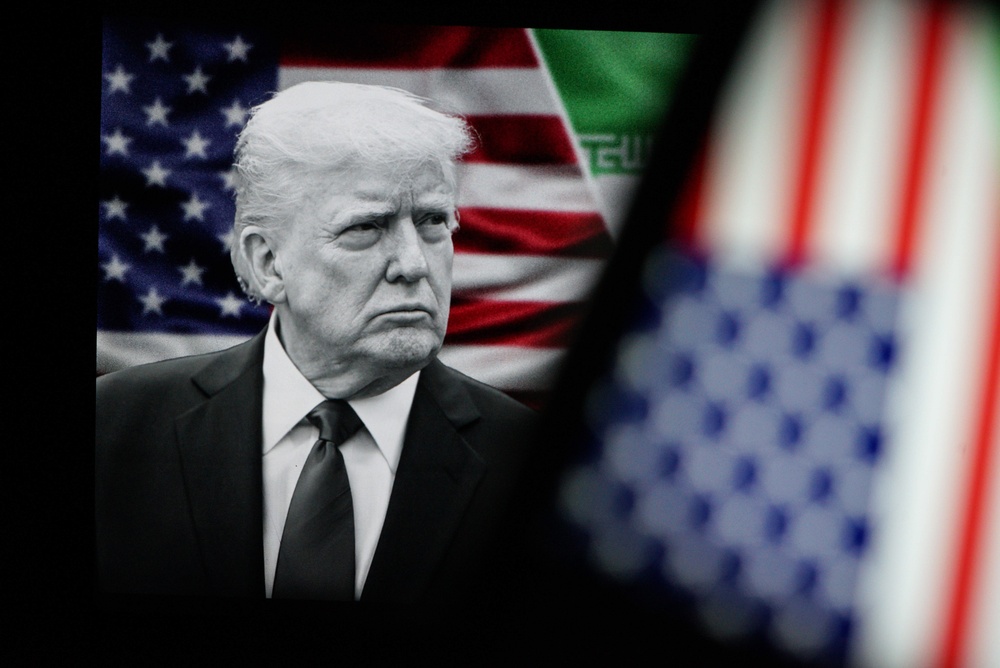
Recent reports have drawn global attention after statements attributed to a United States military commander suggested that former President Donald Trump had been spiritually chosen to confront Iran in what was described as an apocalyptic struggle. The remarks highlight how religious language sometimes enters modern geopolitical narratives. The idea that political leaders are connected to divine purpose has appeared many times throughout history, yet such claims continue to generate controversy when linked to military conflict and international diplomacy.
Contents
show
According to reporting by The Guardian, the comments emerged during discussions surrounding the tense relationship between the United States, Israel, and Iran. Observers noted that some rhetoric framing geopolitical tensions in religious terms has circulated among certain political and religious groups in recent years. Analysts warn that this type of framing can influence public perception of international conflicts and shape the emotional response of supporters and critics alike.
Yahoo News reported that the commander allegedly described Trump as being “anointed by Jesus” to confront Iran. While the remarks were not presented as official government policy, the language sparked debate among policy experts, religious scholars, and political commentators. Critics argue that religious framing risks simplifying complex international disputes into moral or spiritual battles.
At the same time, supporters of such rhetoric often interpret global events through religious narratives that have deep roots in certain theological traditions. Understanding the intersection between religion and politics is therefore important for interpreting why such statements resonate with some audiences while raising alarm among others.
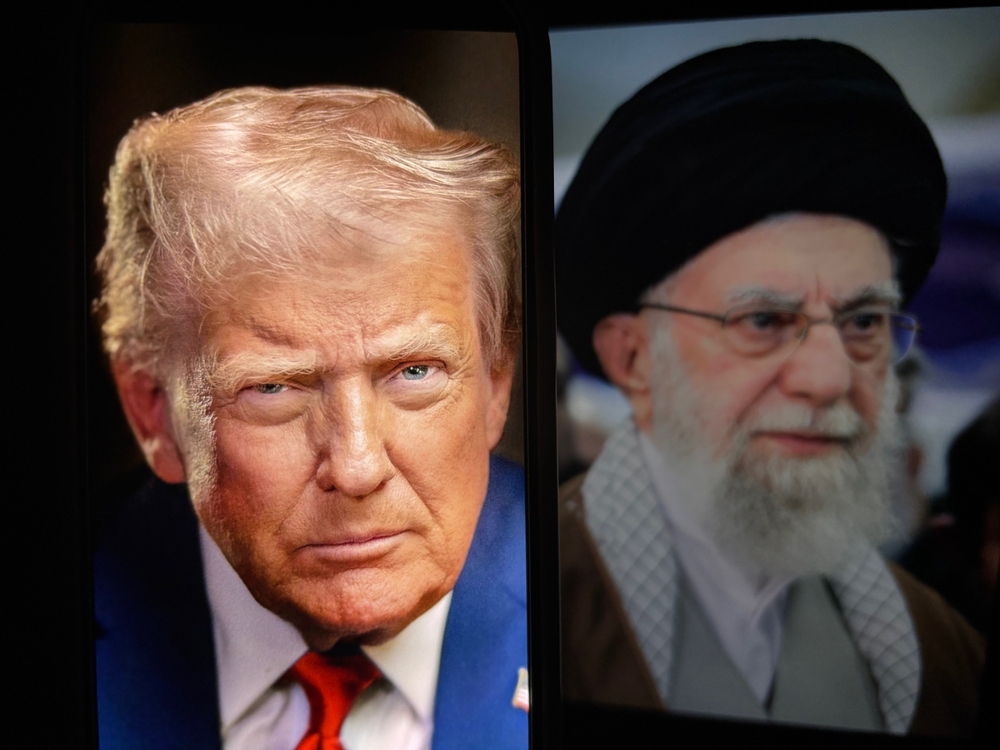
Religious Language in Modern Geopolitics
Religious language has played a role in political discourse for centuries. Leaders have often invoked faith, destiny, or divine guidance when addressing national challenges or military conflicts. Political scientists frequently note that religious symbolism can mobilize support among believers who see global events as part of a broader spiritual narrative.
In the case highlighted by The Guardian, rhetoric surrounding Iran was linked to ideas about Armageddon, a concept rooted in biblical prophecy. Within Christian theology, Armageddon is described in the Book of Revelation as a final battle between forces of good and evil. While interpretations vary widely among denominations, the concept has influenced cultural and political thought for generations.
Scholars emphasize that many religious communities interpret prophetic texts symbolically rather than literally. However, a minority of groups treat these passages as predictions of real world geopolitical events. When political developments appear to align with these expectations, rhetoric describing leaders as instruments of divine will can emerge.
The blending of theology and geopolitics can create powerful narratives that influence public discourse. Experts caution that such narratives may oversimplify the complexities of international relations by framing diplomatic tensions as cosmic battles rather than political disputes that require negotiation and diplomacy.
Background of US Iran Tensions
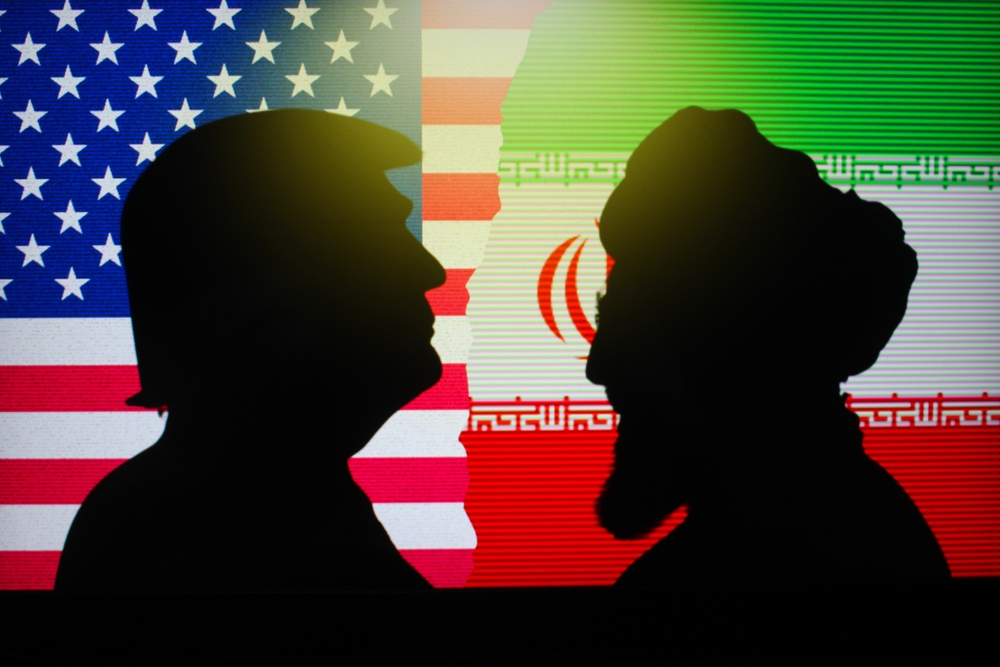
Tensions between the United States and Iran have deep historical roots that stretch back decades. The relationship deteriorated significantly after the Iranian Revolution in 1979, which transformed Iran from a US aligned monarchy into an Islamic republic that frequently opposed American influence in the Middle East.
Over the years, disagreements have intensified over Iran’s nuclear program, regional alliances, and military activities. The United States and several allies have expressed concern that Iran could develop nuclear weapons capability. Iran has consistently stated that its nuclear program is intended for peaceful energy purposes, though the dispute has remained central to international negotiations.
During the presidency of Donald Trump, relations reached one of their most confrontational periods in recent history. The Trump administration withdrew from the Joint Comprehensive Plan of Action in 2018, an international agreement designed to limit Iran’s nuclear program. Following the withdrawal, the United States imposed additional economic sanctions on Iran.
These policies contributed to heightened regional tensions, including military incidents in the Persian Gulf and increased hostility between Iran and US allies. Analysts say that this already volatile environment provides fertile ground for dramatic rhetoric and ideological interpretations of geopolitical conflict.
Trump, Religion, and Political Messaging
Donald Trump has often received strong support from segments of the American evangelical Christian community. During his presidency and subsequent political campaigns, many evangelical leaders described his leadership as significant for advancing policies they supported, including judicial appointments and positions related to religious freedom.
Some religious figures framed Trump’s political rise as part of a divine plan. According to reporting cited by Yahoo News, language describing Trump as chosen or anointed has appeared in sermons, social media discussions, and political gatherings among certain faith based groups. Such statements typically reflect theological interpretation rather than official government views.
Political communication experts explain that religious narratives can serve as a powerful tool in mobilizing voters. When political leaders are portrayed as fulfilling a divine mission, supporters may feel a stronger emotional connection to their leadership and policy goals. However, critics argue that this approach can blur the line between spiritual belief and democratic governance.
The discussion around the commander’s alleged remarks reflects this broader dynamic. Even when statements originate from individuals rather than institutions, they can amplify existing narratives about political leaders and their perceived role in global events.
Reactions From Analysts and Religious Scholars
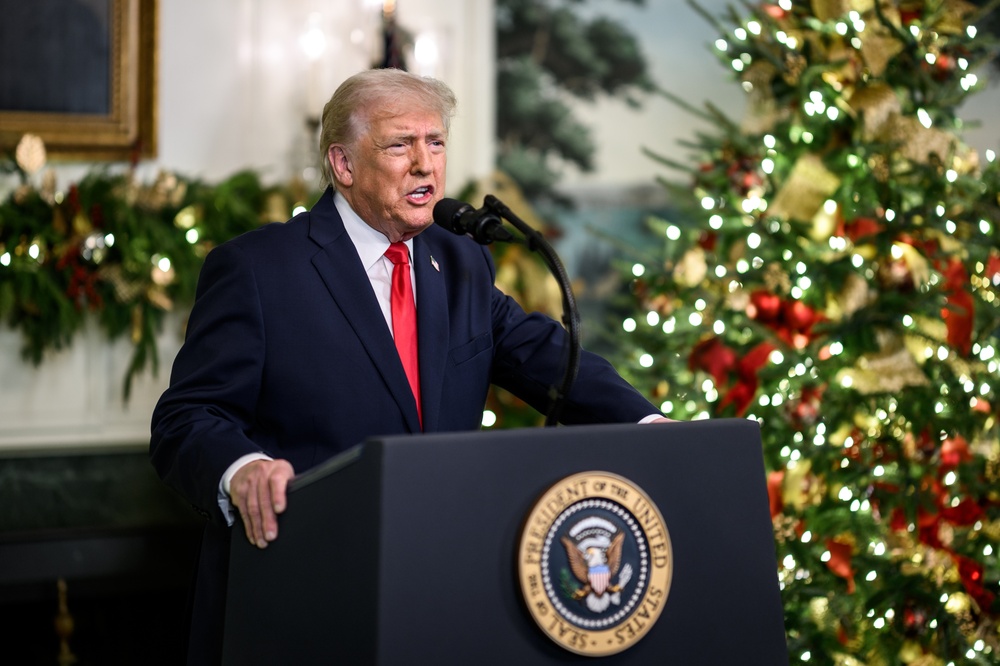
The comments reporte quickly sparked reactions from analysts who study religion and politics. Many experts expressed concern that framing international conflicts as apocalyptic struggles could escalate tensions rather than encourage diplomatic solutions.
Religious scholars also noted that mainstream Christian theology contains a wide range of interpretations regarding prophecy and end times narratives. Many denominations caution against attempts to directly link modern political events to biblical predictions. Instead, they emphasize ethical teachings such as peace, compassion, and responsible leadership.
Policy experts warn that apocalyptic rhetoric can have real world consequences. When conflicts are framed as inevitable or divinely mandated, it may become more difficult for political leaders to pursue compromise or negotiation. This risk becomes especially significant in situations involving nuclear powers or regional alliances.
At the same time, analysts acknowledge that religious belief remains an important part of identity for millions of people around the world. Understanding how faith influences political views can therefore help observers interpret why certain messages resonate strongly within particular communities.
The Broader Debate About Faith and Foreign Policy
The controversy surrounding the commander’s remarks highlights a broader debate about the role of religion in shaping foreign policy. In democratic societies, political leaders often reference faith as part of their personal values. However, translating religious interpretation into geopolitical strategy raises complex questions.
Supporters of faith based political rhetoric argue that moral conviction can guide ethical decision making in international affairs. They contend that leaders should not be required to separate their spiritual beliefs from their public responsibilities.
Critics respond that foreign policy decisions should be based on strategic analysis, international law, and diplomatic engagement rather than theological interpretation. They argue that invoking divine authority can make disagreements appear morally absolute rather than politically negotiable.
Ultimately, the debate reflects the enduring challenge of balancing personal faith with the secular frameworks that guide modern international relations. As global tensions continue to evolve, discussions about the intersection of religion and politics are likely to remain a central topic in public discourse.