
Your cart is currently empty!
Scientists Discover Hidden Cave That May Have Sheltered the Last Neanderthals
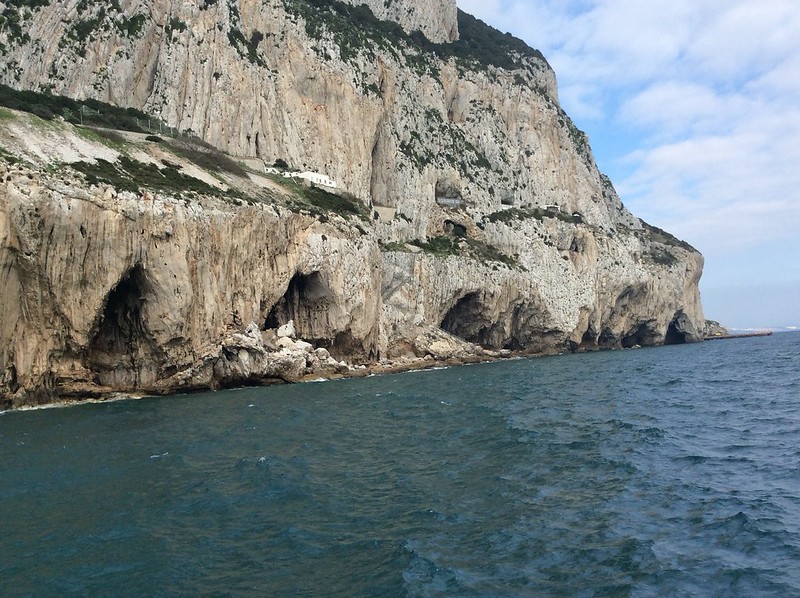
For decades, scientists have searched for answers to one of humanity’s most haunting questions. How did the Neanderthals, our closest ancient relatives, really live during their final years on Earth. Now, a remarkable discovery hidden behind layers of sand and stone is offering one of the clearest glimpses yet.
Contents
show
Deep within a cave system in Gibraltar, archaeologists carefully opened a chamber that had remained sealed for around forty thousand years. What they found inside was not a dramatic treasure hoard or skeletal remains, but something far more powerful. The space itself told a story of survival, adaptation, and quiet resilience at the very edge of Neanderthal existence.
According to reporting from CNN, this discovery may represent one of the last refuges used by Neanderthals before they vanished from Europe. The findings challenge long held assumptions about when and how these ancient humans disappeared, and they invite modern readers to rethink the narrative of extinction.
A Cave Hidden in Plain Sight for Millennia
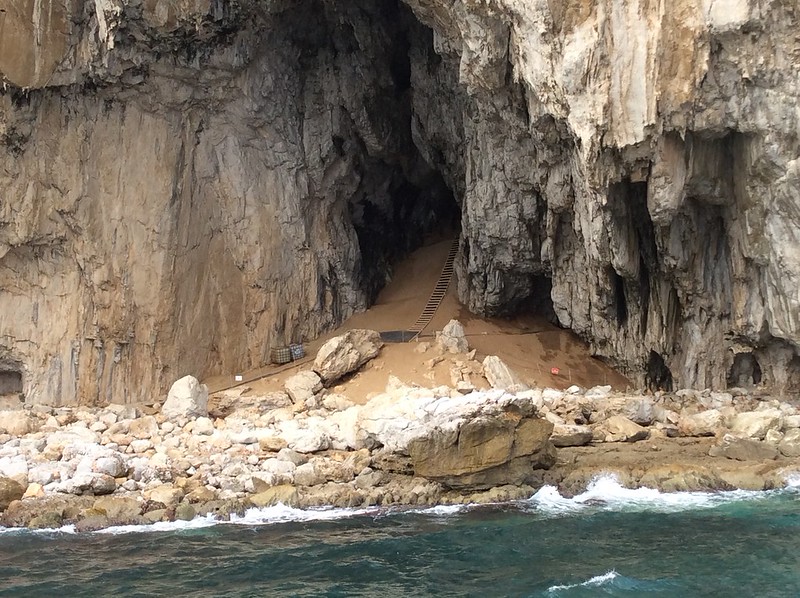
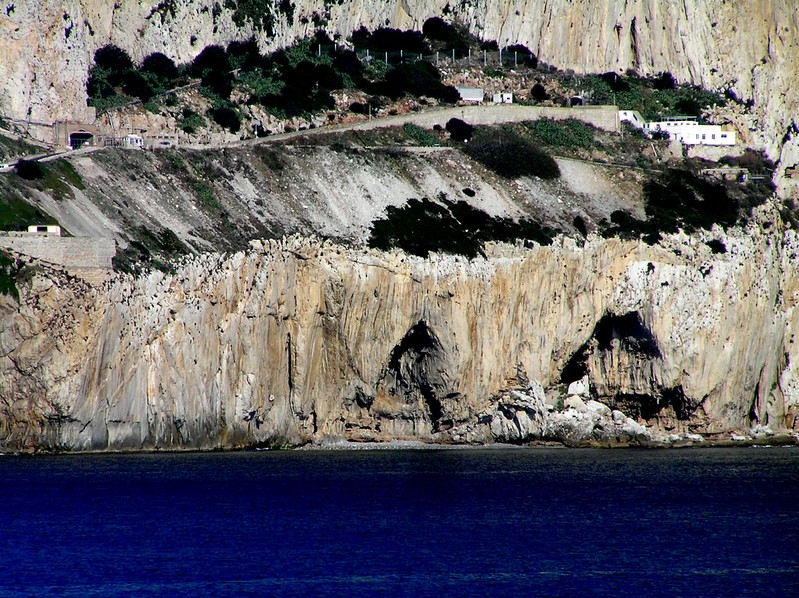
The cave in question is part of the Vanguard and Gorham’s Cave complex located on the southeastern edge of Gibraltar. This area has long been recognized as one of the most important Neanderthal sites in the world. However, even after decades of research, parts of the cave system remained unexplored due to collapsed entrances and thick layers of sand.
Archaeologists suspected that something lay beyond the blocked passageways, but reaching it required painstaking excavation. Over time, windblown sand had sealed off the chamber completely, creating a natural time capsule untouched by humans for tens of thousands of years.
When researchers finally broke through, they realized that the chamber was unusually intact. Unlike other sites that show signs of later human disturbance, this space appeared frozen in time. The sand barrier had protected it from erosion, animals, and modern interference.
Scientists described the moment as both thrilling and humbling. Stepping into a space last entered by Neanderthals forced researchers to confront the immense span of human history and the fragility of our own place within it.
Evidence of Daily Life Inside the Sealed Chamber
Inside the chamber, archaeologists found traces that revealed how Neanderthals used the space. Stone tools, hearth remains, and signs of repeated occupation suggest that the cave was not a temporary shelter but a carefully chosen living area.
The placement of hearths indicated deliberate organization. Fires were positioned to provide warmth and light while allowing smoke to escape through natural openings. This points to an advanced understanding of the cave’s airflow and structure.
Stone tools discovered in the chamber were consistent with Neanderthal technology used during their final known period in the region. These tools were likely used for processing food, crafting, and daily survival tasks.
Perhaps most striking was the absence of chaotic debris. The chamber appeared orderly, suggesting that Neanderthals maintained their living spaces with intention and care. This challenges outdated stereotypes that portray them as primitive or disorganized.
Why Gibraltar May Have Been a Neanderthal Refuge
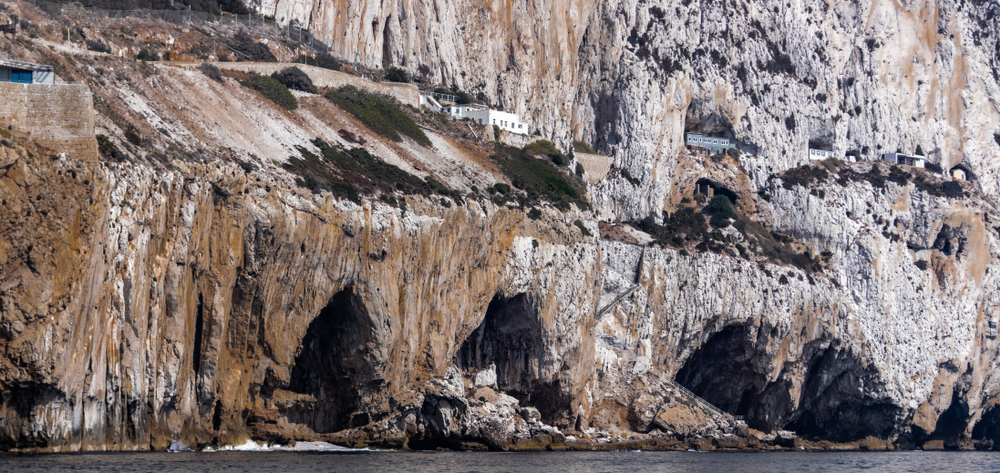
Gibraltar’s unique geography may explain why Neanderthals survived here longer than in most of Europe. During periods of climate instability, this coastal region offered a relatively stable environment with access to land and sea resources.
According to ScienceAlert, the area would have provided abundant food sources, including shellfish, birds, and small mammals. Neanderthals in Gibraltar are already known for exploiting marine resources, a behavior once thought exclusive to modern humans.
The caves also offered natural protection. Elevated above the surrounding landscape, they allowed inhabitants to monitor their surroundings and stay sheltered from harsh weather.
Researchers believe that as modern humans spread across Europe, Neanderthals may have retreated into ecological pockets like Gibraltar. These refuges allowed them to persist for thousands of years longer than previously assumed.
Rethinking the End of the Neanderthals
For many years, the disappearance of Neanderthals was framed as a rapid replacement by modern humans. This explanation often suggested a sudden and almost inevitable decline. However, discoveries like this sealed cave chamber suggest a far more complex and gradual process that unfolded over thousands of years rather than centuries.
CNN reports that evidence from Gibraltar indicates Neanderthals were still thriving in certain regions while modern humans were already present elsewhere. This overlap challenges the idea of a swift extinction driven purely by competition. Instead, it points to a prolonged period of coexistence in which different human groups occupied neighboring landscapes.
Rather than being outcompeted everywhere at once, Neanderthals may have slowly lost territory as environments changed and populations became increasingly isolated. Small groups surviving in refuges would have been vulnerable to disease, climate shifts, and reduced genetic diversity. Over time, these pressures could weaken even resilient communities without a single defining catastrophe.
The sealed cave does not tell a story of sudden collapse or violent displacement. Instead, it speaks of persistence, adaptation, and a quiet struggle to endure in a changing world. It suggests that the final chapter of the Neanderthals was shaped as much by patience and resilience as by loss.
What This Discovery Means for Human History
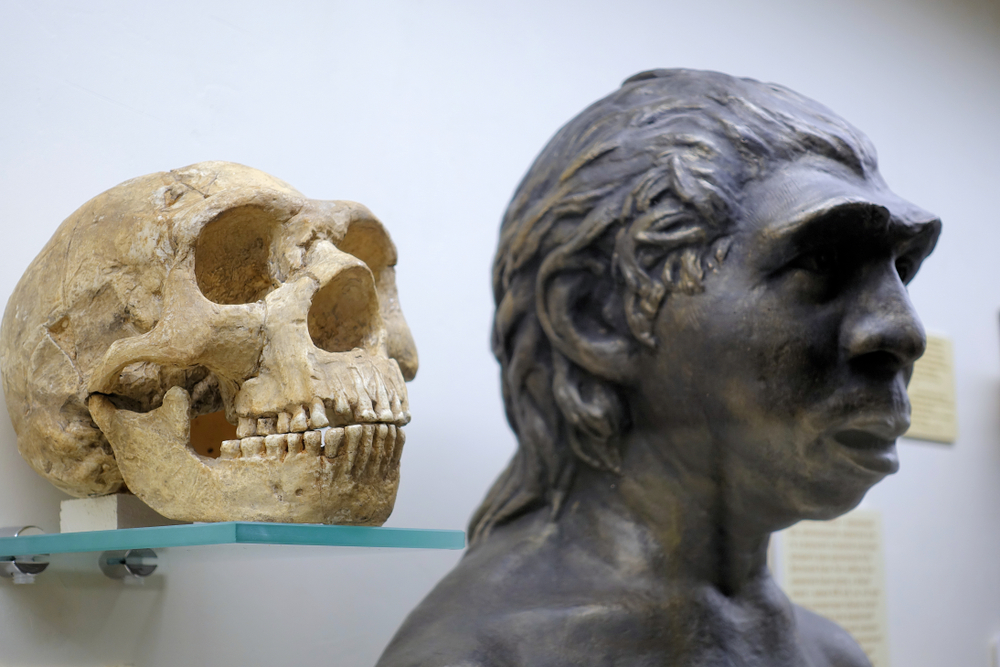
This find reshapes how scientists understand human evolution and the shared story of our species. Neanderthals were not a failed experiment but a successful human species that adapted to harsh environments for hundreds of thousands of years. Their long survival alone speaks to remarkable ingenuity and strength.
The sophistication seen in the cave supports growing evidence that Neanderthals shared many traits with modern humans. They controlled fire, crafted tools with skill, and organized their living spaces thoughtfully. These behaviors reflect planning, cooperation, and an understanding of their surroundings that was once underestimated.
IFLScience notes that discoveries like this help bridge the emotional gap between modern humans and Neanderthals. They remind us that these were thinking, feeling beings who faced challenges not unlike our own. Their lives included routine, problem solving, and moments of rest alongside struggle.
By studying how Neanderthals survived until the very end, researchers gain insight into resilience, adaptability, and the factors that shape the fate of entire species. These lessons extend beyond archaeology and speak to broader patterns of survival and change across human history.
A Silent Chamber That Speaks Volumes
Standing inside a chamber sealed for forty thousand years is a powerful experience, even for seasoned archaeologists. The silence of the space carries echoes of lives once lived, of conversations, fires, and moments of rest. It is a rare opportunity to connect directly with a distant human past.
This discovery does not provide all the answers researchers seek, but it offers something equally valuable. It humanizes the Neanderthals and brings their final chapter into sharper focus. The chamber feels less like a ruin and more like a paused moment in time.
As excavations continue, scientists hope the chamber will yield more clues about diet, social structure, and seasonal movement. Subtle traces left behind in the sediment may reveal how long groups stayed and how they adapted to changing conditions. Each new detail adds depth to a story long buried beneath sand.
Ultimately, this cave reminds us that extinction is not always dramatic or sudden. Sometimes it unfolds quietly, in hidden places, shaped by small pressures over long periods. What remains are traces that wait patiently to be rediscovered and understood.
Echoes of a Lost Human Story
The opening of this sealed cave chamber is more than an archaeological milestone. It is a reminder of how much remains unknown about our own origins and shared human story. Even familiar narratives can change with a single discovery.
Neanderthals were not simply a footnote in human history. They were survivors, innovators, and caretakers of their environment until the very end. Their ability to endure speaks to a depth of experience that deserves recognition rather than simplification.
Their story invites reflection on how modern humans respond to environmental change, competition, and uncertainty. The challenges they faced are not entirely unlike those we confront today, particularly in a rapidly shifting world.
In uncovering their past, we are also confronted with questions about our future and the choices that shape it. The Neanderthals remind us that endurance is complex and that survival often depends on adaptation, cooperation, and care for the environments we inhabit.
Featured Image Credit: Visit Gibraltar/Flickr (CC BY 4.0)