
Your cart is currently empty!
Six-Year-Old Returns to School to a Standing Ovation After Beating Leukemia
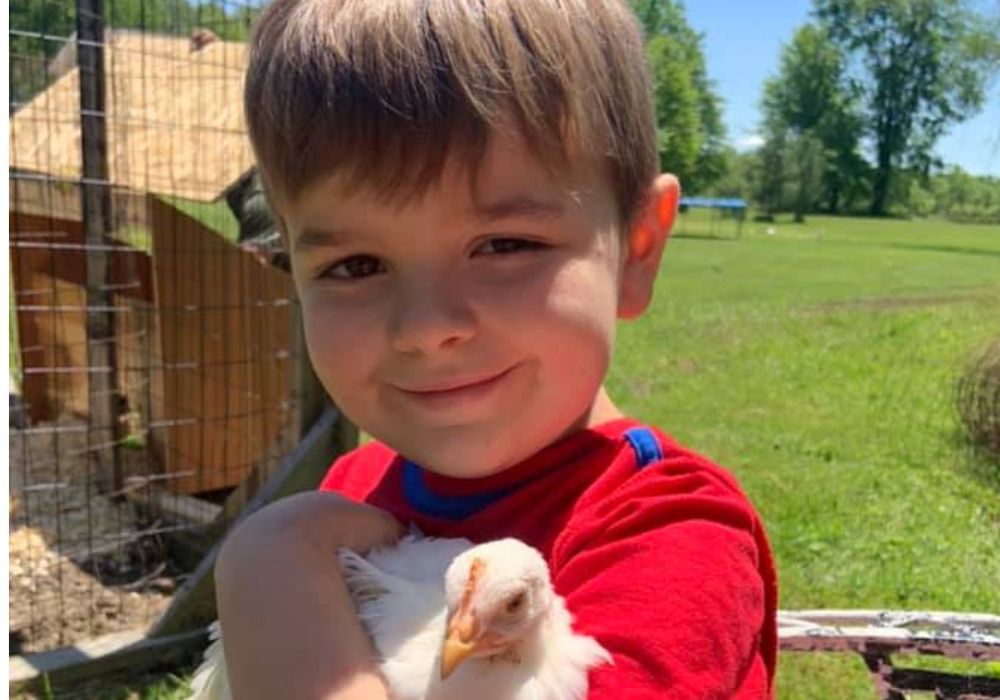
A few steps down a familiar school hallway can feel ordinary, until they have been taken away for years. When 6-year-old John Oliver “JO” Zippay returned to St. Helen Catholic School in Newbury, Ohio after finishing chemotherapy for leukemia, he was met with something no child expects on a routine morning: a corridor of classmates and teachers on their feet, clapping and cheering as he passed. The moment was brief, but it captured a quieter truth many families learn the hard way: recovery is not only about getting through treatment, it is about finding the courage and the community to step back into everyday life.
Contents
show
A Hallway Ovation That Marked More Than a Return
When 6-year-old John Oliver “JO” Zippay walked back into St. Helen Catholic School in Newbury, Ohio, it was not a typical first day back. After completing his final IV chemotherapy treatment in late December, JO entered a corridor lined with classmates and teachers who stood applauding, offering smiles, cheers, and high-fives. The school captured the moment on video, later shared by his family.
JO had expected something smaller. His father, John Zippay, told ABC News that his son wondered, “Maybe they’re going to do an announcement that I’m all done with chemo?” Instead of a brief note over the loudspeaker, the community chose something more personal: a visible show of support that allowed a child, recently absent for long stretches of treatment, to be seen and celebrated without being treated as an outsider.
For parents Megan and John Zippay, the scene carried emotional weight because it signaled a shift from medical routines back to childhood rhythms. “I think him coming down the hall and everyone applauding him was a good end,” Megan Zippay said, describing the look on her son’s face in that moment as “pure happiness.”
School leaders noted that while JO’s absences were difficult, his classmates were simply eager to have him back in the room.
The Long Road From Subtle Symptoms to the Last Treatment

JO’s milestone at school followed a difficult stretch that began when he was 3. His parents have described noticing changes that did not fit their normally energetic child, including unusual bruising and fatigue. After medical visits and blood tests, they received an urgent call in the early hours of the morning directing them to get to the hospital, where doctors began evaluating him for leukemia.
JO was diagnosed with acute lymphoblastic leukemia, a common childhood cancer that affects the blood and bone marrow. The weeks that followed were intense and unfamiliar terrain for a preschooler and his family. His father told CNN that the early period included an extended hospital stay with repeated testing, including bone marrow biopsies and blood transfusions, as physicians confirmed the diagnosis and mapped a treatment plan.
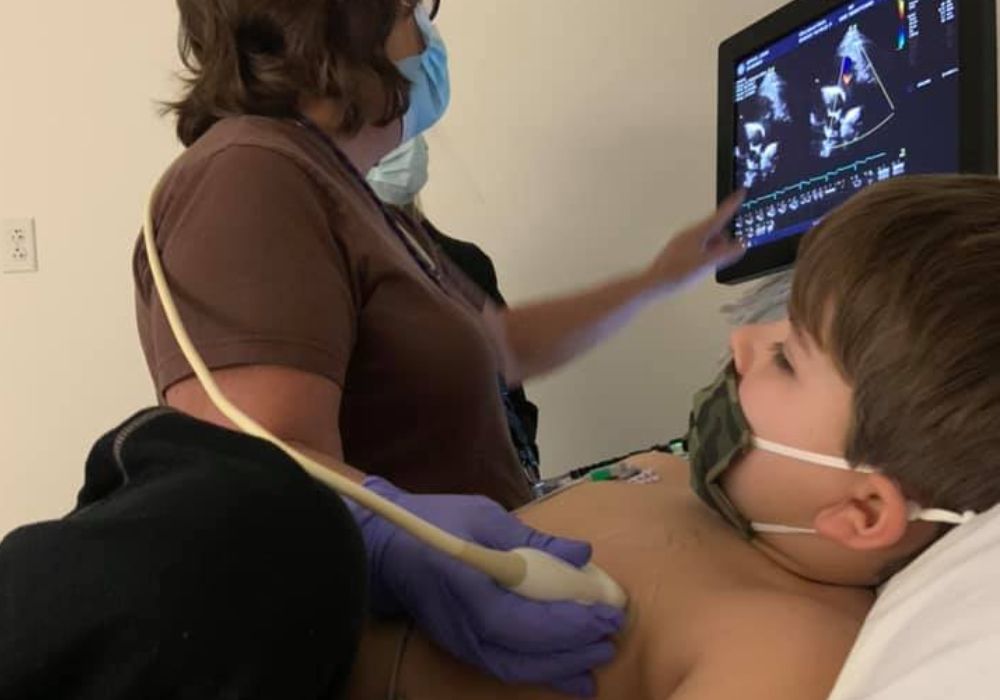
Treatment then became the backdrop of daily life for years. The family has spoken about a punishing schedule of chemotherapy alongside frequent doctor visits, and they told ABC News that JO also had a mediport placed in his chest to make ongoing treatment possible. At points, monthly steroids were part of the regimen as well. The physical toll was not abstract: the side effects were strong enough that even typical childhood activities and consistent school attendance were often out of reach.
Yet the story is not only medical. It is also about endurance in small moments: getting through appointments, returning to class when health allowed, and holding onto routines that helped JO feel like himself while the adults around him learned a new vocabulary of scans, counts, and next steps.
Beyond Medical Care: The Role of Community in Healing
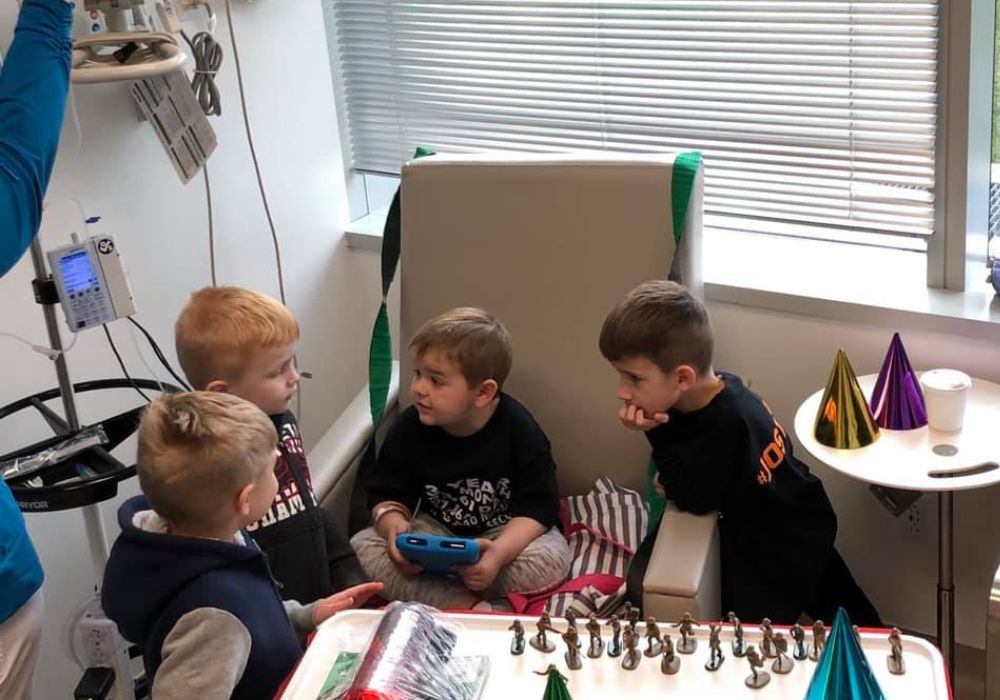
A child’s illness can quietly reshape an entire classroom. For JO, long stretches away from school were unavoidable, yet educators said he did not fall behind academically, even with missed time. That detail matters because it points to something beyond grit: the stabilizing role of a school community that stays connected when a student cannot reliably be present.
During treatment, JO’s family built that connection deliberately. His mother, Megan Zippay, documented both progress and setbacks in a Facebook group created for supporters following his journey. In practice, that kind of communication helps adults coordinate meals, rides, and encouragement. For children, it can also reduce the sense that a classmate has “disappeared,” replacing rumors or silence with age-appropriate understanding and continued inclusion.
The standing ovation in the hallway worked because it did not arrive out of nowhere. It reflected a community that had been tracking JO’s milestones, setbacks, and the sheer persistence required to keep going. A family friend, Shannon Formanski, helped coordinate the celebration and a school assembly that included a video montage chronicling the three-year fight, according to local reporting referenced by the family. That planning ensured JO’s return was not awkward or overly sentimental. It was structured, warm, and led by people who knew him.
For families navigating serious illness, these gestures can function like social scaffolding: they remind the child they still belong, and they give classmates a concrete way to express care. In many cases, the support is not only emotional. It reinforces routines, reduces isolation, and makes the transition back to normal school life feel less like starting over.
Celebrations That Acknowledge Loss, Hope, and a New Chapter

Milestones in cancer care can carry layered meaning, even for young children. On JO’s last day of chemotherapy, his father told CNN that nurses, family, and friends gathered as he rang the bell many hospitals use to mark the end of treatment. In that moment, celebration and grief often sit side by side. His father recalled encouraging him to “ring it for all the kids who didn’t have the chance to ring it,” a reminder that survival stories are never only individual.
That blend of joy and awareness also helps explain why the school’s welcome resonated. A hallway ovation is not a declaration that everything is simple now. It is an acknowledgement of what came before and a way of saying, collectively, that the hard parts were seen. For many families, visible community support can soften the disorienting shift that comes after treatment ends, when appointments may become less frequent but worries do not instantly disappear.

For JO, the return also signals a concrete change in daily life. His mother wrote that he was looking forward to being active again: playing sports, jumping on a trampoline, fully participating in gym class and recess, and no longer needing the protective “bubble” that limited normal contact. Those details reflect a child’s perspective on recovery, measured less by medical terminology and more by movement, play, and freedom.
The takeaway is not that celebration replaces the seriousness of what happened. It is that meaningful rituals, whether a bell in a hospital corridor or applause in a school hallway, can help families and communities name the moment and step into the next chapter with intention.
Helping Kids Come Back to Life, Not Just Back to School
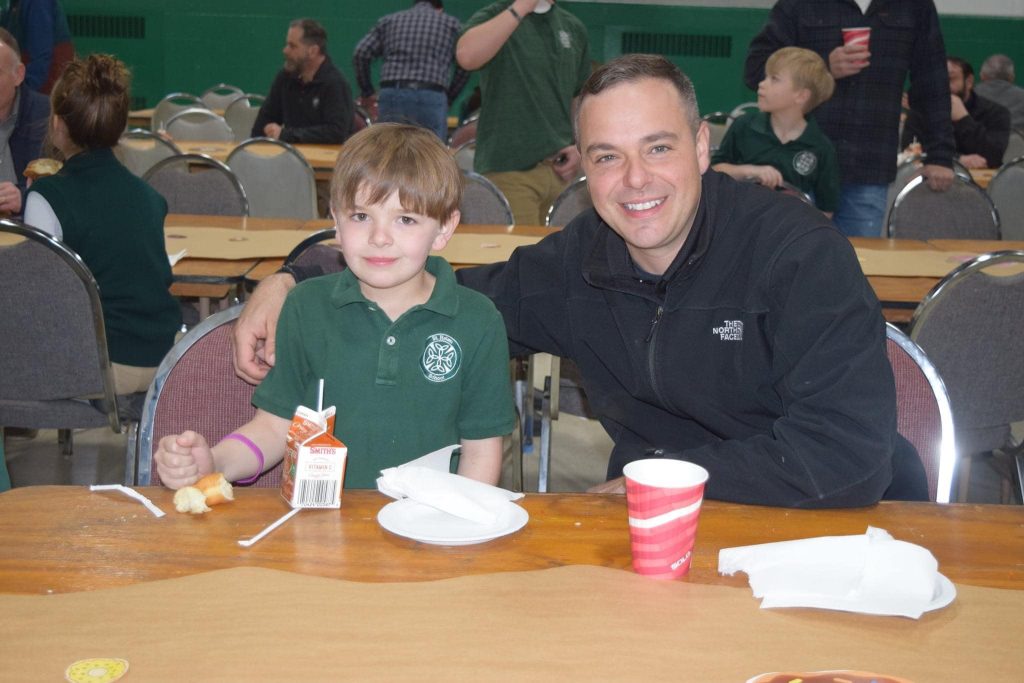
JO’s return is a reminder that healing is not only clinical. Children coming out of years of treatment need the steady comfort of ordinary life, and a clear signal that they still fit in. A hallway lined with familiar faces does not erase what happened, but it can replace some of the fear with something sturdier: belonging.
For schools and neighbors, support works best when it is simple and consistent. Stay connected during absences in ways the family approves, help classmates express care with cards or short messages, and plan a welcome that matches the child’s comfort level. After treatment ends, keep showing up. The calendar may look lighter, but readjusting to energy levels, friendships, and routines can take time.
A practical way forward is to treat a child’s return like a community responsibility, not a one-day celebration. Choose kindness that lasts: a buddy at recess, patience with missed days, and small check-ins that say, without making it heavy, “You’re not alone here.”
Featured Image Source: Help John Oliver FIGHT Leukemia on Facebook