
Your cart is currently empty!
Rare Baby Dinosaur Discovery Surprises Scientists in South Korea
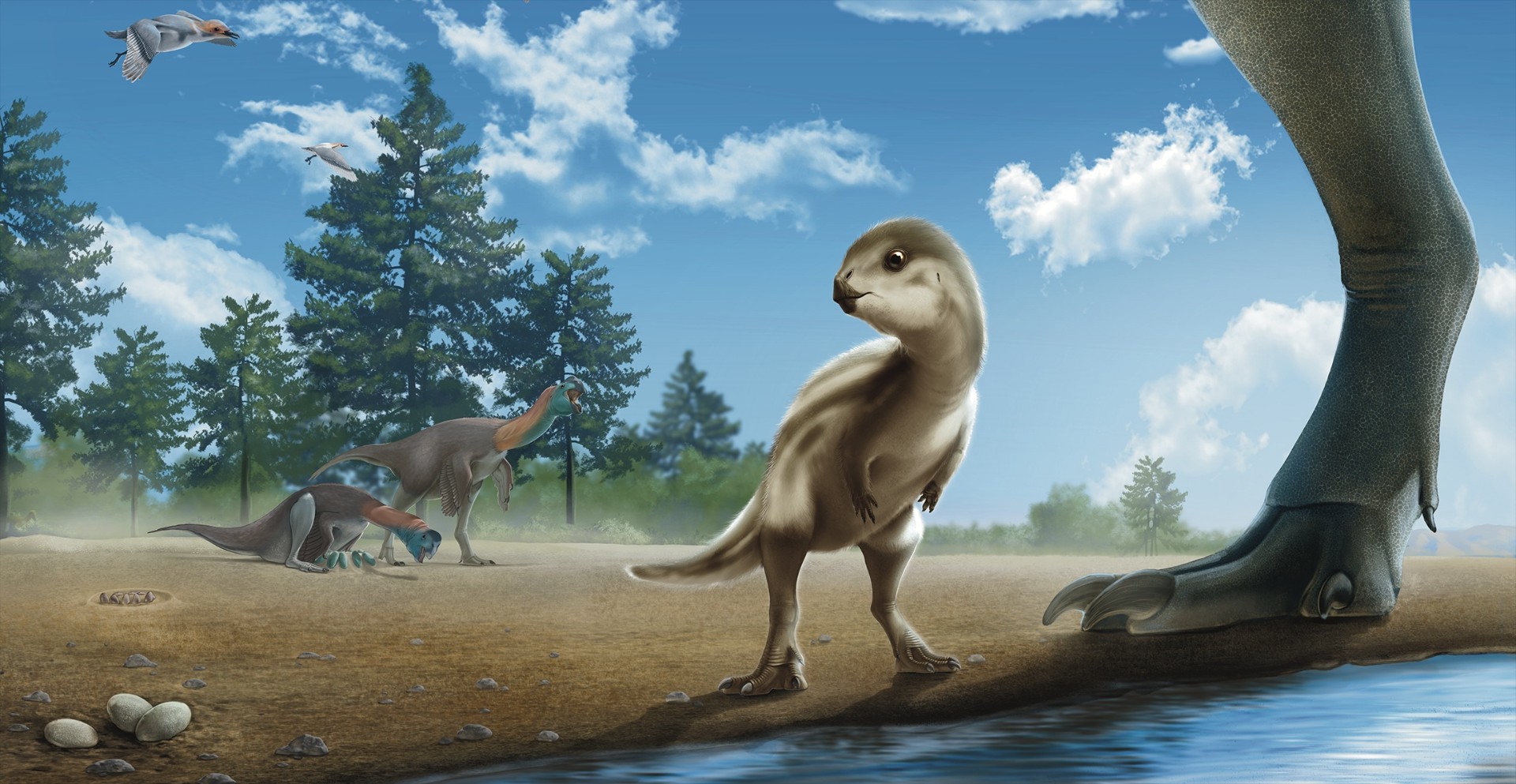
In a time when global headlines often swing between political tension and scientific progress, one discovery from South Korea has quietly captured the imagination of researchers and the public alike. Deep within layers of ancient rock, a small and fragile fossil has revealed a story that stretches back more than 100 million years. It is not just another dinosaur discovery. It is a rare glimpse into a region’s prehistoric past, a scientific milestone, and a cultural moment all at once.
Contents
show
The newly identified species, named Doolysaurus huhmini, marks the first officially recognized dinosaur species discovered in South Korea in fifteen years. For a country known for its abundance of fossil footprints and eggshells, but relatively few skeletal remains, this find represents something far more significant than a routine addition to the fossil record. It offers a deeper understanding of ancient ecosystems, technological progress in science, and the evolving ways in which culture and science intersect.
A Rare Discovery That Took Scientists by Surprise
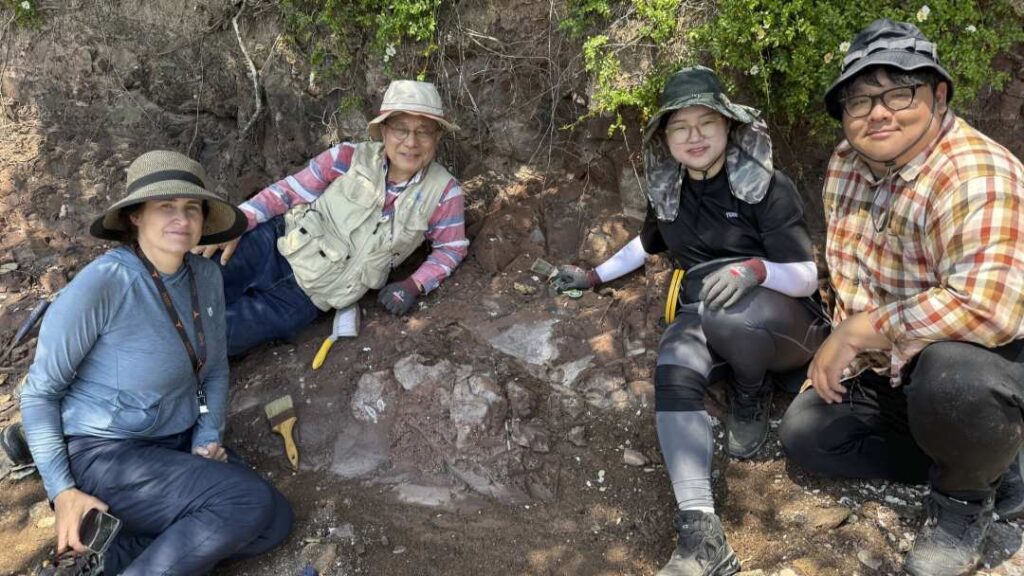
Image Credits: Website @CONNECTSCI
South Korea has long been considered a fascinating region for paleontologists, though not always for the reasons one might expect. The country contains a rich archive of trace fossils such as footprints, nesting sites, and eggshell fragments. These remnants have allowed scientists to infer the presence of many dinosaur species that once roamed the region. However, actual skeletal remains have been exceptionally rare.
This scarcity makes the discovery of Doolysaurus huhmini particularly remarkable. The fossil was unearthed on Aphae Island, located off the southwestern coast of South Korea. Initially, researchers identified only partial remains, including leg bones and vertebrae. It was a promising find, but not necessarily groundbreaking at first glance.
What changed everything was the presence of gastroliths. These small stones, which dinosaurs swallowed to aid digestion, were found clustered near the bones. Their presence suggested that the specimen might be more complete than it appeared. This prompted researchers to take a closer look using advanced imaging technology.
The result was far beyond expectations. Hidden within the rock were not only additional skeletal elements but also portions of the skull. This marked a historic first, as it became the first dinosaur fossil in South Korea to preserve identifiable skull material. For paleontologists, skull fragments are invaluable. They provide critical information about classification, diet, and evolutionary relationships.
The Role of Technology in Unlocking the Past
One of the most fascinating aspects of this discovery is how modern technology played a central role in revealing it. The fossil was subjected to micro-CT scanning, a technique that allows scientists to examine the interior of solid rock without physically breaking it apart.
Traditionally, fossil preparation can take years, sometimes even decades. Skilled technicians carefully remove layers of rock by hand, a slow and delicate process that carries the risk of damaging the specimen. In contrast, micro-CT scanning offers a non-destructive alternative that significantly accelerates analysis.
In the case of Doolysaurus huhmini, the scans revealed intricate details that would have otherwise remained hidden. Researchers were able to identify ribs, arm bones, and crucial skull components within a matter of months rather than years. This not only saved time but also preserved the integrity of the fossil.
The use of such technology reflects a broader shift in paleontology. Increasingly, scientists are combining traditional fieldwork with advanced imaging techniques to uncover new insights. This approach is especially valuable in regions like South Korea, where fossils are often encased in dense rock formations.
A Baby Dinosaur Frozen in Time
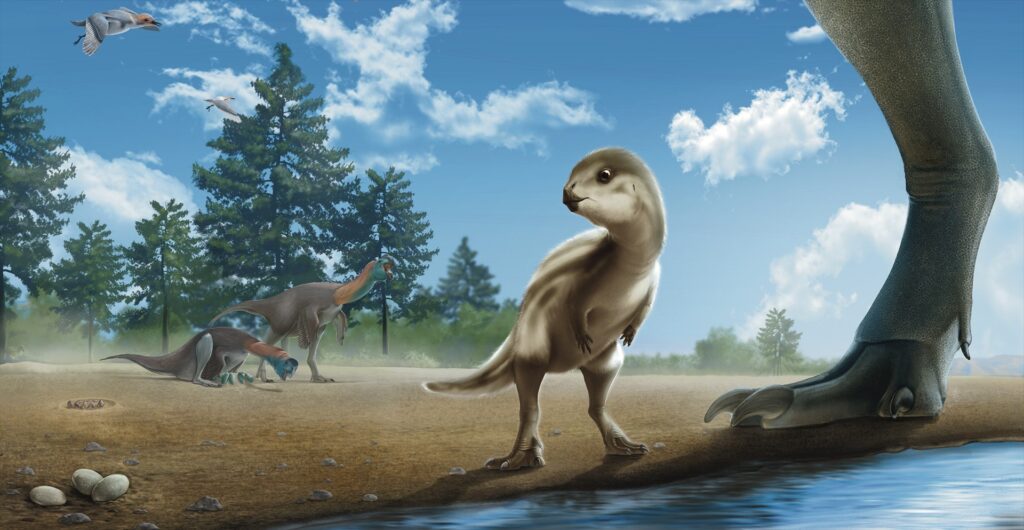
Image Credits: Website @Natural History Museum
One of the most endearing aspects of Doolysaurus huhmini is that it was a juvenile at the time of its death. Growth markers in the bones indicate that the dinosaur was approximately two years old. Despite its young age, it had already developed many of the features that allowed scientists to classify it within a specific group.
The dinosaur is believed to belong to a group known as thescelosaurids. These were small, bipedal dinosaurs that lived during the Cretaceous period. They are considered distant relatives of larger plant-eating dinosaurs such as Iguanodon, though they occupied a different ecological niche.
Doolysaurus would have been relatively small, likely no larger than a turkey at the time of its death. As an adult, it may have grown to roughly twice that size. Evidence suggests that it may have had a covering of fine, fuzzy filaments, giving it an appearance that might seem surprisingly soft or even bird-like by modern standards.
The presence of gastroliths also provides clues about its diet. These stones are typically associated with animals that need help grinding food in their digestive systems. Their presence suggests that Doolysaurus was likely omnivorous, feeding on a mix of plants, insects, and possibly small animals.
This paints a picture of a small, adaptable creature navigating a complex ecosystem filled with both predators and much larger herbivores. It would have lived during the mid-Cretaceous period, a time when dinosaurs dominated terrestrial environments across the globe.
Naming a Dinosaur After a Cultural Icon
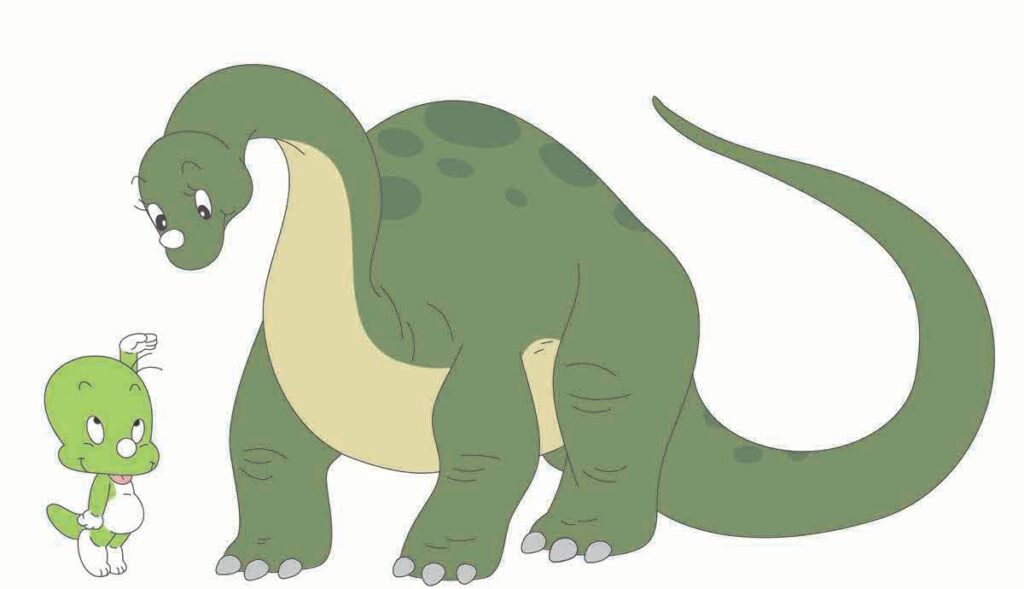
Image Credits: Website @Natural History Museum
Perhaps one of the most unique aspects of this discovery is its name. The genus name Doolysaurus is inspired by Dooly the Little Dinosaur, a beloved South Korean cartoon character created by Kim Soo-jung. The character has been a cultural icon for decades, recognized by generations of Koreans.
The decision to name the dinosaur after Dooly was not made lightly. According to the researchers, the resemblance between the fossilized juvenile and the cartoon character played a role. Both are small, youthful, and instantly recognizable as dinosaurs, albeit in very different contexts.
There is also a deeper cultural significance to the name. By linking a scientific discovery to a widely known cultural figure, the researchers have created a bridge between science and everyday life. This approach helps make paleontology more accessible to the public, particularly younger audiences who may be encountering such discoveries for the first time.
The species name, huhmini, honors Min Huh, a prominent Korean paleontologist who has contributed significantly to the study of dinosaur fossils in the region. His work over the past several decades has helped establish South Korea as an important site for paleontological research.
Together, the name Doolysaurus huhmini reflects both scientific achievement and cultural identity. It acknowledges the past while also celebrating the present.
Why This Discovery Matters Beyond Korea
While the discovery is a major milestone for South Korea, its significance extends far beyond national borders. Fossils like Doolysaurus huhmini contribute to a global understanding of dinosaur evolution and distribution.
Thescelosaurids, the group to which this dinosaur belongs, are more commonly known from North America. The identification of a related species in East Asia provides valuable evidence of how these animals may have migrated or evolved across different regions.
This has implications for understanding ancient geography. During the Cretaceous period, continents were arranged differently than they are today. Land connections between regions that are now separated by oceans may have allowed species to spread more widely.
The discovery also highlights the importance of underexplored regions in paleontology. While countries like the United States, China, and Argentina have produced a large number of dinosaur fossils, other regions have received less attention. Finds like this demonstrate that there is still much to learn from areas that have not been studied as extensively.
A Region Rich in Clues, Yet Short on Skeletons
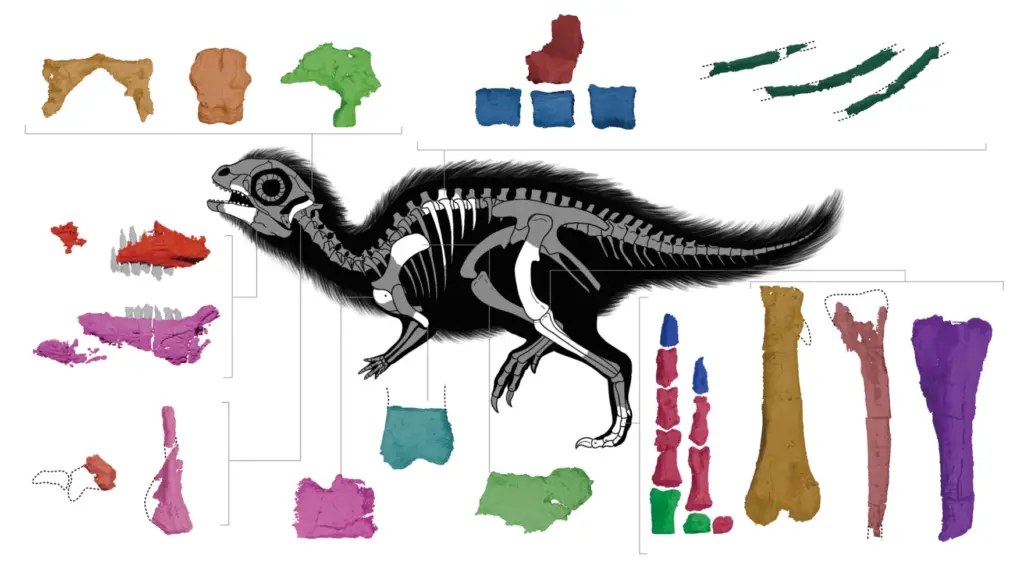
Image Credits: Website @Texas Rebulic Radio
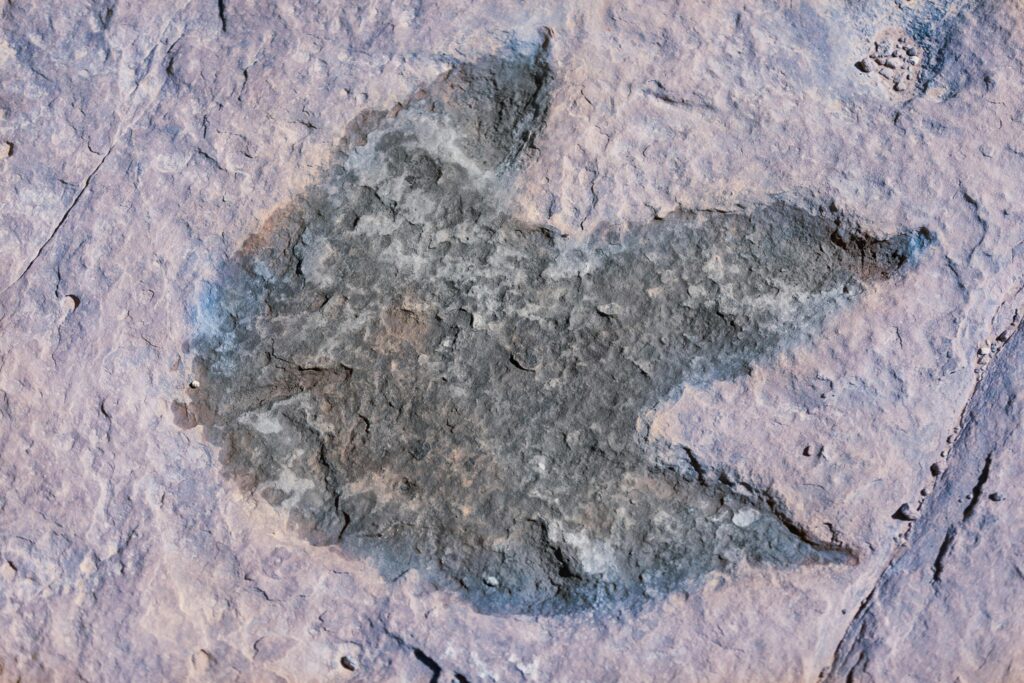
One of the longstanding puzzles in Korean paleontology has been the abundance of trace fossils compared to the scarcity of skeletal remains. Footprints and eggshells are relatively common, suggesting that dinosaurs were widespread and diverse in the region.
However, the conditions required to preserve full skeletons are much more specific. The environment in which these dinosaurs lived is believed to have been a tidal mudflat. While this type of setting is ideal for preserving footprints, it is less conducive to preserving entire bodies.
Over time, natural processes such as erosion and sediment movement can destroy or scatter skeletal remains. This makes the discovery of even partial skeletons extremely valuable.
The success of the Doolysaurus find suggests that more fossils may still be hidden within the region’s rock formations. Advances in technology, particularly imaging techniques, may help scientists locate and study these hidden specimens more effectively.
International Collaboration and Scientific Progress

Another important aspect of this discovery is the collaboration between researchers from South Korea and the University of Texas at Austin. This partnership highlights the increasingly global nature of scientific research.
By combining local expertise with advanced technological resources, the team was able to achieve results that might not have been possible otherwise. The use of high-resolution CT scanning facilities in the United States played a crucial role in analyzing the fossil.
Such collaborations are becoming more common in fields like paleontology, where access to specialized equipment and expertise can vary widely between countries. They also demonstrate how scientific progress often depends on shared knowledge and cooperation.
Looking Ahead to Future Discoveries
The discovery of Doolysaurus huhmini is not just an endpoint. It is a starting point for further exploration. Researchers are already planning additional expeditions to Aphae Island and other nearby locations in the hope of uncovering more fossils.
There is reason to be optimistic. The presence of one well-preserved specimen suggests that others may exist in the same area. With continued research and improved techniques, scientists may be able to build a more complete picture of the region’s prehistoric ecosystems.
Future discoveries could provide insights into how different species interacted, how they adapted to their environment, and how they ultimately disappeared. Each new fossil adds another piece to this complex puzzle.
A Small Fossil with a Lasting Impact
The discovery of Doolysaurus huhmini represents a significant milestone in paleontology. It marks the first officially identified dinosaur species in South Korea in fifteen years, provides new insights into ancient ecosystems, and demonstrates the power of modern technology.
More than that, it offers a moment of connection between past and present, between science and culture, and between researchers and the public. It shows how even the smallest fossil can carry a story that spans millions of years.
As scientists continue to explore and uncover the secrets of Earth’s history, discoveries like this serve as a reminder of how much there is still to learn. They invite us to look closer, think deeper, and remain open to the unexpected.
In the end, Doolysaurus huhmini is more than just a name. It is a symbol of discovery, collaboration, and the enduring human desire to understand the world around us.
Feature Image Credits: Website @Natural History Museum