
Your cart is currently empty!
Earth’s Orbit Is Becoming a Graveyard for Defunct Satellites
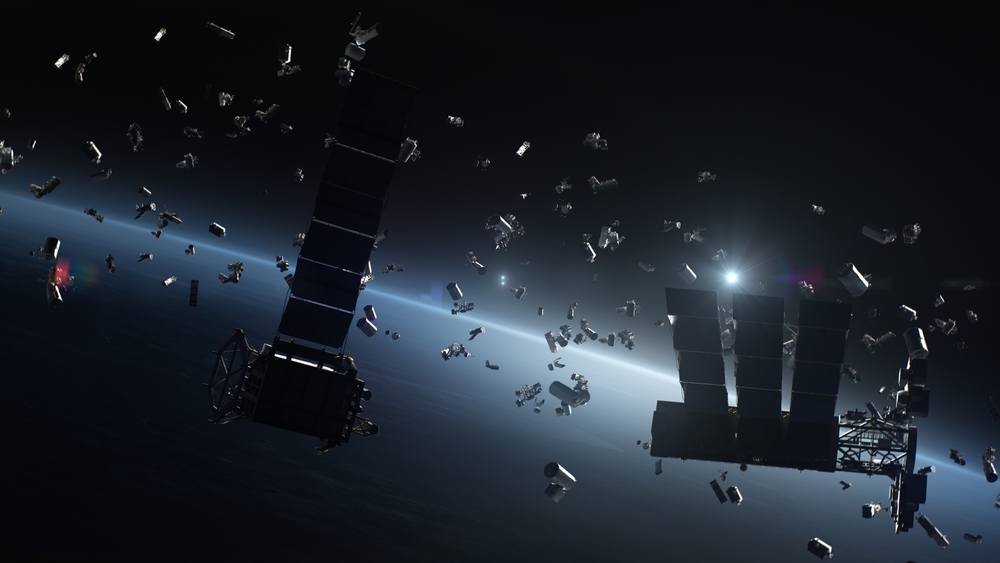
Looking up at a clear night sky, it is easy to think of space as a calm and empty place. But just above the clouds, a fast moving mess is starting to cause real trouble. What used to be a silent frontier is now a busy highway filled with the broken leftovers of our own technology.
Contents
show
With every new launch, the path to the stars gets more crowded with old trash moving much faster than a bullet. Keeping this area clean is not just for scientists anymore. It is something everyone needs to care about to keep our future safe.
The Staggering Scale of Earth’s Orbital Junkyard

When Sputnik was launched in 1957, it was the only human-made object circling the planet. Today, the space immediately above the atmosphere looks vastly different. According to an international team of researchers writing in the journal Science, Earth’s orbit is now crowded with an estimated 100 trillion pieces of debris. This staggering figure includes everything from defunct satellites and spent rocket boosters to stray bolts and floating paint chips.
While a drifting fleck of paint might sound harmless, the reality of orbital physics paints a much more dangerous picture. Objects in low-Earth orbit travel at roughly 17,500 miles per hour. At that velocity, even the smallest fragment of rubbish can strike a spacecraft with the impact of a bullet. Astronauts aboard the International Space Station have reported that the exterior of their orbiting laboratory looks as though it has been pelted by buckshot. There are even times when the crew must shelter in attached escape vehicles, waiting for swarms of space debris to pass just in case the station sustains a catastrophic strike.
The congestion is only accelerating. Currently, there are around 9,000 active satellites in orbit, a number that experts expect will balloon to over 60,000 by the year 2030. As space missions increase, the sheer volume of abandoned hardware left in what scientists call “graveyard orbits” continues to grow. New equipment is being deposited into space at a much faster rate than old debris can naturally fall back to Earth and safely incinerate in the atmosphere. This rapid accumulation is quickly transforming the cosmos from a frontier of exploration into an unsustainable landfill.
A Reflection of Earth’s Oceans

The mounting crisis above the atmosphere bears a striking and troubling resemblance to an environmental disaster closer to home. The team of researchers sounding the alarm in the journal Science is notably composed of experts from two distinct fields: satellite technology and ocean plastic pollution. This pairing is entirely intentional.
The environmental degradation seen in the oceans directly mirrors the situation unfolding in low Earth orbit. For instance, the Great Pacific Garbage Patch is a floating mass of discarded plastics measuring twice the area of Texas. While humanity took centuries to pollute the seas to this extent, the exact same process in space has taken only a few decades.
Experts point out that both environments suffer from a severe lack of sustainable management. Heather Koldewey, a senior marine technical adviser at the Zoological Society of London and coauthor of the Science letter, noted the unexpected overlap between these two domains. In a public statement, she explained that collaborative research “identified so many parallels with the challenges of tackling environmental issues in the ocean.” She emphasized that leaders must “get better at the uptake of science into management and policy.”
Moriba Jah, an associate professor of aerospace engineering at The University of Texas at Austin, echoed this sentiment. He emphasized in a statement that “marine debris and space debris are both an anthropogenic detriment that is avoidable.” The core issue lies in viewing these vast expanses as infinite dumping grounds. Recognizing this parallel is the first vital step toward changing how aerospace operations are governed.
Making Space Missions Sustainable
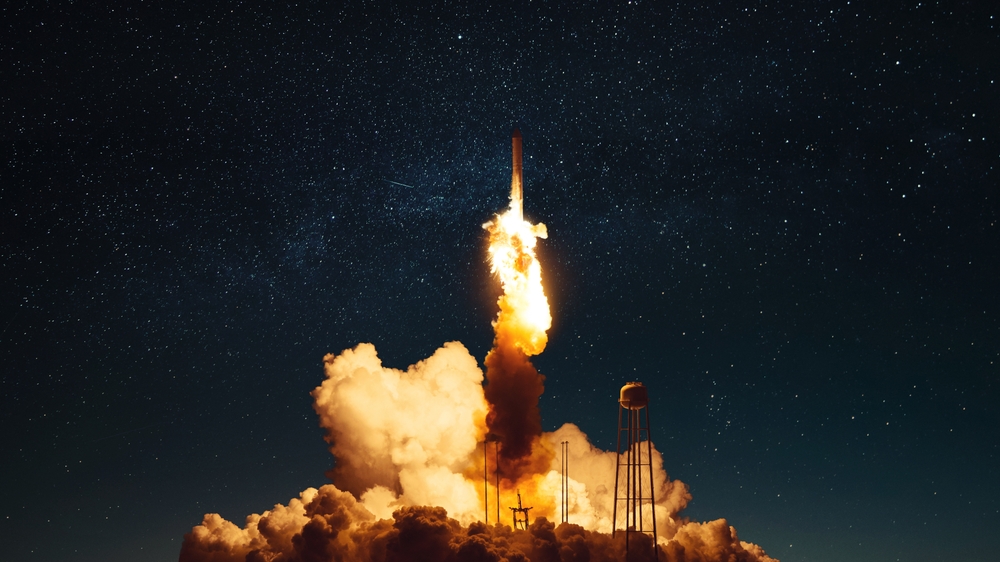
To reverse this trend, researchers are proposing a fundamental shift in how aerospace missions operate. A recent paper published in the journal Chem Circularity suggests that the solution lies in a concept already gaining traction on Earth: the circular economy. This means applying the familiar principles of reducing, reusing, and recycling to satellites and rockets.
Currently, space exploration is largely a linear process. Every rocket launch sends valuable materials into orbit that are permanently lost when missions end. Instead of being retrieved or repurposed, aging satellites are abandoned. This not only wastes finite resources but also involves the release of greenhouse gases and ozone damaging chemicals during every new launch.
Jin Xuan, a chemical engineer at the University of Surrey and senior author of the study, notes that the aerospace industry must evolve. He stated that as space activity accelerates, it is crucial to ensure exploration does not repeat the mistakes made on Earth. According to Xuan, a truly sustainable future in orbit requires technologies, materials, and systems to work together.
The foundation of a circular space economy begins with the design phase. Scientists advocate for building spacecraft that are easier to repair in orbit and have longer lifespans. Furthermore, they envision a future where existing space stations are transformed into multifunctional hubs. In these orbital centers, aging spacecraft could refuel, undergo maintenance, or even be fitted with newly manufactured components. This proactive approach would drastically cut down the number of new launches required, reducing both orbital congestion and the environmental toll on the atmosphere.
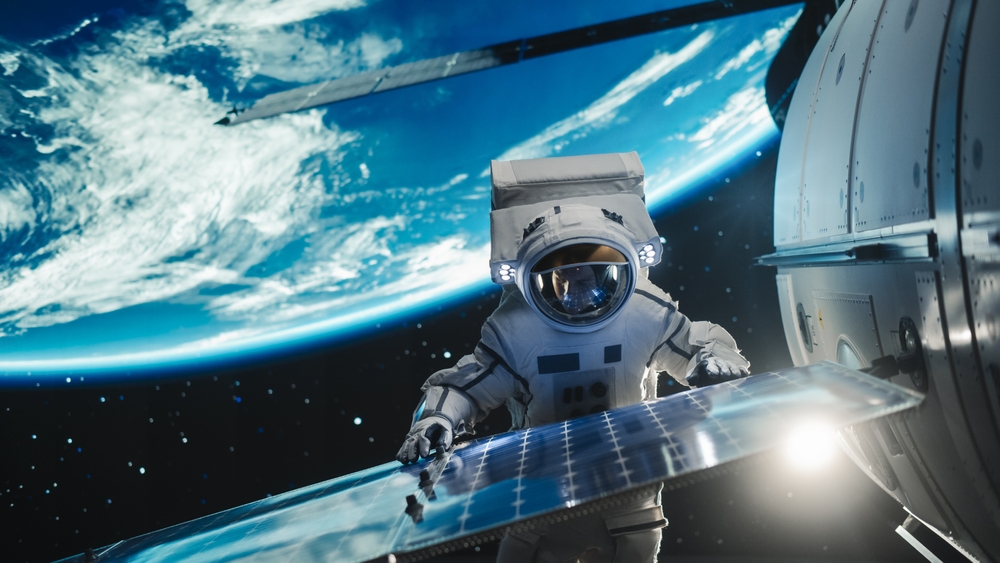
While redesigning future spacecraft is essential, the aerospace community must also address the massive amount of clutter already circling the globe. Researchers emphasize that active recovery missions are a critical component of a sustainable orbital environment.
One proposed method involves deploying specialized spacecraft equipped with robotic arms or large nets. These recovery vehicles would physically capture drifting fragments and defunct satellites, allowing the materials to be recycled rather than left as hazardous obstacles. Removing these inactive objects is vital to prevent future collisions, which would otherwise shatter existing junk into thousands of even smaller and unmanageable pieces.
In addition to capturing debris in orbit, scientists are exploring ways to bring retired equipment back to Earth safely. Instead of letting aging satellites burn up in the atmosphere, engineers are looking at advanced recovery systems. Technologies like heavy duty parachutes and specialized airbags could allow hardware to survive the intense heat and pressure of reentry. Once recovered, these components would undergo strict safety checks to ensure they can withstand the extreme temperature fluctuations and radiation of space before being reused.
Navigating this increasingly crowded environment also requires a massive upgrade in tracking technology. Researchers point out that data driven tools will play an indispensable role in a circular space economy. By utilizing artificial intelligence, satellites could autonomously detect and avoid dangerous debris in real time. Furthermore, data gathered from aging hardware in orbit can inform better simulation models on Earth, reducing the need for expensive physical testing and guiding the creation of more resilient space systems in the future.
Cleaning Up the Cosmos Together

New gadgets and cleanup ships will not be enough to solve the space junk crisis. Without strict global rules, the rush to launch new commercial satellites will easily outrun any cleanup efforts. Experts say keeping space safe requires immediate, binding teamwork from every country that launches rockets.
There is a working model for this type of teamwork. Researchers point to recent wins in protecting marine environments. In early 2022, leaders from 170 countries met at the United Nations to sign a global treaty to stop plastic pollution. The authors writing in the journal Science say a matching treaty is needed for space right now. Today, there are no international laws that force companies to clean up their orbital waste or penalize them for leaving trash behind.
To protect the area above the planet, advocates want strict rules requiring the safe disposal of dead satellites. The researchers warn that avoiding the mistakes that left the oceans vulnerable requires collective cooperation, informed by science, to develop a timely, legally binding treaty.
Good technology must have strong laws behind it. As Jin Xuan from the University of Surrey notes, the next phase is connecting chemistry, design, and governance to turn sustainability into the default model. If humanity is clever enough to reach space, it has a duty to keep it clean.
Source:
- Zhilin Yang, Lirong Liu, Lei Xing, Adam Amara, Jin Xuan. Resource and material efficiency in the circular space economy. Chem Circularity, 2025; 100001 DOI: 10.1016/j.checir.2025.100001