
Your cart is currently empty!
Trump Claims ‘Numerous Countries’ Are Heading to the Strait of Hormuz Following NATO Pushback
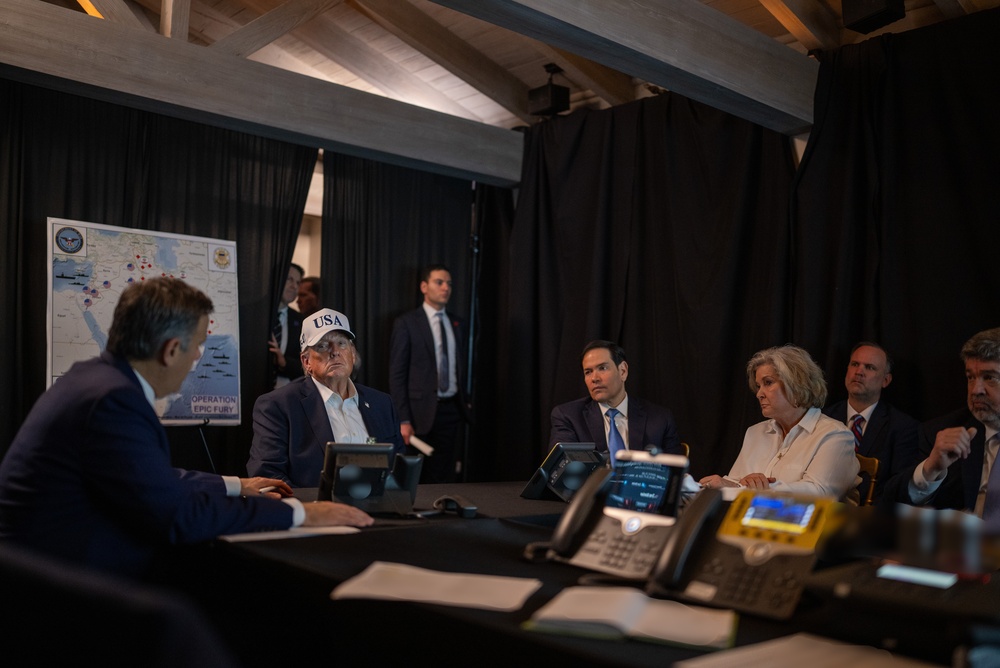
The global economy relies heavily on a narrow stretch of water barely wider than a standard marathon. When military tensions rise in the Strait of Hormuz, the resulting shockwaves are felt almost immediately at local gas pumps and grocery checkout lines around the world.
Contents
show
As recent conflicts threaten to choke off this vital energy artery, an intense diplomatic drama is rapidly unfolding. A sudden call for an international naval coalition has severely tested the limits of longstanding global alliances. The surprising hesitation from traditional partners raises urgent questions about exactly who will step forward to protect the most critical shipping lane on the planet.
A Narrow Strait, A Widening Rift
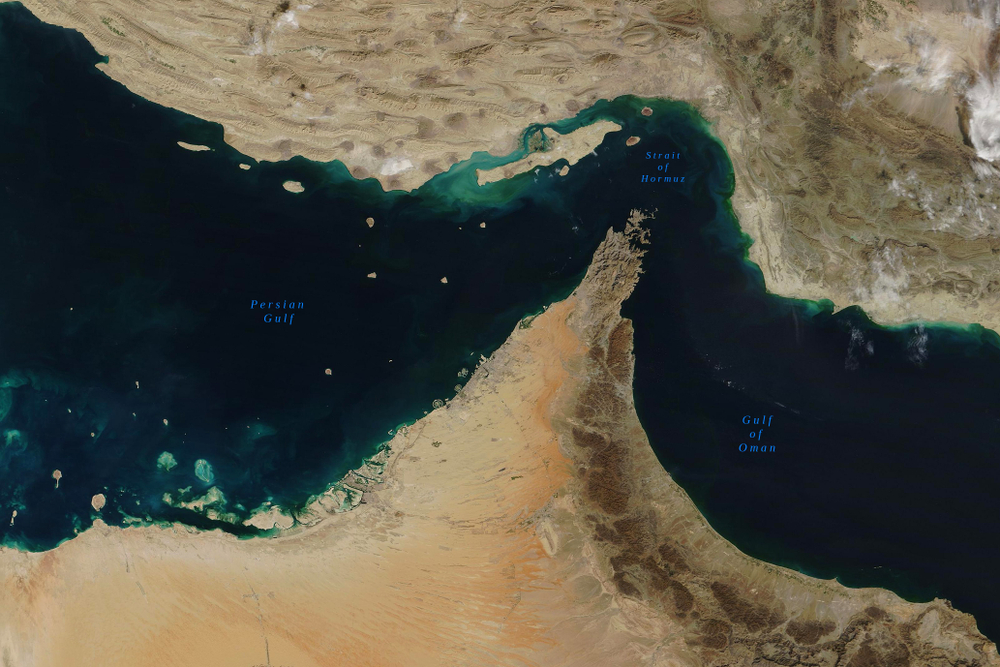
The Strait of Hormuz might just look like a narrow strip of water on a map, but it functions as the main artery for the global energy supply. When traffic stops there, everyday people around the world feel the pinch at the gas pump. Right now, this critical shipping lane connecting the Persian Gulf to the open ocean is effectively shut down. Since roughly one fifth of all traded oil usually flows through this passage, the current blockade has sent global markets into a panic and caused everyday fuel prices to soar.
With military tensions escalating rapidly between the United States, Israel, and Iran, President Donald Trump recently issued a blunt demand to international allies. He called on nations that rely heavily on Middle Eastern crude oil to deploy their own naval warships and secure the waterway. Speaking to reporters, he argued that countries importing the vast majority of their energy from the region must step up to protect their own economic lifelines.
The proposed international coalition would ideally escort commercial tankers and neutralize regional threats. United States officials believe keeping the strait open is a shared global duty rather than just an American burden. The goal is to create a massive security umbrella to calm terrified energy markets and prevent a broader economic crisis. However, asking other countries to sail directly into a highly volatile war zone has triggered immediate diplomatic friction, severely testing some of the oldest alliances in the world.
European Partners Draw a Firm Line
When the United States issued its urgent call for naval backup, traditional European partners responded with a polite but incredibly firm refusal. For countries like Germany, France, and the United Kingdom, the hesitation comes down to a deep fear of being dragged into a massive and unpredictable conflict. Because the United States and Israel launched their initial military operations against Iran without consulting these allies beforehand, European leaders feel little obligation to rush their own military forces into the immediate fallout.
The diplomatic pushback was immediate and highly public. German Chancellor Friedrich Merz made his country’s position exceptionally clear, stating, “There was never a joint decision on whether to intervene. That is why the question of how Germany might contribute militarily does not arise. We will not do so.” Similarly, United Kingdom Prime Minister Keir Starmer emphasized that while securing global oil markets is necessary, his nation will not be “drawn into the wider war.” Meanwhile, European Union foreign policy chief Kaja Kallas bluntly noted that “nobody wants to go actively in this war” while the fighting continues to rage.
This unified reluctance has created a visible political rift. President Donald Trump expressed frustration over the lukewarm response from nations that the United States has historically protected. However, he quickly pivoted to project military independence, telling reporters at the White House, “We do not need anybody. We are the strongest nation in the world.” He suggested the diplomatic outreach was actually a test of loyalty to see who would show up in a time of crisis.
Testing Loyalties and Tracking Oil Prices
Despite the clear reluctance from European allies, the White House insists that a new maritime coalition is already taking shape. During a recent press conference, President Donald Trump projected confidence about securing the vital shipping route, telling reporters, “Numerous countries have told me they’re on the way. Some are very enthusiastic about it, and some aren’t.”
However, the administration has notably declined to publicly identify which specific nations have committed naval vessels to the volatile region. When pressed for details, the president deferred, stating that Secretary of State Marco Rubio would release the official roster of partners at a later date. Instead of relying solely on traditional Western allies, the administration appears to be heavily pressuring Asian nations. United States officials have pointed out that countries like China rely on the strait for approximately 90 percent of their crude oil imports, making them highly motivated to restore safe maritime passage.
Interestingly, the president has also framed this diplomatic outreach as a stress test for international alliances rather than a strict military necessity. He emphasized the immense power of the United States military, noting that the call for international warships was partially designed to see which nations would step up during a global crisis.
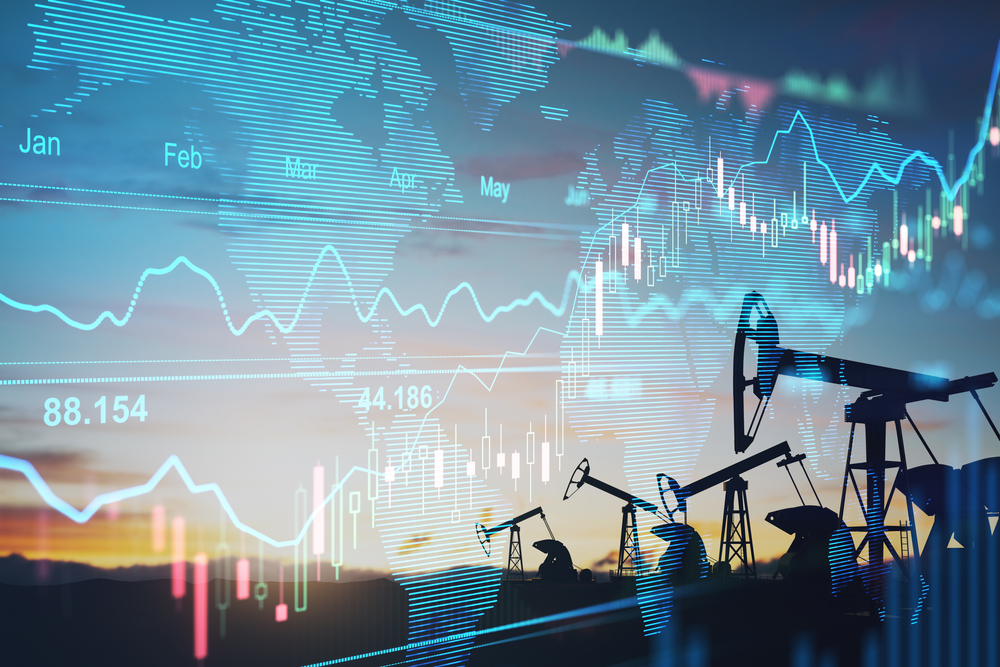
Meanwhile, the mere discussion of this emerging coalition has caused significant ripples across global markets. Oil prices have soared since the waterway closures began, but recent news of potential international intervention caused benchmark prices to fluctuate, with crude oil temporarily dropping toward 94 dollars a barrel. For everyday consumers, this high stakes diplomatic maneuvering directly dictates whether they will see financial relief or continued pain at the gas pump.
Defending the Waterway Remains Incredibly Difficult
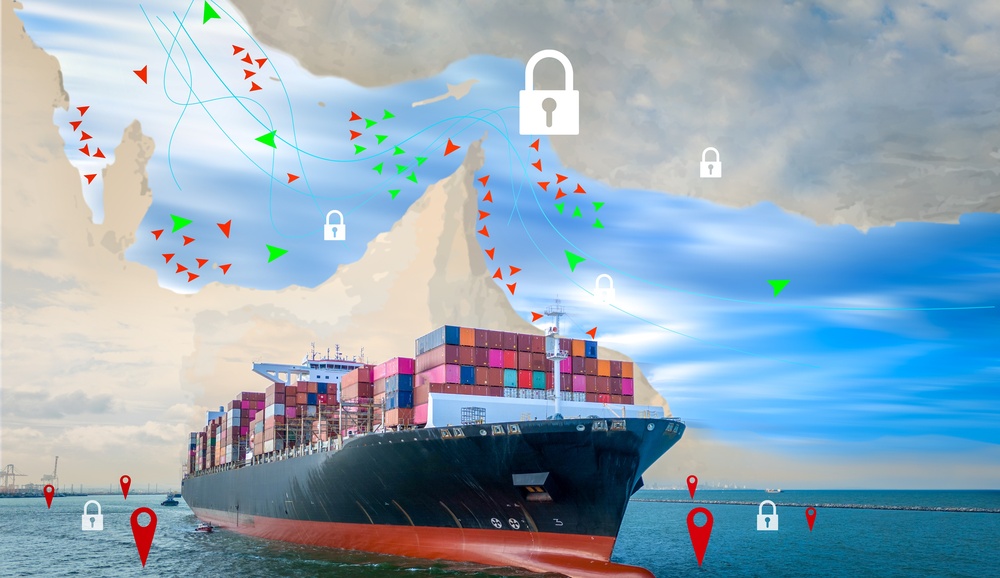
Navigating the Strait of Hormuz presents a massive geographical challenge even during times of peace. While the waterway measures roughly 39 kilometers across at its narrowest point, the actual safe shipping lanes for massive oil tankers are restricted to just three kilometers in each direction due to dangerous reefs and shallow waters.
This extreme bottleneck creates a natural fortress that heavily favors unconventional military tactics. Rather than relying on traditional large warships, Iranian forces utilize this treacherous geography to their advantage. The Islamic Revolutionary Guard Corps has equipped the mountainous southern coastline and nearby islands with hidden surveillance outposts and missiles capable of striking ships from a distance.
However, the most severe threat comes from remarkably basic weapons. Security experts estimate the region holds thousands of naval mines. Because floating explosives drift unpredictably with ocean currents, deploying just a handful from disguised vessels can entirely paralyze the narrow shipping lanes. Locating and safely removing these underwater threats is a painstaking process that requires weeks of highly dangerous work.
Furthermore, defending forces must contend with swarm strategies. This involves utilizing dozens of small, exceptionally fast boats that easily evade radar to surround larger commercial vessels. While the United States possesses overwhelming air superiority and advanced reconnaissance technology, safely policing every hidden cove and blind spot is practically impossible. When basic weaponry is combined with such a restrictive geographic chokepoint, the resulting threat to international shipping becomes highly lethal and exceedingly difficult for any proposed international coalition to quickly neutralize.
Why Diplomacy Can’t Wait
The standoff in the Strait of Hormuz is no longer just a distant military conflict. It has become a direct threat to the global cost of living. When ships stop sailing through this narrow waterway, the economic shockwaves reach every corner of the world. Global oil and natural gas prices have already surged, but the true cost extends far beyond the gas pump. Higher energy prices immediately increase the cost of producing and transporting basic necessities.
For everyday citizens, a prolonged blockade means higher grocery bills, expensive heating costs, and soaring public transit fares. Developing nations are exceptionally vulnerable. Rising fuel prices make essential agricultural fertilizers too expensive, directly threatening global food security and risking widespread hunger. Furthermore, millions of migrant workers in the Persian Gulf region face profound uncertainty, jeopardizing the vital financial remittances that support their families back home.
Military escorts and temporary naval maneuvers cannot permanently solve this crisis. As global economists consistently warn, a supply disruption in this critical region guarantees a massive price spike for consumers everywhere. The international community cannot rely solely on warships to force the strait open. World leaders must prioritize an immediate diplomatic resolution to deescalate the violence and restore safe maritime trade. Without a negotiated settlement, everyday people across the globe will continue to bear the crushing financial burden of a war they had no part in starting. The time for genuine diplomacy is right now, before temporary inflation solidifies into a devastating global recession.