
Your cart is currently empty!
Psychologists Say This Hidden Habit Could Be Stopping You From Truly Living
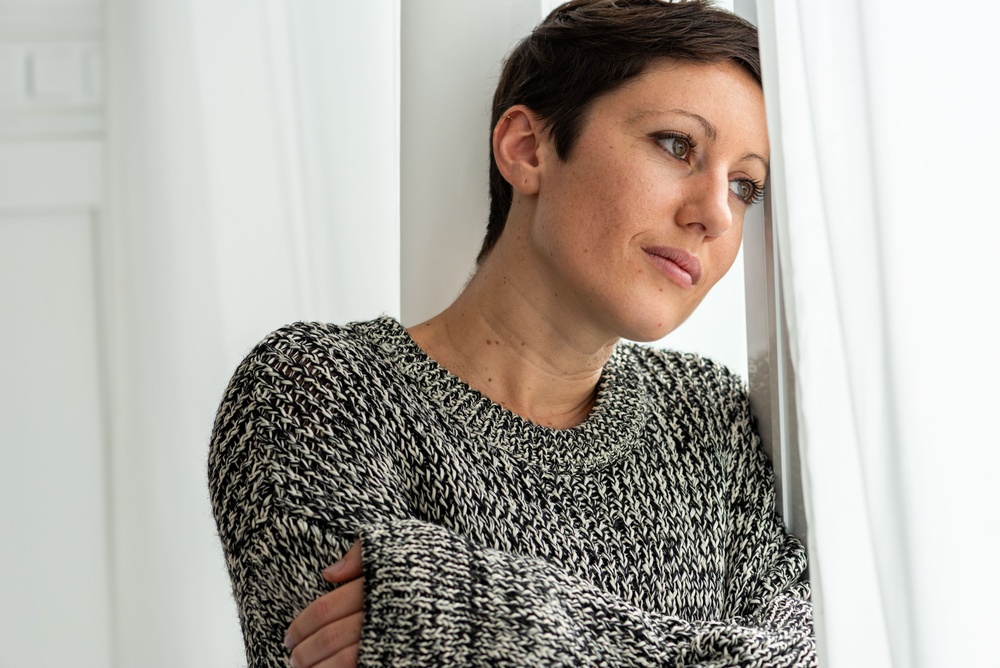
You tell yourself you’ll finally take that dream vacation once you’ve saved a little more money. You’ll wear the expensive outfit when there’s a special occasion, open the bottle of wine when guests come over, or start learning the guitar after work becomes less hectic. The promises sound sensible, even responsible. Yet somehow, those long-awaited…
The Viral Boat Theory That Turns Everyday Anger Into A Reality Check

A small mental shift is making the rounds online because it gives people a cleaner way to handle anger before it takes over. The idea is called the Empty Boat Theory, and its message is direct enough to travel quickly: not every collision in life is personal. The concept has gained new attention through TikTok,…
Neil Degrasse Tyson Shares How to Slow Down Time as Life Speeds Up

Experts Say Your Favorite Color Might Reveal Your Emotional Intelligence Level

For years, intelligence has been boxed into numbers, grades, and standardized tests. People have been taught to believe that being smart means being quick with logic, good at memorization, or academically successful. But that definition has slowly been expanding, and experts are now placing increasing importance on something far more human and deeply personal. Emotional…
Mom Shares Her Family’s 10-Year Tradition for Ending the Day in Complete Calm

A nightly battle over bedtime is a familiar scenario in many households, often ending in frustration and exhaustion. Yet, amidst the modern chaos of glaring screens and endless tasks, a surprisingly simple practice is helping families reclaim their evenings. By making one small adjustment to the nighttime routine, it is possible to transform a stressful…
From Texas to the Capitol: Buddhist Monks Arrive in Washington After 15-Week Peace Walk
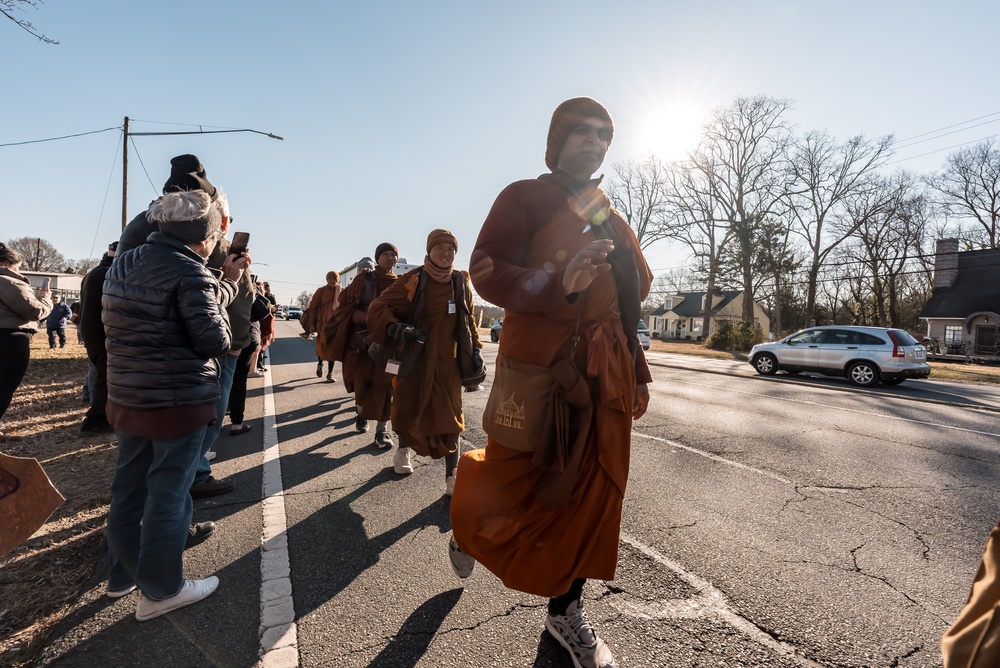
For 108 days, a quiet line of Buddhist monks walked mile after mile across highways, through small Southern towns, along rural backroads, and into major American cities carrying a message that felt both ancient and urgently modern: peace begins within. What started on October 26, 2025, at the Huong Dao Vipassana Bhavana Center in Fort…
7 Unusual Ways to Influence Your Body Without Pushing It
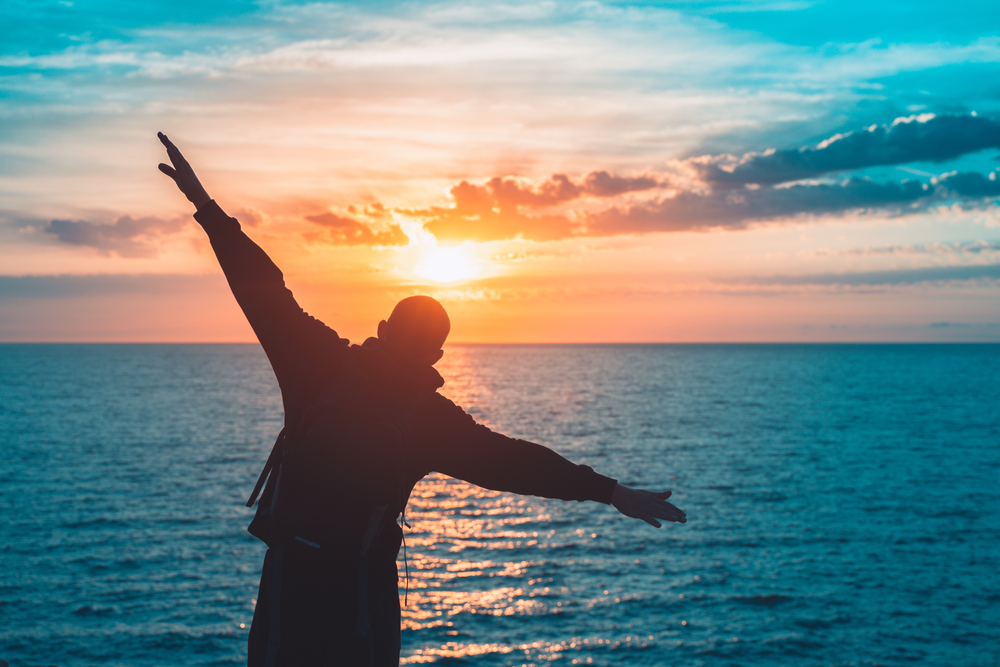
For years, advice about changing the body has focused on effort. Push harder, stay disciplined, override discomfort. Yet research in neuroscience and physiology points to a quieter reality. The body is constantly adapting to information it receives from posture, breathing, attention, and routine. These signals shape stress, hunger, effort, and recovery long before conscious control…
7 Personality Traits Psychologists Link to People Who Always Thank Their Server
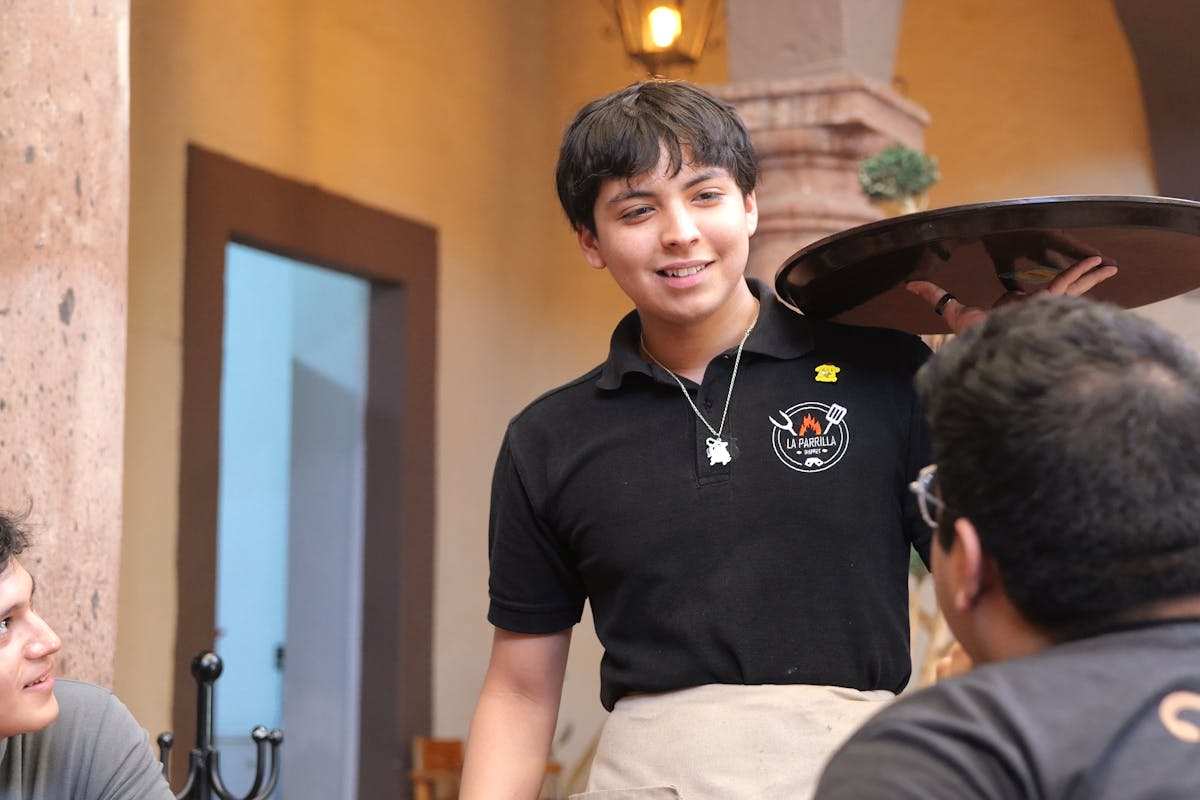
You have seen them at restaurants, coffee shops, and diners. Every time a server approaches their table, they respond with a genuine “thank you.” When the water glass gets refilled, they say it again. When the check arrives, once more. It happens so consistently that you might dismiss it as mere habit or social conditioning.…
The Real Reason Time Speeds Up With Age

When we are young, time feels expansive. Summers stretch endlessly, school years feel long, and waiting for birthdays or holidays can feel almost unbearable. As adults, many of us experience the opposite sensation. Weeks blur into months, years seem to collapse into one another, and we often find ourselves wondering how quickly time has slipped…
Someone Asked ChatGPT How It Would Spend 24 Hours as a Human, and the Response Is Shocking
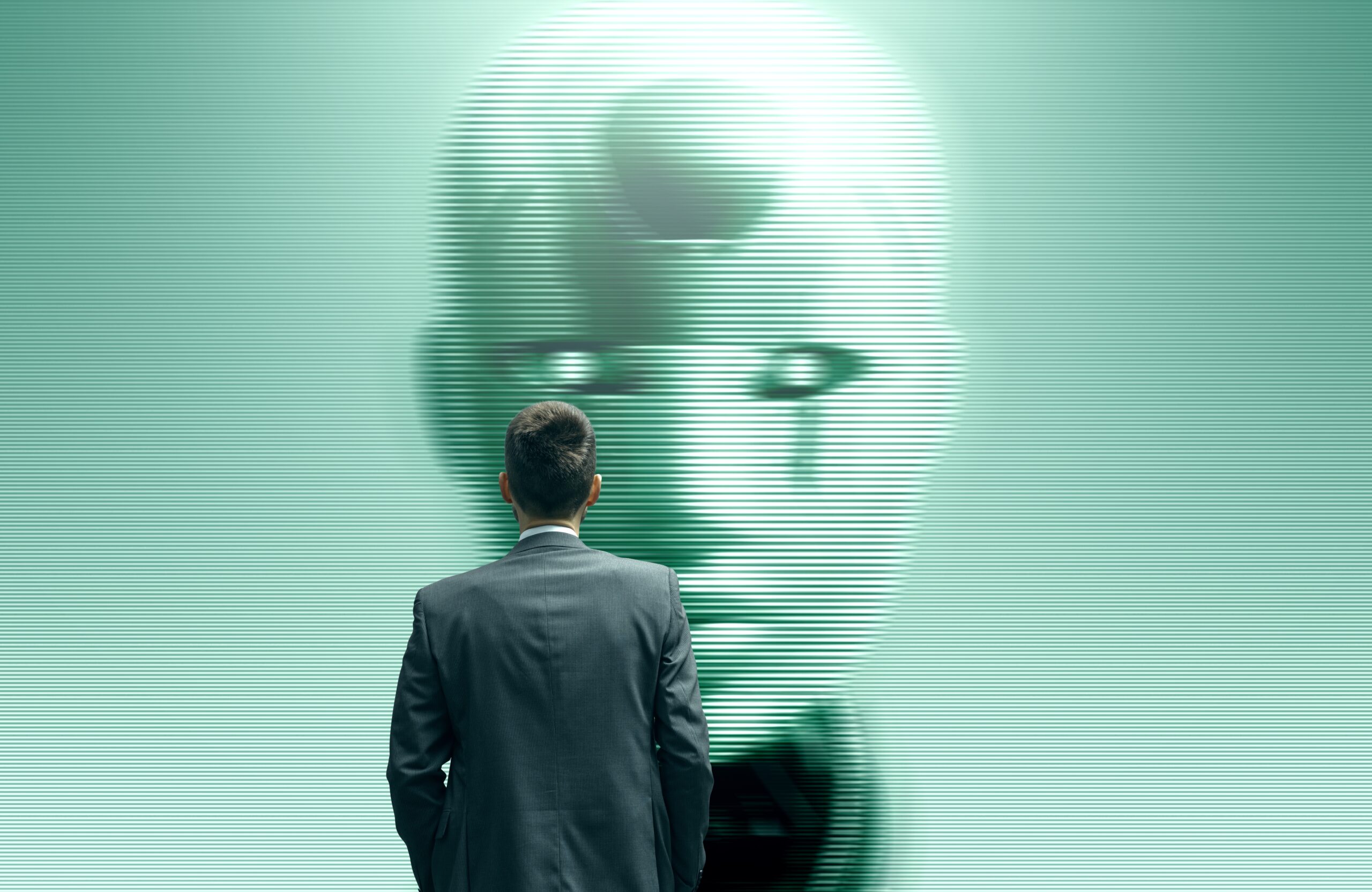
We generally view artificial intelligence as a cold, efficient tool designed to strip away the messiness of our daily tasks. However, a recent exchange on social media challenged this perception when a user asked a chatbot how it would spend a single day as a human. The machine did not fantasize about unlimited knowledge or…