
Your cart is currently empty!
Teen Shares Shocking Lung Damage After Years of Daily Vaping
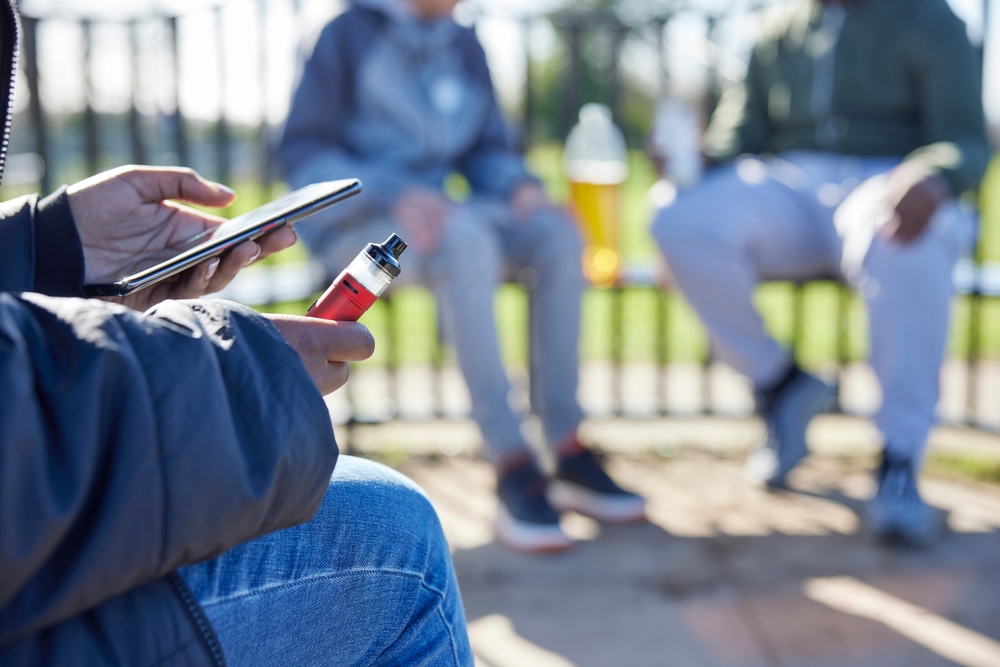
The dangers of youth vaping have been the focus of public health discussions for years, but stories that offer a human face often resonate most deeply. Such is the case with New Zealand teenager LeeRay King, whose experience offers a sobering reminder of how quickly a seemingly harmless habit can escalate into a serious medical crisis. What began as an attempt to fit in with peers eventually led to multiple lung collapses, invasive surgeries, and the removal of a damaged piece of his lung.
Contents
show
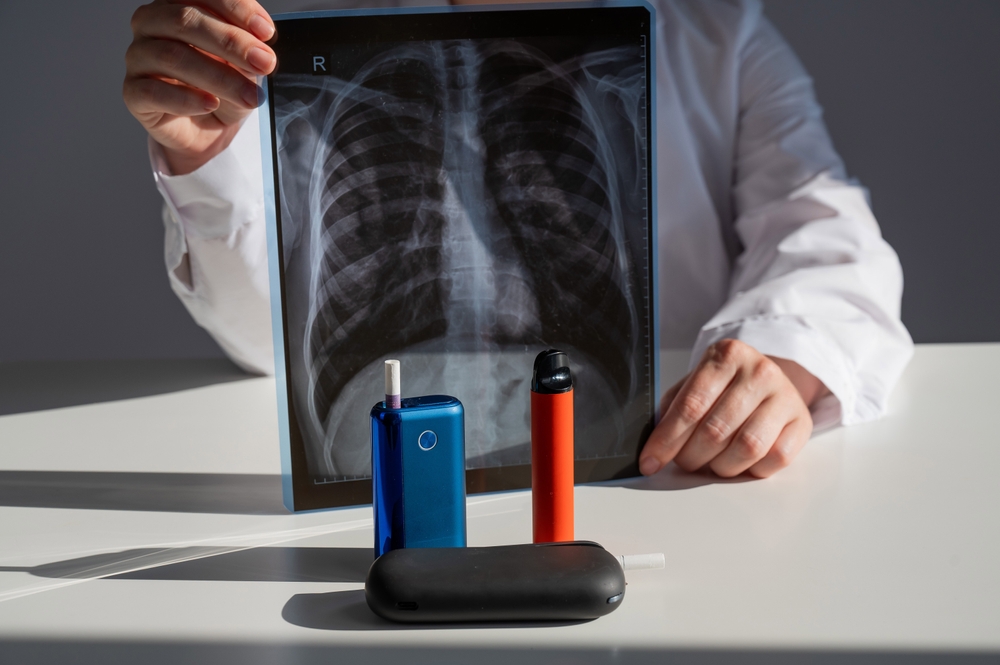
As debates around vaping continue in schools, communities, and health sectors worldwide, LeeRay’s case brings the conversation back to a grounded place. His account is not framed by statistics or policy tension but by lived experience and the emotional weight of a young person confronting the consequences of a habit he never expected would harm him.
A Teenager Drawn In by Peer Pressure
According to LeeRay, his introduction to vaping was neither intentional nor particularly enthusiastic. As he explained, “I got kind of peer pressured into vaping. I didn’t like it at first but then got hooked on it within the first week.” Over the next two years, vaping shifted from an occasional activity to a daily routine.
He shared that he had been “heavily vaping from 14 to 16”, consuming roughly four disposable vapes every week. The accessibility of these devices, which are often flavored, compact, and marketed as tools to quit smoking, made them especially appealing to teenagers who may not fully grasp the long-term risks.
LeeRay admitted, “I would vape all day every day,” a pattern consistent with findings from various public health studies showing that many teens who vape use their devices far more frequently than intended. The combination of nicotine, flavorings, and design convenience can make them particularly habit-forming.
A Sudden Collapse and an Alarming Diagnosis
In August 2024, after vaping heavily for years, seventeen-year-old LeeRay King experienced sudden and intense pain in his left side that required immediate medical attention. Doctors diagnosed a pneumothorax, meaning air had leaked into the space between his lung and chest wall, causing the lung to collapse. This marked the beginning of a series of medical emergencies rather than an isolated incident, as his lung went on to collapse five times.

Medical literature has documented similar incidents among adolescents. A peer-reviewed case report described two teenage boys who developed spontaneous pneumothoraces following e-cigarette use, each requiring surgical intervention due to recurrent collapses.
As the collapses continued, physicians determined that conservative treatment would not prevent further episodes. Surgeons attempted pleurodesis to create adhesion between the lung and chest wall. When this failed to provide stability, they pursued a pleurectomy and removed a portion of visibly damaged lung tissue, procedures that reflected the seriousness of the injury pattern described.
Surgical Interventions and a Startling Discovery
After several collapses, surgeons performed a pleurodesis, which is a procedure that encourages the lung to adhere to the chest wall and helps prevent future collapses. When that intervention failed, doctors proceeded with a pleurectomy that removed a portion of the chest wall lining to reduce the risk of recurrence.

The most startling moment arrived when surgeons removed a section of damaged lung tissue. The piece, which appeared brown and shrivelled, displayed the extent of the injury. A photograph of the excised tissue circulated widely due to its darkened and deteriorated appearance.
LeeRay’s mother, Kylee Jope described the moment they first saw it. “When we picked it up, LeeRay pulled it out and we were both like ‘oh my god’.” She continued, “It was the damaged piece of the lung that they had removed. We’re actually going to bury it at our house as a native tree. We were shocked.”
Her reaction underscores a common assumption that vaping is a safer alternative to smoking. Jope added, “I never realised vapes could do this. They advertise it to help people give up smoking. You’re pretty much intentionally drowning your insides. Seeing my son go through that was horrifying.”
Understanding Lung Damage in the Context of Vaping
Research into vaping-related harm has expanded significantly in recent years as clinicians and public health agencies work to understand how inhaled aerosols interact with lung tissue. Vape devices heat liquids that can contain nicotine, propylene glycol, vegetable glycerin, and various flavoring compounds, which form an aerosol of ultrafine particles. Studies have shown that repeated exposure to these particles can contribute to airway inflammation and oxidative stress, which may weaken structural components of the lung. A peer-reviewed investigation published in Medicine found that users of e-cigarettes demonstrated measurable markers of lung irritation even in the absence of traditional cigarette smoke, which underscores the need for continued research into how these products affect respiratory health.

Adolescents may face heightened susceptibility because lung development continues into early adulthood. In this stage, tissue repair mechanisms can be more easily disrupted by chemical exposure and high nicotine intake may influence patterns of repeated use. Disposable vapes in particular often contain higher concentrations of nicotine, which may contribute to more frequent inhalation and greater cumulative exposure to aerosols. These factors help explain why some teens may experience more severe respiratory responses than adults.
While LeeRay’s case is medically complex and not representative of all vaping experiences, it illustrates how persistent exposure can interact with individual biological vulnerabilities. His story highlights ongoing questions in the research community regarding long-term outcomes for teen users and reinforces the importance of clear communication about potential risks.
Personal Advocacy and the Family’s Turning Point
As LeeRay recovered from his surgeries, he began speaking publicly about his experience with vaping, turning personal trauma into community advocacy. Motivated by the severity of what he had endured, he started visiting local schools to speak directly with students. “I actually went and talked to one of the primary schools near where I live. I don’t want them going through what I went through,” he said. His words to younger peers are plain but powerful: “It was a pain that no one at a young age should be going through. I would tell anyone don’t do it. I’ll never touch a vape again.” His shift from patient to public speaker reflects a growing grassroots movement where young individuals use personal stories to deliver cautionary messages often more impactful than clinical data.

His mother, Kylee Jope, equally transformed by the ordeal, has voiced concern over the marketing and appeal of vaping products. Having witnessed her son endure multiple lung collapses and invasive surgeries, her understanding of vaping’s risks shifted entirely. Her reflections mirror the voices of many parents and health advocates who argue that vaping products too often escape scrutiny despite their rising use among teenagers. The family’s symbolic decision to bury the removed lung tissue beneath a native tree reflects both a sense of closure and an act of healing. It also signals a deeper recognition that the emotional aftermath of health crises often runs parallel to the physical toll.
Together, their response forms a rare but compelling example of how lived experience can influence public awareness. Rather than distancing themselves from the past, LeeRay and his mother have chosen to confront it, helping others see the hidden consequences of a practice that remains dangerously underexamined in youth culture.
What LeeRay’s Story Means in a Broader Cultural Context
Around the world, educators and health officials continue grappling with youth vaping. Some countries have considered stricter regulations on disposable vape sales, while others have initiated awareness campaigns targeted at teens.
Stories like LeeRay’s can impact these discussions by grounding policy debates in real-life experiences. They also challenge the perception that vaping is inherently benign or significantly safer simply because it contains no combustible tobacco.
For entertainment and culture writers, cases like this represent a shift in youth narratives away from curated online aesthetics and toward candid accounts of health, pressure, and resilience. In sharing his journey, LeeRay offers a reminder that personal choices, especially during adolescence, can carry long-term consequences.
Final Thoughts That Matter
LeeRay’s story is not defined by drama but by clarity. He was a teenager who underestimated a common habit and faced consequences no one his age should endure. His experience moves beyond headlines and enters a space where personal choice, health, and vulnerability intersect.
Many teens start vaping without knowing what they are inhaling or what it may do to them. Peer pressure, fast marketing, and a lack of strong messaging all play roles. But when someone like LeeRay speaks plainly about what happened to him, it can break through the noise. His recovery and willingness to share reflect the power of one voice to change how others think.
This story does not exist in isolation. It is part of a wider shift in how society talks about health and responsibility. LeeRay’s experience urges us to listen more carefully to those affected, to look beyond trends, and to ask tougher questions about what we promote to young people. It is a reminder that honesty can lead to awareness and that awareness, in the right moment, can protect someone else from the same path.