
Your cart is currently empty!
Man Who Paid $140,940 for Tesla Shocked by Trade-In Value Just Two Years Later
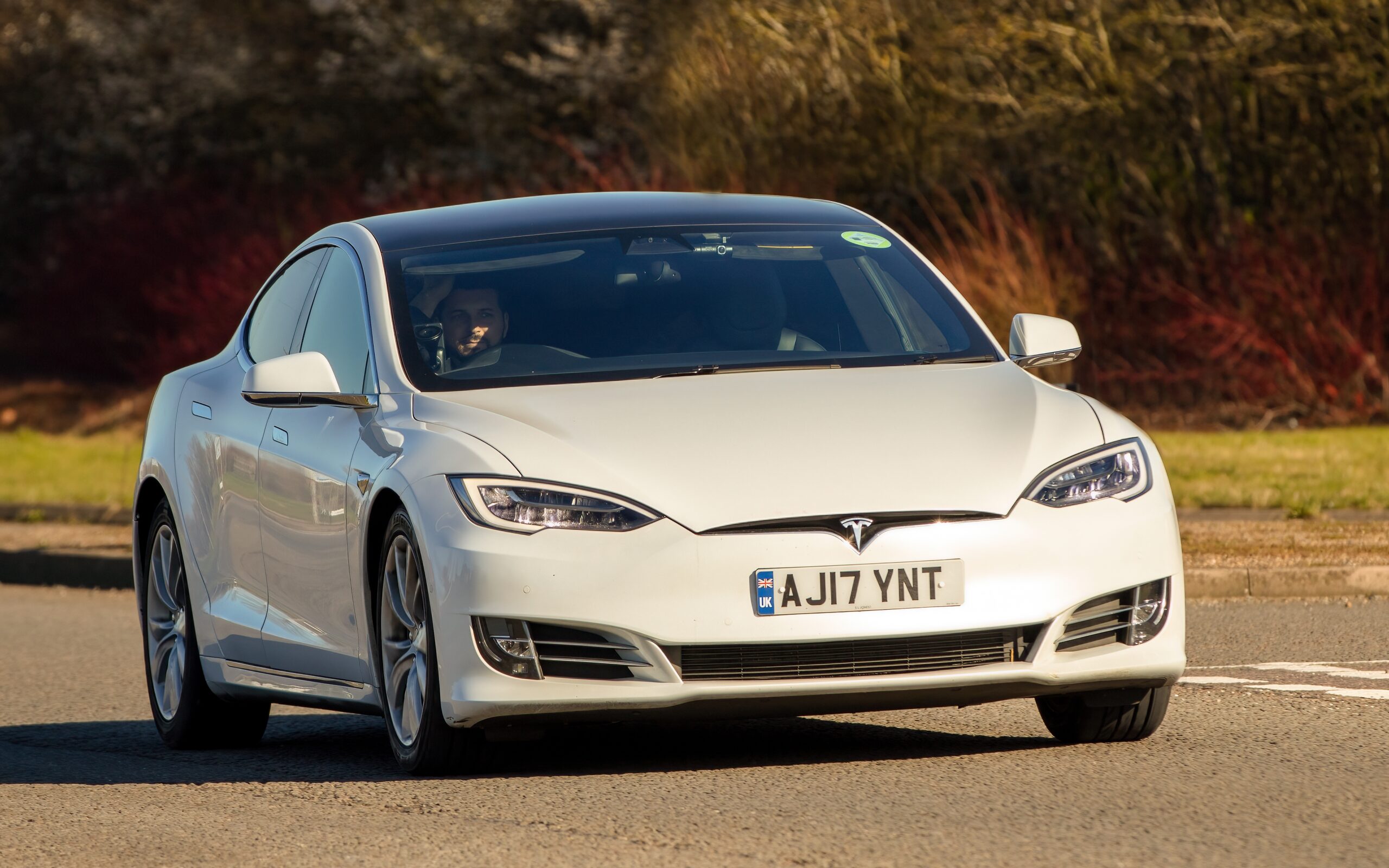
When Kyle Conner bought his 2022 Tesla Model S Plaid, he paid $140,940 for the privilege. Two years later, after 37,191 miles, he checked the trade‑in estimate.
Contents
show
The number staring back at him was $46,400.
He summed it up in one word on social media: “depreciation.” But behind that single word is a much bigger story about electric vehicles, rapid technology shifts, and what buyers may not fully consider when purchasing high‑end EVs.
From $140,940 to $46,400 in Just Two Years
Conner shared screenshots showing:
- Original purchase price: $140,940 for a black 2022 Tesla Model S Plaid
- Trade‑in estimate after two years: $46,400
- Total loss in value: Roughly $94,500
Even for seasoned car buyers, that kind of drop feels dramatic.
Cars are known for losing value quickly, but watching nearly $100,000 disappear in 24 months is difficult to ignore. And Conner isn’t alone. Other EV owners have shared similar stories after checking resale platforms and dealership quotes.
The shock factor is simple: most people understand depreciation in theory. Few expect it at this scale.
What Really Happens After You Drive Off the Lot
Before focusing only on Tesla, it’s important to understand something basic: almost all new cars lose value quickly.
Automotive experts explain that vehicles can lose up to 35 percent of their value in the first year alone. That initial drop happens the moment the car leaves the dealership.
Why?
Because the sticker price includes:
- Dealer margins
- Distribution and logistics costs
- Marketing and overhead
- Manufacturer pricing strategy
Once the car becomes “used,” those built‑in costs no longer apply. The market resets the price based on demand, mileage, condition, and competition.
That first‑year drop is common across gas and electric vehicles.
But EVs — at least for now — often experience steeper declines.
Why The Model S Took a Bigger Hit Than Most
Tesla’s situation adds several unique factors on top of normal depreciation.
1. Tesla Became a Victim of Its Own Success
Tesla dominated the EV market for years. The Model S, first introduced in 2012, became one of the most recognizable electric vehicles on the road.
Strong sales created a large second‑hand supply.
When more used Teslas enter the market, buyers gain options. And when buyers have options, prices tend to fall.
2. Increased Competition From Other Brands
Five or six years ago, Tesla had limited serious competition in long‑range EVs.
That is no longer the case.
Traditional automakers now offer electric SUVs and sedans with competitive range, improved interiors, and aggressive pricing. As more choices enter the market, older Teslas face pressure from both new EVs and newer Tesla models.
3. Tesla Cut Its Own Prices
It’s important to note that Conner purchased his Model S Plaid when prices were significantly higher.
Today, a 2025 Model S Plaid starts at $89,990.
When manufacturers lower prices on new models, used values often follow. Buyers ask a simple question: why pay a high price for a used one when a brand‑new version costs much less than before?
That pricing shift alone can erase tens of thousands in resale value.
The Numbers That Put This in Perspective
Conner’s experience lines up with broader data.
A study conducted by Boohoff Law examined depreciation across 18 electric vehicles by comparing their 2015 manufacturer suggested retail prices with their 2025 average resale values.
The results were striking.
The Tesla Model S ranked as the vehicle with the highest value loss over a 10‑year period.
- 2015 MSRP: $95,600
- 2025 resale value: $9,800
- Total depreciation: 89.75 percent
That means nearly 90 percent of the vehicle’s value disappeared over a decade.
Other EVs in the study showed similar patterns:
- Fiat e500: 88 percent depreciation
- BMW i3: 86 percent depreciation
- Nissan Leaf: 82 percent depreciation
For comparison, a gasoline luxury SUV from the same era — such as a 2015 Range Rover HSE LWB — retained around 20 percent of its original value, reflecting roughly 79 percent depreciation.
While that’s still significant, it’s notably lower than the Model S decline.
Why Older EVs Struggle in the Used Market
The steep losses aren’t random. Several structural issues affect early and high‑end EV resale values.
Rapid Battery Technology Improvements
Battery technology evolves quickly. Newer models offer:
- Longer driving range
- Faster charging speeds
- Improved efficiency
- Better battery longevity
An EV from 2015 or even 2020 may feel outdated compared to today’s models.
Unlike traditional engines, which change gradually, EV improvements can feel like leaps rather than steps.
Concerns About Battery Degradation
Even though modern EV batteries are built to last many years, buyers still worry about long‑term battery health.
If replacement is needed outside warranty, costs can be high. That uncertainty affects resale value.
Incentives and Tax Credits
Government incentives for new EV purchases can also distort the used market.
If a buyer qualifies for a tax credit on a brand‑new EV, the effective price gap between new and used shrinks. That makes used models less attractive unless they’re heavily discounted.
What Every EV Buyer Should Think About First
Stories like Conner’s raise a practical question: should people avoid buying EVs?
Not necessarily.
But expectations may need adjusting.
Here are a few considerations for anyone thinking about a high‑end EV purchase:
- Think long‑term ownership: If you plan to keep the car for many years, depreciation matters less. The loss only becomes real when you sell or trade in.
- Consider buying used instead of new: Letting the first owner absorb the steepest depreciation can offer better value. A two‑ or three‑year‑old EV may provide similar performance at a fraction of the original price.
- Watch manufacturer pricing trends: Frequent price cuts on new models can directly affect resale value. Buyers should pay attention to how stable pricing has been historically.
- Separate emotion from investment: Cars are rarely strong financial investments. They are tools, conveniences, and sometimes status symbols — but not appreciating assets. Treating them as purchases rather than investments can prevent disappointment later.
The Technology Cycle Problem

There’s a larger pattern at play.
EVs share similarities with consumer electronics. Think about smartphones or laptops. New models arrive with better features, and older versions lose value quickly.
Electric vehicles exist in a similar innovation cycle.
Early adopters often pay premium prices for cutting‑edge technology. But rapid improvements mean that cutting edge becomes outdated faster than many expect.
In Conner’s case, he bought during a peak pricing period. As supply increased, competition expanded, and Tesla adjusted pricing, the resale market corrected aggressively.
Is This a Phase — or the Future of EV Pricing?
The EV market is still maturing.
As battery technology stabilizes and infrastructure expands, depreciation rates may become more predictable. Traditional vehicles had decades to settle into stable resale patterns. EVs are still finding their footing.
That said, premium models with high starting prices may continue to see sharper percentage losses simply because there is more room to fall.
Luxury vehicles — electric or gas — historically depreciate faster than mainstream models.
The difference now is the speed at which technology reshapes perceived value.
Where Buyers Go From Here
Kyle Conner’s experience is not just about one expensive car losing value. It highlights a broader reality of today’s EV market.
- High demand can shift quickly.
- Manufacturer pricing can change dramatically.
- Technology moves fast.
- Early adopters often pay more.
For buyers, the lesson isn’t to panic. It’s to plan.
Understand depreciation before signing. Assume a new vehicle will lose significant value. Decide whether the experience of owning the latest model is worth that cost.
Electric vehicles are evolving rapidly, and that innovation benefits drivers in the long run. But as this story shows, rapid progress can come with a financial trade‑off.
Sometimes the biggest surprise isn’t how advanced the car is.
It’s how quickly the numbers change.