
Your cart is currently empty!
The Selfie That Shocked the Internet: Can You Spot the Seventh Face?

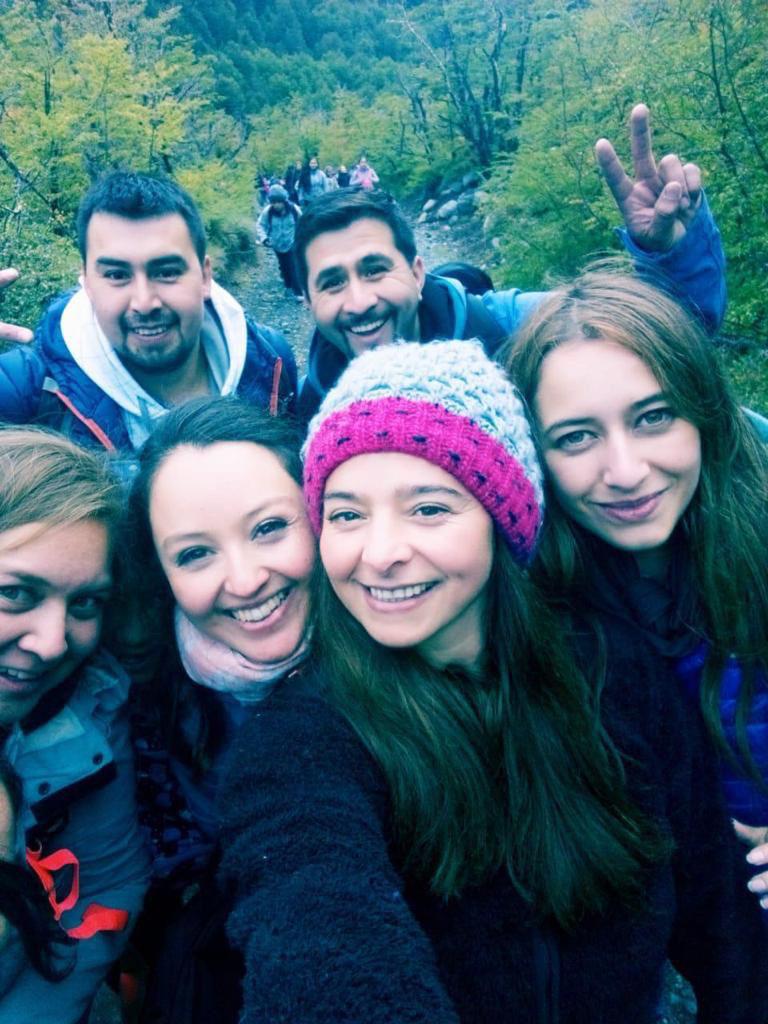
It began as an ordinary vacation snapshot. Six friends, smiling and relaxed, leaned together to capture the perfect memory of their day out. The lighting was ideal, the smiles genuine, and the mood carefree. It was one of those photos you take without a second thought before posting to social media for a few likes and comments. But this photo quickly became something far more than a simple keepsake.
Contents
show
The image, first shared on Reddit and wiithin hours, it became a viral sensation as thousands of viewers noticed something unusual. Hidden among the happy faces of the six friends appeared what looked like a mysterious seventh face, one that did not belong to anyone in the group. The moment it was spotted, the internet erupted with theories, from eerie supernatural explanations to clever optical illusions.
At first glance, everything in the picture seemed normal. The group appeared to be sitting close together, possibly at a beach or park, enjoying their time under the sun. Yet when observers looked closer, they noticed an additional face lurking where no person should have been. Its position and shape seemed oddly off, giving it a slightly chilling presence that sent shivers down many viewers’ spines.
As the image continued to circulate, some users admitted they had to stare for minutes before noticing the extra face, while others claimed it was the first thing they saw. Either way, the unsettling addition turned what was supposed to be a joyful snapshot into one of the most talked-about viral mysteries of the week.
The Internet Loses Its Mind
Social media thrives on strange and unexplainable moments, and this photo was no exception. Within hours of its posting, Reddit threads were flooded with comments from confused and creeped-out users. One person wrote, “I thought it was just six people until I saw the seventh face and now I’ll never unsee it.” Another user joked that they would never take group selfies again without counting twice.
On platforms like Twitter and TikTok, the photo spread even faster. People created videos zooming in on the haunting spot where the mysterious face appeared, adding eerie background music for dramatic effect. Theories ranged from ghosts and glitches to camera distortion or clever editing. Some insisted the photo had to be digitally manipulated, while others believed it was a genuine paranormal capture.
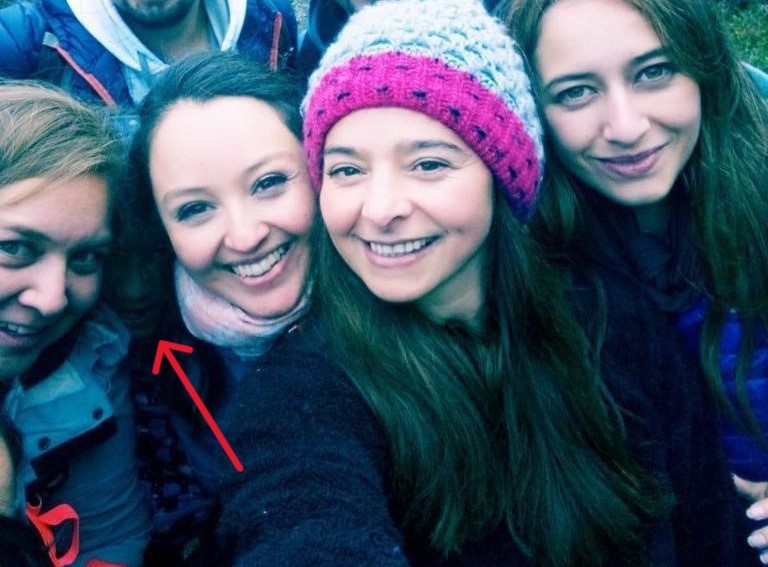
Interestingly, Bright Side’s breakdown of the photo revealed that the unsettling seventh face could actually be explained through a simple optical illusion. The face that everyone found disturbing was not truly there. It was created by the alignment of two friends’ features blending in just the right way that the shadows, hairlines, and smiles forming the illusion of a new face.
Despite the logical explanation, many viewers remained unconvinced. Reddit’s community continued debating the photo’s authenticity long after the initial post went viral. For many, it was less about whether the face was real and more about how our minds can play tricks when presented with strange visuals. The creepiness lingered, even after the illusion was exposed.
The Science Behind What We See
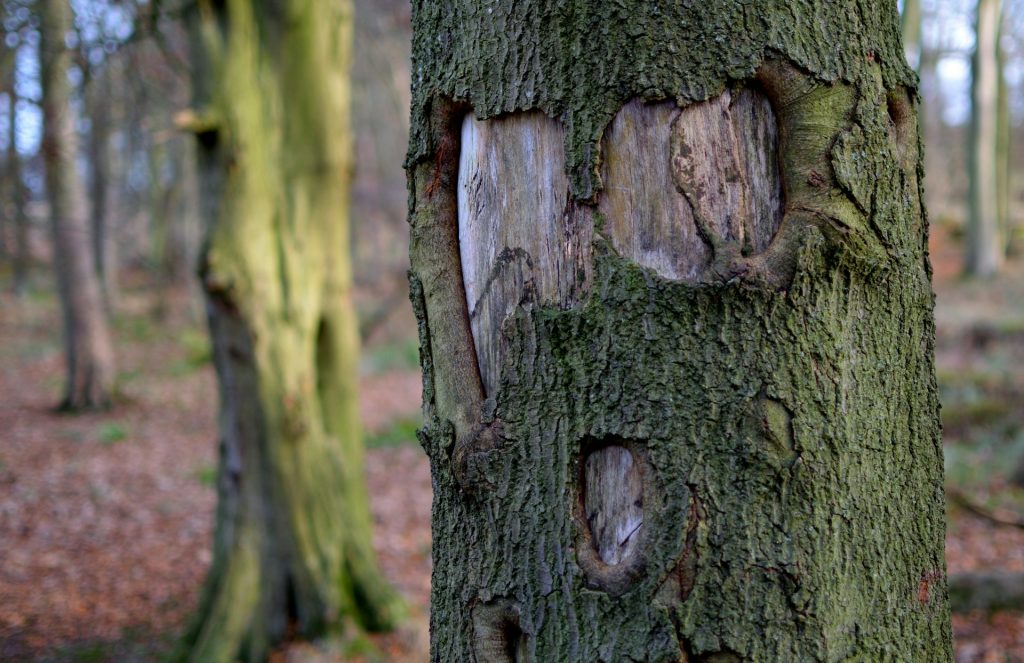
Psychologists often describe our tendency to see familiar patterns, especially faces where none actually exist, as pareidolia. It is a fascinating cognitive phenomenon that has led people throughout history to see figures in clouds, faces on Mars, and even religious icons appearing in everyday objects. Our brains are wired to recognize human faces because, evolutionarily speaking, it helps us connect, communicate, and survive.
In the case of the viral selfie, pareidolia provided the perfect explanation. When the shadows and angles of two friends happened to align just right, the brain filled in the blanks to create a seventh face. According to cognitive scientists, this happens automatically and almost instantly. The human mind tries to make sense of chaotic visual information, often forming something that feels disturbingly real.
Even though this scientific reasoning offered closure, it also sparked curiosity. How could such a simple combination of light and angles evoke such powerful emotions of fear and fascination? Experts suggest that the unsettling feeling arises from something known as the uncanny valley, the discomfort people feel when something looks almost human but not quite right. The seventh face, with its eerie positioning and unnatural symmetry, fell perfectly into that psychological gap.
Moreover, this illusion serves as a reminder of how modern photography, especially selfies, can unintentionally produce distortions that mislead the eye. Lens curvature, overlapping shadows, and digital compression can subtly warp images. What we perceive as supernatural might simply be technology creating unintended tricks of the light.
When the Ordinary Turns Uncanny
The viral reaction to this image also reveals something deeper about our relationship with mystery in the digital age. We are drawn to the unknown, to things that blur the line between real and unreal. A simple photo turning eerie reminds us that even in a world saturated with visual media, there are still moments that can make us pause and question what we see.
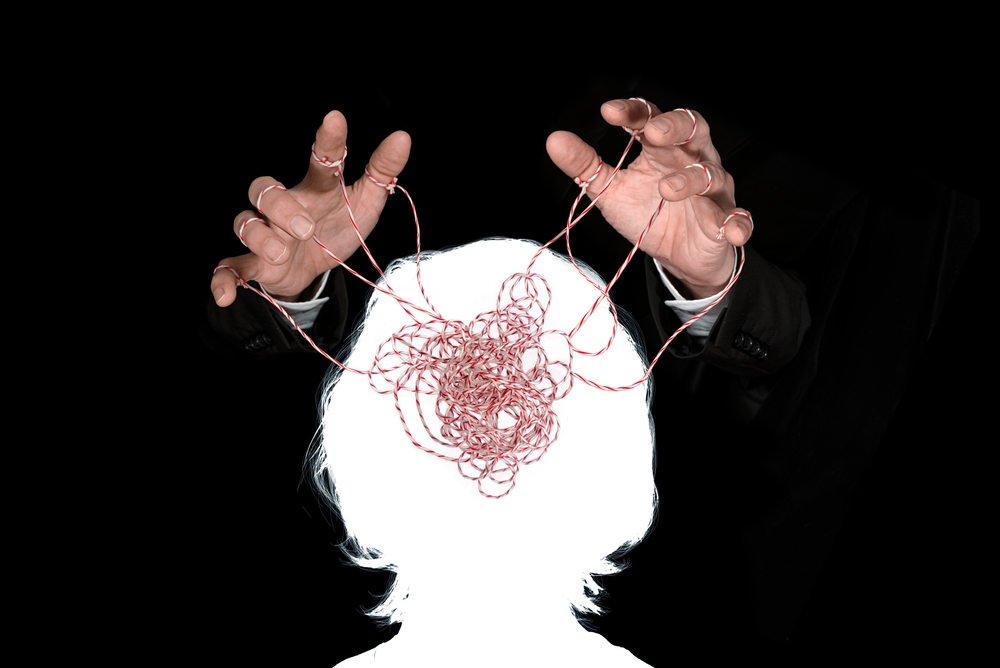
For many viewers, the seventh face became less about horror and more about fascination. It represented how easy it is for perception to be influenced by context. When one person online pointed out the extra face, suddenly thousands of others began seeing it too. This is a psychological effect known as social priming, our minds interpret ambiguous images based on what others tell us to look for.
The friends in the photo likely never expected their casual selfie to spark an international debate. Yet their picture transformed into a phenomenon that combined art, science, and storytelling. It was a moment that captured the internet’s attention not because of celebrity or scandal but because it touched on something universal: our desire to uncover hidden meanings in ordinary moments.
The story also highlights how digital virality often depends on emotional contrast. The photo began as cheerful and harmless, yet quickly shifted into something eerie and thought-provoking. That shift made people stop scrolling. It was a reminder that the most captivating content is often the one that challenges our sense of normalcy.
What We Can Learn From It
Beyond its entertainment value, the story of the seventh face offers a few valuable lessons about perception, truth, and the internet’s influence on our thinking. First, it reminds us to question what we see online. Images can easily be altered, misinterpreted, or exaggerated. What seems supernatural may simply be a trick of light or perspective. Taking a moment to verify before reacting helps keep digital discourse grounded in reason rather than fear.
Second, it shows how our brains are storytelling machines. We instinctively build narratives to explain confusing visuals. The extra face became a ghost story, a glitch, or a prank depending on who was looking. This ability to weave meaning is what makes humans so creative, yet also so prone to misunderstanding what we see.
Third, the viral selfie illustrates how quickly emotion spreads online. From shock to fascination to amusement, reactions can amplify a story far beyond its original context. The photo became a communal experience, connecting millions of strangers through a shared sense of intrigue. In that way, even a creepy illusion became a reminder of our collective curiosity.
Lastly, it encourages us to see wonder in the everyday. Even in the most ordinary moments, a group of friends taking a photo can hold surprises that challenge how we view the world. The next time someone spots something strange in a picture, maybe we can appreciate not just the mystery but the science and imagination that make such moments possible.
A Reflection on the Viral Moment
In the end, the mystery of the seventh face turned out to be an illusion, but it captured something real about human nature. We are wired to search for meaning, even in pixels and shadows. The photo became viral not because it was frightening, but because it reminded us that perception is fragile, and reality is often filtered through what we expect to see.
The six friends who took that selfie probably never imagined their vacation picture would become internet folklore. Yet, their photo ended up sparking debates, scientific explanations, and even artistic interpretations. It shows how a single image can travel across the world, inspiring both laughter and chills.
Whether you believe in optical illusions, ghosts, or the playful tricks of light, one thing remains certain: the internet will always find a way to turn ordinary moments into unforgettable stories. And in doing so, it reminds us that wonder still hides in the most unexpected places, even in a group selfie.
So the next time you line up with your friends for a photo, you might just glance twice at the background. Because who knows what else might be looking back at you.