
Your cart is currently empty!
The Surprising Science Behind Why Tomatoes Are Not Toxic After All
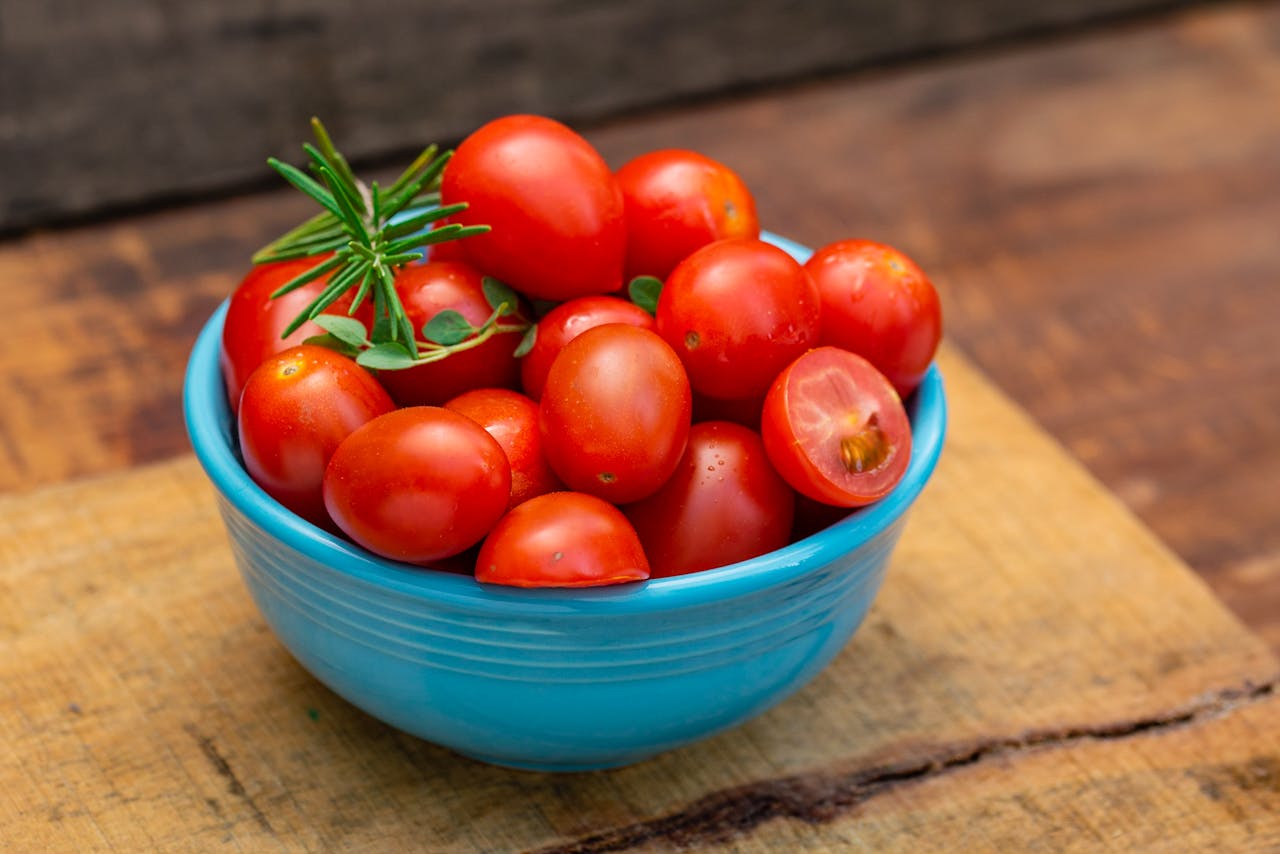
For centuries, tomatoes carried a strange reputation. They were bright, juicy, and undeniably delicious, yet many people once believed they were quietly deadly. In Europe and early America, some even called them poison apples, a nickname that reflected both fear and fascination. The idea that something so vibrant could also be dangerous made the tomato an object of suspicion rather than celebration.
Contents
show
The fear was not entirely irrational. Tomatoes belong to the nightshade family, a group of plants that includes several genuinely toxic species capable of causing serious harm. Without modern chemistry to explain the differences between relatives in this plant family, it was easy for early observers to assume guilt by association. A single bad experience or unexplained illness could reinforce the belief that the fruit itself was to blame.
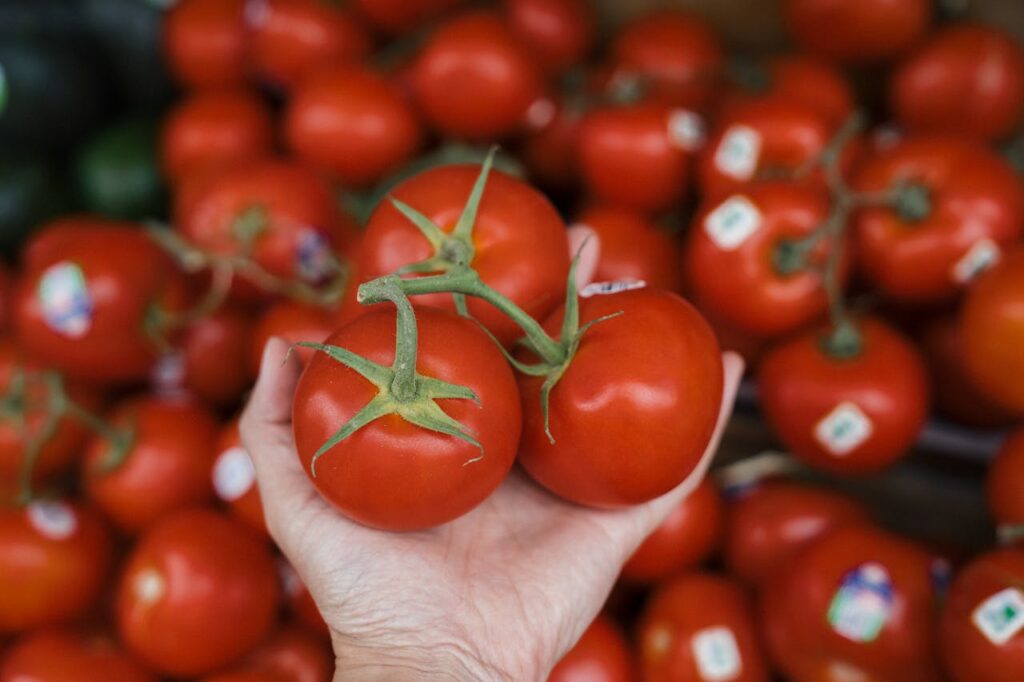
Now, scientists say they have finally figured out why tomatoes do not poison us, even though their botanical cousins can. New research has uncovered how the fruit naturally disarms its own toxic compounds as it ripens, transforming from a chemically guarded green orb into a safe and appealing red staple. What was once a mystery wrapped in superstition has become a story of chemistry, evolution, and human adaptation working in harmony.
The answer is not only fascinating but surprisingly elegant. It reveals how plants evolve to protect themselves while still ensuring survival through animals and humans who spread their seeds. It also explains how something that once inspired fear became one of the most beloved ingredients in kitchens around the world, woven into culinary traditions from Italy to Mexico to the United States.
The Nightshade Mystery
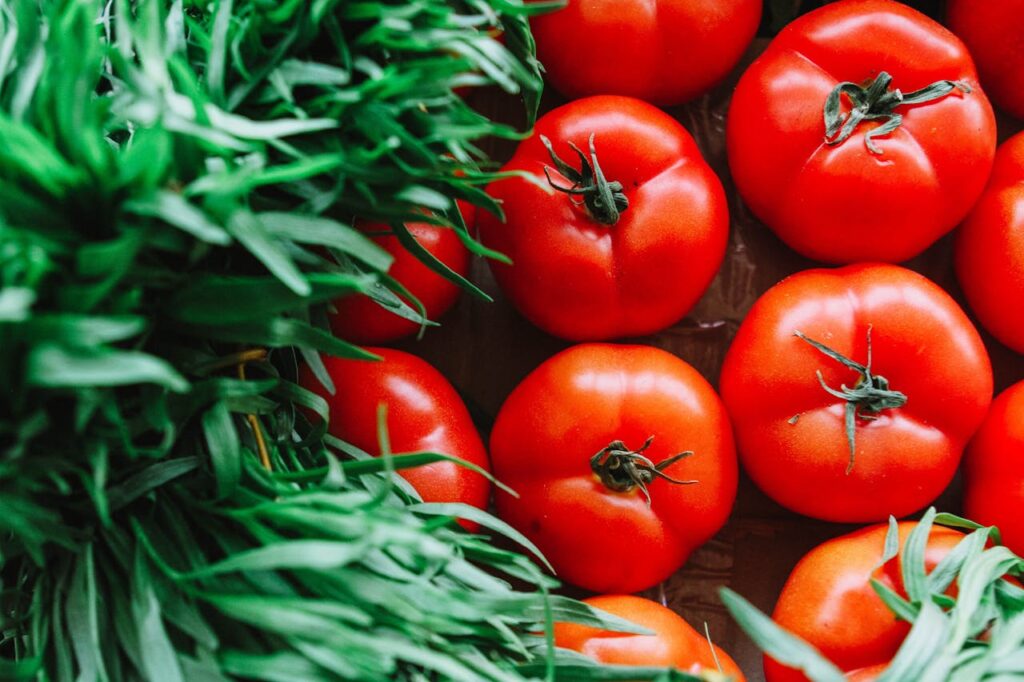
Tomatoes belong to the Solanaceae family, often referred to as the nightshade family. This plant group includes potatoes, eggplants, peppers, and also far more dangerous plants such as deadly nightshade. Many members of this family produce toxic compounds known as glycoalkaloids, which help defend against insects, fungi, and grazing animals that might otherwise destroy the plant before it can reproduce.
In wild plants, these compounds serve as a chemical shield. They can disrupt cell membranes and interfere with normal biological processes in animals that consume them, sometimes leading to nausea, neurological symptoms, or worse if ingested in high amounts. For early observers who understood little about plant chemistry, it made sense to assume that tomatoes might share the same deadly traits as some of their relatives.
According to reporting by Popular Science and ScienceAlert, scientists have long known that unripe green tomatoes contain glycoalkaloids such as tomatine. These compounds can be toxic in high concentrations, particularly when the fruit is still firm and immature. However, ripe red tomatoes contain dramatically lower levels, often so low that they pose no realistic danger in a normal diet. The lingering question was how and why that transformation occurs so reliably.
The mystery deepened because tomatoes clearly evolved alongside animals. If their fruits were truly dangerous at all stages, they would struggle to spread their seeds effectively and maintain their place in the ecosystem. Evolution tends to reward cooperation between fruiting plants and seed dispersers. So why would a plant produce a fruit that harms the very creatures it relies on to carry its genetic legacy forward?
How Ripening Disarms Toxic Compounds
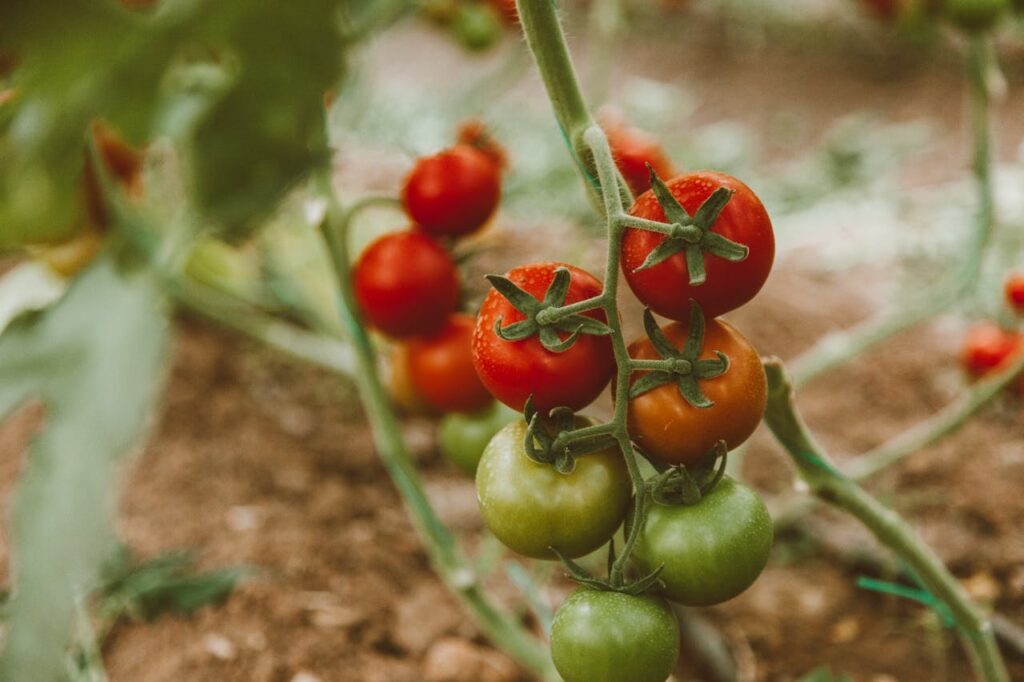
The breakthrough came when researchers examined the molecular changes that occur as tomatoes ripen. During the green stage, glycoalkaloids like tomatine are present at higher levels, acting as a protective barrier. These substances discourage animals from eating the fruit too early, when the seeds inside are still developing and vulnerable to destruction.
As the fruit transitions from green to red, an intricate biochemical process begins to unfold. Enzymes within the tomato actively convert toxic glycoalkaloids into far less harmful compounds through a series of controlled reactions. Scientists identified specific genes that control this transformation, effectively switching the fruit from defensive mode to edible mode at just the right time in its life cycle.
This conversion is not accidental or random. It is a carefully timed evolutionary strategy shaped by millions of years of natural selection. When the seeds are immature, toxicity discourages animals from eating the fruit prematurely. Once the seeds are ready for dispersal, the chemical profile shifts, sugar levels rise, cell walls soften, and the once guarded fruit becomes inviting.
Researchers described this process as a finely tuned balance between protection and attraction. The plant invests in defense when it needs time, then pivots toward seduction when it needs mobility. That elegant switch helps explain why ripe tomatoes are not only safe but actively appealing to animals and humans alike, ensuring both nourishment and successful seed dispersal.
From Poison Apple to Pantry Staple
The scientific explanation sheds light on a much older cultural story. When tomatoes first arrived in Europe in the sixteenth century after being domesticated in the Americas, they were met with deep suspicion and even fear. Their bright red color and membership in the nightshade family made them seem exotic and potentially hazardous to those unfamiliar with them.
Members of the aristocracy who ate tomatoes sometimes became ill, reinforcing the belief that the fruit was toxic. Historical accounts highlighted by National Geographic suggest that the real culprit was not the tomato itself but the pewter plates used by wealthy Europeans. Pewter contained high levels of lead, and the acidity of tomatoes caused lead to leach from the plates into the food, resulting in poisoning that was wrongly attributed to the fruit.
This misunderstanding fueled myths for generations. Tomatoes were dubbed poison apples, and many people avoided them entirely out of caution. In some communities, they were grown as ornamental plants rather than eaten, admired for their appearance but distrusted as food.
Eventually, practical experience overpowered rumor and fear. Farmers, cooks, and everyday families discovered that tomatoes were not only safe but versatile and nutritious. Over time, they moved from garden curiosities to kitchen essentials, forming the backbone of sauces, soups, and salads across continents and reshaping global cuisine in the process.
The Evolutionary Advantage of Being Edible
The discovery about glycoalkaloid conversion also reveals something profound about plant evolution. Fruit bearing plants depend on animals to transport their seeds away from the parent plant, increasing the chances that new plants will grow in less crowded and more resource rich environments. This partnership is one of nature’s most successful survival strategies.
If seeds simply dropped beneath the plant, they would compete for sunlight, water, and nutrients with the very organism that produced them. By making ripe fruit attractive and safe, tomatoes ensure their seeds travel far beyond their original location. Birds, mammals, and humans eat the fruit and later disperse the seeds elsewhere, often in nutrient rich soil.
This relationship benefits both parties in a mutually reinforcing cycle. The consumer gains calories, hydration, and nutrients such as vitamin C and antioxidants. Meanwhile, the plant gains mobility and a greater likelihood of genetic survival across diverse landscapes.
The timing is crucial to this arrangement. If toxicity remained high throughout the fruit’s life cycle, animals would avoid it entirely and seed dispersal would stall. If toxicity were absent from the beginning, immature seeds could be destroyed before they are viable. The ripening process represents a sophisticated compromise, encoded in the tomato’s genome and refined through millions of years of evolutionary fine tuning.
What This Means for Food Science and Agriculture
Beyond satisfying curiosity, this discovery has practical implications for modern agriculture and food science. Understanding how tomatoes regulate toxic compounds could help plant breeders design safer and more resilient crops that balance natural pest resistance with consumer safety.
By identifying the genes involved in detoxifying glycoalkaloids, researchers may be able to enhance desirable traits while minimizing risks. For example, crops could potentially retain protective compounds during early growth stages to deter pests, then reliably reduce those compounds before harvest.
Certain wild tomato relatives contain higher levels of glycoalkaloids that make them naturally resistant to insects and disease. If scientists can precisely control when and how those compounds are reduced, it could improve crop protection strategies without compromising food safety or flavor.
The research may also influence how we think about other members of the nightshade family. Potatoes, for instance, can accumulate harmful glycoalkaloids when exposed to light and turn green. Insights from tomato genetics could guide strategies to manage similar compounds in related crops, demonstrating that even a common salad ingredient can inspire agricultural innovation that extends far beyond a single fruit.
The Science Behind a Simple Slice
Scientists have finally answered a question that lingered quietly for centuries and shaped culinary history in subtle ways. Tomatoes do not kill us because they are biologically designed not to. Through a carefully regulated ripening process, they neutralize their own defensive toxins at precisely the right moment, ensuring both protection and palatability.
What began as a botanical defense mechanism becomes an invitation. The same plant that once guarded its seeds with chemical weapons eventually offers sweetness, color, and nourishment to the animals and humans around it. That transformation is not only safe but essential to the plant’s survival and global success.
The next time you enjoy tomato sauce, a fresh salad, or a simple slice with salt, consider the hidden complexity behind that familiar flavor. Inside every bite lies a story of evolution, agricultural history, scientific persistence, and the gradual triumph of evidence over assumption.
Sometimes the most ordinary foods carry the most extraordinary stories. In the case of the tomato, the truth is far more interesting than the myth, reminding us that even everyday ingredients can reveal the intricate intelligence of nature when we take the time to look closer.