
Your cart is currently empty!
The Woman Who Recorded 30 Years of News Because She Didn’t Trust the Future
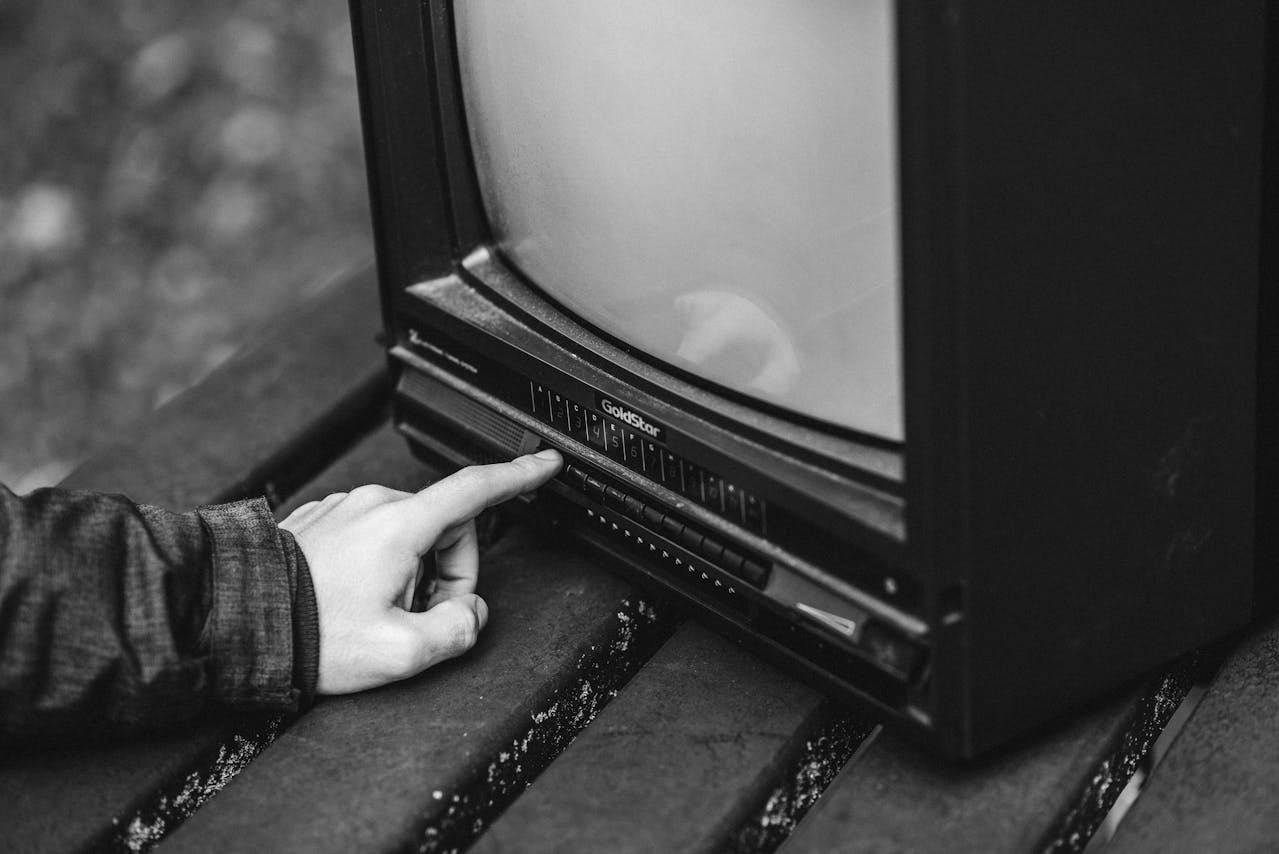
Long before the phrase “fake news” became part of everyday conversation and began dominating headlines, one woman had already started preparing for a future where truth itself might be questioned. She did not write books, hold press conferences, or attempt to build a public following around her concerns. Instead, she quietly pressed record, over and over again, capturing the world as it unfolded in real time.
Contents
show
Her name was Marion Stokes, and while society accelerated into an era of 24 hour news cycles and digital information overload, she made a deliberate and disciplined choice. She would document everything she could. Television broadcasts, breaking news, political debates, global crises, and even routine daily reporting all became part of her personal archive. What seemed unusual, even obsessive at the time, would later be recognized as deeply forward thinking.
According to reporting from The Guardian, Stokes recorded television news continuously for more than 30 years without interruption. She believed that information could be manipulated, reframed, or even erased entirely as time passed. Her response was not loud or confrontational. It was methodical and persistent. Preserve everything exactly as it was presented.
Today, her story feels less like an eccentric personal project and more like a quiet warning that arrived decades too early. In a world where narratives shift rapidly and truth is often debated rather than accepted, her archive stands as a powerful reminder of why preserving original information matters more than ever.
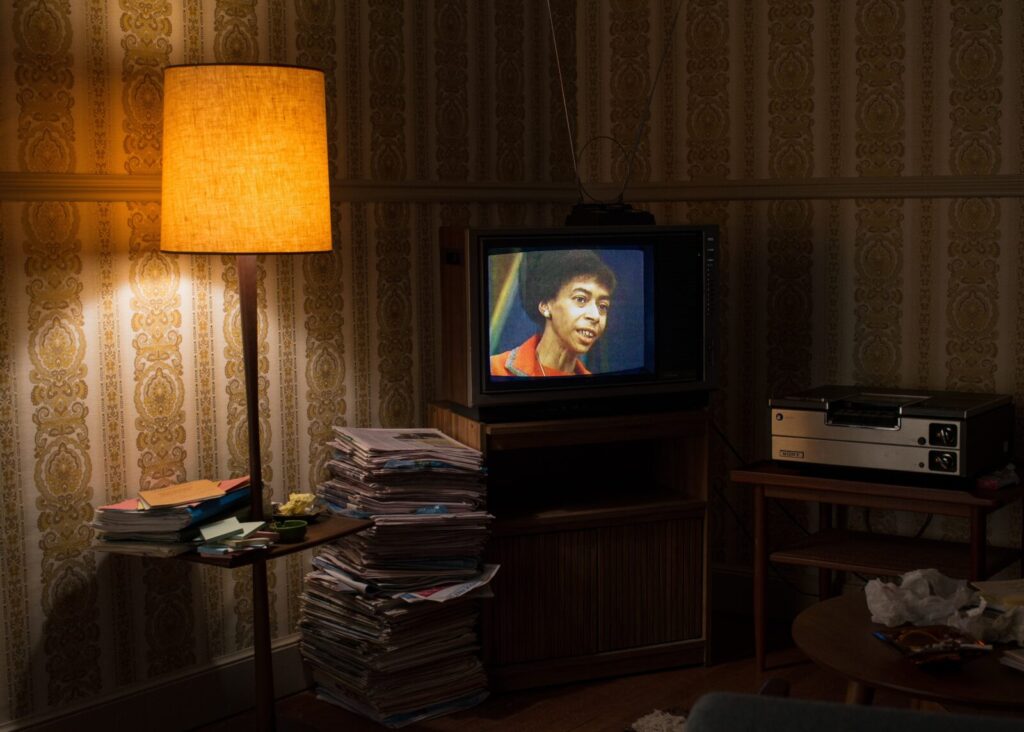
Image courtesy of the artist
A Life Built Around Recording the Truth
Marion Stokes was not always known for her archival work. Earlier in her life, she was deeply involved in civil rights activism and social justice movements. These experiences shaped her understanding of how power, media, and public perception intersect. She saw firsthand how information could influence opinions and drive change, but also how it could be selectively framed.
As television became a dominant force in shaping public discourse, Stokes began paying closer attention to how stories were told. She noticed patterns in tone, framing, and repetition. Certain narratives gained traction while others faded quickly, sometimes without clear reason. This growing awareness sparked a deeper concern about how history might be remembered or misremembered.
Rather than simply criticizing media institutions, Stokes took a different path. She decided to document them. She transformed her home into a recording hub filled with televisions and VHS machines. Tapes were constantly running, capturing multiple channels at once. Her system was carefully maintained to ensure there were no gaps in coverage.
Those who knew her described her as highly disciplined and unwavering in her commitment. Recording was not a casual activity or a passing interest. It became a defining part of her daily life and identity. She believed that future generations would need access to unedited records of how events were presented at the time they happened.
The Scale of an Unimaginable Archive
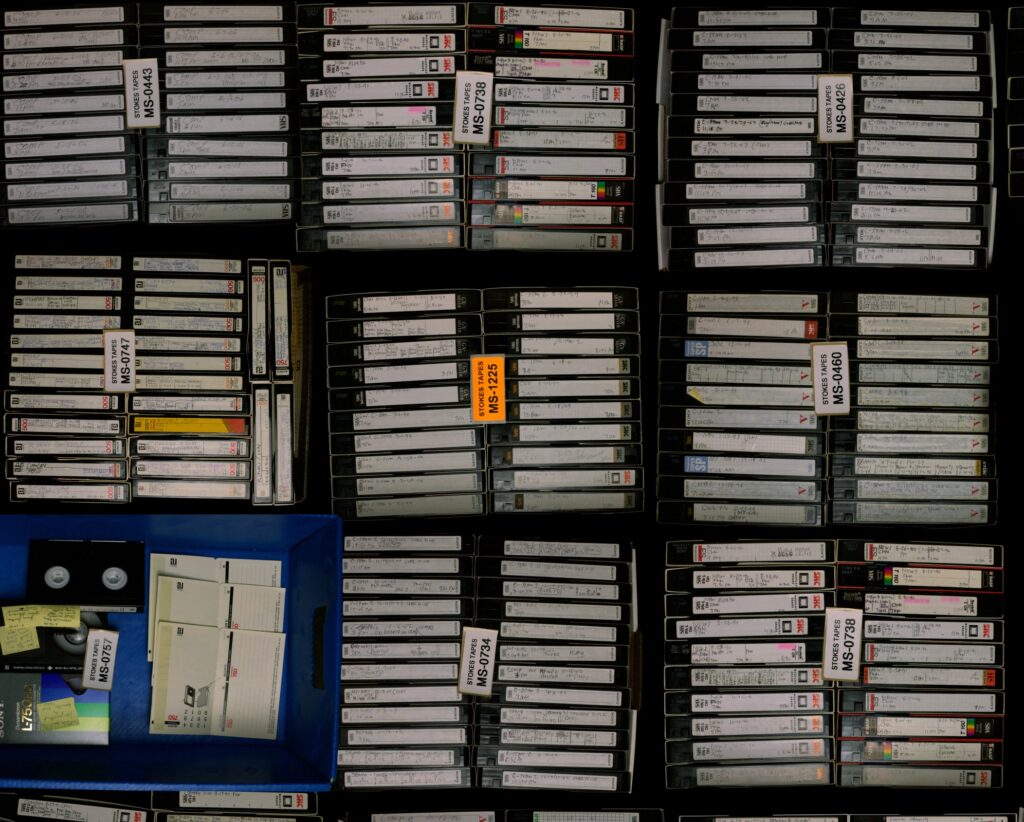
Over three decades, Marion Stokes created an archive of extraordinary size and depth. Tens of thousands of VHS tapes filled her living spaces, carefully stored and organized to preserve years of continuous broadcasting. Each tape represented a slice of time, captured exactly as it appeared on television screens.
According to the BBC, she consistently upgraded her equipment to keep pace with technological changes. When one system became outdated, she replaced it with a more reliable one. She ensured that recording never stopped, even as formats and devices evolved. This adaptability allowed her project to continue seamlessly across generations of media technology.
The sheer volume of her archive is staggering. Estimates suggest she recorded more than 70,000 tapes, covering everything from major global events to ordinary daily news cycles. Unlike curated collections, her archive was comprehensive. She did not filter or prioritize. Everything was considered worth preserving.
This completeness is what gives her archive its unique value today. It allows researchers and historians to trace how stories developed over time, how narratives shifted, and how certain details were emphasized or omitted. It is not just a record of events. It is a record of how those events were communicated to the public.
Why She Believed the Future Would Need It
Marion Stokes was deeply concerned about the long term reliability of information. She believed that media organizations, whether intentionally or not, could alter how stories were remembered. Edits, retractions, and reinterpretations could gradually reshape public understanding of past events.
At the time, her concerns may have seemed extreme or overly cautious. The idea that news itself could become widely disputed was not yet part of mainstream conversation. However, she recognized early signs of fragmentation in how information was distributed and consumed.
Stokes saw her recordings as a safeguard against this uncertainty. By preserving broadcasts in their original form, she ensured there would always be a reference point. People could revisit what was actually said and shown, rather than relying solely on later summaries or interpretations.
In many ways, she anticipated the challenges of today’s media landscape. Her archive was not just about documenting history. It was about protecting the integrity of that history. She understood that truth is not only about events themselves, but also about how those events are presented to the world.
From Private Obsession to Public Treasure
When Marion Stokes passed away in 2012, her vast collection of tapes could have easily been overlooked or discarded. The scale of the archive made it difficult to manage, and without proper preservation, it risked being lost entirely. For many, the task of saving it would have seemed overwhelming.
However, her work did not end with her passing. The Internet Archive, a nonprofit digital library dedicated to preserving knowledge, recognized the historical significance of her collection. They undertook the enormous responsibility of digitizing her recordings and making them accessible to the public.
The process was complex and time intensive. Each VHS tape had to be carefully converted into a digital format, cataloged, and stored in a way that allowed for easy access. This required both technical expertise and long term commitment.
The result is an extraordinary public resource. What began as a private mission has become a shared archive that benefits researchers, journalists, and anyone interested in understanding how media narratives evolve. It stands as a testament to the lasting impact one individual can have.
The Relevance of Her Work in Today’s World
In today’s media environment, the term “fake news” is used frequently and often contentiously. Information spreads at unprecedented speed, particularly through social media platforms. As a result, distinguishing between fact, opinion, and misinformation can be increasingly challenging.
Marion Stokes’ archive offers something rare and valuable in this context. It provides access to original broadcasts, allowing people to step outside of modern reinterpretations and examine how events were reported at the time. This creates an opportunity for more informed comparisons and deeper understanding.
Her story also encourages reflection on our own media habits. Many people rely on short clips, headlines, or summaries to stay informed. While convenient, these formats can lack important context. Stokes believed that access to complete and unedited information was essential for forming accurate perspectives.
In a digital age where content can be edited, deleted, or altered, her analog recordings represent a form of permanence. They remind us that preserving information is not just about saving data. It is about maintaining trust and accountability over time.
A Legacy That Speaks Louder Than Ever
Marion Stokes lived much of her life outside of public recognition. To many, her dedication to recording television news around the clock seemed unusual and difficult to understand. Yet, with the passage of time, the true significance of her work has become increasingly clear.
Her archive now serves as a powerful tool for reflection and analysis. It allows us to revisit the past with clarity and examine how narratives were shaped. In doing so, it provides valuable insight into the relationship between media and public perception.
Her story reminds us that preserving truth requires effort, discipline, and a willingness to think beyond the present moment. It is not always a visible or celebrated task, but its importance can grow over time in ways that are difficult to predict.
As we navigate an era defined by rapid information exchange and competing narratives, Marion Stokes’ legacy offers a simple yet profound message. Truth matters, and preserving it may be one of the most important responsibilities we share.
Sources
- Recorder: The Marion Stokes Project. (n.d.). https://recorderfilm.com/