
Your cart is currently empty!
Thomas Massie Warns He May Reveal Hidden Names in Epstein Files
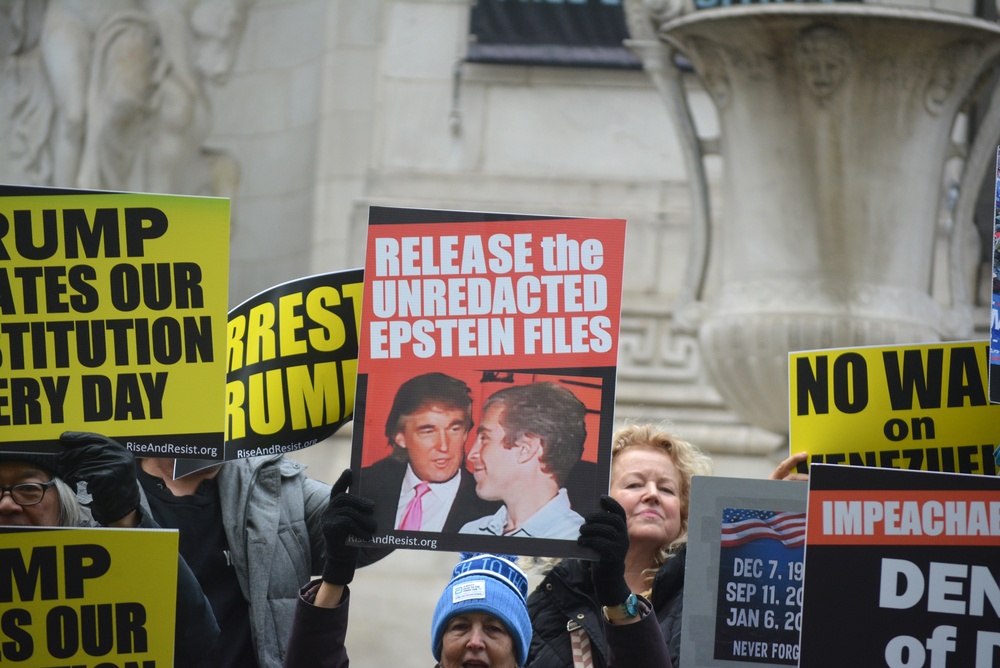
The long shadow of Jeffrey Epstein continues to stretch across American politics, the justice system, and public trust in government transparency. Years after the financier and convicted sex offender died in federal custody while awaiting trial on sex trafficking charges, the demand for accountability has not faded. Instead, it has intensified as lawmakers review millions of pages of documents tied to Epstein’s network of associates, business partners, and alleged co-conspirators.
Contents
show
In recent weeks, that pressure has reached a new level. Representative Thomas Massie of Kentucky, a Republican, has warned that he is prepared to publicly read the names of individuals he believes were improperly hidden in the Epstein files if the Department of Justice does not release them. The warning follows a bipartisan effort by Massie and Democratic Representative Ro Khanna of California to push for full transparency in the records related to Epstein’s activities.
Their claims have reignited a national debate about secrecy, accountability, and whether powerful individuals may still be shielded by redactions inside the massive archive of documents. For survivors, advocates, and many lawmakers, the issue is not only about who appears in the files. It is about whether the public will ever receive a full accounting of a scandal that involved wealth, influence, and alleged abuse on a global scale.
A Bipartisan Push For Transparency
The latest controversy began when members of Congress were given limited access to review what were described as unredacted versions of the Epstein files inside the Department of Justice. Lawmakers were allowed to examine the material in a controlled setting. Phones and staff were not permitted inside the room, and only four computers were available to access the documents.
Massie and Khanna, who helped sponsor legislation requiring the release of the Epstein records, spent roughly two hours reviewing the material. According to both lawmakers, it did not take long to discover troubling patterns in the way the documents were prepared.
Massie told reporters that during that short review he and Khanna identified at least six names that appeared to have been redacted despite being potentially incriminating in context. He said the presence of these names raised serious concerns about whether the government had gone beyond the narrow redactions permitted under the law.
The law passed by Congress allowed redactions primarily to protect the identities of victims or to safeguard active criminal investigations. However, lawmakers who examined the documents claim that some redactions did not fit either category.
Khanna described the discovery as evidence that important information may still be hidden from the public. He said the bipartisan nature of the investigation should make it clear that the issue is not about partisan politics but about ensuring accountability.
The cooperation between Massie and Khanna has become a notable aspect of the story. In a political climate often marked by sharp divisions, the two lawmakers have repeatedly emphasized that transparency in the Epstein case should be pursued regardless of party affiliation.
The Names That Sparked A Political Storm
The situation escalated further when Khanna publicly identified six individuals he said were among the names concealed in the documents. He released the names during remarks protected by congressional privilege, which shields lawmakers from defamation claims when speaking on the House floor.
According to Khanna, the individuals include Salvatore Nuara, Zurab Mikeladze, Leonic Leonov, Nicola Caputo, Sultan Ahmed Bin Sulayem, and Leslie Wexner. Several of the names are associated with wealth and international business circles.
Wexner, the billionaire founder of Victoria’s Secret, has long faced scrutiny because of his past relationship with Epstein. Investigations by journalists have documented financial ties between the two men, including a period when Epstein managed significant portions of Wexner’s fortune. Wexner has previously stated that he severed ties with Epstein after discovering alleged misconduct.
Another name, Sultan Ahmed Bin Sulayem, is a businessman from Dubai whose communications with Epstein have been reported in past media coverage. Khanna’s statement suggested that the presence of these names in the documents raised questions about why they had been concealed in the first place.
Massie has taken a more cautious approach regarding the release of names. While acknowledging the existence of individuals whose identities were redacted, he has said he would prefer the Justice Department to correct the issue itself.
Still, the Kentucky congressman has made it clear that patience has limits. If federal officials fail to release the names that he believes should be public, Massie has said he is prepared to read them into the congressional record.
Such an action would instantly place the names in the public domain and likely trigger intense scrutiny of those individuals.
Questions Surrounding The Department Of Justice

The debate over the Epstein files has increasingly centered on the role of the Department of Justice and how it handled the massive trove of documents.
The Justice Department released millions of pages of material related to Epstein earlier this year. However, critics say the release missed deadlines set by Congress and contained unexplained redactions.
During congressional hearings, Massie confronted Attorney General Pam Bondi about what he described as part of a decades long pattern of secrecy surrounding the Epstein investigation.
Bondi pushed back during the exchange, asking why Massie had not raised similar concerns with previous administrations. Massie responded that the problem extended across multiple presidencies, including those of Barack Obama, George W. Bush, and Joe Biden.
According to Massie, the current administration is responsible for addressing the portion of the issue that exists today. His comments suggested that the problem of incomplete transparency has persisted for years regardless of which party controlled the White House.
The Justice Department has defended its review process, saying that its work on the Epstein case has been thorough and that the release of documents was conducted carefully. Officials also note that some documents may have arrived already redacted from other sources such as the FBI or grand jury proceedings.
Still, lawmakers from both parties say the explanations have not fully resolved their concerns.
The Scale Of The Epstein Archive
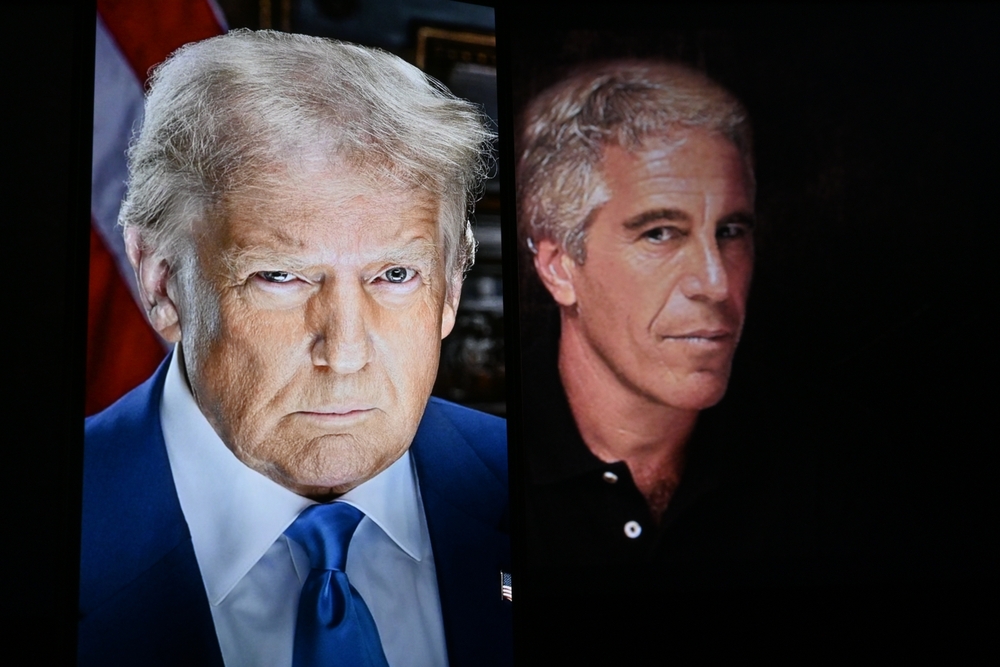
Part of the challenge in evaluating the Epstein files lies in their enormous size. Lawmakers say the archive includes millions of pages of documents, emails, photographs, interview summaries, and investigative records.
Representative Jamie Raskin estimated that it could take lawmakers more than seven years to review every page if all available computers were used continuously during the limited hours the documents are accessible.
Some of the documents include FBI forms summarizing interviews with witnesses, victims, and suspects. These forms, known as 302 reports, often play a crucial role in criminal investigations because they capture details from conversations that may not appear elsewhere in the record.
Massie has expressed disappointment that some of these forms were not fully unredacted when he reviewed the files. Without complete versions of those documents, he argues, it becomes difficult to understand the full context of the investigation.
Another concern raised by lawmakers involves the possibility that certain documents were delivered to the Justice Department already redacted by the FBI or by grand jury processes. If that occurred, it could mean that the review team did not have full access to the original material despite the law requiring it.
These complications highlight how complex the Epstein case remains even years after his death.
The Political Impact Of The Epstein Scandal
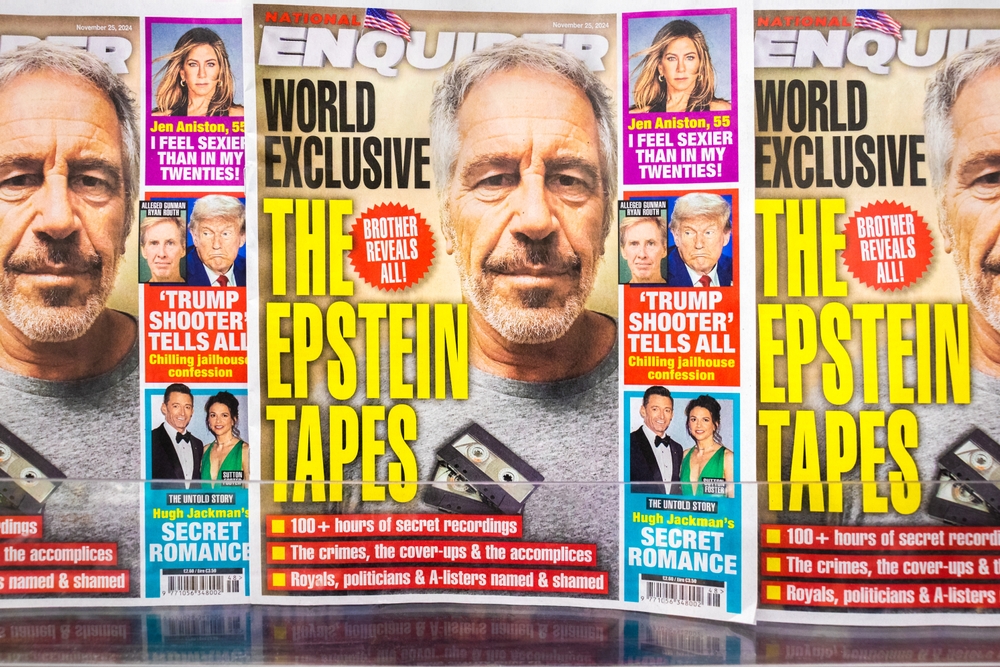
The Epstein investigation has touched figures across politics, finance, and international society. Because of that wide reach, every new revelation tends to trigger political repercussions.
Former President Donald Trump’s name appears numerous times in the files in different contexts. Trump has consistently denied any wrongdoing or involvement in Epstein’s crimes, and authorities have never charged him with any offense related to the case.
According to some accounts in the documents, Trump’s lawyers corresponded with Epstein’s legal team in 2009 regarding Epstein’s visits to Mar a Lago. One email summarized Trump’s claim that Epstein had been a guest at the club but was not a member.
Trump has said in the past that he eventually banned Epstein from the property after disputes involving employees at the club’s spa. The White House has maintained that the former president cut ties with Epstein long before the most serious allegations became public.
Even so, the appearance of political figures in the documents has fueled continued public interest and speculation.
The scandal has also produced pressure on other officials. Commerce Secretary Howard Lutnick, for example, has faced calls for resignation after communications revealed ties between him and Epstein. Lutnick acknowledged during Senate testimony that he once had lunch with Epstein on the financier’s private island, a location that later became infamous because of allegations of abuse.
Such connections have intensified demands for full transparency about everyone who interacted with Epstein during the years when his trafficking network allegedly operated.
Survivors And The Demand For Accountability
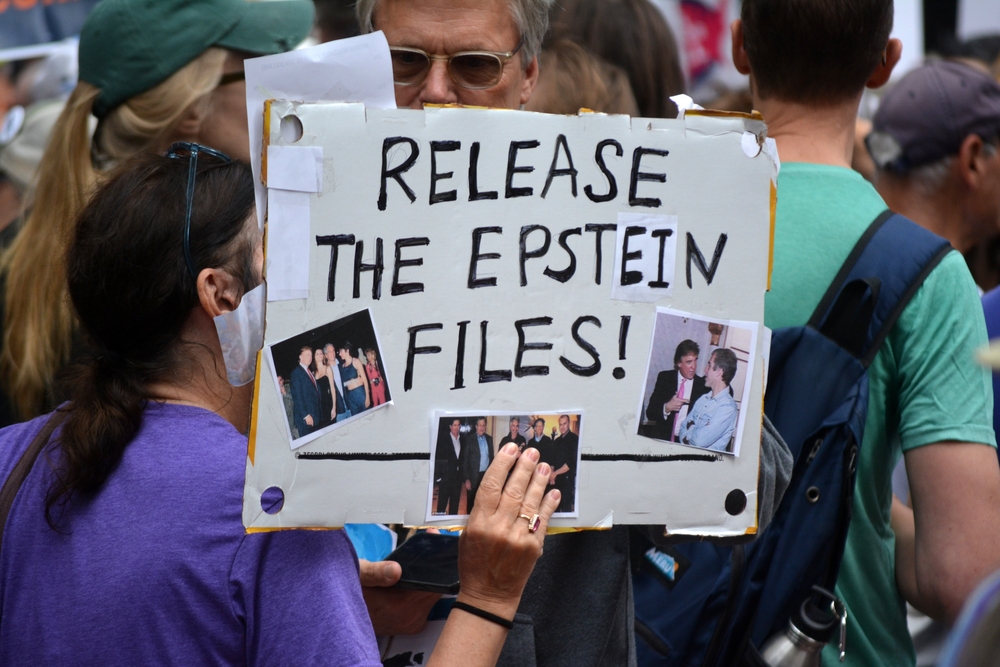
For survivors of Epstein’s abuse, the release of documents is not merely a political issue. It is a matter of justice and recognition after years in which many victims felt ignored or silenced.
Advocates argue that the Epstein case represents a broader failure of institutions to confront abuse when powerful individuals are involved. Many victims came forward decades after the alleged crimes occurred, only to face legal barriers such as statutes of limitations.
In response, lawmakers have proposed new legislation aimed at expanding the ability of survivors to seek justice. Senate Minority Leader Chuck Schumer recently introduced a bill that would eliminate certain statutes of limitations for sexual offenses.
The proposed measure is named after Virginia Giuffre, one of Epstein’s most prominent accusers, who died in 2025. Supporters of the bill say it reflects a belief that justice should not expire simply because time has passed.
Survivors have also pushed for greater transparency in the Epstein files. Some appeared in public campaigns calling on federal officials to release all remaining documents.
Their message is simple. The public deserves to know who participated in or enabled Epstein’s network.
The Debate Over Redactions

At the center of the current controversy is a technical but critical issue: how and why names were redacted in the files.
Under the Epstein Files Transparency Act, redactions were supposed to be limited primarily to protecting victims. However, lawmakers who examined the documents say that some redactions appear to hide individuals who were not victims.
Representative Raskin said he saw numerous examples in which names were blacked out even though the context suggested they belonged to individuals involved in the events being described.
Massie and Khanna also described cases where the name and photograph of an alleged conspirator were redacted in an FBI document that listed individuals connected to Epstein’s operations.
In another example, lawmakers noted an email from a person thanking Epstein for a “fun night” and referring to a “littlest girl” being naughty. The sender’s name was redacted, and Massie said it appeared to be a woman. Whether the redaction was appropriate remains unclear.
These examples have intensified concerns that the government’s review process may have been overly cautious or inconsistent.
What Happens If The Names Are Released
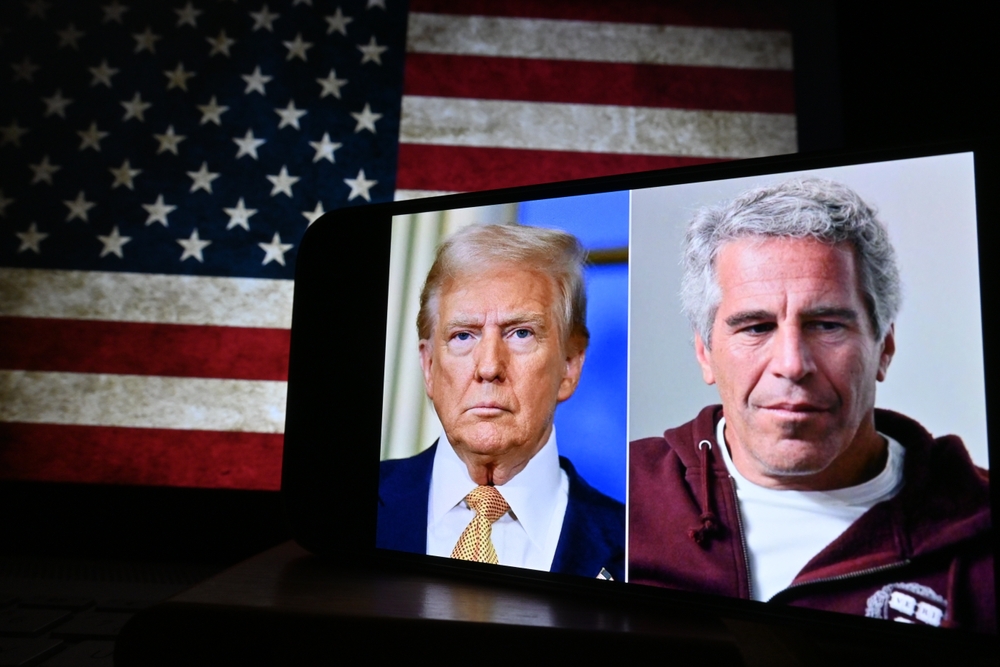
Massie’s warning that he may publicly read names in Congress has added urgency to the situation.
If that happens, the names would enter the congressional record and become widely reported by media organizations. That could lead to investigations, legal challenges, or renewed scrutiny of individuals linked to Epstein.
However, lawmakers have also cautioned that appearing in the files does not automatically prove wrongdoing. The documents include references to many people who may have interacted with Epstein in different contexts, some of which may have been entirely innocent.
Khanna has emphasized that the goal is not to create a witch hunt but to ensure that anyone who knowingly participated in crimes involving underage girls is held accountable.
The challenge will be distinguishing between individuals who were merely acquaintances of Epstein and those who may have been directly involved in abuse or trafficking.
A Scandal That Refuses To Fade
More than a decade after Epstein first pleaded guilty to charges related to prostitution involving a minor, the case continues to expose uncomfortable truths about power and influence.
Epstein’s death in a Manhattan jail in 2019 ended the possibility of a trial that might have revealed the full extent of his network. Investigators ruled the death a suicide, but the circumstances fueled public suspicion and conspiracy theories that continue to circulate today.
Since then, the legal system has pursued some accountability through the prosecution of Ghislaine Maxwell, Epstein’s longtime associate, who was convicted of sex trafficking and sentenced to twenty years in prison.
Yet many observers believe that the larger story remains incomplete.
The ongoing dispute over the Epstein files reflects that sense of unfinished business. Each new revelation revives questions about who knew what, who participated, and why it took so long for authorities to confront the scope of the alleged crimes.
For lawmakers like Massie and Khanna, the fight over redactions represents the latest chapter in a broader struggle for transparency.
Whether the Justice Department ultimately releases the disputed names or Congress forces the issue, the controversy surrounding the Epstein files is unlikely to disappear soon.
The public appetite for answers remains strong, and the political stakes continue to rise as more information slowly emerges from one of the most disturbing scandals in modern American history.