
Your cart is currently empty!
Thousands of Emails Are Raising a Chilling Question About Jeffrey Epstein’s True Role
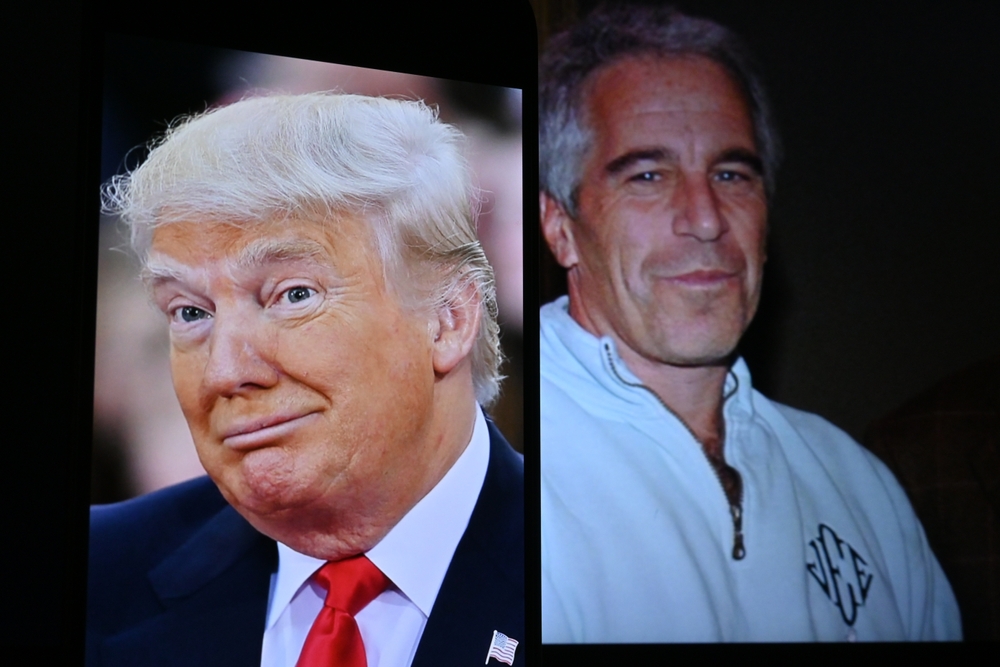
Few figures in modern history have left behind as much confusion, anger, and unresolved suspicion as Jeffrey Epstein. Even years after his arrest, disgrace, and death inside a New York jail cell, his name continues to resurface in newly released documents that deepen rather than resolve the mystery of how one man embedded himself so deeply among presidents, royalty, billionaires, and intelligence-adjacent circles. What initially appeared to be the story of a wealthy sexual predator exploiting his money and connections has slowly evolved into something far more complex, with each new disclosure suggesting that Epstein’s reach extended well beyond personal vice or financial opportunism.
Contents
show
The latest release of internal emails and communications has reignited one of the most disturbing questions surrounding the Epstein case. Who was he really working for. Buried among millions of records are thousands of references to Russia, Moscow, and Russian President Vladimir Putin, raising fresh speculation that Epstein’s activities may have intersected with state power, intelligence interests, and global influence operations. According to intelligence sources cited in reporting, the scope and structure of Epstein’s network have led some to believe it may have functioned as what one source described in stark terms as “the world’s largest honeytrap operation.”

A massive document release that deepens suspicion
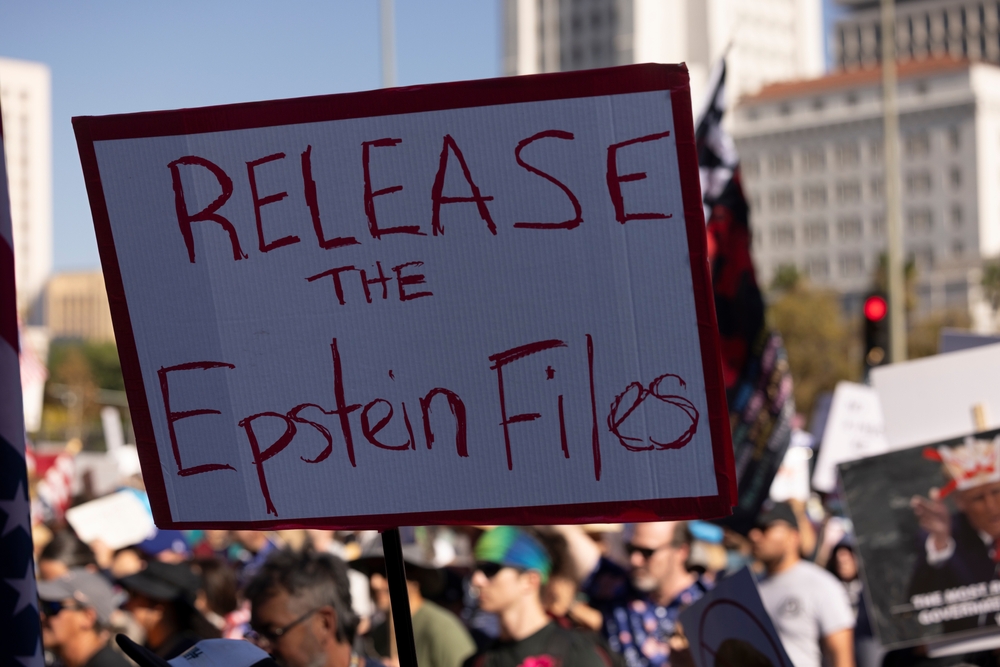
The newest tranche of Epstein-related files released by the US justice department is enormous, totaling more than three million documents that span years of correspondence, scheduling, and private exchanges. Among these records, the name “Putin” appears more than 1,000 times, while references to Moscow approach 10,000. While many mentions are indirect, contextual, or part of forwarded materials, the sheer frequency has raised alarm among analysts who expected Epstein’s international dealings to diminish after his 2008 conviction for engaging a child in prostitution.
Instead, the documents suggest the opposite occurred. Epstein appears to have remained deeply engaged in elite political and financial discussions long after his criminal history was publicly known. Emails show him continuing to communicate with diplomats, heads of state, and powerful intermediaries, often presenting himself as someone capable of advising on global finance, foreign investment, and geopolitical strategy. These were not occasional messages sent in passing, but sustained efforts that spanned nearly a decade.
It is important to note that inclusion in the files does not imply wrongdoing by those named. Many individuals appear simply because their names were discussed or forwarded in news summaries. Still, Epstein’s repeated attempts to position himself as a bridge between Western elites and Russian leadership raise uncomfortable questions about why he believed he had such value, and whether that belief was grounded in more than arrogance.
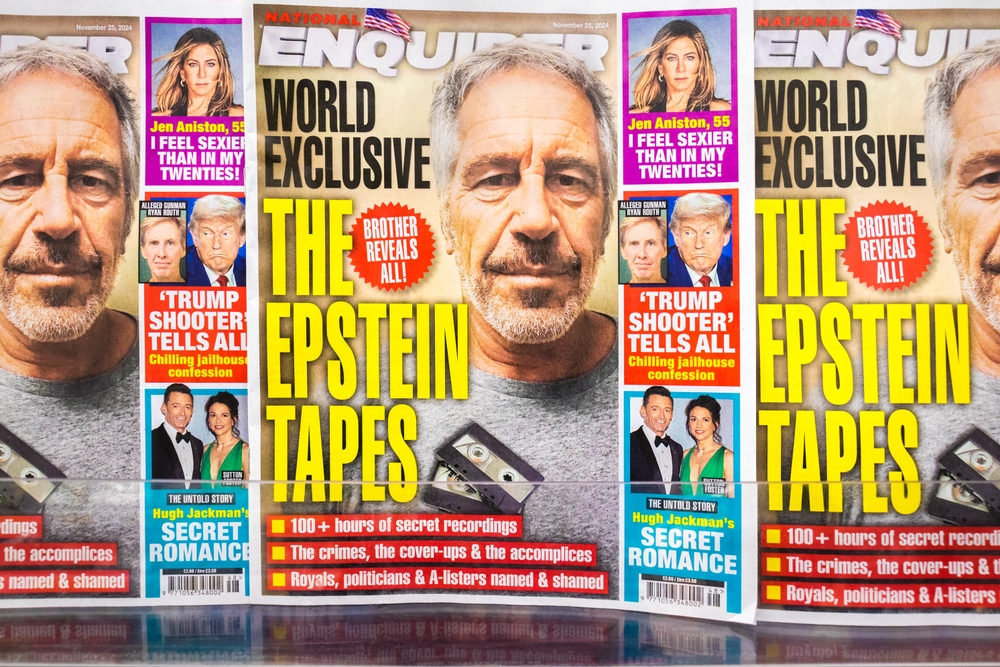
Epstein’s fixation on securing a meeting with Putin
One of the most consistent patterns across the newly released emails is Epstein’s repeated effort to arrange a private meeting with Vladimir Putin. From at least 2010 through 2018, Epstein discussed Russian visas, travel logistics, intermediaries, and potential meeting dates, often writing as though such an encounter was expected rather than speculative.
In a 2010 message, Epstein asked an unnamed contact, “do i need to get visa, ? I have a friend of putin,s should i ask him?” A year later, an email dated September 11, 2011, discussed plans for an “appointment with Putin” during an upcoming trip to Russia. Another message elaborated further, stating, “Spoke with Igor. He said last time you were in Palm Beach, you told him you had an appointment with Putin on Sept 16 and that he could go ahead and book his ticket to Russia to arrive a few days before you.”
Epstein later claimed to have rejected one proposed meeting due to insufficient privacy, writing, “Putin asked that i meet him in st petersburg the same time as his economic conference I told him no. If he wants to meet he will need to set aside real time and privacy lets see what happens.” Whether these meetings ever took place remains unclear, but the persistence of Epstein’s claims has fueled speculation that his relationship with Russian leadership may have been more substantial than publicly acknowledged.
Emails that suggest confidence rather than desperation
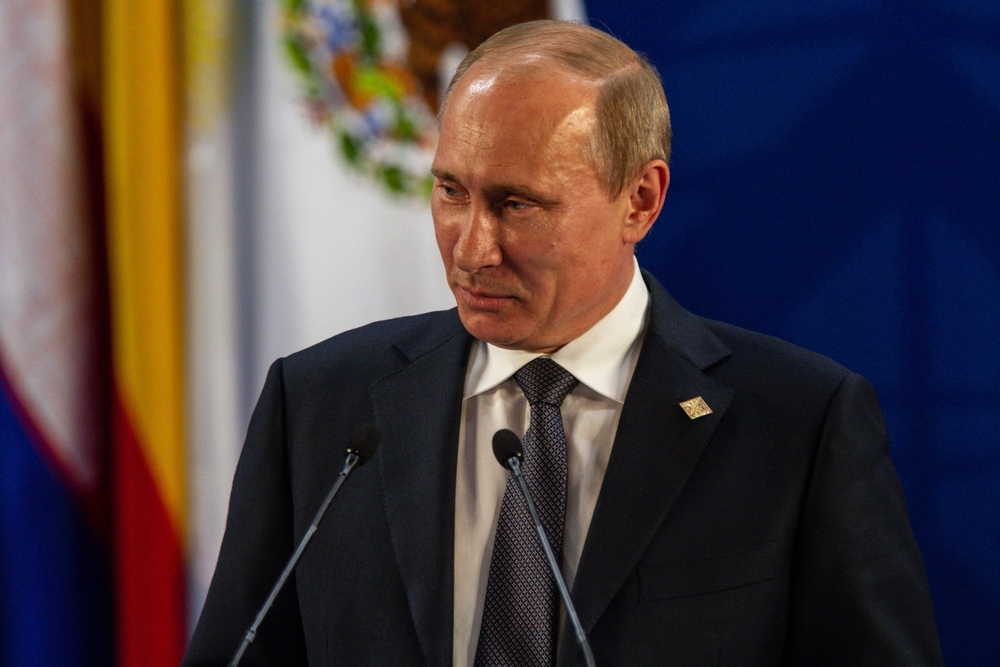
What stands out most in Epstein’s correspondence is not the tone of a disgraced man attempting to rebuild relevance, but one of confidence and entitlement. In May 2013, Epstein emailed Council of Europe secretary general Thorbjorn Jagland offering to help Putin and Russia “reinvent the financial system,” language that implied a level of access and authority few private citizens could credibly claim.
That same month, Epstein told former Israeli prime minister Ehud Barak that Putin had attempted to arrange a meeting with him, again framing himself as the party setting conditions. A subsequent 2014 email from Japanese entrepreneur Joi Ito reinforced Epstein’s apparent proximity to these discussions. Ito wrote, “Hey Jeffrey, I wasn’t able to convince Reid to change his schedule to go meet Putin with you.” Epstein replied soon after, “Bad idea now after plane crash,” referring to the downing of Malaysia Airlines Flight MH17.
In another exchange, Epstein boasted of his influence over Russian diplomats, writing about the late UN ambassador Vitaly Churkin, “Churkin was great. He understood trump after our conversations. it is not complex. he must be seen to get something its that simple.” Such statements have intensified questions about why Epstein believed he was positioned to interpret and shape relations between global powers.
Allegations of honeytraps and intelligence entanglements
The most explosive interpretation of the documents centers on the idea that Epstein’s trafficking operation may have doubled as an intelligence-gathering or influence mechanism. Intelligence sources cited in reporting allege that Epstein maintained longstanding ties to Russian organized crime figures and was monitored by US security agencies for years due to concerns about his foreign connections.
Some officials believe Epstein may have been both compromised and useful, vulnerable to blackmail while simultaneously collecting compromising material on others. The honeytrap model, which uses sexual encounters to gain leverage over powerful individuals, has been a documented intelligence tactic for decades. Epstein’s unparalleled access to politicians, royalty, financiers, and technology leaders has made the scale of his operation particularly troubling.
One source summarized the concern bluntly, saying, “It’s the world’s largest honeytrap operation.” While no definitive proof has emerged linking Epstein directly to Russian intelligence agencies, the convergence of sex trafficking, geopolitical access, and financial power has made such theories impossible to dismiss outright.
Ghislaine Maxwell and a shadowy family legacy
Any examination of Epstein’s network inevitably leads to Ghislaine Maxwell, his longtime associate and now convicted accomplice. Maxwell’s family history has added further intrigue to theories involving intelligence services and foreign influence.
Her father, the late media tycoon Robert Maxwell, was widely reported to have acted as a Soviet asset in the 1970s and later assisted Israeli intelligence agency Mossad in operations involving Jewish emigration from the Soviet Union to Israel. His death in 1991, when his body was found floating in the Atlantic after falling from his yacht, the Lady Ghislaine, has been the subject of conspiracy theories for decades.
According to reporting, Epstein may have been introduced to intelligence-adjacent circles through Maxwell’s connections, inheriting not just social access but a methodology rooted in secrecy, leverage, and control. While these links remain circumstantial, they form part of a pattern that continues to unsettle investigators and analysts alike.
Powerful names and global consequences
The Epstein files reference an extraordinary number of influential figures, including royalty, former presidents, and some of the most powerful executives in the world. All those named deny any knowledge of Epstein’s abuse and maintain that any interactions were professional or social in nature.
US security officials have said Epstein’s ties to Russia were monitored for years, while British intelligence reportedly raised alarms about his relationship with Prince Andrew. One intelligence source pointed to the sheer number of people placed in potentially compromising situations as evidence that Epstein’s true value lay not in money, but in access.
The documents also show Epstein continuing his outreach amid major geopolitical crises, including Russia’s annexation of Crimea and rising tensions with the West. In one 2014 email following Ukraine’s Maidan Revolution, Epstein wrote that the upheaval “should provide many opportunities,” a remark that has drawn particular scrutiny.
What remains unproven and deeply unsettling
There is no confirmed evidence that Jeffrey Epstein ever met Vladimir Putin, nor proof that he formally acted on behalf of any government. Many references in the files are indirect or contextual rather than operational, and those distinctions matter in a case so prone to speculation.
However, the documents challenge the idea of Epstein as merely a rogue predator acting alone. They depict a man who consistently placed himself near centers of power, spoke fluently in the language of diplomacy and finance, and behaved as though he possessed leverage far beyond his public standing.
Epstein’s death in August 2019, ruled a suicide, ensured that many of these questions would never be tested in court. What remains are emails, fragments, and patterns that suggest a reality far more complex than the one originally presented to the public.
A disturbing takeaway
The Epstein files underscore an uncomfortable truth about power and abuse. Systems built on secrecy, influence, and access are uniquely vulnerable to exploitation. Whether Epstein was a manipulator, an asset, or both, his ability to operate for decades reveals systemic failures that extend far beyond one individual.
As long as those systems remain intact, the questions raised by these emails will persist. Not only who Epstein was, but why he was allowed to become what he did, and who ultimately benefited from his reach.
elite power networks, Epstein emails, Epstein files, geopolitical influence, Ghislaine Maxwell, global conspiracy, global elites, honeytrap operation, intelligence agencies, international scandal, Jeffrey Epstein, kompromat, political corruption, power and secrecy, Robert Maxwell, Russia intelligence, Russian organized crime, sex trafficking investigation, Vladimir Putin