
Your cart is currently empty!
Humans Can’t Hear It, but Rats Giggle With Ultrasonic Joy When Tickled

Most people instinctively recoil at the sight of a rat, picturing a scruffy survivalist scavenging for scraps. However, biology suggests that these clever rodents are far more affectionate and joyful than their grim reputation implies. New research has uncovered a fascinating side to rat behavior, one where complex brain circuitry lights up not for food or survival, but for the simple pleasure of a tickle. This unexpected capacity for fun is forcing a reconsideration of the deep evolutionary roots of laughter and what it actually means to play.
Contents
show
The Ticklish Rat
Play was once thought to be a rare trait in the wild, reserved mostly for puppies, kittens, and human children. But recent observations suggest that enjoying a bit of fun is far more universal. From bees and turtles to marsupials, the instinct to engage in social amusement appears across the animal kingdom. Among the most surprising members of this club are rats, who have shown scientists that they are not only capable of playing games like hide-and-seek but are also genuinely ticklish.
When researchers in Germany spent time tickling the bellies and backs of young rodents, they discovered something remarkable. The rats responded with distinct, high-pitched vocalizations. These sounds are essentially giggles, though they happen at ultrasonic frequencies that human ears cannot pick up on their own. To hear this rodent laughter, scientists use special microphones that lower the pitch to an audible register.

This behavior challenges the old assumption that play is just a trivial way to pass the time. Michael Brecht, a neuroscientist at Humboldt-University in Berlin, points out that dismissing these actions is a mistake. “People often think that play behaviours are childish and simple, but that assumption is entirely wrong,” Brecht explains. Instead, this laughter serves a serious social function.
Much like children checking for smiles during roughhousing to ensure everyone is still having fun, rats use these sounds to signal that their chasing and wrestling are friendly, not aggressive.
An Ancient Spot for Amusement
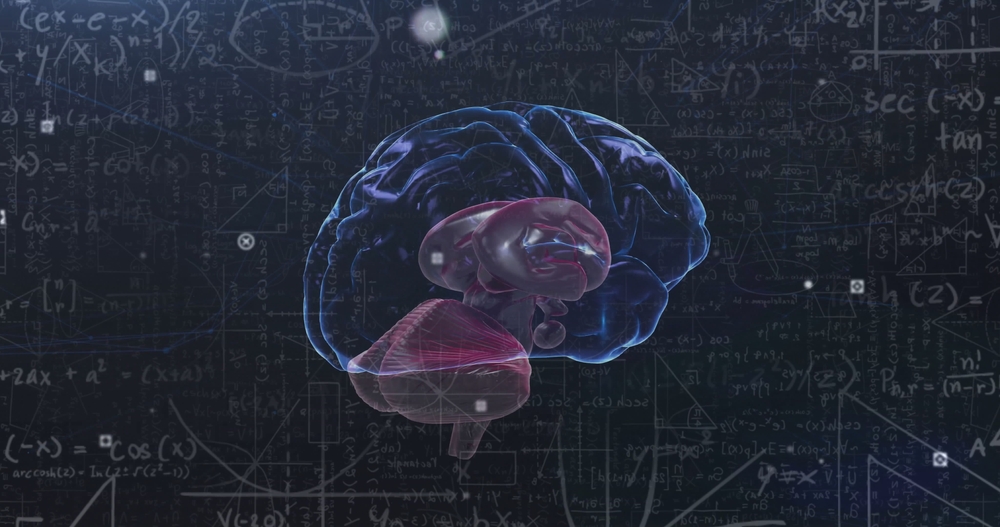
To understand exactly where this joy originates, researchers monitored brain activity while the rats chased hands and received belly rubs. The imaging highlighted a specific region in the midbrain known as the periaqueductal gray, or PAG. This structure is one of the most ancient parts of the anatomy, preserved through evolution in mammals, reptiles, fish, and even insects. While the PAG is typically associated with processing pain or responding to threats, it also appears to serve as a central hub for vocalizations and playfulness.
The link between this brain region and behavior became clear through specific experiments. When scientists chemically inhibited the lateral column of the PAG in adolescent rats, the results were drastic. The rats squeaked significantly less when tickled and lost interest in playfully chasing the researcher’s hand.
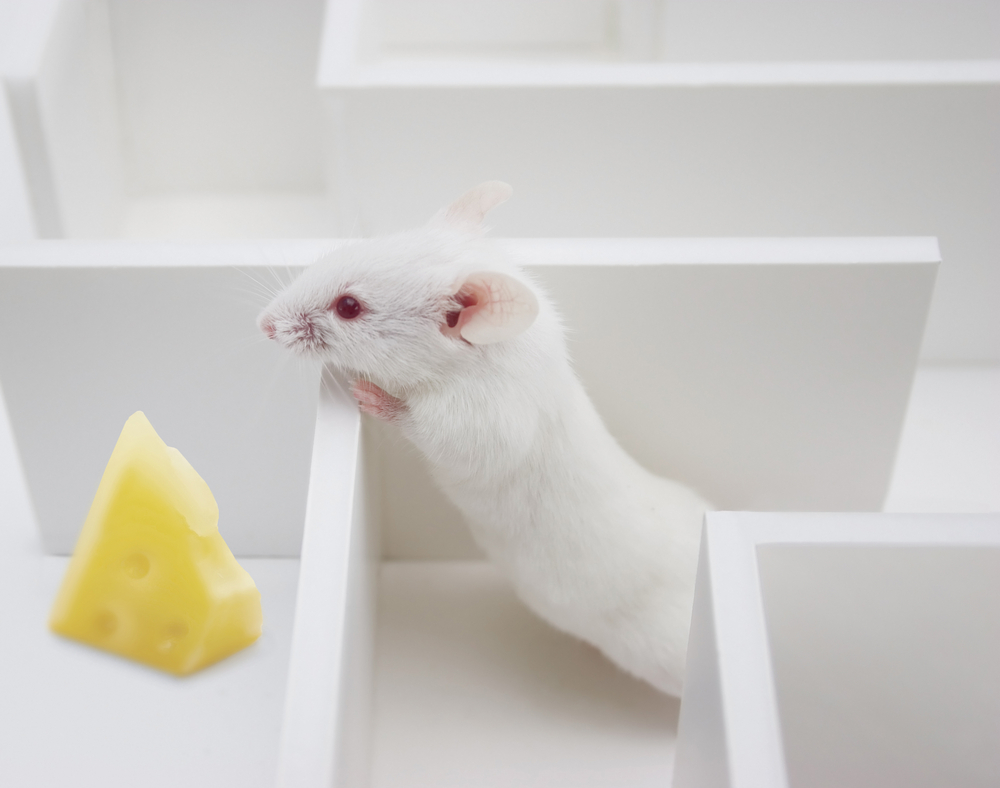
Brecht noted that the behavioral changes were massive, suggesting that a functioning PAG is essential for the sensation of ticklishness and the drive to play. “Our blocking experiments support the idea that a properly functioning PAG is required for play and ticklishness,” the researchers explained.
However, mood dictates how this system works. When the rats were placed in a stressful or unfamiliar environment, their inclination to play vanished. The PAG seems to prioritize immediate survival over amusement. It cannot focus on fun when the animal is preoccupied with a potential fight-or-fight response. This indicates that while the capacity for joy is hardwired into this ancient neural circuit, it requires a sense of safety to fully activate.
The Social Rules of Roughhousing
Not every rat reacts the same way to a tickle. Past studies indicate a strong correlation between how ticklish a rodent is and its general playfulness. Those who are most sensitive to tickling are often the ones most eager to engage in games like chasing or hide-and-seek. This consistent link suggests that for these animals, ticklishness is tied to their personality and social nature.
The ultrasonic squeaks they produce serve a vital purpose beyond just expressing joy. They act as an organizational signal to keep interactions friendly. Michael Brecht compares this dynamic to human behavior, noting, “For example, children check for laughter when they play-fight with each other. If their playmate isn’t laughing anymore, they stop fighting.”
For rats, these high-pitched sounds likely function as a safety mechanism. The vocalization ensures that a wrestling match is interpreted as fun rather than a genuine attack. While the PAG region of the brain acts as the primary switch for this behavior, it does not work alone. The process likely involves a network connecting to memory, emotion, and decision-making. This complexity implies that play is not merely a reflex but a calculated social activity that helps maintain harmony within the group.
Unraveling the Mysteries of Joy

Despite the breakthrough in identifying the “laugh center,” scientists admit there is still much to learn about the biological mechanics of fun. The authors of the study acknowledge that their understanding of the neural control of play is still in its infancy. While the data firmly establishes that the PAG is the control center for this behavior, the specific neural circuits and exactly how play is implemented within them remain a mystery.
Researchers are now looking to expand their scope beyond rodents. A key question is whether this specific brain region plays a similar role in other animal species. Since the PAG is an ancient structure found in mammals, reptiles, and fish, it is possible that this biological mechanism for play is universal across the animal kingdom.
Furthermore, scientists are investigating the long-term benefits of these interactions. They aim to determine if momentary bouts of amusement can actually help the brain grow stronger or more resilient over time. As Michael Brecht plans to investigate if this pattern holds true in other playful mammals, the humble rat remains an invaluable model. Their behavior is easily quantified, providing a clear window into the biological roots of joy that might otherwise remain hidden.
Making Room for Joy

Knowing that a tiny rat can giggle offers a sweet reminder that humans aren’t so different from the rest of the animal kingdom. That instinct to connect and have fun is buried deep in the brain, proving that joy is a basic need rather than just a luxury.
There is also a simple lesson here about stress. The study showed that rats refused to play when they felt anxious or unsafe. They needed to feel secure before they could let their guard down. The same rule applies to people. It is nearly impossible to be lighthearted when the weight of the world feels too heavy. Genuine fun requires a feeling of safety.
So, take this research as a permission slip to goof around. Whether it is telling a joke or just being silly with friends, play is not a waste of time. It is a sign of a healthy, happy brain. If a hardworking rat can make time for a giggle, surely humans can too.
Source:
- Gloveli, N., Simonnet, J., Tang, W., Concha-Miranda, M., Maier, E., Dvorzhak, A., Schmitz, D., & Brecht, M. (2023). Play and tickling responses map to the lateral columns of the rat periaqueductal gray. Neuron, 111(19), 3041-3052.e7. https://doi.org/10.1016/j.neuron.2023.06.018