
Your cart is currently empty!
Trump Business Moves to Secure Trademark Rights for Presidential Airport Names
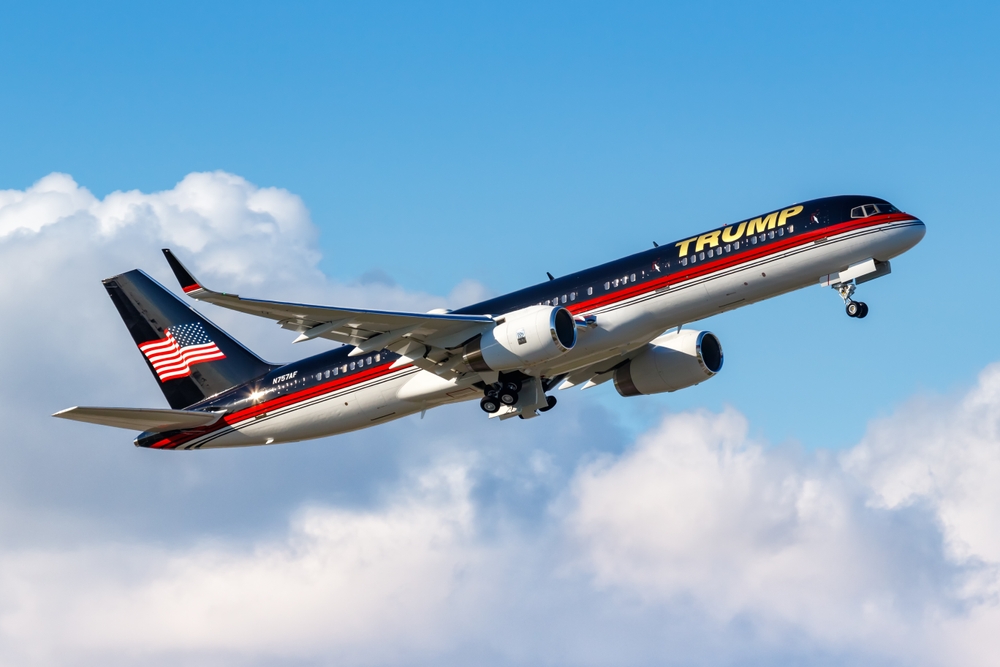
When airports are named after presidents, the honor usually comes years after they leave office, often following long periods of public reflection, bipartisan agreement, and historical assessment. The naming of major infrastructure after a former leader is typically framed as a moment of national recognition rather than a live political debate. That is why the latest development involving the Trump family business has drawn such intense attention. According to reporting from the Associated Press and other outlets, the Trump Organization has filed trademark applications seeking exclusive rights to use President Donald Trump’s name on airports and a wide range of related goods and services, even as proposals to rename certain public facilities are still under discussion. The filings introduce a legal and political dimension rarely seen in modern presidential history.
Contents
show
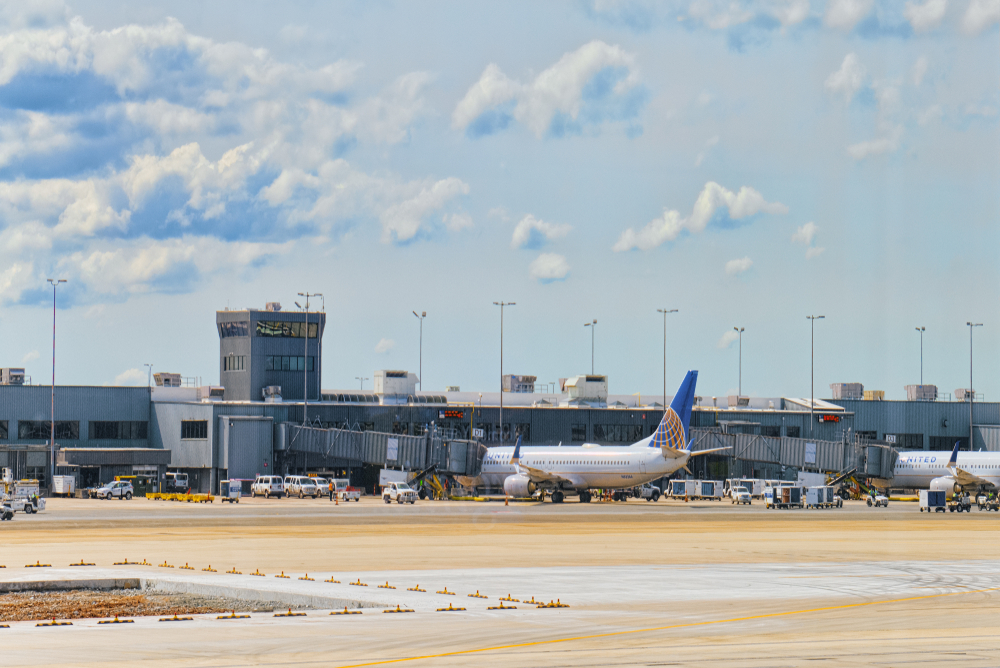
The move comes at a time when discussions are actively taking place in Florida over a state bill that would rename Palm Beach International Airport, located near Trump’s Mar-a-Lago residence, in his honor. At the same time, there have been proposals connected to a funding dispute over a tunnel between New York and New Jersey, along with suggestions that Dulles International Airport in Virginia could also bear his name. Together, these developments create a scenario in which intellectual property law, political symbolism, and public infrastructure intersect in a way that has few, if any, direct precedents. The filings themselves are legal documents, but the implications stretch well beyond trademark registration forms.
What the Trademark Applications Actually Seek
The applications were filed by the Trump Organization through a company unit known as DTTM Operations with the U.S. Patent and Trademark Office. They seek exclusive rights to three variations of the president’s name: “President Donald J. Trump International Airport,” “Donald J. Trump International Airport,” and “DJT.” While at first glance this may appear to concern only the official name of a future airport, the scope of the filings goes much further. The applications cover dozens of categories commonly associated with airports, including passenger shuttle buses, umbrellas, travel bags, and even flight suits. In other words, the filings are designed to protect commercial uses of the name across a wide range of services and merchandise connected to airport operations.
It is important to clarify that filing a trademark application does not rename an airport. Nor does it grant ownership of a public facility. Instead, trademark approval would give the company exclusive rights to use those names in specific commercial categories, preventing others from profiting from or misusing the name within those protected areas. This distinction between public naming and private trademark control is central to the debate. Even if a state legislature votes to rename an airport, trademark rights could influence how associated goods, services, and branding materials are handled.
The timing of the applications is closely tied to legislative developments in Florida. Lawmakers have been considering a bill to rename Palm Beach International Airport in Trump’s honor, and the filings appear to anticipate that possibility. By seeking protection now, the company positions itself legally before any final naming decision is made. Whether this strategy ultimately strengthens the company’s position or raises additional legal hurdles will depend on how federal trademark examiners review and interpret the applications under existing intellectual property standards.
The Company’s Explanation and Public Statement
The Trump Organization has stated that the trademark filings were triggered directly by the Florida bill. In its public explanation, the company emphasized that the move was defensive rather than profit-driven. It said the applications were necessary to guard against “bad actors” and asserted that the Trump name is the “most infringed trademark in the world.” By framing the filings this way, the company sought to present the action as a standard brand protection measure rather than an attempt to monetize a public naming opportunity.
In a statement addressing the proposed Palm Beach renaming specifically, the company said, “To be clear, the President and his family will not receive any royalty, licensing fee, or financial consideration whatsoever from the proposed airport renaming.” That language was explicit and categorical with respect to the Florida proposal. It was meant to counter criticism that the president or his family could financially benefit from a public facility bearing his name while he remains in office.
However, when asked whether royalties could be charged in the future for other airports or for merchandise listed in the trademark categories, the company did not immediately respond. That absence of clarification has left open questions about how the trademarks might be used if approved. Even if the Palm Beach renaming produces no direct financial gain, the broader commercial categories listed in the applications create the possibility of revenue streams tied to branded goods or services under different circumstances.
Legal Experts Call the Move Unprecedented
Josh Gerben, a trademark lawyer who uncovered the filings over the weekend, described them as unlike anything he had previously encountered in presidential history. On his blog, Gerben wrote, “While presidents and public officials have had landmarks named in their honor, a sitting president’s private company has never in the history of the United States sought trademark rights in advance of such naming.” He further stated, “These are trademark filings that are completely unprecedented.” His assessment underscores the novelty of a private business entity linked to a sitting president seeking intellectual property rights connected to potential public honors.
Gerben’s comments reflect a broader legal curiosity about how trademark law interacts with public infrastructure and elected office. Trademark protection is common in the corporate world, where companies routinely secure rights to names, logos, and brand extensions across product categories. From a purely technical standpoint, filing such an application is permissible under U.S. law. The unusual aspect here lies not in the mechanics of trademark registration but in the political and symbolic context in which it is occurring.
The fact that the name in question belongs to a sitting president adds complexity. Public facilities like airports are funded, maintained, and operated through taxpayer resources and governmental oversight. When private intellectual property rights intersect with those public assets, it creates an arrangement that has little historical comparison. Whether federal examiners ultimately approve the applications and under what limitations remains to be seen.
A Break from Presidential Naming Tradition
Historically, airports named after presidents have followed a different pattern. Bill Clinton waited 11 years after leaving office before an airport bore his name. Ronald Reagan’s namesake airport came nine years after his presidency concluded. Gerald Ford’s recognition took 22 years. John F. Kennedy International Airport was renamed shortly after his assassination in 1963, a moment shaped by national tragedy and collective mourning. These examples reflect a tradition of distance between active political service and public memorialization.
Time has often served as a stabilizing factor in such decisions. By waiting years or even decades, lawmakers and communities have allowed historical judgment to take shape, reducing immediate partisan tensions. The current situation departs from that pattern because it unfolds while Trump is actively engaged in political life. That timing intensifies scrutiny and invites sharper political reactions, both from supporters who view the move as justified recognition and from critics who see it as a break from established norms.
If an airport were officially renamed while trademark protections are in place, it would represent a structural shift in how presidential honors are handled. Future presidents might consider similar preemptive intellectual property strategies, especially in an era when branding and politics are deeply intertwined. The precedent set here could influence not only how names are chosen but how they are legally managed in the years to come.
The Broader Branding Context
The trademark filings align with a broader expansion of the Trump brand over the past year. The family business has placed the Trump name on towers, golf resorts, and residential developments in Dubai, India, Saudi Arabia, and Vietnam. It has also marketed Trump branded electric guitars, bibles, and sneakers under the DTTM Operations unit. These ventures illustrate how the Trump name functions not only as a political identity but also as a global commercial brand.
In response to criticism that he and his family are profiting from the presidency, Trump has said that his business is held in trust by his sons and that he has no day to day involvement in company operations. Supporters argue that protecting a globally recognized brand is a rational legal step, especially given the prevalence of counterfeit goods and unauthorized uses of well known names. From that perspective, the airport trademark applications are consistent with broader brand management strategies.
Critics, however, emphasize that the presidency is unlike any other role in American life. They argue that even if no royalties are collected from a specific airport renaming, the existence of trademark rights tied to public infrastructure blurs the line between public office and private enterprise. The debate is less about technical legality and more about optics, ethics, and the expectations placed on those who hold the nation’s highest office.
What Comes Next
The U.S. Patent and Trademark Office will now review the applications according to established legal criteria. Examiners will assess whether the names qualify as valid trademarks within the specified commercial categories and whether any conflicts or policy issues arise during review. Approval is not automatic, and the process could take months as officials evaluate the filings under federal intellectual property standards.
Meanwhile, the proposed renaming of Palm Beach International Airport must proceed through Florida’s legislative process. Lawmakers will debate, amend, and potentially vote on the measure before any official name change can occur. The legal review of the trademarks and the political process surrounding the renaming are separate tracks, yet they are closely connected in practical terms.
Regardless of the final outcome, the filings have already sparked a national conversation about precedent and principle. They raise broader questions about how public recognition is granted, how private branding intersects with public service, and how future leaders may approach similar situations. Airports are gateways to cities and symbols of civic identity. When the naming of such spaces becomes intertwined with trademark law and active political leadership, it challenges long standing assumptions about the boundary between honor and ownership.