
Your cart is currently empty!
The Real Reason Behind Joe Kents Exit From Trumps Administration
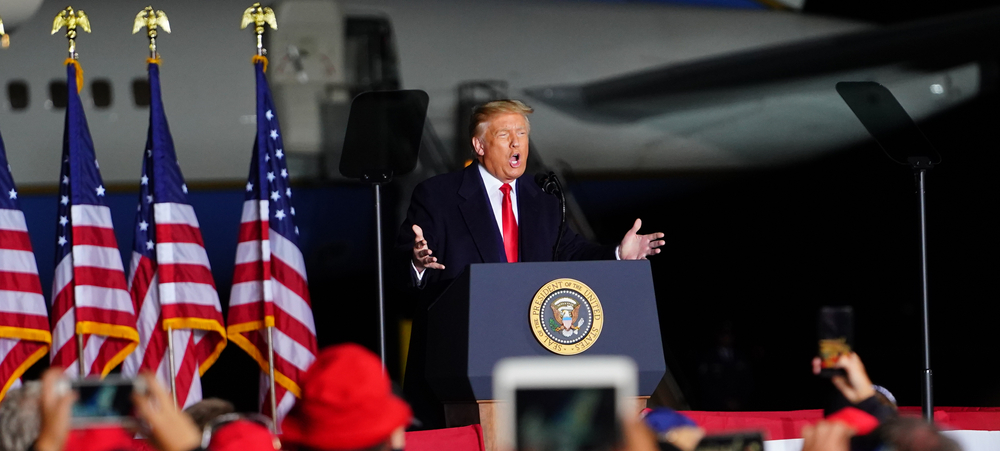
The resignation of a senior national security official rarely fades quietly into the background. It tends to signal something deeper, something unresolved beneath the surface of policy and power. That is exactly what happened when Joe Kent, one of President Donald Trump’s most trusted counterterrorism advisers, stepped down in the middle of an escalating war with Iran.
Contents
show
What might have otherwise been interpreted as a routine Washington departure quickly became something more significant. Kent was not an outsider, nor was he a quiet bureaucrat leaving for personal reasons. He was a loyal supporter of the president, a decorated veteran, and someone closely aligned with the worldview that helped define Trump’s political rise. His resignation did not just raise questions about one policy decision. It raised broader questions about direction, consistency, and the internal cohesion of a political movement that once positioned itself against long foreign conflicts.
At its core, this story is not simply about one man stepping down. It is about a moment of tension within power itself, where competing visions of national security, ideology, and responsibility collide in a very public way.
A Resignation That Shook the Inner Circle
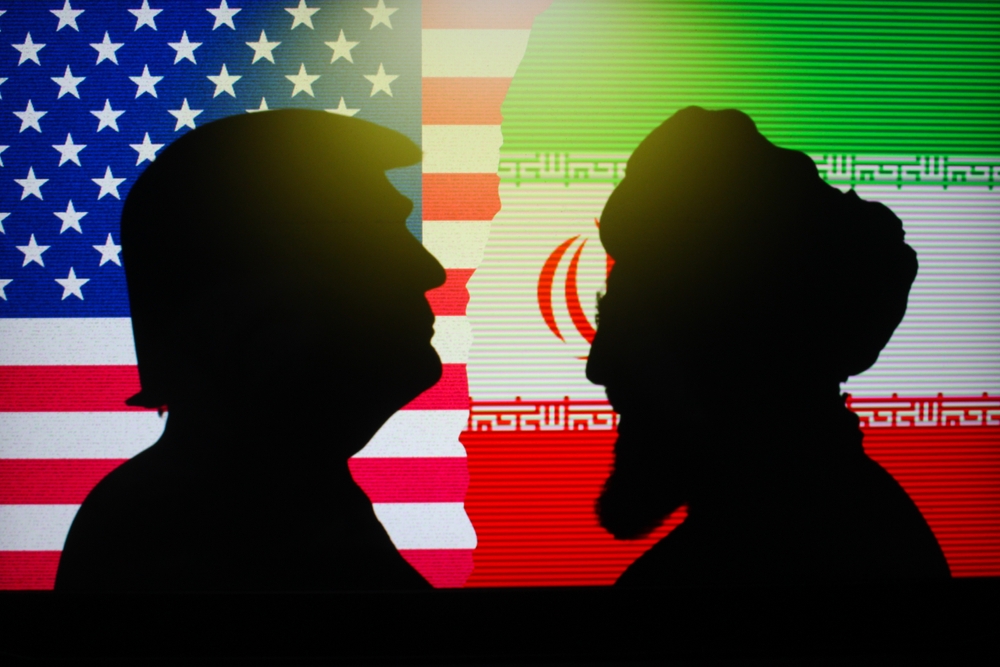
Joe Kent’s resignation stood out because of how direct and deliberate it was. In a public letter addressed to President Trump, he stated that he could not “in good conscience” support the ongoing war in Iran. That phrase carried a moral weight that went beyond ordinary disagreement.
Kent argued that Iran did not pose an imminent threat to the United States. This assertion placed him in direct opposition to the central justification offered by the administration. While the White House maintained that intelligence pointed to a looming Iranian attack, Kent rejected that narrative outright. He described the war as unnecessary and suggested that it had been influenced by external pressures rather than clear national security priorities.
His reasoning was not framed as a technical disagreement over intelligence interpretation. Instead, it was a broader rejection of the premise of the war itself. He expressed concern about the cost of conflict, not only in strategic or economic terms, but in human lives. His words reflected a belief that entering another war without a clear and immediate threat risked repeating mistakes of the past.
The fact that this message came from someone so closely tied to the administration made it particularly striking. It was not a critique from the outside. It was a break from within.
Trump’s Response and the Case for War
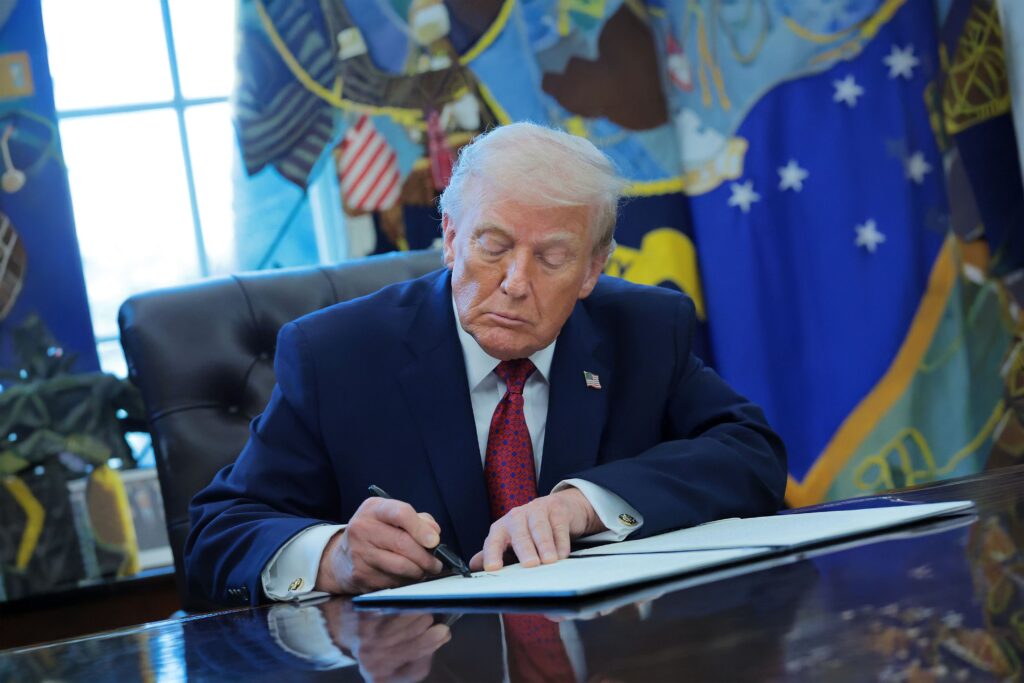
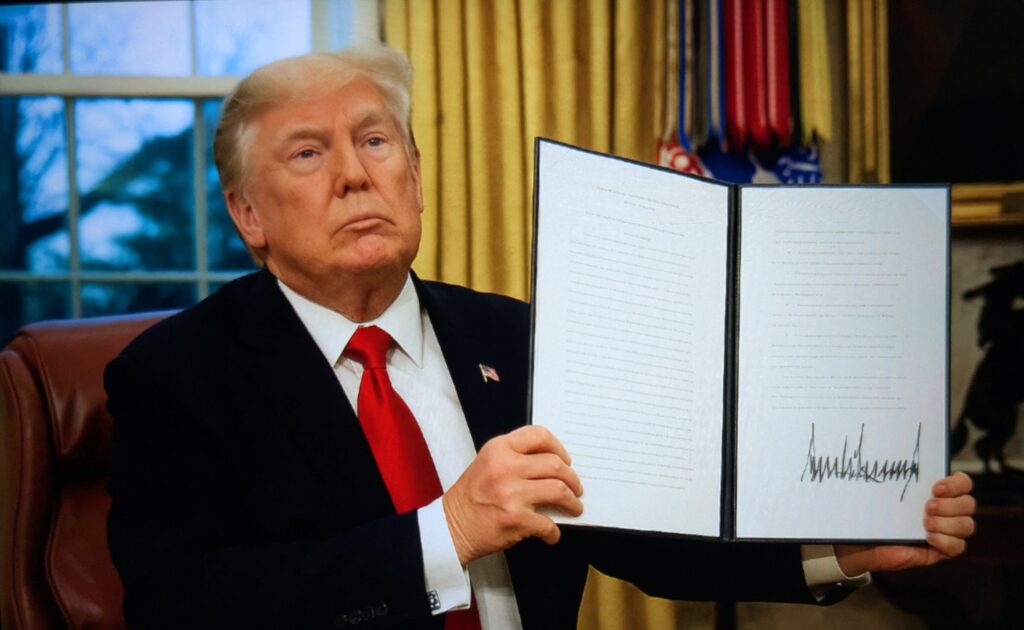
President Trump responded quickly and without hesitation. Speaking from the Oval Office, he dismissed Kent’s concerns and framed his resignation as a positive outcome. He described Kent as “weak on security” and suggested that his departure reinforced the administration’s commitment to strength.
The White House maintained that the decision to engage in the conflict was based on strong and compelling intelligence. Officials emphasized that the president had access to a wide range of information indicating that Iran posed a serious and immediate threat. From their perspective, the decision to act was not only justified but necessary to prevent greater harm.
This position reflects a broader strategic philosophy that has long influenced American foreign policy. The idea is that waiting for clear evidence of an attack can be more dangerous than acting preemptively. Within this framework, the risks of inaction are seen as greater than the risks of intervention.
Concerns about Iran’s military capabilities, its influence across the region, and its potential nuclear ambitions all played a role in shaping this view. Supporters of the administration argue that allowing such threats to develop unchecked could lead to far more severe consequences in the future.
This difference in perspective between Kent and the administration highlights a deeper disagreement about how risk should be assessed and managed in an uncertain world.
When “America First” Meets a Real War
One of the most significant aspects of Kent’s resignation is how it intersects with the political identity that helped bring the administration to power. The “America First” doctrine has often emphasized restraint, skepticism toward foreign entanglements, and a desire to avoid prolonged wars abroad.
Kent’s letter referenced this idea directly. He suggested that earlier in Trump’s political trajectory, there was a clearer understanding that wars in the Middle East often came at a high cost with limited long-term benefit. In his view, the current conflict risks repeating those patterns.
This creates a moment of tension for supporters of the administration. The same movement that criticized past interventions now finds itself engaged in a new conflict that could expand over time. This does not necessarily represent a contradiction for everyone, but it does force a reassessment of priorities.
For some, strong national defense requires decisive action, even if that means entering a conflict. For others, the lesson of recent history is that such actions often lead to prolonged engagements with uncertain outcomes.
Kent’s resignation brought this tension into the open. It transformed an abstract debate into a concrete moment that could not be easily ignored.
A Coalition Beginning to Fracture
The reaction to Kent’s departure revealed divisions that had been building quietly within the administration and its broader political base. While many Republican leaders expressed support for the president’s decision, others showed signs of discomfort.
This divide reflects a longer-standing debate within conservative politics. On one side are those who favor a strong and assertive foreign policy, emphasizing military strength and deterrence. On the other are those who advocate restraint, warning against the costs and consequences of prolonged conflict.
Kent’s resignation made this divide more visible. Some figures praised his decision as an act of principle, noting that he chose to step away from power rather than support a policy he fundamentally disagreed with. Others rejected his claims and argued that his assessment of the threat was flawed.
What makes this moment particularly complex is that the divide does not fall neatly along traditional lines. There are individuals across the political spectrum who share concerns about the war, even if they differ on other issues. This creates a situation where agreement on one point does not necessarily translate into broader alignment.
At the same time, Kent himself remains a controversial figure, which complicates how his message is received. His past statements and political positions have drawn criticism, and that history influences how people interpret his resignation.
Controversy and the Limits of Political Dissent

Part of what made Kent’s resignation especially contentious was the way he explained his opposition to the war. His suggestion that external influence played a role in the decision drew sharp criticism from multiple directions.
Several organizations and political figures argued that his language echoed harmful and conspiratorial narratives. They warned that such framing could undermine legitimate debate and reinforce damaging stereotypes. These criticisms quickly became a central part of the public reaction.
At the same time, the controversy made it more difficult to separate Kent’s core argument from the way he presented it. Some observers who were skeptical of the war distanced themselves from his reasoning, even if they agreed with aspects of his conclusion.
This dynamic highlights a broader challenge in political discourse. The way an argument is framed can shape how it is received, sometimes as much as the argument itself. In Kent’s case, his resignation sparked debate not only about the war, but about the boundaries of acceptable political language.
A Life Shaped by Conflict
To understand Kent’s decision more fully, it is important to consider his personal history. He is not a distant observer of war. He is someone who has experienced it directly.
Kent served multiple combat deployments and later worked as a paramilitary officer with the CIA. His career placed him in some of the most challenging and dangerous environments associated with modern warfare. These experiences gave him a perspective shaped not by theory, but by reality.
His personal life was also deeply affected by conflict. His wife, Shannon Kent, was killed in a suicide bombing in Syria in 2019. This loss is central to how he understands the cost of war.
In his resignation letter, he referenced that experience in explaining his position. He framed his opposition not only in strategic terms, but in human terms. For him, the question was not simply whether the war could be justified on paper, but whether it justified the lives that might be lost as a result.
This perspective adds depth to the political debate. It reminds us that decisions about war are not abstract calculations. They involve real people, real families, and lasting consequences.
The War Itself and Its Uncertain Direction
Kent’s resignation comes at a time when the conflict with Iran continues to evolve without a clear endpoint. What began as targeted strikes has developed into a broader confrontation, raising concerns about regional stability and the potential for further escalation.
The administration has framed the war as necessary to counter a serious and immediate threat. Supporters argue that failing to act could allow Iran to strengthen its position and increase the risk of future conflict.
Critics, however, question whether the available evidence supports such a conclusion. They argue that entering a conflict without a clearly defined objective or endpoint can lead to prolonged engagement and unintended consequences.
The uncertainty surrounding the war’s direction adds to the complexity of the situation. Without a clear resolution in sight, questions about strategy, goals, and long-term impact become more pressing. Kent’s resignation has amplified these questions, bringing them into sharper focus.

What This Moment Reveals
High-profile resignations often serve as moments of clarity. They interrupt the usual flow of political messaging and draw attention to underlying tensions that might otherwise remain hidden.
In this case, Kent’s departure highlights the difficulty of maintaining unity within an administration during times of conflict. It shows how even individuals who share a common political foundation can diverge when faced with decisions that carry significant consequences.
It also underscores the complexity of modern national security decision-making. Intelligence is rarely absolute. Threats are often uncertain. Leaders must make choices based on incomplete information, balancing risks that are difficult to measure.
Kent’s resignation does not alter the course of the war on its own. However, it does influence how the war is perceived and discussed. It brings attention to questions that might otherwise remain in the background and gives them a human and political dimension.
When Loyalty Collides With Belief
Joe Kent’s resignation is not simply a story about disagreement. It is a story about the tension between personal conviction and political responsibility.
On one side is a government that believes it is acting to prevent a greater threat. On the other is a former insider who believes that threat was overstated and that the cost of acting may outweigh the risks of restraint.
Both perspectives are rooted in different interpretations of duty and security. One emphasizes action and prevention. The other emphasizes caution and consequence.
What makes this moment significant is not just the disagreement itself, but the fact that it emerged from within the same administration. It reflects the enduring difficulty of making decisions about war in a world where certainty is rare and the stakes are always high.
In the end, Kent’s departure serves as a reminder that political unity has limits. Those limits are often tested most severely in moments of crisis. It also reminds us that behind every major decision are individuals forced to weigh their beliefs against their responsibilities, and sometimes, to choose between them.