
Your cart is currently empty!
Trump reacts to intelligence claim about Iran’s Supreme Leader Mojtaba Khamenei
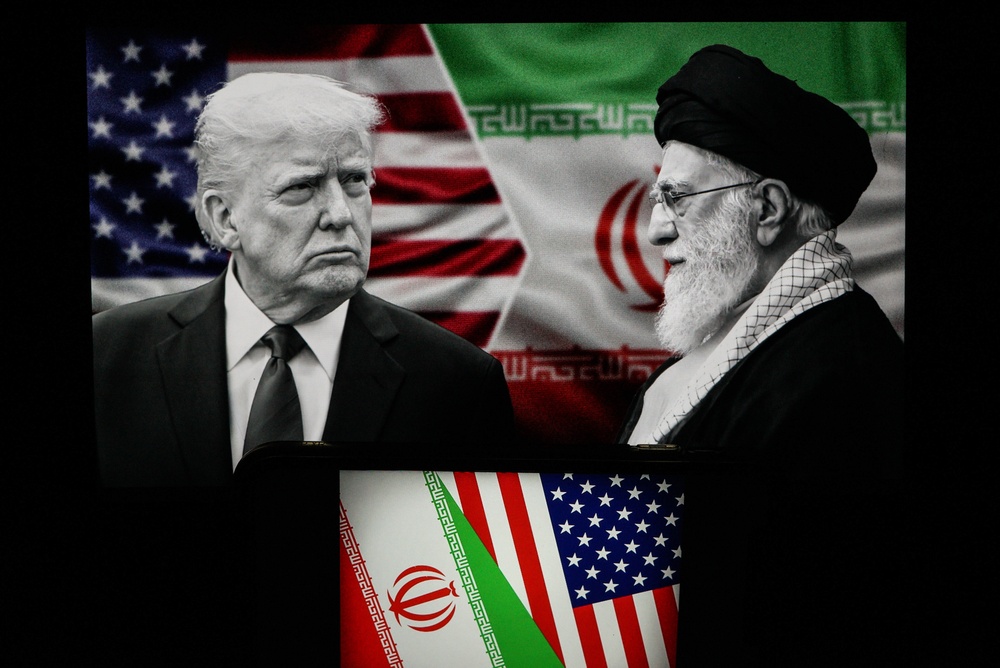
The intersection of global politics and intelligence briefings does not usually spill into public view in such a raw and unexpected way, especially when the subject matter moves beyond military strategy or diplomatic maneuvering and into deeply personal territory. Yet a recent report has done exactly that, pulling back the curtain on a moment inside a high-level briefing where President Donald Trump was told that U.S. intelligence believes Iran’s new Supreme Leader, Mojtaba Khamenei, may be gay. According to the report, the claim was not treated casually within intelligence circles, but rather as a serious piece of information sourced from what officials described as highly protected channels, suggesting that it had passed through layers of scrutiny before being presented at the highest level of government.
Contents
show
What makes the story particularly striking is not just the allegation itself, but the reaction it reportedly triggered in the room, which adds a human dimension to an otherwise tightly controlled environment. Trump reportedly laughed aloud when he heard the briefing, and others present reacted in a similar way, with one source even claiming that a senior intelligence official “has not stopped laughing about it for days.” While that reaction has driven much of the public conversation, the broader situation is far more complex and layered, touching on leadership succession in Iran, long-standing whispers about Mojtaba’s personal life, and the wider implications of such claims becoming part of geopolitical discourse at a time when tensions between the United States and Iran remain deeply entrenched.
A Leadership Transition Under Global Scrutiny
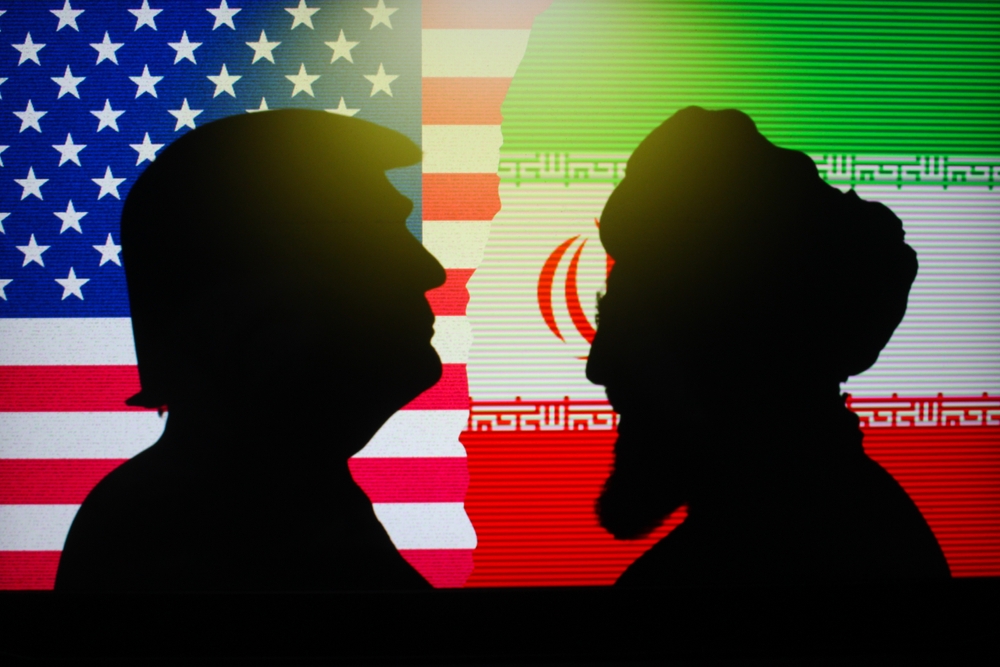
Mojtaba Khamenei’s rise to power follows a turbulent and still somewhat unclear transition after the reported death of his father, Ayatollah Ali Khamenei, in a February airstrike that reshaped the country’s leadership structure almost overnight. According to the reference, Mojtaba was selected to replace his father as supreme leader on March 8, a move that has drawn attention not only because of its timing but also because of what it signals about the internal dynamics of Iran’s political system, where power is often concentrated within a small and tightly connected circle of elites.
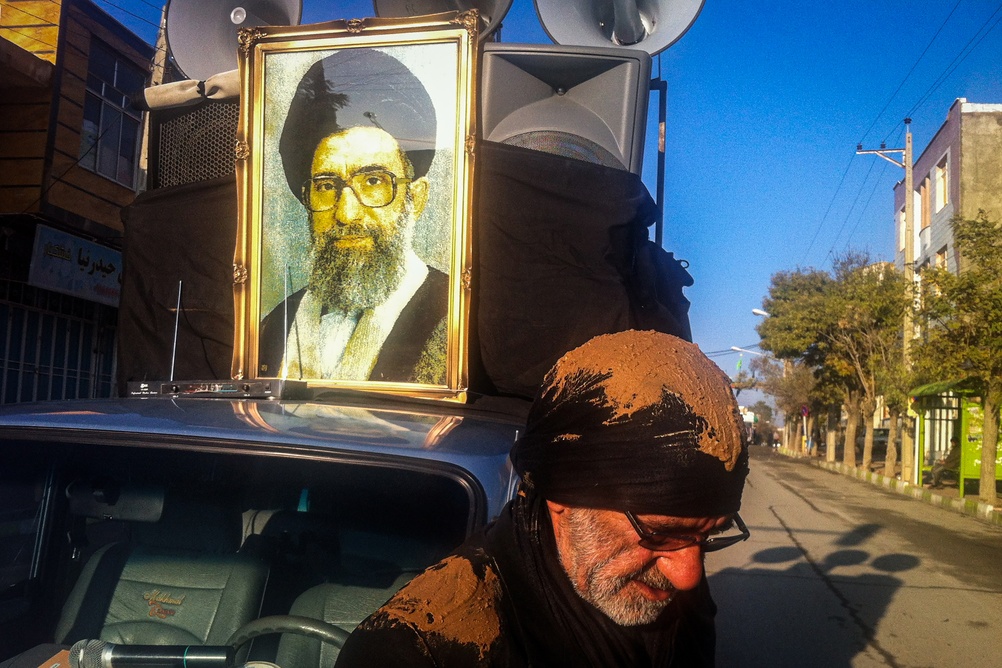
For years, Mojtaba had operated behind the scenes, building influence in ways that were not always visible to the public but were well understood by insiders who followed Iranian politics closely. He earned a reputation as a powerful gatekeeper who controlled access to his father and played a significant role in shaping decisions, even without holding a formal position at the very top of the hierarchy. This kind of informal authority allowed him to develop strong connections within key institutions, including security and religious networks, which ultimately positioned him as a viable successor despite ongoing debates about legitimacy and transparency.
He was often referred to as “the power behind the robes,” a nickname that captured both his influence and the ambiguity surrounding his exact role within the system, as well as the broader lack of clarity that often defines leadership transitions in Iran. While some observers viewed his appointment as a continuation of established power structures, others raised concerns about the possibility of a more dynastic model emerging, where leadership passes within a family rather than being determined solely by religious or political merit. These concerns have only grown in significance now that Mojtaba has formally assumed the highest office in the country.
The Intelligence Briefing That Sparked Headlines
The most striking aspect of the report lies in the intelligence itself and the way it was presented to Trump, highlighting how personal information can sometimes intersect with national security discussions in unexpected ways. According to the reference, U.S. spy agencies consider the allegation credible rather than dismissing it as misinformation intended to undermine Mojtaba’s authority, which adds weight to the claim even in the absence of publicly available evidence. One source emphasized this by stating, “The fact that this was elevated to the highest of high levels shows you there’s some confidence in this,” indicating that the information was deemed significant enough to warrant inclusion in a presidential-level briefing.
Two sources said the intelligence indicated that Mojtaba had a long-term sexual relationship with his childhood tutor, a detail that suggests a sustained and personal connection rather than an isolated incident. A third source provided a slightly different version, stating that the relationship involved someone who had previously worked for the Khamenei family, which introduces some variation in the narrative but still points toward a similar underlying claim. These differences highlight the challenges of piecing together intelligence reports that rely on human sources, where details may shift depending on perspective or access.
At the same time, the report makes it clear that there is no photographic evidence to support the allegation, and that the information is based on sensitive intelligence that cannot easily be shared or verified outside official channels. One source described the material as being “derived from one of the most protected sources that the government has,” reinforcing the idea that it carries internal credibility even if it remains unconfirmed in the public domain. This creates a situation where the claim exists in a space between confidence and uncertainty, making it both compelling and difficult to fully assess.

Longstanding Rumors and Past References
The allegation has not emerged entirely in isolation, as the reference suggests that Mojtaba Khamenei’s purported sexual orientation had been whispered about inside Iran for some time, particularly among political insiders and observers who track developments within the country’s leadership. According to the report, these rumors date back at least to May 2024, following the helicopter crash that killed then-President Ebrahim Raisi, an event that appears to have triggered renewed speculation about succession and the personal lives of those in line for power.
Additional context is provided by a classified U.S. diplomatic cable from 2008, later published by WikiLeaks, which described Mojtaba being treated in the United Kingdom for impotence and noted that he married later than expected. The cable detailed multiple medical visits before his wife became pregnant, offering a glimpse into aspects of his personal life that have since been revisited in light of the current allegation. While these details do not directly confirm the claim, they have been cited as part of a broader narrative that has developed over time.
The reference also includes claims that Mojtaba may have made “aggressive” sexual overtures to men while receiving medical care after being wounded in a February airstrike, with one source suggesting that this behavior may have occurred while he was under the influence of heavy medication. Such accounts are inherently difficult to verify, yet they contribute to the overall picture being assessed by intelligence agencies and discussed in political circles. Together, these elements show how fragments of information can accumulate and shape a narrative, even when definitive proof remains elusive.
Trump’s Reaction Inside the Room
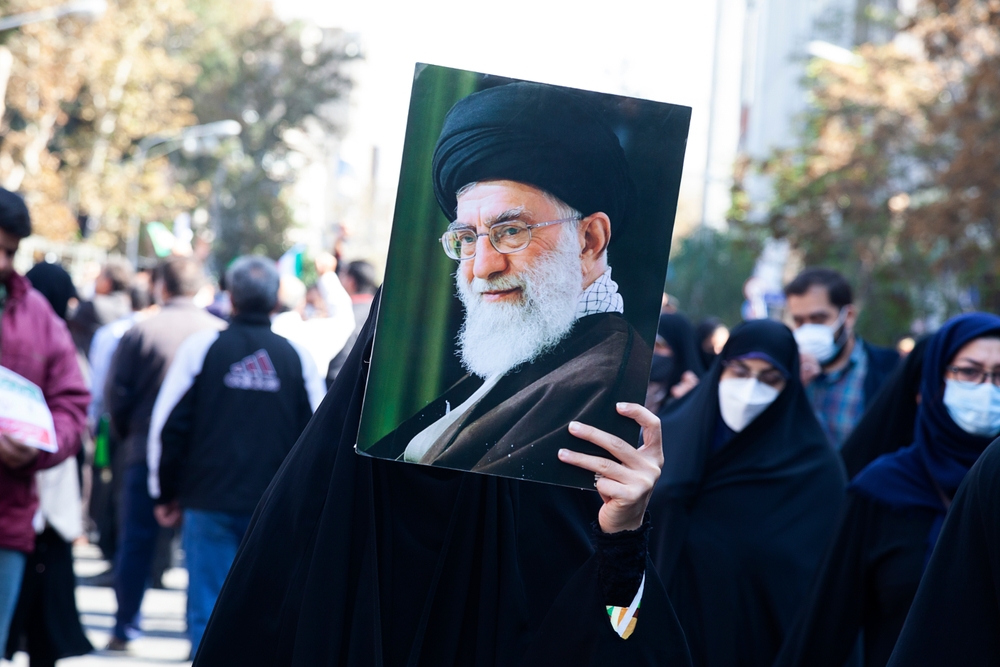
The moment that has captured the most attention remains Trump’s reaction during the briefing, which provides a rare glimpse into how unexpected intelligence can be received at the highest levels of government. According to the reference, he “couldn’t contain his surprise and laughed aloud” when he heard the information, a response that was echoed by others in the room who reportedly found the situation “hilarious.” This reaction stands in contrast to the typically serious tone of intelligence briefings, where discussions often revolve around matters of war, diplomacy, and national security.
One source added that a senior intelligence official “has not stopped laughing about it for days,” a detail that has amplified public interest and added a layer of almost surreal humor to an otherwise serious story. While such reactions may occur more often than is publicly acknowledged, their disclosure offers insight into the human side of decision-making environments that are usually portrayed as strictly formal and controlled. It also highlights how even experienced officials can be caught off guard by the nature of certain information.
At the same time, the reaction has prompted debate about whether humor is appropriate in response to sensitive intelligence, particularly when it involves personal identity and a foreign leader operating within a vastly different cultural and legal framework. Critics argue that such responses risk trivializing important issues, while others see them as a natural human reaction to unexpected or unusual information. This tension reflects broader questions about how leaders process and respond to intelligence in real time.
Iran’s Laws and the Weight of the Allegation
The broader implications of the allegation become more apparent when considered within the context of Iran’s legal and cultural stance on homosexuality, which is among the strictest in the world. In Iran, same-sex relationships are illegal and can carry severe penalties, including capital punishment in certain cases, creating an environment where personal identity is tightly regulated by the state. Public officials have historically denied the existence of homosexuality in the country, reinforcing a narrative that conflicts sharply with reports from human rights organizations.
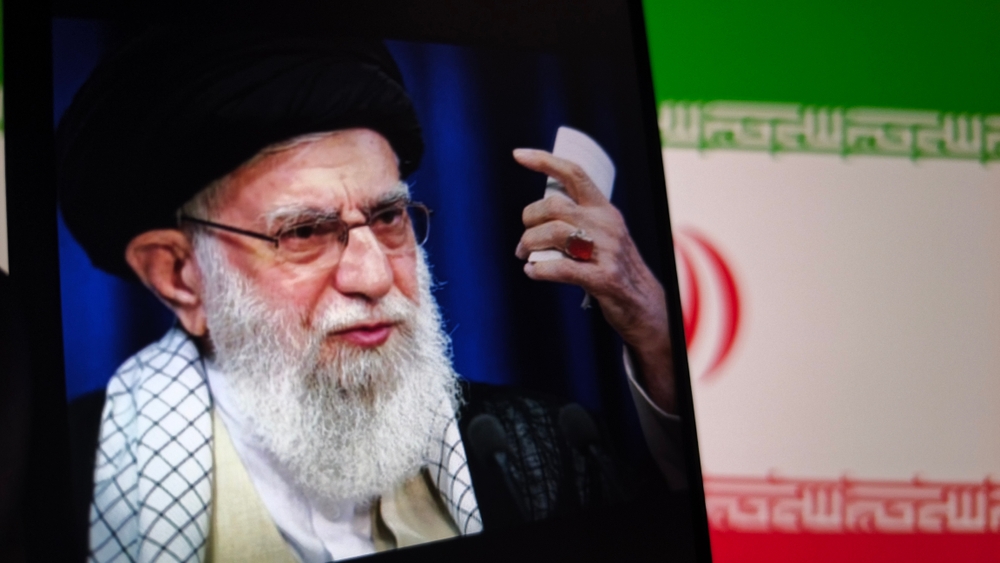
Former President Mahmoud Ahmadinejad famously stated, “In Iran, we don’t have homosexuals,” a claim that has been widely criticized and contrasted with documented cases of persecution. This legal and cultural backdrop makes the allegation about Mojtaba Khamenei particularly sensitive, as it would represent a profound contradiction between personal identity and the policies enforced by the government he now leads. The stakes of such a claim extend far beyond personal reputation and into the realm of political and moral discourse.
One source in the report addressed this tension directly, arguing that exposing such information could be justified in this specific context. “If there was ever a time where it was OK to out somebody, it would be when it’s a leader of a repressive Islamic theocracy that hangs gay people by cranes,” the source said, reflecting a perspective that frames the allegation as politically and ethically significant rather than purely personal. This viewpoint, however, is not universally accepted and continues to fuel debate about the boundaries of privacy and accountability.
Intelligence, Ethics, and Political Narratives
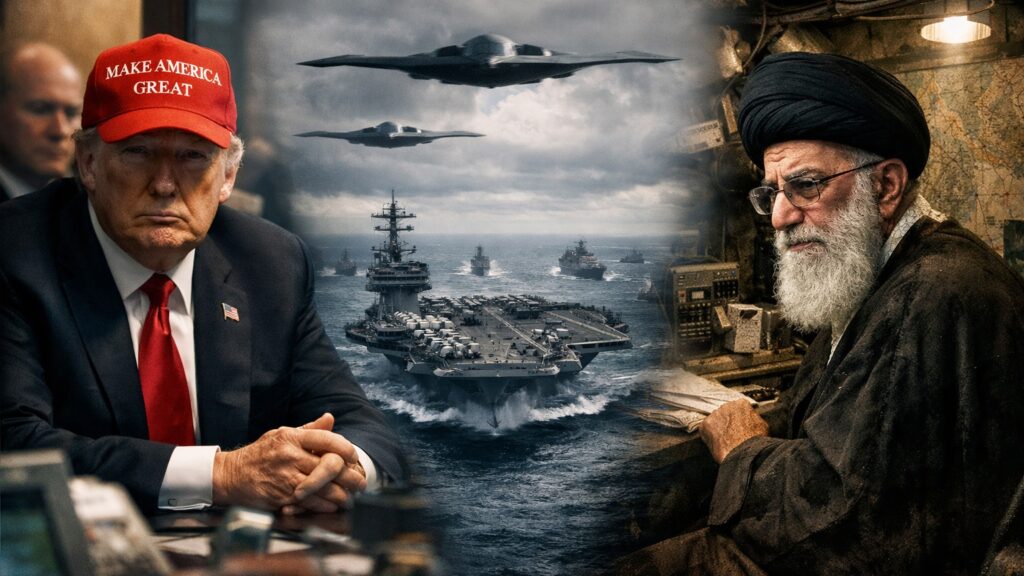
The story also raises broader questions about the role of intelligence in shaping public narratives, particularly when it involves deeply personal information about political leaders. Intelligence agencies often collect and assess a wide range of data, some of which may never be intended for public release, yet when such information surfaces it can have far-reaching consequences for both individuals and international relations. The decision to include such material in a high-level briefing suggests that it was considered relevant, but its subsequent disclosure introduces a new set of ethical considerations.
There is also the issue of how such allegations fit into the broader landscape of geopolitical strategy, where information can be used to influence perception as much as policy. Personal claims that are difficult to verify can still shape narratives, especially when they are amplified through media coverage and public discussion. While the reference presents the intelligence as credible, it also acknowledges the absence of concrete evidence, leaving room for skepticism and interpretation.
At the same time, the situation highlights the growing complexity of modern information environments, where the line between private and public knowledge is increasingly blurred. As governments, media outlets, and audiences navigate this space, questions about credibility, responsibility, and impact become more pressing. The story serves as an example of how quickly sensitive information can move from classified briefings to global headlines.
What This Means Moving Forward
Mojtaba Khamenei’s leadership is still in its early stages, and many aspects of his rule remain uncertain, including his health and current whereabouts following the reported February airstrike that also killed members of his family. The reference notes that details about his recovery remain unclear, adding another layer of ambiguity to a situation that is already complex and evolving. This uncertainty makes it difficult to predict how the current narrative will develop or what impact it may ultimately have.
For the United States and its allies, the primary focus is likely to remain on policy issues such as Iran’s nuclear ambitions and regional influence, which continue to shape diplomatic and strategic priorities. While personal allegations can capture attention and influence perception, they are unlikely to determine the course of international relations on their own. However, they can contribute to the broader context in which decisions are made and leaders are evaluated.
Ultimately, the story illustrates how personal, political, and strategic elements can intersect in unexpected ways, creating narratives that extend beyond traditional policy discussions. It underscores the importance of critical thinking and careful evaluation when engaging with information that is both compelling and difficult to verify. As more details emerge, the situation will likely continue to evolve, offering further insight into the complexities of modern geopolitics.
breaking news, controversial news, Donald Trump, geopolitics, global politics, intelligence briefing, international relations, Iran leadership, Iran politics, Middle East news, Mojtaba Khamenei, political analysis, political controversy, political headlines, Supreme Leader Iran, Trump news, US intelligence, US Iran relations, viral politics, world leaders