
Your cart is currently empty!
How Trump Moved From Military Threats to Peace Talks
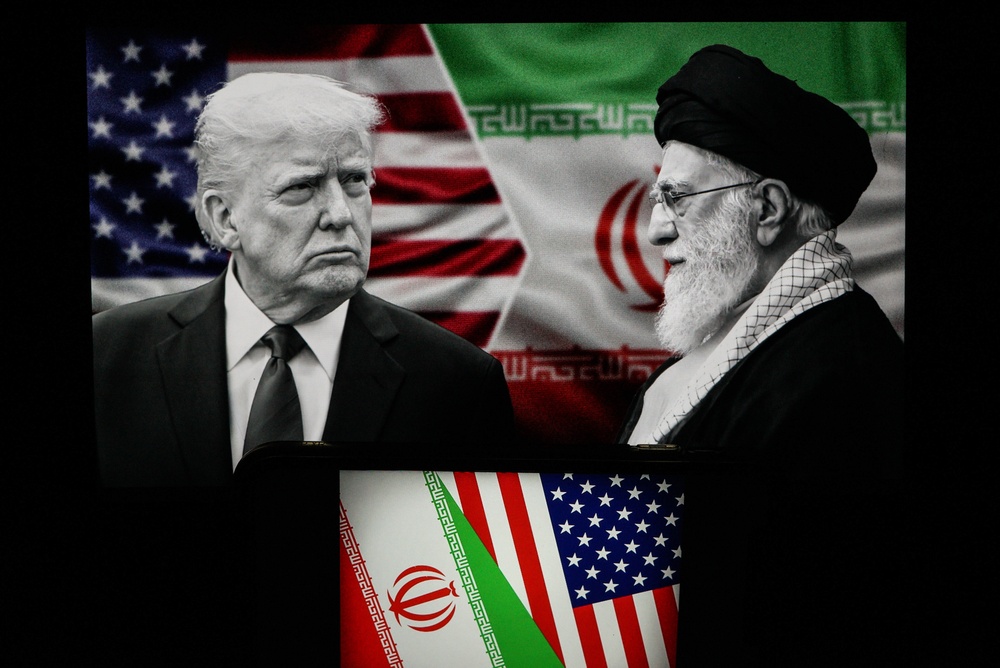
In global politics, moments of sudden reversal often reveal more than steady policy ever could. Over the course of just a few days, the trajectory of the United States’ approach to Iran appeared to change dramatically. What began as a looming escalation, complete with threats to strike critical infrastructure, quickly transformed into talk of negotiations and potential peace.
Contents
show
At the center of this shift was Donald Trump, whose public statements moved from warning of destruction to expressing optimism about a deal. The speed of this change has left observers questioning whether it reflects a genuine diplomatic breakthrough or a strategic recalibration shaped by pressure, risk, and global consequences.
A Conflict Reaching a Breaking Point
The war between the United States, Israel, and Iran had already entered a dangerous phase by the time Trump issued his ultimatum. Now in its fourth week, the conflict had disrupted global energy markets, strained international alliances, and raised fears of a wider regional war.
At the heart of the crisis was the Strait of Hormuz, a narrow but critical waterway through which roughly 20 percent of the world’s oil supply passes. Iran’s actions in the strait had effectively restricted shipping, sending oil prices soaring and intensifying pressure on governments worldwide.
According to multiple reports, energy prices had surged dramatically, with some estimates suggesting increases that rivaled or even exceeded historic oil shocks. The International Energy Agency warned that the economic consequences could spread far beyond the Middle East, affecting food prices, transportation, and global inflation.
Against this backdrop, Trump issued a stark warning. Iran had 48 hours to reopen the strait or face direct attacks on its power plants and energy infrastructure. The threat was not only military in nature but carried profound humanitarian implications, as such strikes could disrupt electricity, water supplies, and essential services for millions of civilians.
The Ultimatum That Changed Everything
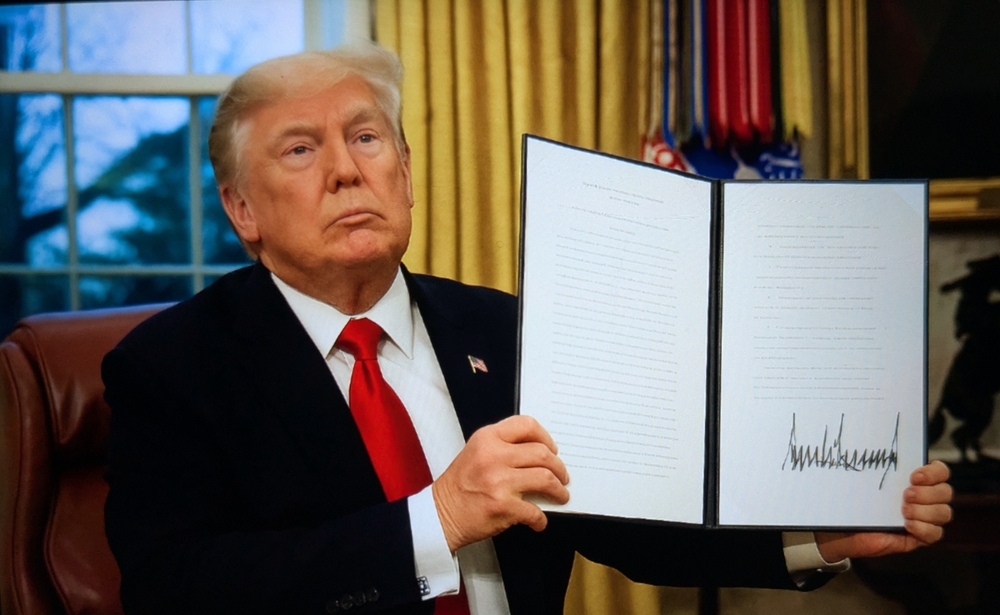
Trump’s ultimatum marked one of the most aggressive moments in the conflict. He made clear that failure to comply would result in severe consequences, including the possibility of targeting infrastructure that international law typically protects.
The response from Iran was immediate and defiant. Officials warned that any attack on their infrastructure would be met with retaliation against energy facilities across the region, including those in countries allied with the United States. There were also threats to escalate further by mining or closing the Persian Gulf.
This exchange of threats pushed the situation to the brink. Regional governments, particularly those in the Gulf, grew increasingly concerned that an attack on power infrastructure could trigger a chain reaction of escalation that would be difficult to contain.
Behind the scenes, diplomatic pressure began to build. Allies reportedly warned that striking civilian infrastructure could lead to catastrophic consequences, not only for Iran but for the broader region. There were fears that such actions could damage desalination plants, disrupt water supplies, and create long-term instability.
A Sudden Shift Toward Diplomacy
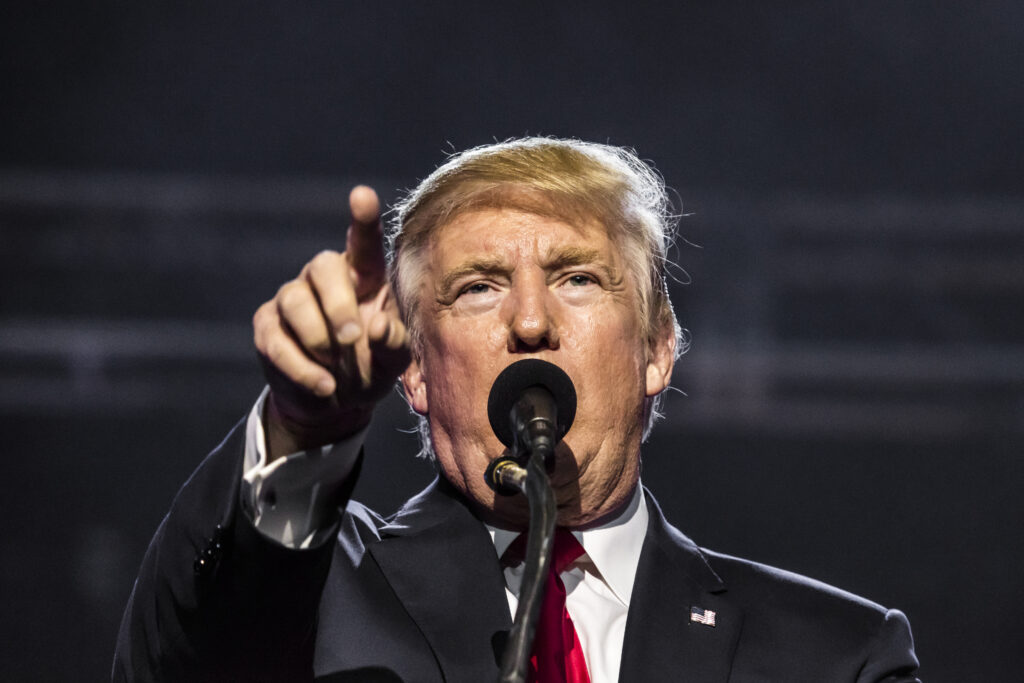
Despite the intensity of the rhetoric, Trump’s position began to change within days. He announced that the planned strikes would be postponed for at least five days, citing what he described as productive conversations with Iran.
This announcement marked a turning point. Markets responded almost immediately, with oil prices dropping and investor confidence showing signs of recovery. The reaction suggested that even the possibility of diplomacy was enough to ease some of the economic anxiety gripping the world.
Trump framed the development as a sign of progress, telling audiences that Iran was ready to make a deal. He spoke of discussions involving multiple points of agreement, including commitments related to nuclear weapons and regional security.
However, the details remained unclear. Trump did not identify the Iranian officials involved in these discussions, referring only to a respected figure within the country. This lack of transparency added to the uncertainty surrounding the situation.
Conflicting Claims and Unanswered Questions
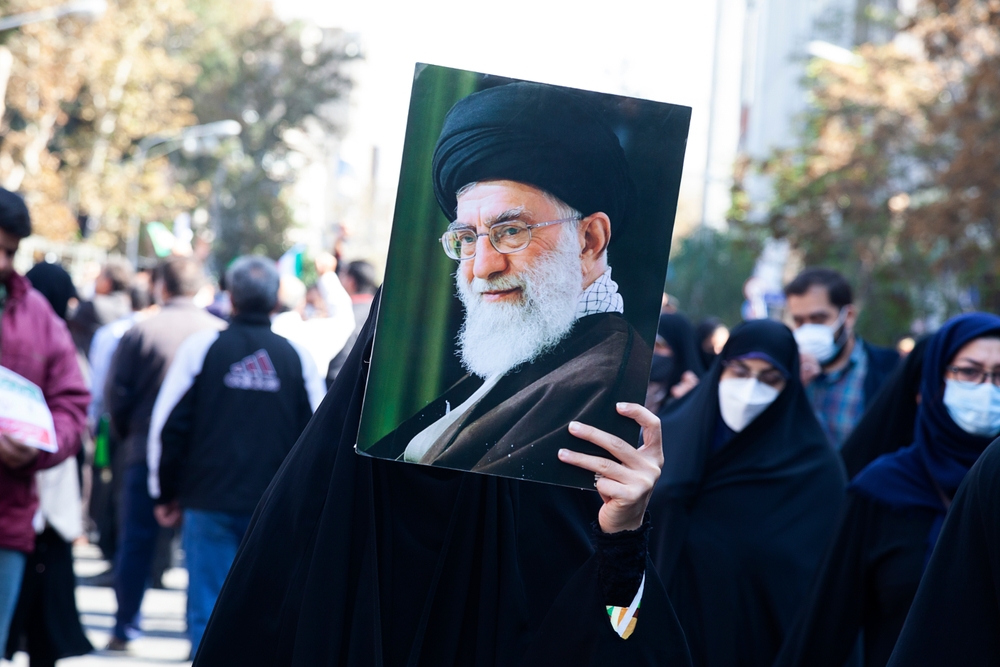
While Trump projected confidence about ongoing talks, Iranian officials offered a very different account. Leaders in Tehran denied that any direct negotiations with the United States were taking place.
Some Iranian statements suggested that Trump’s claims were intended to influence global markets or create strategic breathing room for military planning. Others framed the delay in attacks as a sign that the United States had backed down in the face of potential retaliation.
Even within the United States, officials acknowledged that any contacts with Iran were in early stages. Reports indicated that messages may have been exchanged through intermediaries, rather than through formal negotiations.
This divergence in narratives has made it difficult to determine the true state of diplomacy. It raises the possibility that both sides are engaging in a form of strategic communication, shaping public perception while keeping their options open.
The Role of Global Mediators
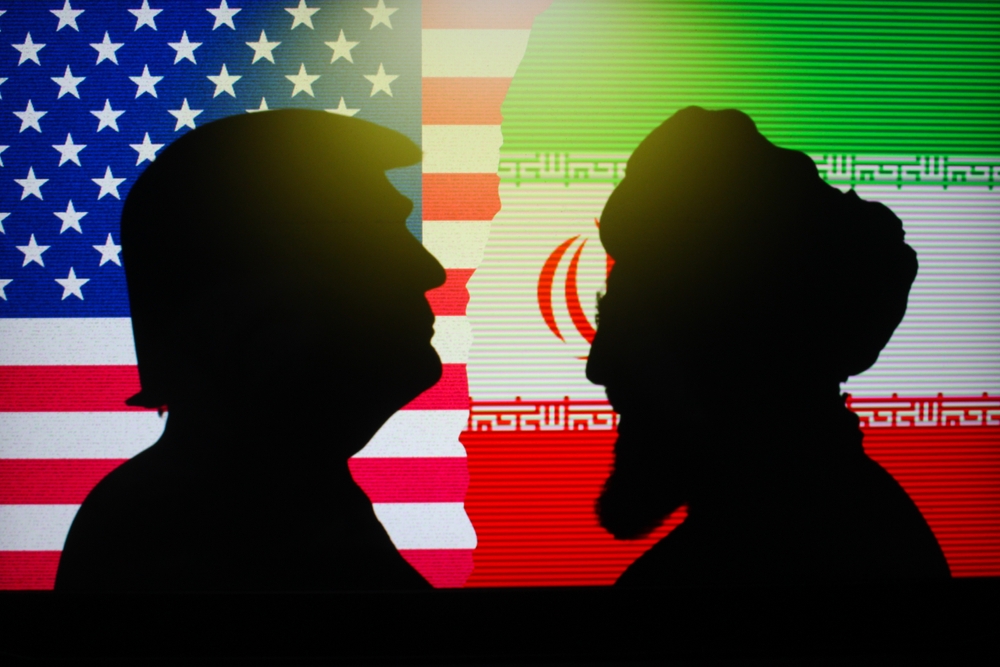
One of the most significant developments in this situation has been the involvement of multiple countries acting as intermediaries. Nations such as Pakistan, Turkey, Egypt, and Oman have reportedly played roles in passing messages between Washington and Tehran.
These efforts highlight the complexity of modern diplomacy, where direct communication is often supplemented or replaced by indirect channels. In this case, intermediaries appear to be working to reduce tensions, explore potential agreements, and prevent further escalation.
Pakistan, in particular, has emerged as a key player due to its relationships with both the United States and Iran. The country’s reliance on energy shipments through the Strait of Hormuz gives it a strong incentive to help stabilize the situation.
Oman has also been active, continuing its long-standing role as a mediator in regional conflicts. Turkish and Egyptian officials have reportedly engaged in discussions aimed at coordinating diplomatic efforts.
Despite this flurry of activity, there is little evidence that a comprehensive agreement is close. Many of the proposals being discussed are still in early stages, and some of the demands reportedly put forward by the United States may be difficult for Iran to accept.
Strategic Pressures Behind the Shift
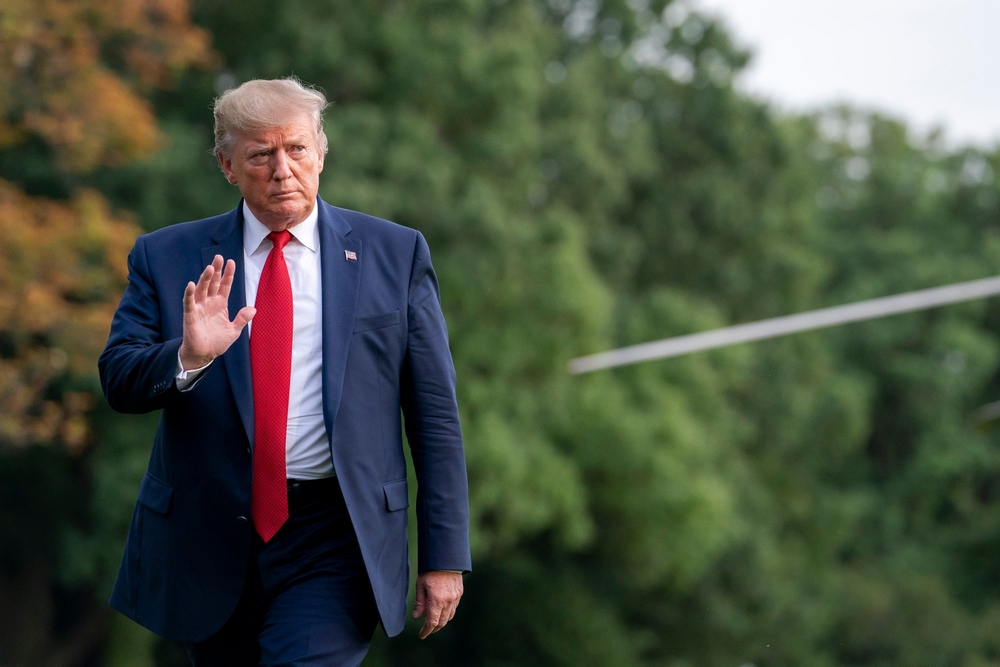
Trump’s decision to pivot toward diplomacy did not occur in a vacuum. Several factors appear to have influenced the change in approach.
One key factor is economic pressure. The surge in oil prices and the broader impact on global markets created a strong incentive to reduce tensions. The immediate drop in oil prices following Trump’s announcement suggests that stabilizing the economy was a significant consideration.
Another factor is the risk of escalation. Attacking Iran’s power infrastructure could have triggered retaliation against U.S. allies and critical facilities across the region. Such a scenario could quickly spiral into a broader conflict with unpredictable consequences.
There is also the question of military strategy. While the United States has continued to deploy forces to the region, including ships and Marines, the shift in rhetoric suggests a desire to balance military readiness with diplomatic flexibility.
Some analysts have described this approach as an attempt to escalate in order to create leverage, then de escalate to open the door for negotiations. Whether this strategy will succeed remains uncertain.
Israel’s Role and Diverging Objectives
The situation is further complicated by the role of Israel, which has been actively engaged in military operations against Iran. Israeli strikes have continued even as Trump has spoken about the possibility of a deal.
Reports indicate that there may be differences in how the United States and Israel view the end goals of the conflict. While Trump has emphasized the potential for a negotiated settlement, Israeli leaders have signaled a commitment to continuing military pressure.
This divergence creates additional challenges for diplomacy. Any agreement would likely need to address the concerns of multiple parties, each with its own priorities and objectives.
Communication between U.S. and Israeli leaders has remained active, with efforts to ensure that both sides are aligned on key developments. However, the extent to which their strategies are truly coordinated remains an open question.
The Nuclear Issue at the Center of Talks
At the core of the proposed discussions is Iran’s nuclear program. Trump has made it clear that preventing Iran from developing nuclear weapons is a central objective.
According to reports, the United States has outlined a series of demands that include restrictions on nuclear activity, limits on defense capabilities, and changes in regional behavior. There have also been discussions about the fate of Iran’s enriched uranium stockpiles.
Iran, however, has long maintained that its nuclear program is for civilian purposes and has resisted demands that it views as excessive. Previous negotiations between the two sides broke down over similar issues, contributing to the current conflict.
This history suggests that reaching an agreement will not be easy. Even if both sides are willing to talk, the gap between their positions remains significant.

A Fragile Path Forward
For now, the situation remains fluid. Trump has expressed optimism about the possibility of a deal, while also making clear that military options remain on the table.
The extension of the deadline for potential strikes has created a window for diplomacy, but it is unclear how long that window will remain open. Continued military activity, including ongoing strikes and troop deployments, underscores the fragile nature of the current moment.
Experts have offered differing interpretations of the situation. Some see the shift as a genuine opportunity to de escalate and avoid further conflict. Others view it as a tactical move designed to buy time or improve negotiating leverage.
What is clear is that the stakes are extremely high. The outcome of these developments will not only shape the future of U.S. relations with Iran but could also have far reaching implications for global stability and economic security.
Between Diplomacy and Uncertainty
Trump’s shift from threatening Iran’s power plants to promoting peace talks reflects the complex and often unpredictable nature of international politics. It highlights how quickly circumstances can change and how decisions are shaped by a combination of pressure, risk, and opportunity.
For observers around the world, the situation serves as a reminder that diplomacy and conflict are often intertwined. Moves toward negotiation can emerge even at moments of peak tension, while the possibility of escalation can never be fully ruled out.
As events continue to unfold, the key question remains whether this moment represents the beginning of a genuine path to peace or simply a pause in a conflict that is far from over. The answer will depend on what happens next, both behind closed doors and on the ground.
In the meantime, the world watches closely, aware that the decisions made in the coming days could shape not only the future of the Middle East but the stability of the global order itself.