
Your cart is currently empty!
Trump Widens Latin American Threats After Maduro Capture
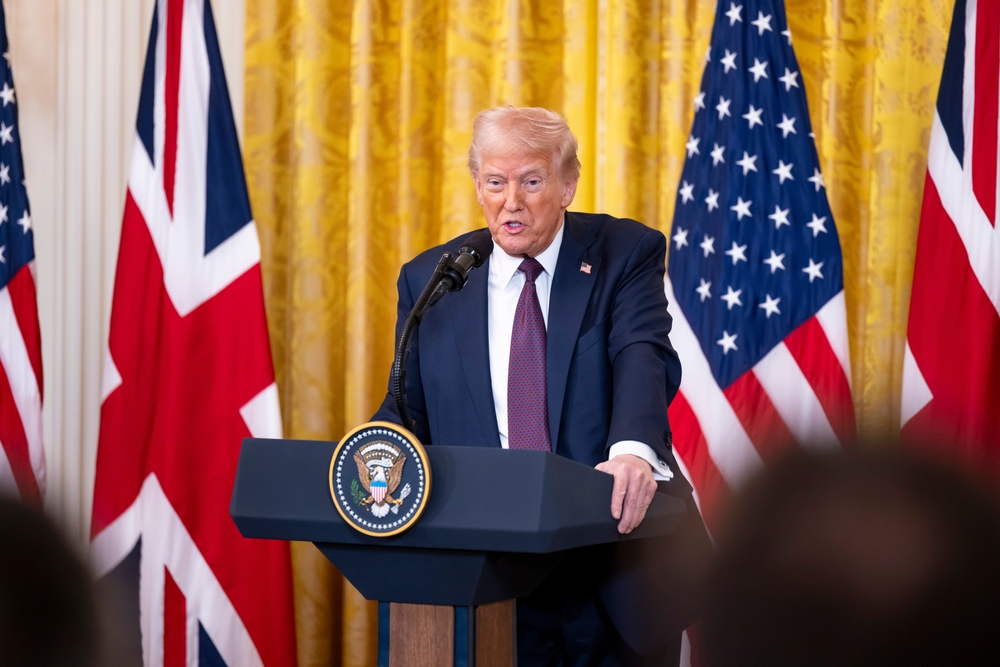
Less than 48 hours after American forces seized Venezuelan President Nicolás Maduro in a predawn raid on Caracas, President Donald Trump stood aboard Air Force One with more to say. His targets had multiplied. His tone had sharpened. And his willingness to deploy military force had taken on a new dimension, leaving governments across Latin America and beyond scrambling to respond.
Contents
show
What began as a single operation against Venezuela now appeared to be something far larger. Sunday’s remarks from Trump suggested a regional strategy was taking shape, one that could redraw American influence across an entire hemisphere. Several nations found themselves named, warned, or threatened within the span of a single press gaggle at 30,000 feet.
International condemnation had already begun pouring in over Saturday’s capture of Maduro. Six countries issued a joint statement calling the Venezuela operation a dangerous precedent. Yet Trump seemed unfazed by the criticism, choosing instead to expand his list of grievances and hint at future action.
Colombia Enters Trump’s Crosshairs
Among Latin American leaders, Colombian President Gustavo Petro drew the sharpest rebuke from Trump. Relations between Washington and Bogotá have deteriorated for months, with Trump’s administration imposing sanctions and accusing Petro of failing to curb cocaine production. Sunday’s comments went further than any previous statement.
Trump described both Venezuela and Colombia as “very sick” nations before turning his attention to Petro himself. He accused the Colombian leader of running drug operations and profiting from cocaine sales to American consumers. His language left little room for diplomatic interpretation.
“Colombia is very sick, too, run by a sick man who likes making cocaine and selling it to the United States, and he’s not going to be doing it very long,” Trump told reporters.
When pressed on whether his words implied a military operation against Colombia, Trump offered a two-word answer that sent shockwaves through diplomatic channels. “Sounds good to me,” he said.
Colombia and America have maintained a security alliance for decades, with American military advisors and aid flowing to Bogotá to combat drug trafficking and insurgent groups. That relationship now faces unprecedented strain. Petro has been vocal in his criticism of Trump’s Venezuela operation, and Trump’s accusations represent a dramatic escalation from policy disagreement to personal attack.
Petro Demands an End to Slander
Petro wasted no time responding. In a series of posts on X, he rejected Trump’s characterization and defended his record on drug enforcement. He noted that his name appears nowhere in judicial files related to drug trafficking over the past five decades.
“Stop slandering me, Mr. Trump. That’s not how you threaten a Latin American president who emerged from the armed struggle and then from the people’s struggle for Peace in Colombia,” Petro wrote.
Beyond his personal defense, Petro issued a broader call for Latin American unity. He warned that without collective action, countries in the region risked being treated as servants. He acknowledged that America had become the first nation in history to bomb a South American capital but argued that revenge would not serve the region’s interests.
Instead, Petro urged Latin American countries to build relationships in all directions rather than looking only toward Washington. His message carried both defiance and a plea for solidarity at a moment when American military intervention had become a concrete reality rather than an abstract threat.
Cuba Declared on the Brink
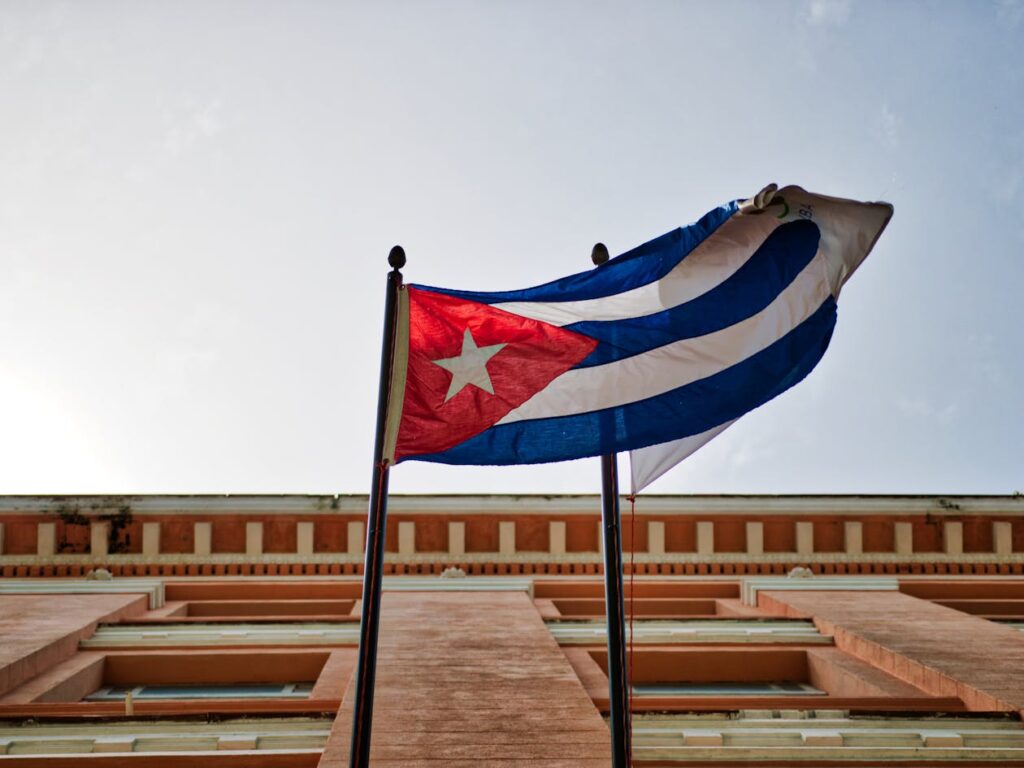
Trump also turned his attention to Cuba, though his approach differed from his Colombia rhetoric. Rather than threatening direct military action, he predicted the island nation’s imminent collapse.
His reasoning centered on economics. Cuba has long received subsidized oil from Venezuela, a lifeline that kept its struggling economy afloat. With Maduro now in American custody and Washington asserting control over Venezuelan affairs, Trump argued that the revenue stream had vanished.
“Cuba is ready to fall. Cuba looks like it’s ready to fall. Cuba now has no income. They got all of their income from Venezuela, from the Venezuelan oil. They’re not getting any of it. Cuba literally is ready to fall,” Trump said.
He suggested American military intervention would be unnecessary because economic pressure alone would bring down the government in Havana. Secretary of State Marco Rubio, whose parents emigrated from Cuba, added his own warning. Rubio told NBC’s Meet the Press that anyone in Cuba’s government should feel “at least a little” concerned about their position.
Rubio also noted that Cuban personnel, not Venezuelans, had guarded Maduro. Cuba’s Communist Party confirmed this account, announcing that 32 Cuban nationals died during combat operations in Venezuela while protecting the Venezuelan president.
Mexico Receives a Familiar Warning

Mexico did not escape Trump’s Sunday commentary, though his tone toward President Claudia Sheinbaum remained warmer than his attacks on Petro. Trump described Sheinbaum as a terrific person while simultaneously warning that her country faced serious problems.
Drug trafficking served as Trump’s primary concern. He claimed narcotics were pouring through Mexico and that America would have to do something if the situation failed to improve. He revealed that he had offered American troops to Mexico on multiple occasions during conversations with Sheinbaum, suggesting she had declined out of concern about cartel retaliation.
Trump acknowledged that Mexican authorities possess the capability to address drug trafficking but argued that cartels wield too much power for the government to act alone. His comments stopped short of threatening specific military action but left open the possibility of future intervention if Mexico does not meet American expectations.
Sheinbaum has not responded to Trump’s latest remarks. Following Saturday’s Venezuela operation, she shared Mexico’s official condemnation on social media, citing United Nations Charter provisions against the use of force against sovereign nations.
Greenland Returns to the Agenda
Beyond Latin America, Trump revived his long-standing interest in acquiring Greenland. In an interview with The Atlantic published Sunday, he declared that America needs the Arctic territory for defense purposes.
Trump cited the presence of Russian and Chinese vessels in waters surrounding Greenland as justification for American control. He argued that Denmark cannot adequately defend the territory and claimed European leaders privately support American acquisition.
Danish Prime Minister Mette Frederiksen rejected these assertions. She reminded Trump that Denmark already provides America with broad access to Greenland through existing security agreements and urged him to stop threatening a close NATO ally.
Frederiksen’s statement carried particular weight given that Denmark represents one of America’s longest-standing European partners. Unlike Venezuela or Cuba, any action against Greenland would directly challenge NATO solidarity and European territorial integrity.
Former Trump administration official Katie Miller added fuel to the controversy by posting a map of Greenland colored in American flag patterns with the caption “SOON.” Her post drew angry responses from Danish and Greenlandic social media users.
Venezuela’s New Leader Faces Demands
Back in Venezuela, Vice President Delcy Rodríguez assumed power as interim leader following Maduro’s capture. Trump wasted no time issuing demands and warnings to the new government.
He claimed America remains in charge of Venezuela despite Rodríguez’s appointment by the Supreme Court. When asked about his plans for engaging with her, Trump said he would speak to her at the right time. He also claimed she was cooperating with American authorities, though Rodríguez’s public statements calling for Maduro’s immediate release appeared to contradict this assertion.
Trump specified what he expected from Venezuela’s interim government. He demanded total access to the country’s oil reserves, framing it as necessary for rebuilding the nation. He also issued a stark warning about consequences for non-compliance, telling The Atlantic that Rodríguez could “pay a very big price, probably bigger than Maduro” if she fails to cooperate.
Maduro faces his first court appearance on Monday on narco-terrorism charges. Prosecutors accuse him of supporting major drug cartels, directing trafficking routes, and providing presidential facilities for drug shipments.
International Backlash Intensifies
Six nations responded to Saturday’s events with a joint statement condemning American military action. Brazil, Chile, Colombia, Mexico, Uruguay, and Spain expressed profound concern and rejected what they characterized as unilateral intervention in Venezuelan territory.
Their statement accused Washington of violating international law, particularly prohibitions against the use of force and respect for sovereignty. They called the operation “an extremely dangerous precedent for peace and regional security” and warned that civilian populations face ongoing danger.
China weighed in Monday through President Xi Jinping, who condemned, saying “The world today is fraught with turmoil, and unilateral hegemonic bullying is severely impacting the international order,” without naming America. Speaking after a meeting with Ireland’s Prime Minister in Beijing, Xi called on all countries to respect the development paths other nations choose and to follow the United Nations Charter.
Russia’s government also condemned what it termed armed aggression against Venezuela and called for Maduro’s release.
Experts Weigh Whether Threats Become Action
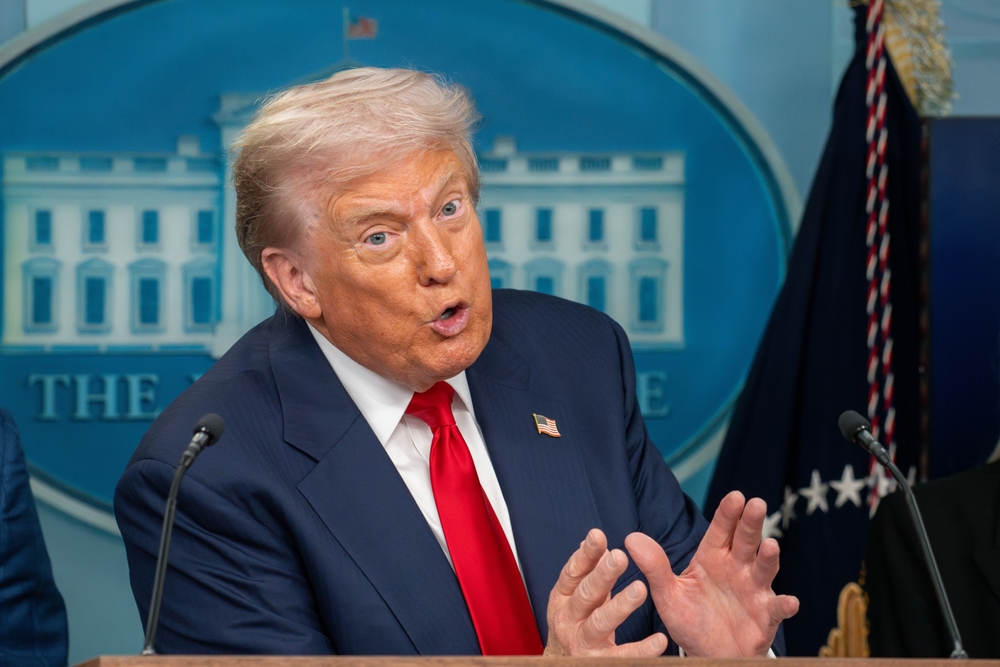
Political analysts offered mixed assessments of Trump’s intentions. Some suggested his aggressive rhetoric serves as a pressure tactic rather than a genuine prelude to military operations.
David Smith, an associate professor at the University of Sydney’s US Studies Centre, told Al Jazeera that Trump prefers achieving goals without extensive force. Short, dramatic displays of military power, like the Venezuela operation, may be designed to frighten other countries into compliance rather than signal a broader campaign.
Smith noted that Trump’s approach to Latin America extends beyond military threats. His administration has sanctioned a Brazilian judge, pardoned a convicted Honduran ex-president, and backed Argentina’s right-wing government. A pattern of supporting conservative leaders while undermining left-wing governments has emerged over the past year.
Matthew Wilson, a political scientist at Southern Methodist University, suggested Cuba may face greater risk than Colombia. He pointed to longstanding American grievances against Havana and a politically active Cuban-American community that supports regime change.
A Doctrine Takes Shape
Trump has framed his approach to Latin America through historical precedent, invoking the 1823 Monroe Doctrine that asserted American influence over the Western Hemisphere. He has gone further, suggesting his policies supersede that two-century-old framework. He has even coined a name for his approach, calling it the Don-roe Doctrine.
His administration’s National Security Strategy document from last year outlined a Trump Corollary to Monroe’s original vision. It called for restoring American preeminence in the Western Hemisphere and protecting access to key geographies throughout the region.
Whether Sunday’s threats translate into additional military operations remains uncertain. What seems clear is that Trump views Saturday’s capture of Maduro as a beginning rather than an isolated event. His willingness to name targets, issue warnings, and hint at future action suggests Latin America and its leaders will remain in his sights for the foreseeable future.
For countries like Colombia, Cuba, and Mexico, the question is no longer whether Trump will use military force to achieve his objectives. That question was answered in Caracas. Now they must determine how to respond to an American president who appears willing to act on his threats.