
Your cart is currently empty!
TV chef left ‘heartbroken’ after closing restaurant as furious customers owed nearly £40,000
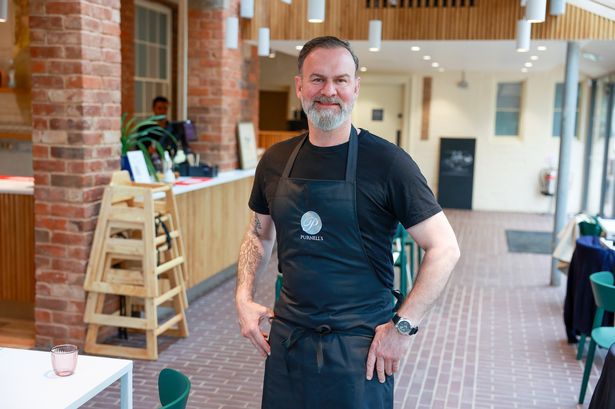
Renowned TV chef, Glynn Purnell, has expressed deep sorrow after the closure of his restaurant in Birmingham, leaving disgruntled customers owed nearly £40,000. The Michelin starred chef made the heartbreaking decision to shut down his eatery after 17 years, citing escalating costs and wages, compounded by the impact of the Covid-19 pandemic.
Following the closure, 246 customers are now seeking refunds for vouchers they purchased but never got to use. As per a Statement Of Affairs by corporate recovery firm Butcher Woods, these ‘consumer creditors’ are collectively owed £39,375. Additionally, the liquidation document reveals outstanding wages and holiday pay owed to restaurant staff, including Glynn Purnell himself, who is owed a total of £30,766.21. Suppliers and other creditors are listed with varying amounts owed as well.
The closure of Purnell’s Restaurant has left loyal customers feeling disappointed and neglected, with some expressing dismay at the lack of communication and failure to honour vouchers at other establishments. One customer, Therese Roberts, criticised the chef for not upholding his end of the agreement, while Ben Price echoed similar sentiments, highlighting the significant financial impact on patrons in the current economic climate.
Glynn Purnell, in a statement, expressed gratitude for the support during this challenging period and directed queries regarding refunds to the appointed liquidators. He advised customers to explore refund options through their banks or credit card companies. Amidst the fallout, customers have voiced their discontent over the handling of the closure, with feelings of being mistreated by the celebrity chef.
As customers navigate the aftermath of the restaurant’s closure, the community remains divided over the handling of the situation, with many questioning the accountability and responsibility owed to loyal patrons. The implications of this event raise broader discussions surrounding consumer rights, business transparency, and the resilience needed to navigate unforeseen challenges.
In conclusion, the closure of Glynn Purnell’s restaurant serves as a stark reminder of the fragility of the hospitality industry, especially in the face of ongoing economic uncertainties and the lasting impact of the global health crisis. As stakeholders grapple with the fallout, it underscores the importance of clear communication, ethical business practices, and the need to prioritise consumer welfare in the ever-evolving landscape of the culinary world.