
Your cart is currently empty!
Unexpected Research Shows Glass Bottles Could Outpace Plastic in Microplastic Release
For many years, people have reached for glass bottles believing they were making the responsible choice. Glass has long been seen as the premium option that is both natural and safe. It is widely associated with purity and a belief that whatever sits inside it remains untouched. Yet a growing body of research is beginning to challenge that assumption. According to new findings highlighted by ScienceAlert, along with detailed analyses and official conclusions released by ANSES scientists, are painting a more complicated picture.
Contents
show
The surprising claim is that drinks stored in glass bottles may contain more microplastics than those packaged in plastic containers. This idea contradicts what many consumers have believed for decades. The notion is not just unexpected but also deeply unsettling because it suggests that a material once thought to be the safest might be introducing more tiny particles into our beverages than we ever imagined.
These studies have major implications for health policy, packaging industries and everyday consumers who are simply trying to make the best decisions. Understanding what these findings mean requires stepping back and looking closely at how these microplastics are getting into drinks, what types of materials are responsible, and how we can respond thoughtfully.
In this article, we explore the research in depth, examine why glass might be contributing more particles than plastic and reflect on what this means for our daily habits. Using insights from all three reference sources, we take a balanced and thorough look at an issue that could reshape how society views its most trusted packaging material.
The Unexpected Findings Behind Glass Bottle Microplastics
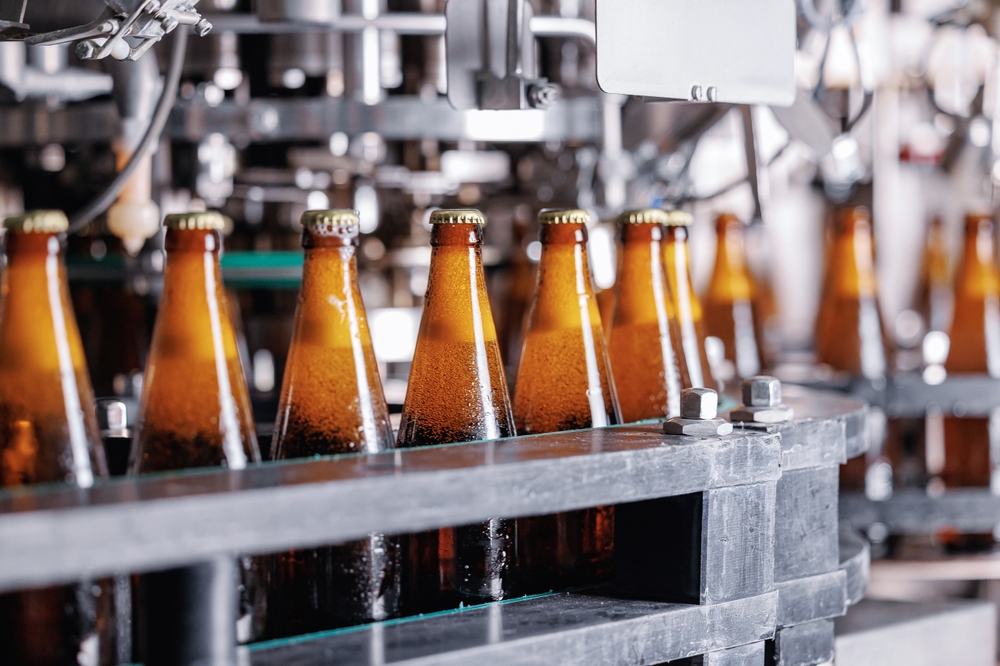
Researchers revealed that a major source of microplastics in glass bottles may not be the glass itself but rather the caps and liners used to secure them. These components often contain plastic-based materials that slowly shed microscopic fragments into the liquid. These particles can migrate into beverages during storage as well as through the simple process of opening and closing a bottle. This finding helps explain why glass bottles, which are assumed to be chemically inert, may still contribute to rising particle counts.
The investigation from ANSES adds another layer by identifying how the mechanical action of twisting caps can generate friction that releases even more particles. Their assessment emphasizes that these polymers can break down at a rate high enough to exceed the levels found in standard plastic bottles. They highlight that this is not due to a single mechanism but a series of interactions that result from typical use. This expands our understanding beyond the material itself and shifts attention to the whole system surrounding beverage packaging.
In many cases, consumers are unaware of the materials used beneath a cap. Liners are typically composed of polyethylene or polypropylene, which are known to fragment over time. The research suggests that the internal seal of the cap could be responsible for a substantial portion of microplastic contamination. This is important because it demonstrates that even well-intentioned packaging choices can carry hidden issues. These particles then mix with beverages and remain undetected without specialized equipment.
What makes these discoveries especially meaningful is that they call into question long-held beliefs about the hierarchy of safe packaging. For a long time, plastic bottles were placed at the center of environmental concern. Yet these studies indicate the story is more complex and that every material comes with trade-offs. Consumers who expected glass to be the superior option are now reexamining their assumptions.
Why Glass Has Long Been Considered the Healthier Choice
Glass has carried a reputation for purity for generations. People associate it with the idea that what you see is what you get. Unlike plastic, glass does not visually degrade or warp over time. This perception has made it a symbol of safety and quality. Beverage companies often use glass when they want their products to be seen as premium because it conveys transparency and cleanliness.
Many health-conscious consumers specifically choose glass bottles because they believe they prevent chemical migration. They assume plastic bottles are more likely to leach substances, especially when exposed to heat or sunlight. This belief has been reinforced by years of discussion around plastic additives. Although these concerns are not unfounded, they have overshadowed the possibility that glass packaging could also introduce contaminants that are invisible to the naked eye.
Environmental messaging has also played a role. Glass is often marketed as a sustainable alternative because it is infinitely recyclable. This idea appeals to those who want to reduce their environmental footprint. People who wish to avoid plastic waste frequently choose glass bottles as a way to support a greener lifestyle. The irony revealed by the new research is that the very option consumers believed to be safer might carry hidden, unintended consequences.
Understanding why these perceptions exist is crucial because it helps us see how assumptions influence choices. When people believe a material is inherently safe, they rarely question what components might be attached to it. The caps on glass bottles are often overlooked, even though they contain multiple layers. These new findings remind us that packaging safety is more complex than the container alone.
What the Studies Reveal About Particle Sources
The ScienceAlert summary points to a critical finding. Most of the microplastics detected in beverages stored in glass bottles come from the internal plastic liners of metal caps. This means the origin of the particles is not the glass but the hybrid structure surrounding it. The caps are designed to create a tight seal and prevent leaks but their layered design unintentionally becomes a source of microplastic contamination.
The friction generated when a cap is twisted on and off can accelerate the shedding process. Even the pressure applied during routine use can promote particle release. This suggests that the simple act of enjoying a drink from a glass bottle may contribute to the presence of microplastics in ways consumers never consider.
ANSES provides further insight by analyzing the breakdown process of these materials under typical storage conditions. They found that thermal changes, moisture levels and the natural aging of polymers all influence how many particles enter beverages. Their tests show that caps used on glass bottles consistently release more particles than those on plastic bottles, likely due to structural differences in the sealing materials and their interaction with other components.
Altogether, these studies form a consistent narrative. The cap and its internal liner play a defining role in microplastic contamination. This shifts attention from the container to its supporting elements. It also highlights the importance of looking at packaging holistically rather than isolating a single part. In a world where consumers try to make informed decisions, understanding every component matters.
Implications for Public Health and Consumer Choices
The idea that microplastics are entering beverages from unexpected sources raises questions about possible health impacts. Although the long term effects of microplastic consumption are still being studied, the discovery that glass bottles may contain higher levels than plastic ones adds urgency. People who have intentionally switched to glass out of concern for plastic exposure may now face a surprising dilemma.
Public health researchers emphasize that microplastics can carry a range of chemical additives that have the potential to interact with biological systems. Even though the science is still emerging, the presence of these particles in everyday drinks increases overall exposure. This could be particularly relevant for individuals who consume bottled beverages regularly. The findings therefore, encourage a deeper examination of how packaging influences health in ways that may not be immediately obvious.
From a consumer perspective, the new research complicates purchasing decisions. People often choose glass bottles to avoid environmental and chemical concerns linked to plastics. The discovery that glass bottles may introduce even more microplastics shifts the balance. Consumers may begin to reassess their priorities, weighing factors such as recyclability, safety and personal health. This situation underscores the importance of evidence-based choices over assumptions.
These revelations also highlight the need for transparency in packaging materials. As consumers become more informed, brands may be pressured to disclose the composition of their caps and liners. This could lead to innovations in cap design and encourage companies to adopt safer alternatives. In the meantime, people may begin to modify their habits by opting for refillable containers or filtering their beverages when possible.
Industry and Regulatory Responses
The beverage industry will not be able to ignore these findings. Companies that have relied on glass bottles as a symbol of quality may need to revisit their packaging strategies. If microplastics are being introduced through the caps, then new designs may be required. This could lead to the development of liners made from materials that shed fewer particles or alternative sealing mechanisms that reduce friction.
Regulators may also respond by updating safety guidelines. ANSES has already brought attention to the issue by releasing its assessment. Their involvement signals that official bodies are taking the problem seriously. Over time, governments could adopt stricter standards for cap materials. They may even require manufacturers to conduct regular testing to ensure particle levels remain within safe limits.
Industry groups may use this moment to advocate for more comprehensive testing protocols. Companies that produce packaging might choose to innovate preemptively to avoid potential backlash. This could result in a shift toward new materials or redesigned caps that minimize microplastic contamination. These changes would likely influence the global marketplace and shape how beverages are packaged for years to come.
For consumers, stronger regulations and transparency can help restore confidence. When people know that packaging has been evaluated for microplastic release, they can make more informed decisions. The key is ensuring that industry partners and regulatory bodies work together to address the issue proactively.
Looking Ahead and Reflecting on our Choices
The discovery that glass bottles can introduce more microplastics than plastic ones challenges widely held beliefs. It forces consumers, industries, and regulators to rethink what constitutes safe packaging. The findings contribute to a growing understanding that no material is completely free from contamination concerns.
Going forward, people may become more mindful of the larger systems surrounding their purchases. Instead of simply comparing materials, they may evaluate how every component interacts. This includes caps, liners, seals and manufacturing techniques. A more holistic mindset can help consumers make choices that align with their health values and environmental goals.
At the same time, this research highlights an opportunity for innovation. If new cap designs can significantly reduce microplastic release, then the industry could chart a path toward safer and more sustainable packaging. This would give consumers the confidence to continue choosing materials that reflect both quality and safety.
In the end, the lesson is clear. Assumptions must be examined and updated in light of new evidence. By staying informed and remaining open to new information, consumers can navigate the shifting landscape of packaging safety with greater clarity and confidence.