
Your cart is currently empty!
United Airlines Says Passengers Could Be Removed for Not Using Headphones
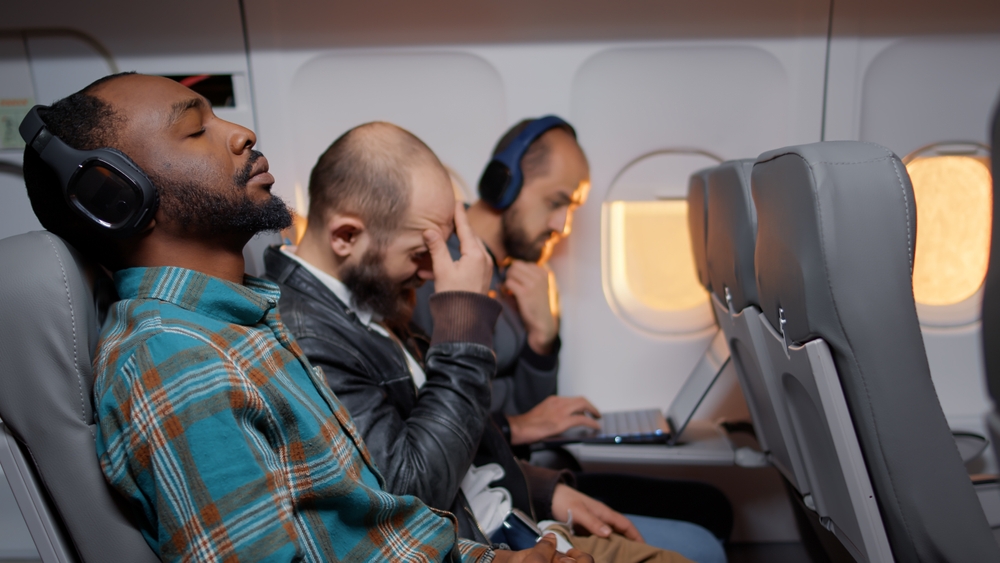
Flying has always depended on a quiet understanding between strangers who suddenly find themselves sharing a confined space for hours at a time. Inside an aircraft cabin hundreds of people sit shoulder to shoulder with little personal space, each traveler bringing their own habits, stress, and expectations into the journey. Over the years passengers have developed an unspoken set of etiquette rules that help keep flights relatively peaceful. People lower their voices during conversations, silence phone notifications, avoid strong-smelling food, and generally try not to disturb the people around them. However, the rapid rise of smartphones, streaming apps, and short-form video platforms has introduced a new problem that many travelers now recognize immediately. Passengers scrolling through social media or watching videos sometimes play audio out loud without headphones, creating bursts of noise that can quickly disrupt an otherwise quiet cabin.
Contents
show
United Airlines has now decided that this growing inflight annoyance needs clearer boundaries. In 2026 the airline updated its passenger rules to explicitly require travelers to use headphones when listening to audio or watching videos on their personal devices. According to the policy update, passengers who refuse to comply with this rule could be removed from the aircraft or even banned from flying with the airline in the future if the behavior continues. What might appear to be a small update to travel etiquette has quickly turned into a widely discussed story online because it addresses something millions of passengers have experienced firsthand. The conversation surrounding the rule highlights how modern technology has changed the atmosphere of air travel and how airlines are increasingly stepping in to maintain a comfortable environment inside crowded aircraft cabins.
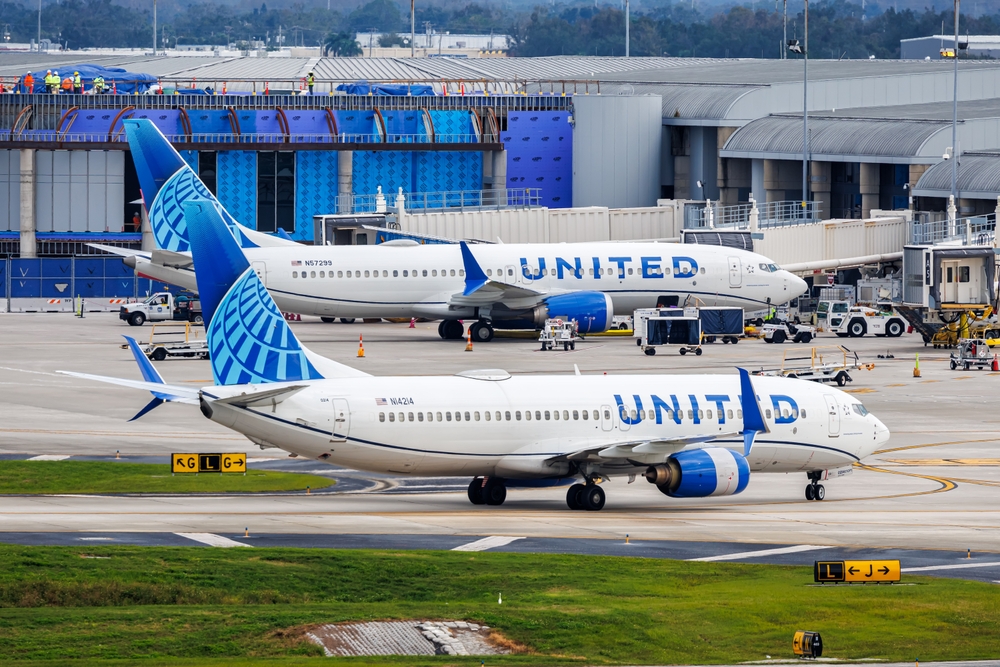
A small rule that quickly became big news
United Airlines introduced the clarification through an update to its Contract of Carriage, which is the official legal document that outlines passenger responsibilities as well as the airline’s authority when dealing with disruptive behavior. Within that document the airline now states that travelers must use headphones if they want to watch videos or listen to music on phones, tablets, laptops, or other personal devices during the flight. While many airlines already encourage passengers to use headphones out of courtesy, placing the expectation inside a legal contract gives the airline clearer authority if a traveler refuses to follow instructions from the cabin crew. This means that what used to be treated as a polite suggestion is now formally recognized as a behavioral rule.
The policy change quickly caught the attention of frequent flyers because it reflects a situation that many travelers say they encounter regularly. Stories often circulate online about passengers who sit nearby and play videos on speaker, scroll through social media clips with sound effects, or listen to music loudly without considering how far the audio travels in a confined cabin. Even when the volume is not extremely loud, the repetitive sounds from short videos or game notifications can easily carry across several rows. For passengers who are trying to sleep, concentrate on work, or simply relax during a long flight, those repeated bursts of sound can become surprisingly distracting.
United Airlines has emphasized that the rule is not meant to punish passengers unnecessarily but to reinforce a basic expectation of courtesy between travelers sharing the same environment. Flight attendants already remind passengers to use headphones when audio becomes disruptive, but having the rule written clearly in company policy provides additional support when dealing with situations that escalate. By formally acknowledging the issue, the airline hopes to reduce conflicts between passengers and give cabin crews clearer guidance when addressing disruptive behavior during flights.
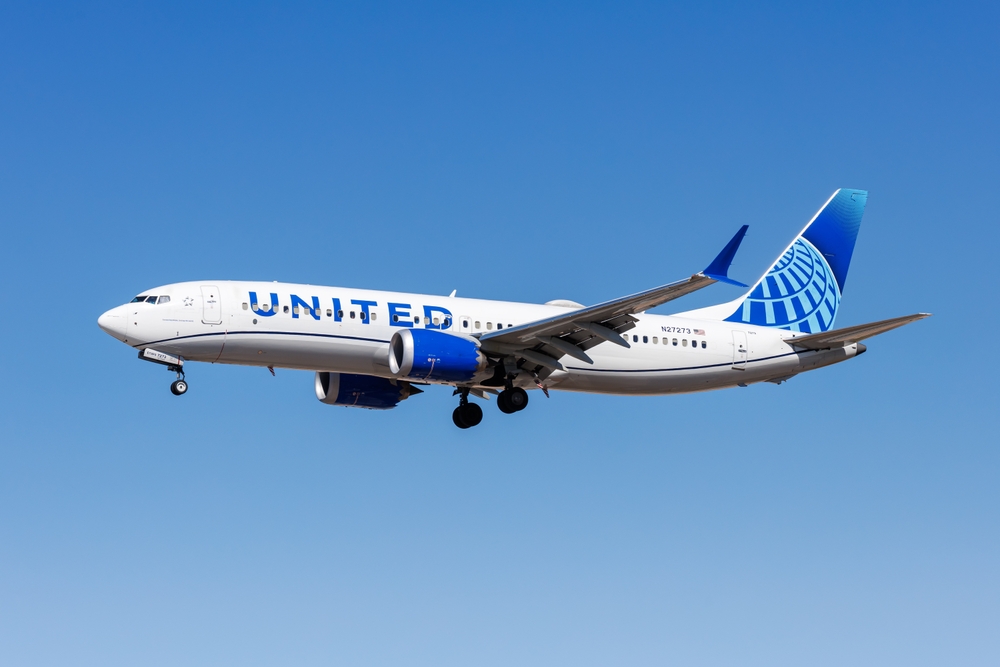
Why inflight noise has become a growing issue
One of the main reasons this issue has grown more noticeable in recent years is the dramatic change in how passengers use technology while flying. Travelers today carry multiple devices including smartphones, tablets, and laptops that allow them to stream movies, browse social media, or play games for hours during a flight. Many airlines now provide high speed inflight Wi Fi, which makes it possible for passengers to watch online content throughout the entire journey instead of relying solely on the airline’s built-in entertainment system. As a result the amount of digital media being consumed inside aircraft cabins has increased significantly.
Short video platforms have also reshaped viewing habits in ways that were not common just a decade ago. Instead of watching a single movie or television show with headphones, many people scroll through dozens or even hundreds of short clips in rapid succession. Each clip may only last a few seconds, but every one produces a burst of sound that repeats again and again. In a quiet airplane cabin those quick bursts of audio can echo across the surrounding seats, creating a pattern of constant interruptions that nearby passengers cannot easily ignore.
Airlines have traditionally relied on polite reminders rather than strict rules to manage this kind of behavior. Flight attendants may approach a passenger and ask them to lower the volume or use headphones if the audio becomes noticeable. However without a clearly written policy enforcement can sometimes feel inconsistent or subjective. By including the expectation in the Contract of Carriage, United Airlines is attempting to remove that uncertainty and give crew members a clear standard that applies to everyone on board.
What happens if a passenger ignores the rule
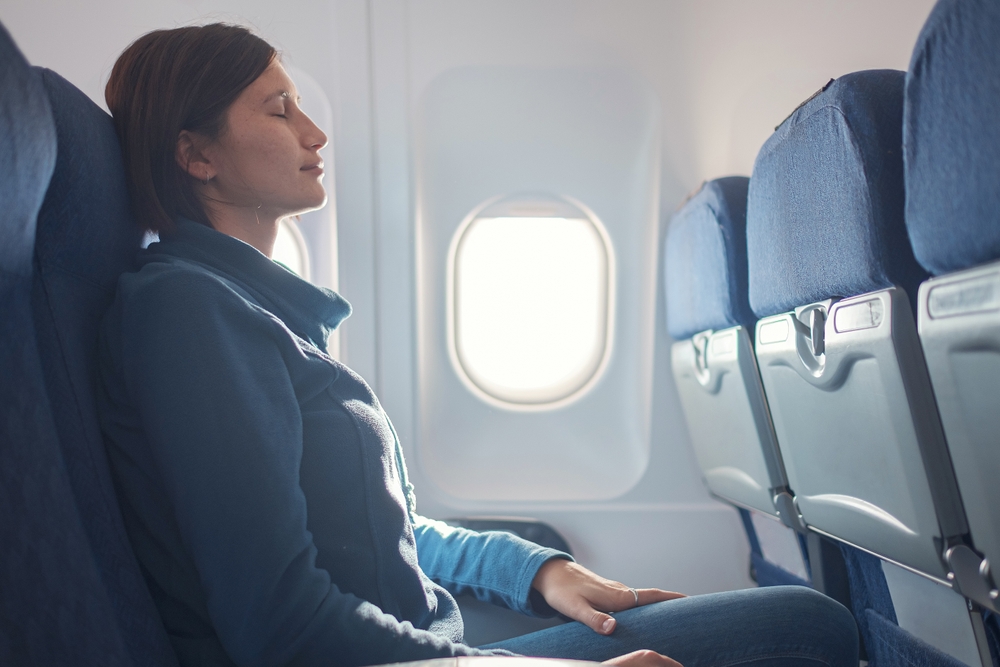
Despite the headlines about possible bans, the policy does not mean that someone who forgets their headphones will immediately face punishment. In most cases the first step will simply involve a reminder from a flight attendant asking the passenger to use headphones or reduce the volume on their device. Airlines generally try to resolve small issues calmly because maintaining a cooperative atmosphere inside the cabin is important for both safety and comfort. Most passengers comply quickly once they realize their audio is disturbing others around them.
Many flights also carry inexpensive earbuds that can be offered to passengers who do not have their own headphones available. Providing earbuds allows travelers to continue enjoying their entertainment while also respecting the quiet environment of the cabin. This approach reflects how airlines typically handle minor disruptions by encouraging cooperation rather than immediately resorting to disciplinary measures.
The situation tends to become more serious only when a passenger refuses to follow instructions from the cabin crew. Airlines treat refusal to comply with crew directions as a significant issue because those instructions are tied to maintaining order during the flight. When someone repeatedly ignores guidance from flight attendants, the airline may take stronger action to prevent the situation from affecting other passengers. Under United Airlines policy that action could include removing the passenger from the aircraft before departure or restricting their ability to travel with the airline in the future.
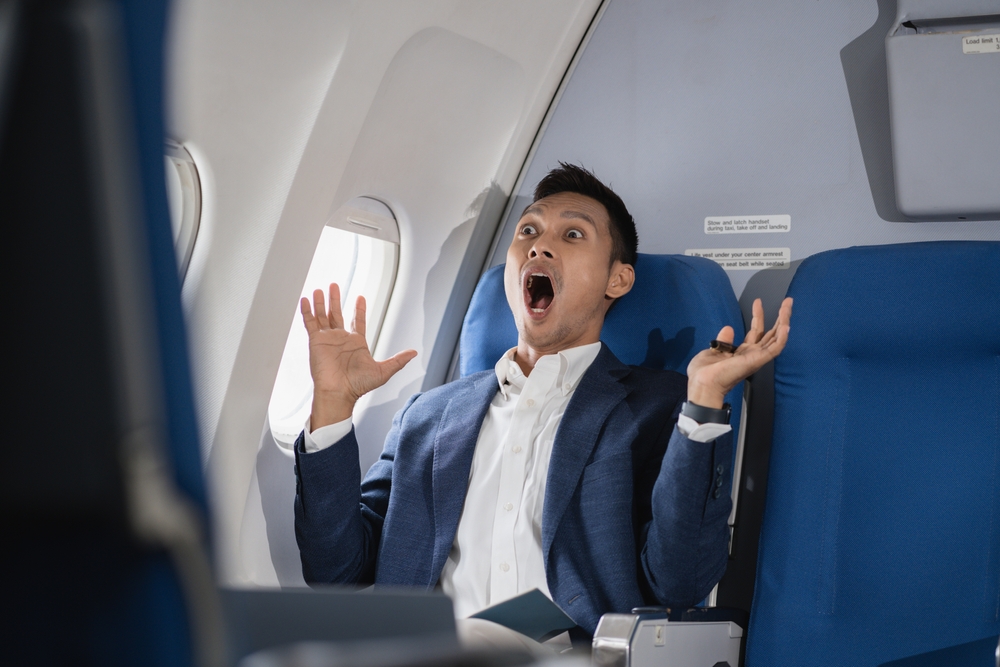
Although arguments about loud phone audio may seem minor on the surface, psychologists often point out that crowded environments can intensify tension between strangers who do not know each other. Air travel itself is already stressful for many people. Passengers often deal with early morning departures, long security lines, tight connections, and the uncertainty of delays or cancellations. By the time travelers board the aircraft they may already feel physically tired and emotionally drained, which can make them more sensitive to disruptions around them.
Researchers studying anxiety have also examined how chronic stress can affect the brain and emotional regulation. A recent analysis brought together data from 25 earlier brain imaging studies and compared 370 people with anxiety disorders to 342 individuals without those conditions. Using a specialized MRI technique that measures certain brain chemicals, the researchers discovered that participants with anxiety showed about an eight percent drop in choline levels in regions of the brain associated with emotional regulation and cognitive control.
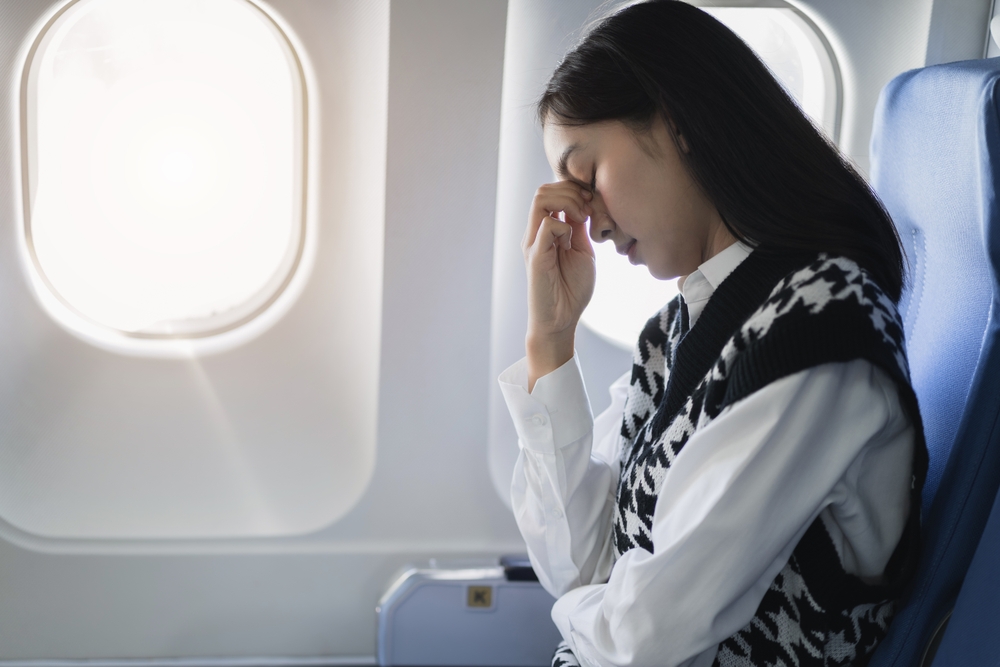
Dr. Richard Maddock, senior author of the study and a research professor at the University of California, Davis, explained the significance of the findings. He said, “An 8 percent lower amount doesn’t sound like that much, but in the brain, it’s significant.” Maddock also emphasized the broader scale of the issue by noting, “Anxiety disorders are the most common mental illness in the United States, affecting about 30 percent of adults,” adding that “They can be debilitating for people, and many people do not receive adequate treatment.”
Other experts who reviewed the research believe the findings reflect the strain that prolonged stress can place on the brain rather than pointing to a simple nutritional deficiency. Psychiatrist Dr. Nona Kocher described the drop in choline levels as “not trivial,” suggesting it may signal metabolic pressure created by long term stress responses. In crowded settings like airplanes where passengers are already dealing with travel fatigue, even small annoyances such as repeated bursts of audio from nearby devices can trigger stronger reactions than people might normally expect.
Why etiquette rules still matter in modern travel
Shared spaces function best when clear expectations guide how people behave toward one another. Airplanes are among the most tightly packed public environments, with passengers sitting inches apart for hours while sharing the same limited space. In that setting even small behaviors can affect dozens of people simultaneously. Something as simple as loud audio from a phone or tablet may seem harmless to the person watching the video, but the sound can easily disrupt sleep or concentration for everyone seated nearby.
Etiquette rules help reduce these kinds of conflicts by setting predictable boundaries for everyone on board. When passengers understand what behavior is expected, they are more likely to follow those norms without confrontation. Clear guidelines also give flight attendants a straightforward way to address situations that disturb other travelers. Instead of relying only on personal judgment, crew members can refer to an established rule that applies equally to all passengers.
Airlines increasingly recognize that maintaining a comfortable cabin environment is part of providing a positive travel experience. While no policy can eliminate every inconvenience that occurs during a flight, rules about courtesy and respectful behavior can prevent small frustrations from escalating into larger disputes. The headphone requirement introduced by United Airlines is one example of how airlines are adapting their policies to reflect the realities of modern technology and digital entertainment.
How passengers are reacting to the policy
The reaction from travelers has been strong, with many people sharing their own experiences online. Frequent flyers often describe situations where someone nearby played videos or music on speaker for long stretches of a flight, forcing everyone around them to listen to the same sounds repeatedly. For passengers who were hoping to sleep or work during the journey, those interruptions sometimes became one of the most frustrating parts of the trip.
Supporters of the rule argue that it simply reinforces a common courtesy that most travelers already follow. Headphones are inexpensive, widely available, and easy to carry in a bag or pocket. From this perspective the rule does not place an unreasonable burden on passengers but instead protects the comfort of the entire cabin by ensuring that personal entertainment remains personal.
Some travelers have questioned how strictly the rule will be enforced in practice. They wonder whether disagreements about volume levels could occasionally create tension between passengers and crew members. Even among those who are skeptical about enforcement, however, there is widespread agreement that loud audio inside airplane cabins has become a frequent complaint. The conversation sparked by United Airlines’ policy shows just how familiar the experience has become for travelers across the world.
The New Golden Rule of Flying
The updated headphone rule introduced by United Airlines might seem like a small policy adjustment, but it reflects a broader shift in how airlines manage passenger behavior in an era dominated by smartphones and streaming media. As technology continues to shape the way travelers spend their time during flights, airlines are increasingly paying attention to how those devices affect the shared environment of the cabin.
By clearly stating that passengers must use headphones when playing audio on personal devices, the airline is attempting to preserve a sense of courtesy inside an already crowded and sometimes stressful travel setting. Whether the rule ultimately leads to bans or simply encourages better etiquette remains to be seen, but the discussion surrounding the policy has already highlighted how important small acts of consideration can be.
In the end the message behind the rule is fairly simple. Air travel places hundreds of strangers in close proximity for hours, and the comfort of that experience depends on everyone showing a basic level of respect for the people sitting nearby. Something as small as putting on a pair of headphones can make the entire cabin a little quieter and a little more pleasant for everyone on board.
airline headphone rule, airline passenger ban rules, airline passenger etiquette, airline passenger rules, airline rule changes, airline travel news, airplane cabin rules, airplane passenger behavior, aviation news, aviation policy update, flight etiquette rules, flight passenger conduct, inflight etiquette, new airline policy 2026, passengers banned from flights, passengers playing videos out loud, travel industry news, United Airlines, United Airlines contract of carriage, United Airlines headphones policy