
Your cart is currently empty!
US Congressman Warns UFO Secrets Could Shake the World

The conversation around unidentified flying objects has quietly transformed over the past decade. What was once dismissed as fringe speculation or late-night conspiracy talk is now being discussed in congressional hearings, intelligence briefings, and official government reports. The language has changed, the tone has shifted, and the people involved are no longer on the margins. They are lawmakers, presidents, and national security officials.
Contents
show
Yet despite this growing legitimacy, one thing remains unchanged. The most dramatic claims still arrive without clear evidence, and the most compelling statements often raise more questions than answers.
That tension is exactly what has brought renewed attention to recent comments made by U.S. Congressman Tim Burchett. His warning was stark and difficult to ignore. According to him, the truth about UFOs could be so unsettling that if fully revealed, it might leave society shaken and struggling to process what it means.
His remarks have not only reignited public curiosity but also exposed a deeper political debate about secrecy, transparency, and the limits of what governments choose to reveal.
The Warning That Sparked a Political Storm
Tim Burchett has spent years positioning himself as one of the most vocal advocates for government transparency on UFOs. As a member of the House Task Force on the Declassification of Federal Secrets, he has had access to classified briefings that most lawmakers and nearly all citizens never see.
During a recent televised appearance, Burchett described those briefings in unusually dramatic terms. He explained that he had been informed by multiple federal agencies and suggested that the information was deeply unsettling. According to him, if the public were exposed to what he has seen, it would keep people awake at night, thinking about the implications.
He went further, stating that the country would come unglued if such information were released in full. It was not just a warning about shock or surprise.
It was a suggestion that the very foundations of public understanding could be disrupted.
What made his comments even more striking was what he chose not to say. Despite repeated calls for full disclosure, Burchett declined to provide any concrete details about the content of these briefings. Instead, he emphasized that he was not willing to put himself at risk by revealing sensitive information.
In one of the most widely discussed moments of the interview, he stated that he was not suicidal. The remark stood out not only because of its tone but because it hinted at a broader concern. It suggested that speaking openly about such matters might carry consequences.
Claims of Secrecy and Unexplained Patterns
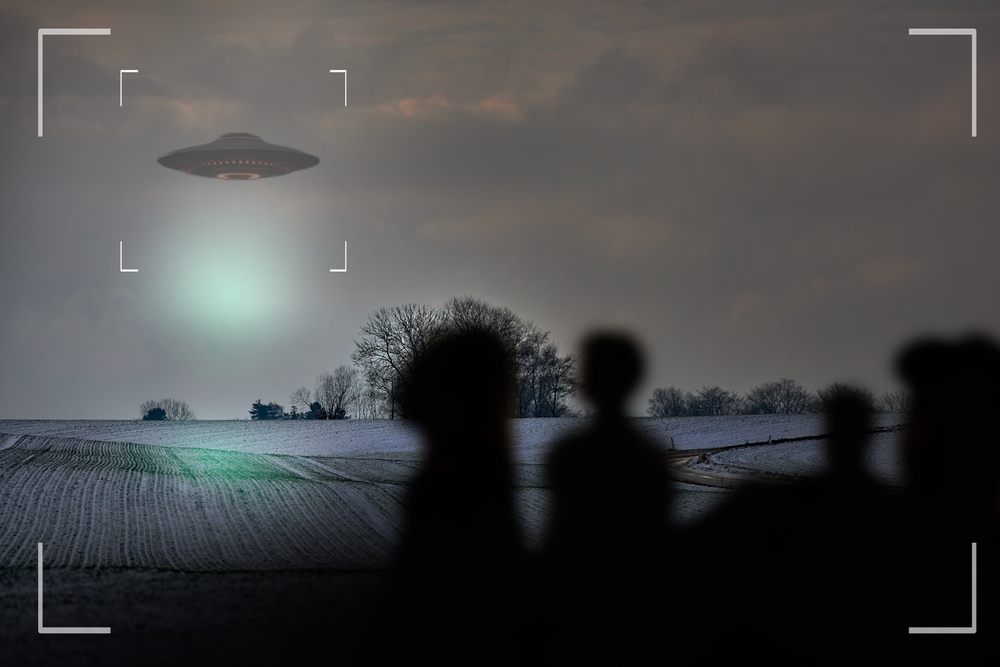
Burchett’s warning did not exist in isolation. He also pointed to what he described as a troubling pattern involving individuals connected to advanced research and classified programs. According to him, there have been cases in which scientists or officials linked to sensitive work have died or disappeared under unclear circumstances.
These claims are difficult to verify and were not accompanied by specific evidence. However, they align with a narrative that has circulated for decades within certain communities. The idea is that knowledge about UFOs is not only classified but actively suppressed, with consequences for those who attempt to bring it into the public domain.
Reports referenced during his interview suggested that several defense scientists had died or gone missing within a relatively short period of time. While these reports remain unconfirmed and should be approached with caution, they have contributed to a sense of unease surrounding the issue.
From a political standpoint, these claims raise serious questions. If true, they would suggest a level of secrecy that goes beyond standard national security practices. If untrue, they highlight the risks of speculation filling the gaps left by limited information.
Burchett framed his concerns as a matter of accountability. He argued that the public has a right to know what their government knows, particularly when it involves phenomena that could have global implications. His stance reflects a broader push within parts of Congress to increase transparency on issues that have historically been kept behind closed doors.
Trump’s Promise and the Silence That Followed
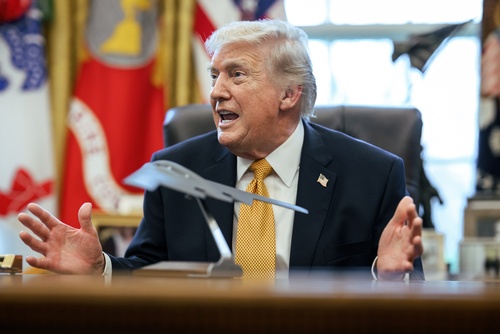
The debate over UFO disclosure has also drawn in former President Donald Trump, who earlier this year made a public commitment to releasing government files related to extraterrestrial life and unidentified aerial phenomena.
In a social media statement, Trump announced that he would direct federal agencies to begin identifying and releasing relevant documents. The announcement was met with immediate interest, especially among those who have long believed that governments are withholding critical information.
However, as months have passed, the anticipated wave of disclosures has not materialized. While officials have suggested that documents may be released in the future, there has been little visible progress.
There have been subtle signals that preparations could be underway. Government agencies registered the domains alien.gov and aliens.gov, a move that many interpreted as a sign that a centralized information platform might be planned. Yet both websites remain inactive, offering no additional clarity.
This gap between promise and action has become a familiar pattern in the history of UFO disclosure. Announcements generate excitement, expectations rise, and then progress appears to stall. For critics, this reinforces the belief that information is being carefully controlled.
At the same time, it is important to consider alternative explanations. The process of declassifying sensitive information is often slow and complex. It involves legal reviews, national security considerations, and coordination between multiple agencies. What may appear as delay could also reflect bureaucratic reality.
Differing Views Within Political Leadership
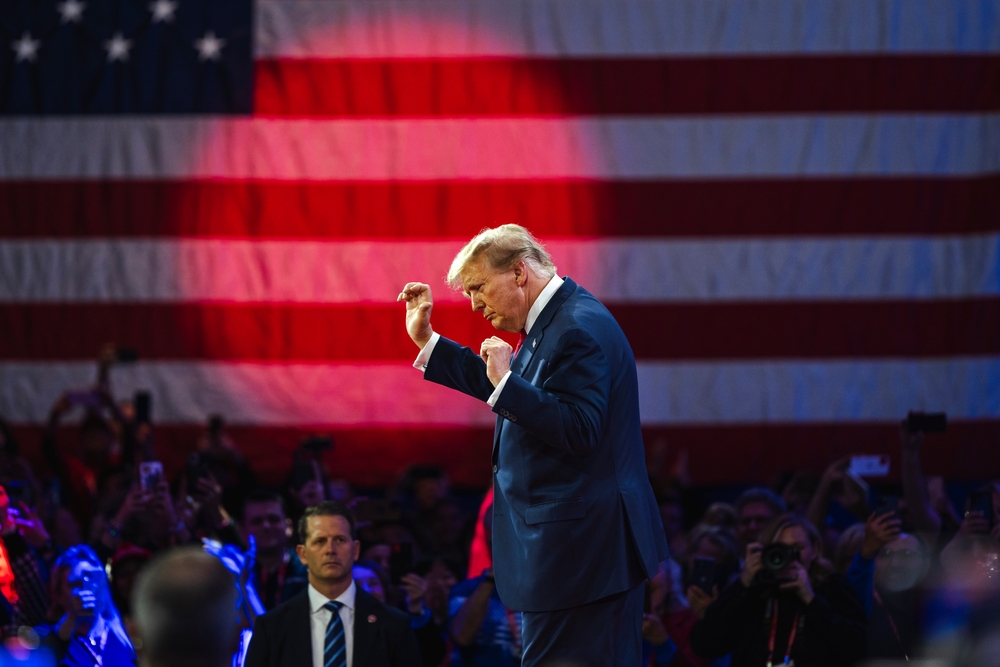
One of the most revealing aspects of the current debate is the lack of consensus among political leaders. While some figures, like Burchett, push for aggressive transparency, others approach the issue with caution or offer entirely different interpretations.
Vice President JD Vance has publicly expressed interest in UFOs but has suggested that they may not be extraterrestrial in origin. Instead, he has floated alternative explanations that move away from the idea of alien visitation.
These contrasting perspectives highlight the uncertainty that surrounds the subject. Even among those with access to classified briefings, there is no unified understanding of what these phenomena represent.
This diversity of views is not necessarily a weakness. It reflects the complexity of the issue. When evidence is limited or inconclusive, interpretation becomes more varied.
At the same time, the lack of agreement can make it more difficult for the public to form a clear picture. When leaders present conflicting narratives, it can deepen confusion rather than resolve it.
What Former Presidents Have Said
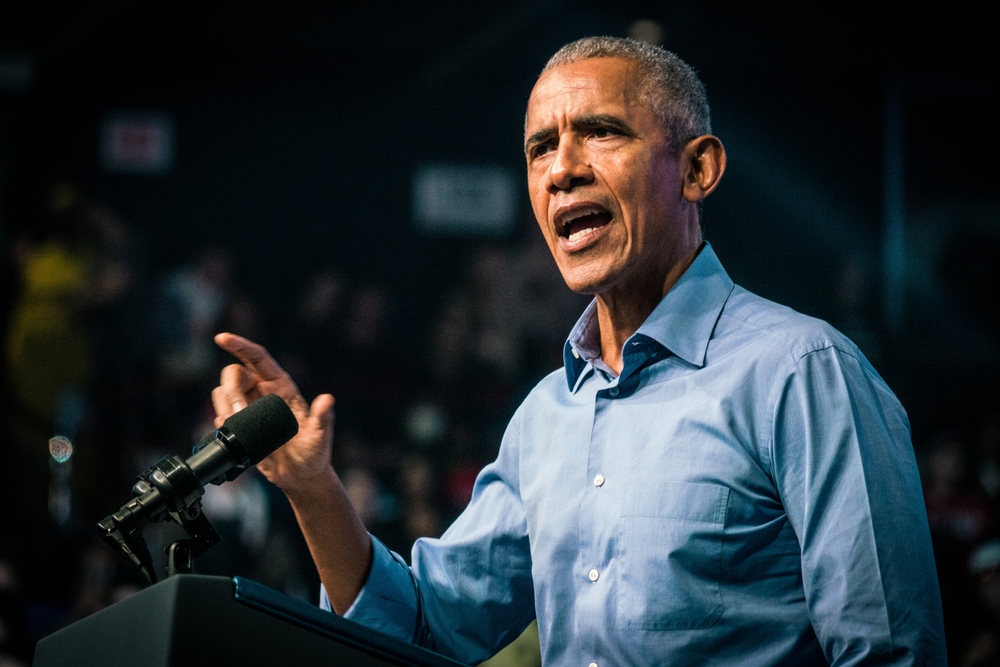
The discussion around UFOs is not limited to current officials. Former President Barack Obama has also addressed the topic, offering a more measured and cautious perspective.
Obama has stated that when he first took office, he asked directly whether the United States possessed alien technology or biological specimens. According to him, the answer was no.
He has acknowledged that unidentified aerial phenomena are real in the sense that there are objects observed by military pilots that do not have clear explanations. However, he has consistently emphasized that there is no confirmed evidence of extraterrestrial contact.
This approach reflects a broader tradition among past leaders. While they may acknowledge the existence of unexplained phenomena, they tend to avoid drawing conclusions that go beyond the available evidence.
The contrast between Obama’s measured tone and Burchett’s more dramatic warnings illustrates the range of perspectives that exist within political leadership. It also underscores the challenge of balancing transparency with responsibility.
Between Evidence and Speculation

At the heart of the UFO debate lies a fundamental tension between evidence and speculation. Over the past several years, the U.S. government has taken steps to formalize the study of unidentified aerial phenomena. Military footage has been declassified, and official reports have acknowledged that certain sightings remain unexplained.
These developments have helped move the conversation into the mainstream. They demonstrate that the phenomenon is being taken seriously at institutional levels.
However, the information released so far has not provided definitive answers. There is still no publicly available evidence confirming the existence of extraterrestrial life or advanced non human technology.
This gap creates space for interpretation. For some, it suggests that critical information is being withheld. For others, it highlights the limits of current scientific understanding.
Burchett’s statements clearly align with the belief that more is known than has been revealed. His warnings suggest that the truth is not only hidden but potentially transformative.
From a political perspective, this raises important questions about how information is managed and communicated. It also highlights the difficulty of addressing topics that sit at the edge of scientific knowledge.
Public Curiosity and Growing Pressure

Public interest in UFOs has grown significantly in recent years. Social media, documentaries, and official reports have all contributed to a shift in how the topic is perceived.
What was once treated as a fringe interest is now part of mainstream conversation. People from a wide range of backgrounds are engaging with the subject, asking questions, and demanding answers.
Burchett has pointed out that many of his constituents care deeply about the issue. He has described interactions with individuals who are willing to risk their reputations to share their experiences or push for greater transparency.
This growing curiosity places pressure on governments to respond. The demand for information is no longer limited to niche communities. It is becoming part of a broader conversation about trust and accountability.
At the same time, the lack of clear answers can lead to frustration. When information is limited, speculation often fills the gap. This can make it more difficult to separate credible claims from unfounded theories.
A Debate That Continues to Evolve

The renewed focus on UFOs shows no sign of fading. With political figures continuing to speak out and government agencies hinting at future disclosures, the issue remains firmly in the spotlight.
Burchett’s comments have added urgency to the conversation. Whether his claims are eventually supported or not, they reflect a growing belief that there may be more information than has been publicly acknowledged.
At the same time, the absence of concrete evidence means that caution remains essential. Extraordinary claims require strong proof, and that proof has not yet been presented to the public.
The debate is likely to continue evolving as new information emerges. Advances in technology, changes in political leadership, and ongoing investigations could all shape the direction of the conversation.
Where Truth and Uncertainty Meet
The idea that hidden knowledge about UFOs could reshape public understanding is both compelling and unsettling. Tim Burchett’s warning captures that tension, offering a glimpse into a possibility that remains just out of reach.
For now, the truth remains uncertain. Promises of disclosure have yet to be fulfilled, and the gap between claims and evidence continues to define the narrative.
What this moment ultimately reveals is a broader issue about trust. As public curiosity grows, so does the expectation that governments will provide clearer answers.
Whether those answers will bring clarity or deepen the mystery is something that remains to be seen. What is certain is that the conversation is no longer on the fringes. It is now part of mainstream political discourse, and it is unlikely to disappear anytime soon.