
Your cart is currently empty!
Walmart Tried Something Drastic In One Store And It Actually Worked
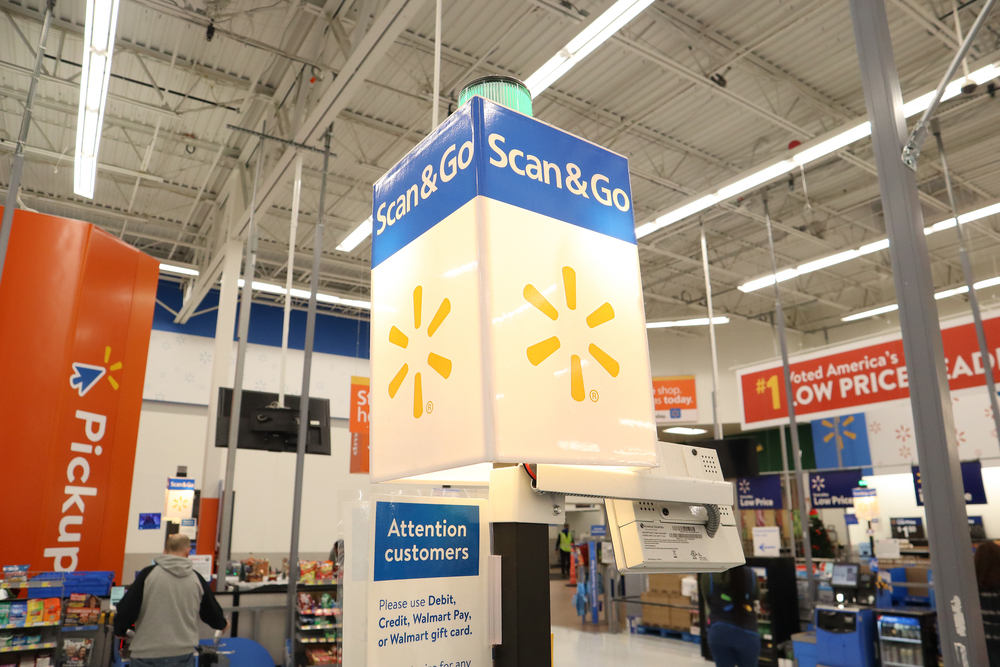
Something strange started happening inside one Walmart store in Missouri, and it was not the kind of problem that could be ignored or quietly managed behind the scenes. Police were being called again and again, with incidents stacking up at a pace that raised serious concern about what was actually happening inside the store’s self-checkout area.
Contents
show
Then the store made one decisive change that completely altered the situation almost overnight. The result was not subtle, not gradual, and not open to interpretation. Within months, the numbers dropped so sharply that even local law enforcement openly acknowledged how significant the shift had been.
What Actually Happened Inside That Walmart Store
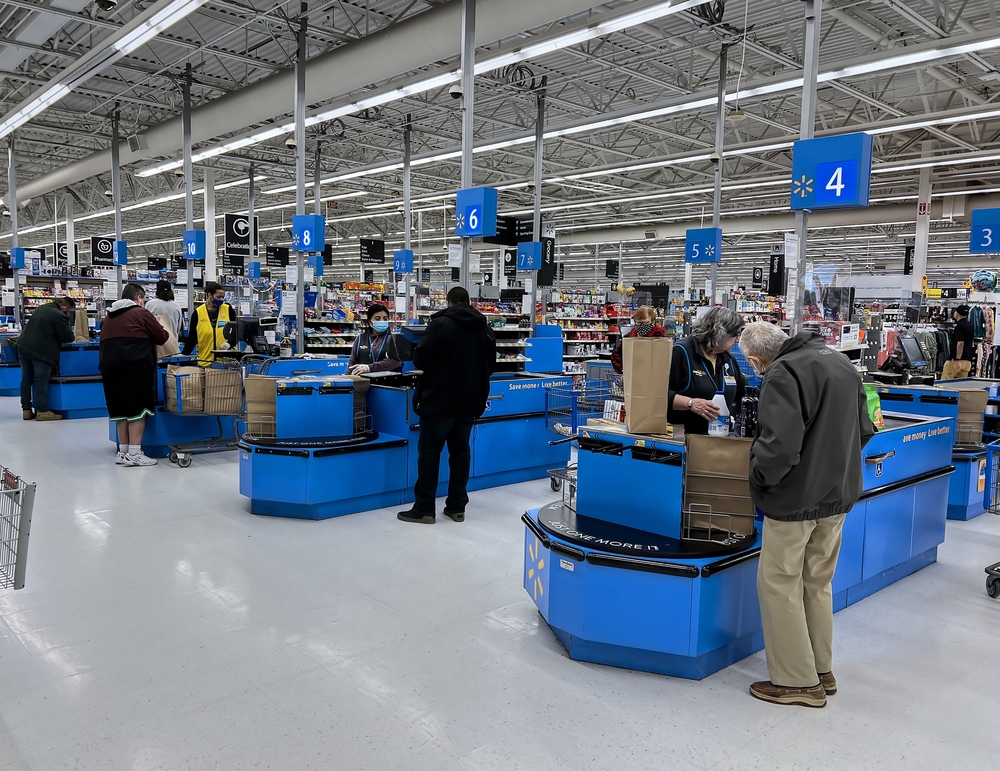
At a Supercenter in Shrewsbury, Missouri, Walmart made a move that surprised both customers and officials who had been watching the situation unfold. The retailer removed every single self-checkout machine from the store, eliminating a system that had once been promoted as the future of retail convenience. This was not framed as a temporary experiment or a short-term fix designed to test new workflows, but a permanent removal that signaled the company had reached a firm conclusion.
The decision came after years of repeated police calls tied to theft incidents, many of which were linked directly to how easy it had become for items to go unscanned or unnoticed at the machines. According to local reports, the Shrewsbury Police Department responded to 509 calls at the Walmart location between January and May last year, a number that reflected just how frequent these issues had become inside the store.
After the self-checkouts were removed, that number dropped to 183 during the same period this year, marking a sharp and immediate decline that stood out clearly. Arrests followed the same pattern, falling from 108 to just 49, cutting the figure by more than half and reinforcing that something fundamental had shifted in how the store operated on a daily basis.
Police chief Lisa Vargas addressed the change directly, saying, “That’s a huge change. We really appreciate Walmart taking initiative and removing those self-checkers.” Her comment reflected how clearly the data supported the decision and how visible the impact had been from a law enforcement perspective.
Why Self-Checkout Started Backfiring
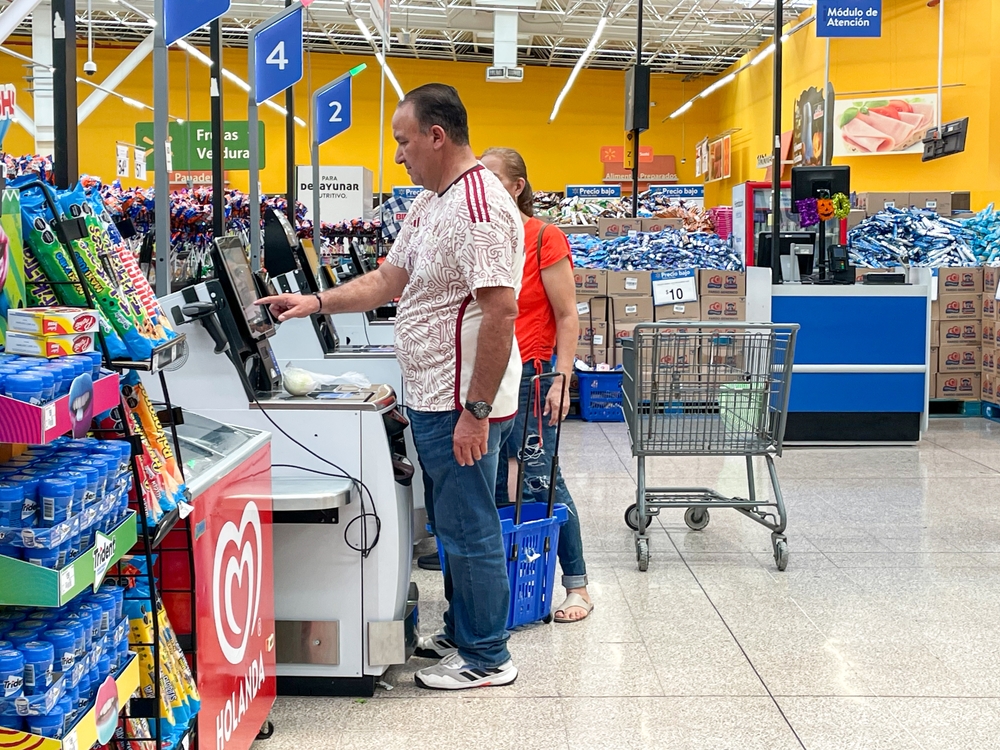
Self-checkout machines were originally introduced with the promise of faster shopping and reduced staffing costs, offering a streamlined experience that many retailers believed would reshape how stores operated. Over time, that promise began to unravel as real-world use exposed weaknesses that became harder to control, especially in busy locations.

Some customers struggled with the machines, leading to mistakes where items were not scanned correctly or totals were inaccurate. Others recognized how easy it was to exploit the system, intentionally skipping scans or misreporting items in ways that were difficult for staff to catch in real time, especially when only a few employees were monitoring multiple kiosks.
Christopher Andrews, author of “The Overworked Consumer,” explained how retailers misunderstood the impact of shifting responsibility onto customers, stating, “They ended up realizing that they’re not saving money, they’re losing money.” His comment captured the broader issue that many stores are now confronting.
Frustration also played a role, as machines frequently froze, rejected items, or required staff assistance to complete transactions. Shoppers often found themselves waiting, dealing with repeated errors, or abandoning the process entirely, which added another layer of tension to an already flawed system.
The New Security Fix That’s Going Viral
Removing machines is only one part of Walmart’s response, as the company has also started introducing new physical safeguards in stores that still use self-checkout. These changes have quickly drawn attention online, with images and comments spreading across social platforms.
A bright yellow cover has been installed over card readers on certain machines, creating a visible barrier designed to prevent tampering. An employee described the device online as a “chastity belt” for the pin pad, and the nickname quickly gained traction as people shared photos and reactions.
The purpose of the device is to block criminals from attaching skimming tools that can capture sensitive payment information. Card skimming involves placing illegal devices on or inside readers to collect data, which can then be used for unauthorized purchases, identity theft, or counterfeit cards.
In some cases, criminals go further by installing hidden cameras to capture PIN numbers as customers enter them, adding another layer of risk that makes compromised machines especially dangerous for everyday shoppers.

How To Spot A Compromised Machine
Walmart and security experts have pointed out several warning signs that can help customers identify whether a machine may have been tampered with before completing a transaction. Paying attention to small details can help avoid serious financial consequences.
- A loose or wobbly card reader that does not feel securely attached
- A keypad that appears thicker than usual or behaves differently when pressed
- Parts that look misaligned or off-center compared to the rest of the machine
- Missing or damaged security tape that normally indicates the device is intact
These signs may seem minor at first glance, but they often indicate that something has been altered and should not be trusted for entering payment details.
This Shift Is Happening Beyond One Store
The situation in Missouri is not an isolated case, as Walmart has already removed self-checkout machines from a location in Cleveland and is reportedly reviewing the system across other stores. This suggests the company is rethinking a strategy that was once seen as central to the future of retail.
Even as it pulls back, Walmart is still investing in alternative systems designed to maintain convenience while improving security. One of the main options being tested is Scan and Go at Sam’s Club, where customers use a mobile app to scan items as they shop and complete payment directly through their phone.

The system uses QR codes and artificial intelligence to track purchases in real time, offering a different approach that aims to reduce theft without removing speed from the shopping experience.
Whether this new model proves more effective remains unclear, but one thing is already obvious from the data coming out of Missouri. Removing self-checkout did not just change the store’s layout, it changed the outcome in a way that is difficult to ignore.