
Your cart is currently empty!
We Become Like the Ones We Love: Why Dogs and Owners Share a Personality
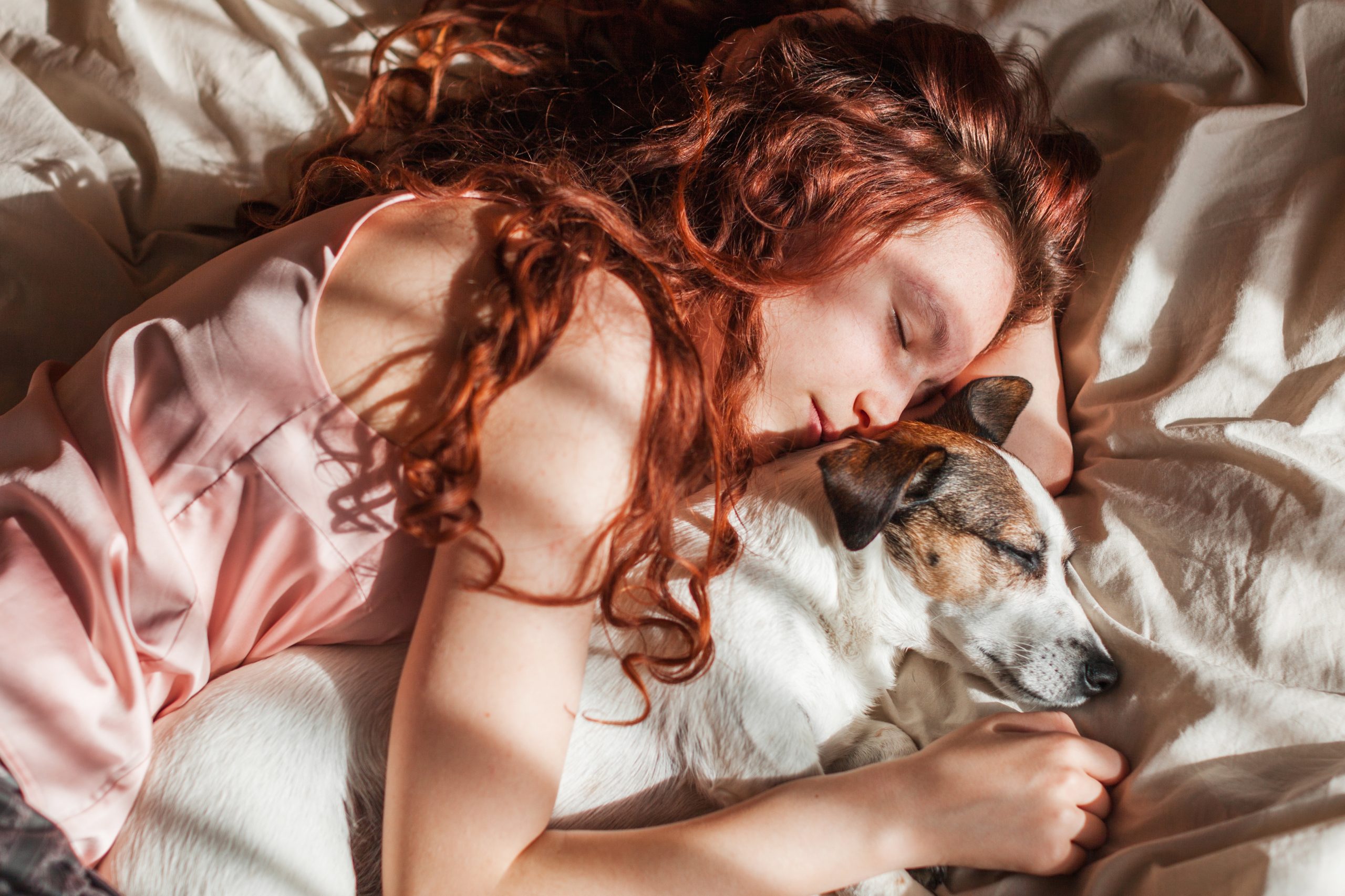
The idea that dog owners and their canine companions grow to resemble one another is a trope as old as the love we share with our dogs. It’s famously captured in the opening of Disney’s 101 Dalmatians, where human-canine pairs parade down the street as near-identical doppelgangers. For decades, this was dismissed as a simple, funny coincidence, a cognitive bias where we only notice the pairs that do match.
Contents
show
But as anyone who has ever truly loved a dog knows, the connection often feels much deeper than that. Now, a growing body of scientific research confirms it’s not just in our heads: this mirroring is a real and profound phenomenon.
How Dogs Attune to Our Emotions
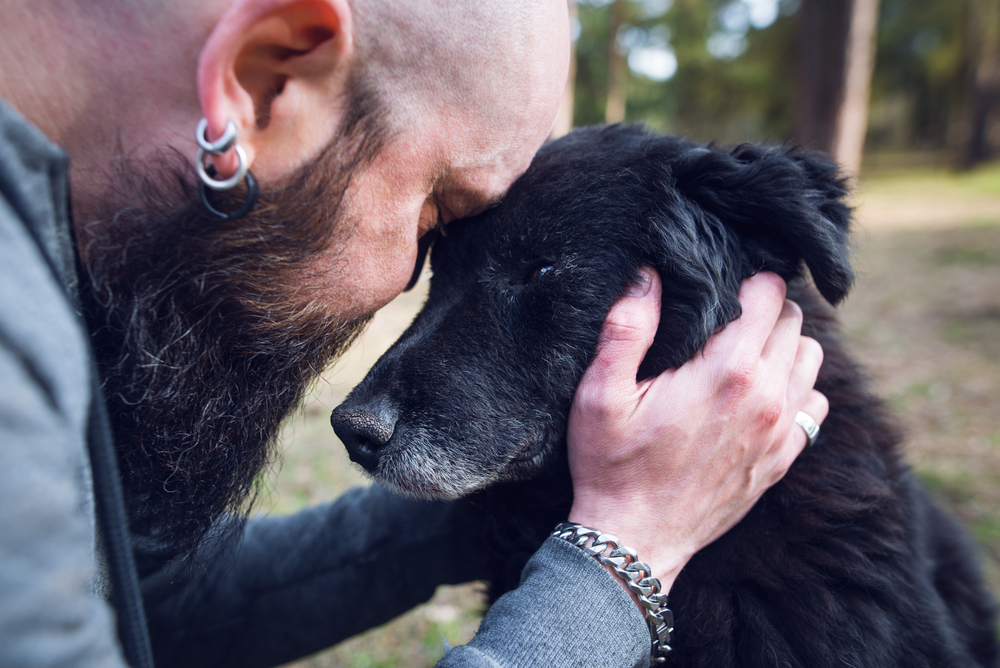
A large-scale study from Michigan State University found canine personalities are not “set in stone” but are malleable and significantly influenced by their owners. This “development,” or convergence, happens in two powerful ways.
First is physiological synchrony. Our dogs attune to our internal state. A 2019 study in Scientific Reports analyzed the stress hormone cortisol in the hair of both dogs and owners, a marker for chronic stress. The results showed a clear match: relaxed owners had relaxed dogs (low cortisol), and stressed owners had stressed dogs (high cortisol). This emotional contagion also happens in the short term. Another study found that a dog’s Heart Rate Variability (HRV), a stress indicator, will mirror their owner’s. This physiological link strengthens with the duration of ownership, showing they learn to co-regulate.

The second mechanism is social learning. Dogs are expert readers of human emotional cues. An owner’s personality is the dog’s environment. An extraverted, sociable owner provides more positive reinforcement for outgoing behavior, unconsciously “teaching” the dog to be more confident. Conversely, a neurotic or anxious owner may be inconsistent and jumpy. This behavior teaches the dog to also be cautious and emotionally unstable, learning that the world is a place to be worried about.
It Starts at “Hello”: The Power of That First Connection
While the evidence that we shape our dogs is compelling, it’s not the whole story. A large part of the “like owner, like dog” phenomenon is driven by selection: we tend to choose dogs that are already, in some way, a reflection of us.
This is most obvious with physical appearance. A foundational 2004 study by Michael Roy and Nicholas Christenfeld found that independent observers could successfully match photos of purebred dogs with their owners at a rate significantly higher than chance. This matching effect collapsed for non-purebreds, leading researchers to conclude this was a clear-cut case of selection, not dogs and owners growing to look alike. The purebred’s predictable appearance simply allows an owner to successfully select their “doppelganger.”
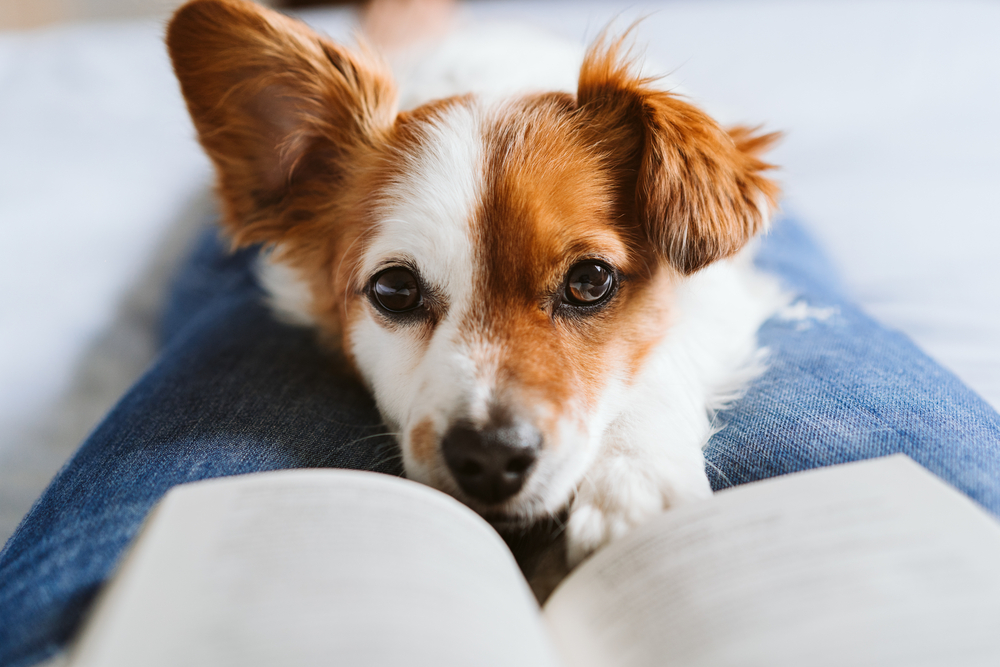
Why? Psychologists propose it’s a deep-seated preference for the familiar. This “mere-exposure effect” suggests we are subconsciously drawn to our own features, as they feel safe and comforting. This subtle matching isn’t holistic; research has found the perceived similarity is often centered on the eyes, a key feature in human social bonding.
This selection hypothesis also applies to personality. An active, extraverted person is likely to feel an instant connection with a high-energy dog. A shy, reserved person may feel a pull toward a calm, gentle dog. This initial choice, this spark of recognition, sets the foundation for the relationship. The development and convergence we see later is often just building on a foundation that was set from day one.
Finding Your Canine Partner
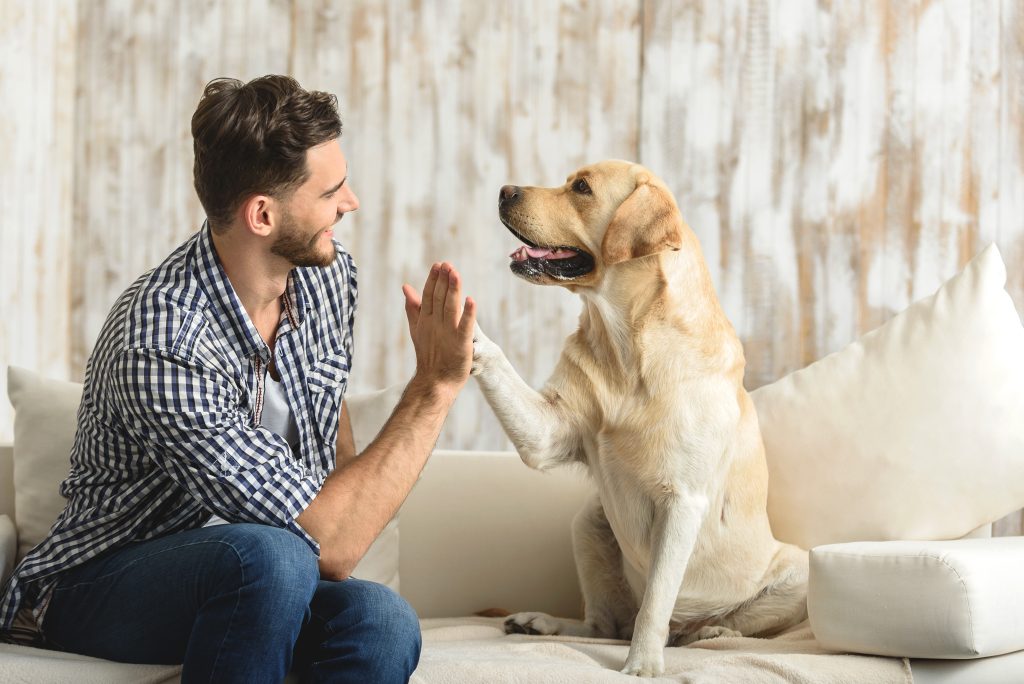
The new research makes a critical and heartfelt distinction: the goal of a good relationship is not “similarity.” It’s “compatibility.” Sometimes, being alike is wonderful. But in other cases, the best, most functional, and most loving dyads are built on complementary traits that balance each other.
A recent systematic review of 29 studies identified the key determinants of a functional and satisfying relationship. It found that the most compatible pairs often did match on key lifestyle and emotional traits. They shared similar levels of warmth, a mutual enjoyment of spending time outdoors, and a similar tendency (or lack thereof) to share possessions. These shared values make for an easy, low-conflict daily life.
However, the review also found that similarity isn’t always ideal. In some cases, a dog’s personality can serve a “buffering” function, actively compensating for a trait the owner lacks.
Think of it this way: for an owner who is naturally reserved or finds social situations difficult, a highly open and agreeable dog isn’t a “mismatch”; it’s a bridge. That dog, with its wagging tail and open-hearted nature, acts as a “social facilitator.” It breaks the ice, draws new, positive interactions toward the owner, and makes the world feel like a friendlier place.
In other cases, “complementarity,” or being opposites, is even better. The clearest example from the research is on the axis of dominance. The combination of a dominant, assertive dog and a submissive, passive owner was found to be highly challenging and a recipe for a stressful home life. The most functional and peaceful relationships were often a pairing of similarly friendly individuals who were opposite in dominance and submissiveness, creating a natural, stable balance.
The Insecure Leash: When Attachment Becomes a Problem

Studies also provide a compassionate warning: certain owner traits are clear risk factors for a dysfunctional dyad, often leading to severe behavioral problems in the dog. The problem isn’t “too much love,” researchers state, but “insecure attachment.”
The most replicated risk factor is high owner neuroticism. For a dog, an insecure, highly anxious owner creates a confusing environment. The owner’s anxiety is “telegraphed” through a tense leash or high-pitched voice. This creates a cycle of stress, often leading to canine aggression, fear, and general anxiety.
This leads to anxious attachment, or the “overly attached” owner. This can create a codependent trap. The owner, often driven by their own anxiety or guilt, “fails to teach the dog coping skills or independence.” They may hate leaving the dog alone because they feel bad about it. This is a primary driver of true separation anxiety, as the owner’s panic is transferred to the animal, who never learns that being alone is safe.
A second path is avoidant attachment. This owner is emotionally distant or “less consistently responsive to the dog’s needs.” They may love the idea of the dog but fail to provide the consistent interaction the dog needs to feel secure. By failing to provide a “secure base,” this style is also correlated with serious behavioral problems, including owner-directed aggression and separation disorders. The dog’s needs are not met, leading to deep anxiety.
This reveals a critical distinction: both forms of insecure attachment can lead to separation anxiety. The anxious owner smothers the dog, while the avoidant owner neglects its emotional needs. Both paths create an insecure dog that cannot cope.
Your Health Shapes Your Dog’s
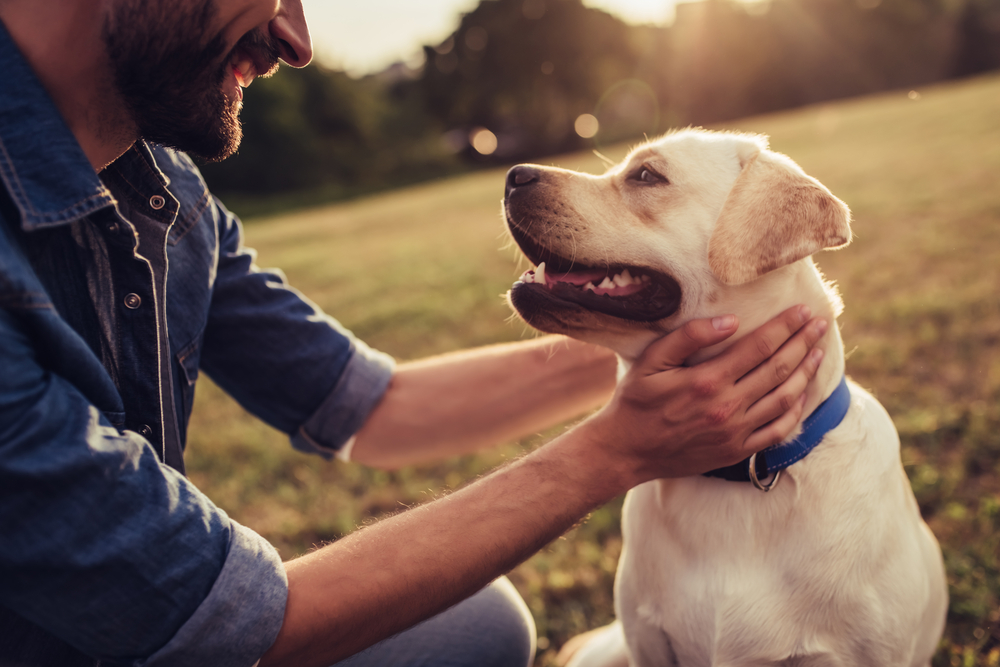
For those of us who already share our lives with a dog, this science is a beautiful, if challenging, invitation. Our dogs are living, breathing, tail-wagging mirrors. They reflect back the energy we put out into the world. Our own anxiety, stress, and emotional state directly influence their behavior, a concept that researchers call “One Health,” which recognizes that our well-being and theirs are permanently intertwined. If you see persistent anxiety or fear in your companion, this research asks us to look gently inward, not with blame, but with compassion and curiosity. Understanding our side of the leash is the first and most powerful step to healing theirs, strengthening a bond that is already one of the most special on earth.
This journey of self-awareness transforms how we find our canine partners. For those looking to bring a dog into their life, the message is clear: look beyond a cute face or a specific breed. The most successful, joyful, and permanent adoptions are built on a foundation of true compatibility. Be honest about your own personality, your energy, and the life you can truly provide. By prioritizing this “good match,” we give both ourselves and our future companions the best possible gift. We create a relationship that is destined to be a source of mutual well-being, joy, and unconditional support, rather than one of stress and struggle.
Source:
- Yana Bender, Franziska Roth, Stefan Schweinberger, Simone Witte, Juliane Bräuer, Like owner, like dog – A systematic review about similarities in dog-human dyads, Personality and Individual Differences, Volume 233, 2025, 112884, ISSN 0191-8869, https://doi.org/10.1016/j.paid.2024.112884.