
Your cart is currently empty!
The Real Reason Wheat Thins Are Restricted In Japan And The UK

Few things feel as harmless as opening a box of crackers for a quick snack. Wheat Thins have long occupied that comfortable middle ground between indulgent chips and health-conscious whole grain options. Marketed as toasted, wholesome, and fiber-friendly, they are a staple in many American pantries. Paired with cheese, hummus, or fruit, they are often framed as a smarter alternative to more heavily processed snack foods.
Contents
show
So it catches people off guard when they learn that Wheat Thins are banned or restricted in places like Japan, the United Kingdom, and parts of the European Union. The reason is not the wheat itself, nor the sodium content, nor even the sugar levels. Instead, attention centers on a synthetic preservative known as butylated hydroxytoluene, or BHT. Animal studies have linked BHT to endocrine disruption, organ toxicity, and certain cancers, prompting some countries to adopt precautionary restrictions.
The story, however, is more complex than a simple good versus bad narrative. Regulatory philosophies differ across regions. Scientific findings are often nuanced rather than definitive. And consumer perception can shift dramatically based on headlines alone. To understand why this familiar cracker has become part of a global debate, it helps to step back and examine how food safety works, what the research actually says, and what it means for everyday snackers.

The Ingredient at the Center of the Debate
BHT is a synthetic antioxidant derived from petroleum. It is used in a wide range of packaged foods to prevent fats and oils from becoming rancid. By slowing oxidation, BHT extends shelf life and preserves flavor. In practical terms, it helps keep crackers crisp and fresh for months on grocery store shelves.
In the United States, BHT is approved by the Food and Drug Administration for use in small quantities. It is classified as generally recognized as safe when used within established limits. This approval reflects a regulatory approach that weighs available evidence and determines whether typical consumption levels pose a demonstrated risk to human health.
In contrast, many European regulators operate under what is known as the precautionary principle. If credible evidence suggests a substance may pose harm, even if that evidence is not yet conclusive in humans, regulators may restrict or prohibit its use until safety is more definitively established. Under European Union Regulation 1333 of 2008 on food additives, the use of certain synthetic preservatives is more tightly controlled. Japan’s Food Sanitation Act similarly restricts additives that raise carcinogenic concerns.
Animal studies have fueled much of the controversy surrounding BHT. Research involving mice and rats exposed to high doses over extended periods found increased inflammation, lung tumors, reduced lung function, and signs of kidney and liver stress. Some studies have suggested potential endocrine-disrupting effects, meaning the chemical could interfere with hormone systems at certain exposure levels. Other experiments have indicated organ toxicity in animals when administered in quantities far exceeding what a typical human would consume through snacks.
However, human studies have not produced clear evidence that BHT causes cancer or serious disease at normal dietary levels. Research published in journals such as Food and Chemical Toxicology in the late 1990s and early 2000s reported no conclusive carcinogenic effects in humans and even explored possible anti-carcinogenic properties under certain conditions. The gap between high-dose animal findings and real-world human exposure is at the heart of the regulatory divide.
Different Safety Philosophies Across Borders

When people hear that a product is banned abroad, the immediate reaction is often alarm. If it is not allowed there, why is it allowed here? Yet the answer often lies not in dramatic new evidence, but in fundamentally different risk management frameworks.
In the United States, regulators typically ask whether there is sufficient proof of harm at levels people actually consume. If data show that typical exposure falls within acceptable daily intake thresholds, the ingredient may remain approved. This model assumes that risk is dose-dependent and that small amounts can be tolerated without measurable danger.
In much of Europe and in countries like Japan, regulators often begin from a more cautious premise. If a substance has demonstrated potential harm in credible studies, particularly those involving carcinogenicity or endocrine disruption, the burden of proof shifts toward demonstrating safety beyond doubt. If uncertainty remains, restriction may follow. The idea is that avoiding even a small hypothetical risk is preferable to allowing widespread exposure while awaiting definitive human data.
Neither model is inherently irrational. Both attempt to protect public health. The difference lies in tolerance for uncertainty. The American approach emphasizes demonstrated harm at realistic doses. The European and Japanese approaches emphasize minimizing exposure when credible red flags exist.
Wheat Thins have become a symbol of this philosophical divide. They are not uniquely hazardous compared to other processed foods. Rather, they contain or are packaged with an additive that some governments consider questionable enough to restrict.

The Packaging Factor and Regulatory Nuance
An additional layer of complexity comes from how BHT is used. Some reports indicate that BHT may be present not only in the cracker formulation but also in the packaging materials designed to preserve freshness. Migration from packaging into food is regulated separately in many jurisdictions, and even trace amounts can trigger scrutiny under stricter additive policies.
This nuance often gets lost in viral headlines. Consumers may assume that the cracker itself is inherently toxic, when in reality the debate may concern either the formulation, the packaging, or both. Regulatory agencies evaluate total exposure from all sources, including cumulative dietary intake from multiple products that contain similar preservatives.
For multinational corporations, this creates logistical challenges. Reformulating products to comply with one region’s standards can increase production costs, alter taste, or shorten shelf life. In 2018, efforts to introduce organic or additive-free versions of certain snack products in Scandinavian markets faced economic hurdles. Negotiations over grain sourcing, labeling requirements, and packaging recyclability can extend for months. If consumer demand does not justify the expense, companies may decide against entering that market altogether.
The result is a patchwork global landscape where the same brand may have different formulations depending on the country. What is sold in the United States might not meet European import criteria, even if the underlying wheat, salt, and oil remain similar.
Health Concerns and the Question of Long-Term Exposure

Endocrine disruption and organ toxicity are serious terms. They deserve careful examination rather than casual dismissal or exaggerated fear. Endocrine disruptors are chemicals that can interfere with hormone systems, potentially affecting growth, metabolism, reproduction, or immune function. Animal research has suggested that high levels of BHT may influence hormonal pathways in rodents. Organ toxicity findings have included liver enlargement, kidney stress, and pulmonary effects at elevated doses.
The key variable is dose. In toxicology, the principle that the dose makes the poison is central. Many substances that are harmless or even beneficial in small quantities can cause damage in large amounts. Water, for example, can be lethal in extreme excess. The same logic applies to synthetic antioxidants.
Current regulatory assessments in the United States set acceptable daily intake limits far below levels associated with adverse effects in animal studies. For an average consumer who eats Wheat Thins occasionally as part of a varied diet, estimated exposure to BHT is typically within those safety margins. That is why U.S. regulators have not moved to ban the ingredient outright.
Still, critics argue that cumulative exposure matters. BHT appears in cereals, snack foods, chewing gum, and some cosmetic products. Even if each source contributes only a small amount, combined intake over years may raise questions that have not been fully answered by long-term human studies. Parents, in particular, may worry about repeated exposure in children whose bodies are still developing.
It is also worth noting that 95 percent of Americans do not meet recommended fiber intake levels. Wheat Thins, with approximately three grams of fiber per serving, offer some nutritional benefit compared to refined flour crackers. For some households, replacing them with less processed options might reduce additive exposure but also increase costs or reduce convenience.
The Role of Media and Social Amplification
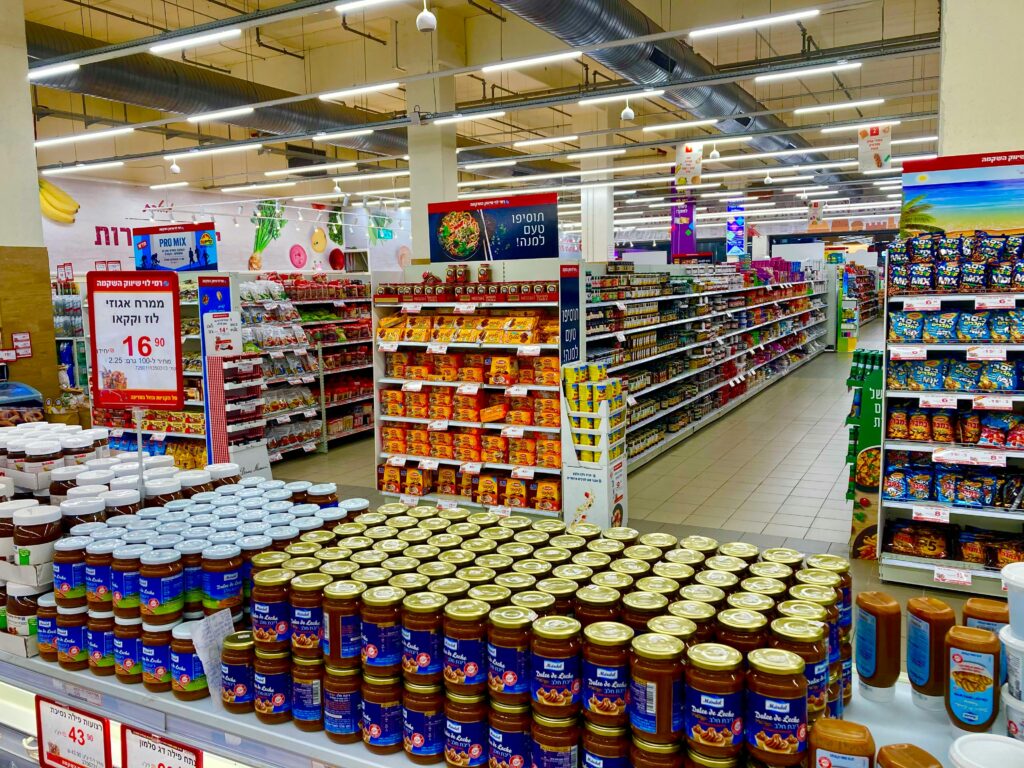
Interest in American foods banned overseas has surged in recent years, fueled by documentaries, social media influencers, and viral posts. Lists of products supposedly forbidden in Europe circulate widely, often without full context. Wheat Thins frequently appear on such lists.
The framing can be misleading. Headlines may suggest that the product is proven to cause cancer or that governments have discovered new catastrophic evidence. In reality, many restrictions stem from longstanding policy differences rather than recent revelations. Scientific uncertainty does not translate neatly into viral content, so nuance often disappears.
Alarmist messaging can have unintended consequences. Consumers may experience unnecessary anxiety or lose trust in institutions without fully understanding the data. On the other hand, public scrutiny can push companies to reconsider formulations and explore cleaner alternatives. In 2015, some major food manufacturers announced plans to remove BHT from certain cereal products, citing consumer preference rather than explicit safety concerns.
The tension between reassurance and vigilance defines much of the current conversation. People want to feel confident in their food supply, yet they also want transparency and accountability.
Clean Labels, Consumer Choice, and Practical Tradeoffs
For shoppers who prefer to minimize synthetic additives, options exist. Brands that carry organic certification or non GMO verification often avoid preservatives like BHT. Alternatives such as whole grain crackers made with simple ingredient lists or imported crispbreads that comply with European standards are widely available in many supermarkets.
However, these alternatives can come at a higher price point. Premium almond flour crackers or specialty seed blends may cost nearly double the price of conventional Wheat Thins. For families balancing grocery budgets, selective substitution may be more realistic than a complete overhaul of pantry staples.
Reading ingredient lists remains one of the most effective tools for informed choice. BHT, BHA, TBHQ, and artificial colors are typically listed clearly. Understanding personal priorities can help guide decisions. Some consumers are comfortable with ingredients approved by domestic regulators. Others prefer to align with stricter international standards, especially when feeding children regularly.
It is also important not to equate the presence of whole grains with an overall clean label. Processing level, added sugars, sodium content, and additive profile all contribute to a product’s nutritional footprint. No single cracker determines the quality of a person’s diet, but patterns over time do matter.
Corporate Incentives and the Future of Reformulation
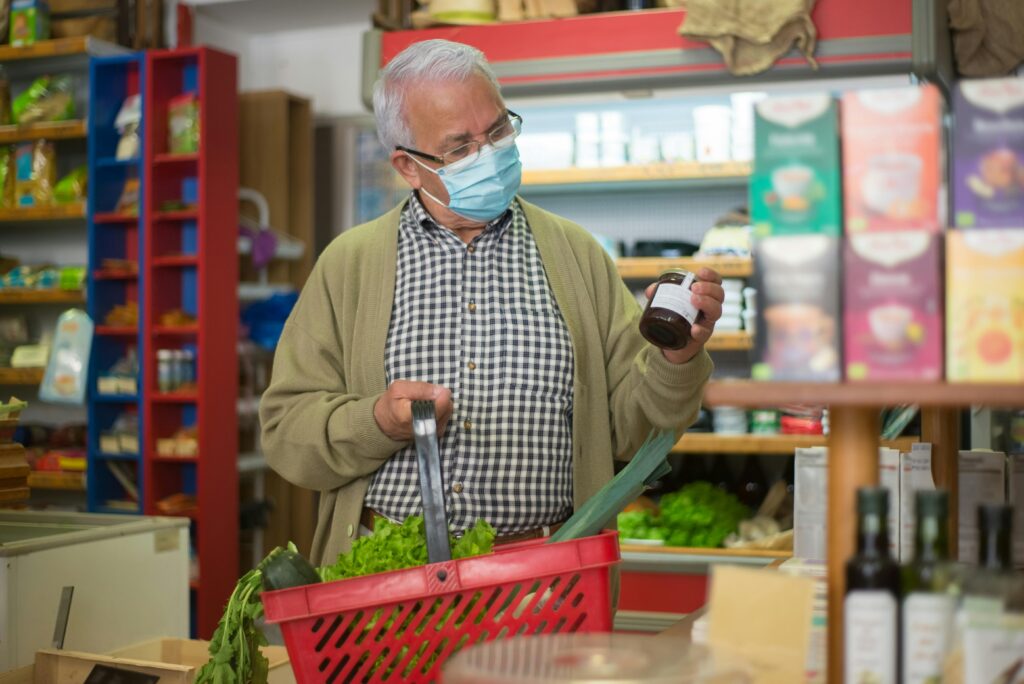
Multinational food companies operate in a competitive environment shaped by both regulation and consumer demand. When shoppers voice concerns about additives, brands often respond by exploring reformulation. Removing a preservative like BHT may require adjustments to packaging technology, supply chains, and shelf life expectations.
In markets where regulators already prohibit certain additives, reformulation is not optional. In the United States, where approval remains in place, the decision is largely driven by consumer sentiment. If enough shoppers prioritize additive free labels, economic incentives shift accordingly.
There is precedent for such changes. Several major cereal brands have phased out controversial preservatives over the past decade, even when regulators maintained that existing levels were safe. Companies have recognized that perception can influence purchasing behavior as strongly as scientific consensus.
For Wheat Thins specifically, the path forward may involve region specific formulations or gradual reformulation if market pressure intensifies. Food manufacturing is rarely static. Ingredient lists evolve as research develops and consumer expectations shift.
Reflecting on Risk, Trust, and Everyday Choices

The story of Wheat Thins being banned in Japan, the United Kingdom, and other European regions because of BHT highlights more than just one snack. It reveals how societies negotiate uncertainty, balance economic practicality with precaution, and interpret evolving scientific evidence.
For the average American who enjoys a handful of crackers with lunch, there is no immediate cause for panic. Current regulatory assessments indicate that occasional consumption falls within established safety limits. Human studies have not conclusively demonstrated carcinogenic effects at dietary levels. At the same time, animal data suggesting endocrine disruption and organ toxicity at high doses cannot simply be dismissed.
A balanced response may lie between alarm and indifference. Consumers can stay informed, read labels, and consider diversifying snack choices without assuming that a single ingredient will define their health trajectory. Policymakers can continue reviewing emerging research and updating guidelines as evidence evolves. Companies can respond to demand for cleaner formulations where feasible.
Ultimately, the question is not only whether Wheat Thins are safe. It is how much uncertainty individuals are willing to accept in everyday products. Some will prioritize strict adherence to precautionary standards. Others will trust domestic regulators and focus on broader dietary patterns.
The global debate over BHT reminds us that food is never just about taste. It is about trust, transparency, economics, and the complex interplay between science and policy. As consumers navigate grocery aisles filled with familiar brands and new alternatives, the most empowering step may be simply paying attention. Asking questions does not require panic. It requires curiosity and a willingness to look beyond the label’s front facing promises.
In that sense, the Wheat Thins controversy offers a broader lesson. A single cracker rarely tells the whole story. But it can open a conversation about how we evaluate risk, who we trust to safeguard public health, and how small daily choices accumulate over time.