
Your cart is currently empty!
Why ‘Office Space’ Secretly Reshaped The Modern Workplace

When Office Space arrived in theaters on February 19, 1999, it did not look like the kind of movie that would leave a cultural footprint. It barely recouped its $10 million budget at the box office and was pulled from distribution after a short run, quietly fading from cinemas while bigger releases dominated the conversation. At the time, it seemed like just another offbeat workplace comedy about a disgruntled programmer and his equally fed up co-workers. Audiences did not rush out to support it, and there was no sense that it would become anything more than a minor entry in late 90s film history.
Contents
show
But once the movie hit home video, something shifted. Viewers began discovering it in dorm rooms, living rooms, and cramped apartments after long days at real corporate jobs that felt suspiciously similar to what they saw on screen. The story of Peter Gibbons and his quiet rebellion against corporate monotony suddenly felt personal. What started as a box office disappointment turned into a cult favorite that people quoted endlessly, shared with friends, and held up as the most honest depiction of white collar frustration ever put on film.
A Workplace Comedy That Felt Like a Documentary
Directed by Mike Judge and starring Ron Livingston as Peter Gibbons, Office Space followed a young software engineer working at the painfully generic Initech. Peter is underpaid, undermined, and constantly nagged about TPS reports by his passive aggressive boss. The film presents corporate life as a maze of cubicles, memos, and meaningless meetings where enthusiasm is forced and individuality is quietly stripped away.
What made the movie resonate was how accurately it captured the tone of late 1990s office culture. The environment favored conformity and the bottom line above all else, and that led to physical and intellectual monotony for many workers. The coffee sipping boss Bill Lumbergh leaves Peter 17 messages on his answering machine on a Saturday morning, casually reminding him to come into work. It was exaggerated for comedy, but not by much. For many viewers, it mirrored real experiences.
The film summed up its philosophy through Joanna, Peter’s girlfriend played by Jennifer Aniston. As she tells him, “Peter, most people don’t like their jobs. But you go out there and you find something that makes you happy.” That line landed because it acknowledged a simple truth. Dissatisfaction at work was common, but the idea of actively pursuing happiness instead of quietly enduring misery felt bold.
The Scene Everyone Still Talks About
The printer smashing scene remains one of the most recognizable moments in modern comedy. After enduring endless frustration with a malfunctioning office printer, Peter and his co workers drag it into a field and destroy it with a baseball bat while music blares in the background. The scene is ridiculous, but it is also deeply satisfying to watch.
That moment worked because it captured something universal. Office workers often feel powerless against systems, policies, and managers, so the rage gets redirected toward objects. The printer becomes a symbol of every small daily irritation that builds up over time. Watching it get obliterated felt like an emotional release for audiences who could not smash their own workplace equipment.
Years later, the scene still circulates online as a meme and shorthand for burnout. Long before discussions about workplace stress and mental health became mainstream, this film gave people a visual expression of that frustration. It turned suppressed resentment into something shared and oddly comforting.
Office Space was released 27 years ago.
— cinesthetic. (@TheCinesthetic) February 19, 2026
It flopped in theaters but exploded on DVD and cable. The printer-smashing scene alone turned it into a cult classic, becoming one of the most quoted and recreated moments in workplace comedy history.
pic.twitter.com/wjUT7bsOy3
The Red Stapler That Became Real
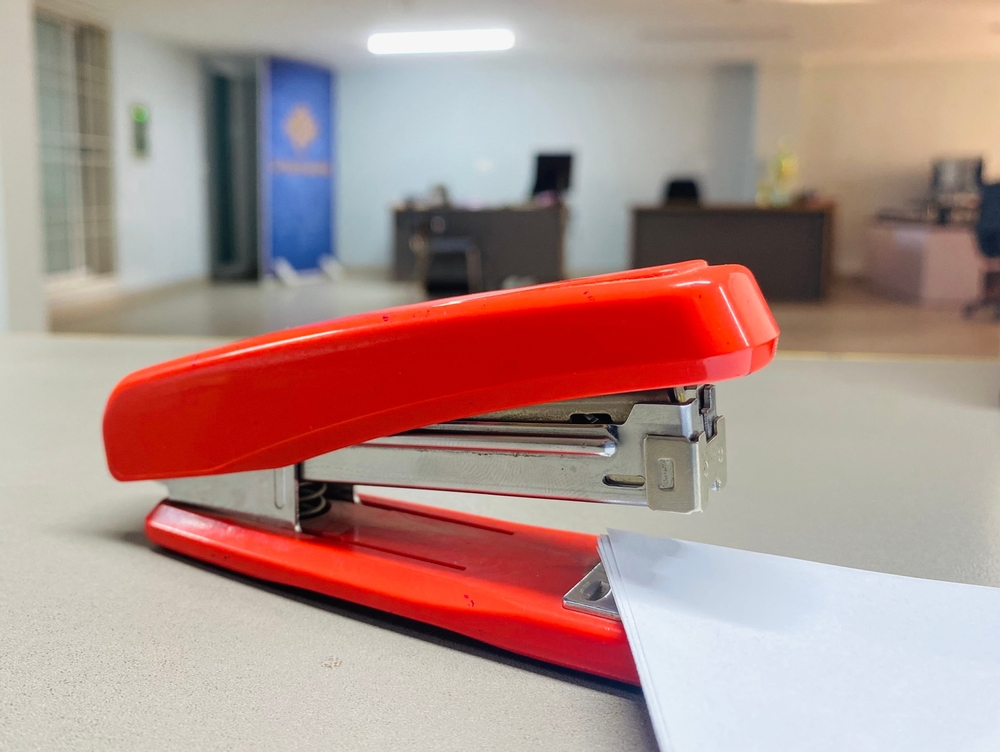
One of the film’s quietest characters ended up leaving one of its biggest marks. Milton Waddams, played by Stephen Root, spends much of the movie mumbling about his missing red stapler. The object becomes his last fragile claim to dignity in an office that constantly overlooks him.
There was just one problem at the time of filming. The red stapler did not actually exist in the product line of Swingline. The prop department spray painted a stapler to create the now iconic look. After the movie gained a following, fans repeatedly contacted Swingline asking where they could buy one.
Eventually, the company decided to produce the red stapler for real. As Swingline senior marketing manager Theresa Hardy explained in 2019, “The team, at the time, saw it as an opportunity to really capitalize on the cultural movement that the movie did spark. We’ve been probably officially making different variations of the red stapler for the better part of 10 years now.” It is rare for a fictional prop to generate actual consumer demand, yet this small comedy managed to reshape a product line.
How “Flair” Changed Restaurant Culture
Another storyline that hit close to home involved Joanna’s job at Chotchkie’s, where her manager pressures her to wear more decorative buttons. The absurdity of being evaluated on enthusiasm pins rather than actual performance became one of the film’s sharpest critiques.
The joke was not invented out of thin air. Chains like TGI Friday’s once required servers to wear numerous buttons and pieces of flair. After the movie became popular, that practice began to fade. Mike Judge later told Deadline in 2014, “One of my ADs asked once at the restaurant why their flair was missing and they said they removed it because of that movie Office Space. So, maybe I made the world a better place.”
It is difficult to measure how much the film directly influenced policy, but the anecdote speaks volumes. A comedy exposed how artificial mandatory cheerfulness looked, and businesses quietly adjusted. Even small cultural nudges can ripple outward when enough people recognize themselves in the satire.
A Blueprint For Modern Office Satire

In the years that followed, workplace parody became its own genre. The comic strip Dilbert continued roasting corporate absurdity, and in 2001 the BBC introduced The Office, which turned awkward management and bureaucratic nonsense into cringe comedy. Office Space helped crystallise on screen the dull, oppressive, company first work culture that came to dominate white collar jobs in the 1990s.
What feels striking today is how prescient parts of the movie seem. When Peter stops caring, ditches his tie, and plays games at his desk, outside consultants suddenly view him as “upper management material.” Years later, tech leaders would reject suits and ties in favor of hoodies and open offices, presenting themselves as disruptors who valued creativity over rigid hierarchy.
Yet even as dress codes relaxed and offices added ping pong tables and meditation rooms, many core issues remained. Reports have suggested some Facebook employees view the company culture as “cult-like,” despite its historically un corporate values. Elon Musk once tweeted that nobody changed the world working a mere 40 hours a week, reinforcing a different kind of pressure. The cubicle may look different now, but the tension between productivity and personal wellbeing has not disappeared.
What Still Feels Uncomfortably Familiar
Some of the film’s most uncomfortable moments remain relevant. One of the consultants repeatedly mispronounces Samir Nagheenanajar’s name before joking that he is “Not-gonna-work-here-anymore.” The casual dismissal reflects workplace biases that companies still struggle to address, even as they promote diversity initiatives.
The movie also highlights how management avoids direct confrontation. The consultants explain, “We like to avoid confrontation whenever possible.” Decades later, layoffs announced by email, voicemail, text, or internal messaging platforms show how technology can make impersonal decisions even more distant.
Anger toward corporations, like the kind that drives Peter and his friends to attempt their ill fated scheme, continues to surface in modern storytelling. Series such as Mr. Robot portray rebellion against faceless systems in darker ways, but the emotional core is similar. Frustration with institutions that feel indifferent to individual lives has not gone away.
The Legacy Of A Quiet Revolution
By the end of the film, Initech burns down and Peter ends up working construction, claiming the job “isn’t so bad: making bucks, getting exercise, working outside.” It is not framed as a grand triumph, but as a personal reset. He trades fluorescent lights and TPS reports for physical labor and fresh air, choosing satisfaction over status.
While Office Space struggled in theaters, its long term cultural impact is undeniable. It influenced products, nudged corporate practices, shaped an entire genre of workplace satire, and gave language to frustrations that millions of workers quietly carried. It also arrived before the global financial crisis, before the gig economy boom, and before remote work reshaped office life, making its commentary feel almost ahead of its time.
The film’s central question still lingers. Can you really find work that makes you happy, or is dissatisfaction an unavoidable part of adulthood? As long as people clock in, sit through meetings, and weigh ambition against wellbeing, Office Space will continue to feel relevant. For a movie that almost disappeared in 1999, that is a lasting and surprisingly powerful legacy.