
Your cart is currently empty!
Why Small Red Dots Show Up on the Skin and When to Pay Attention
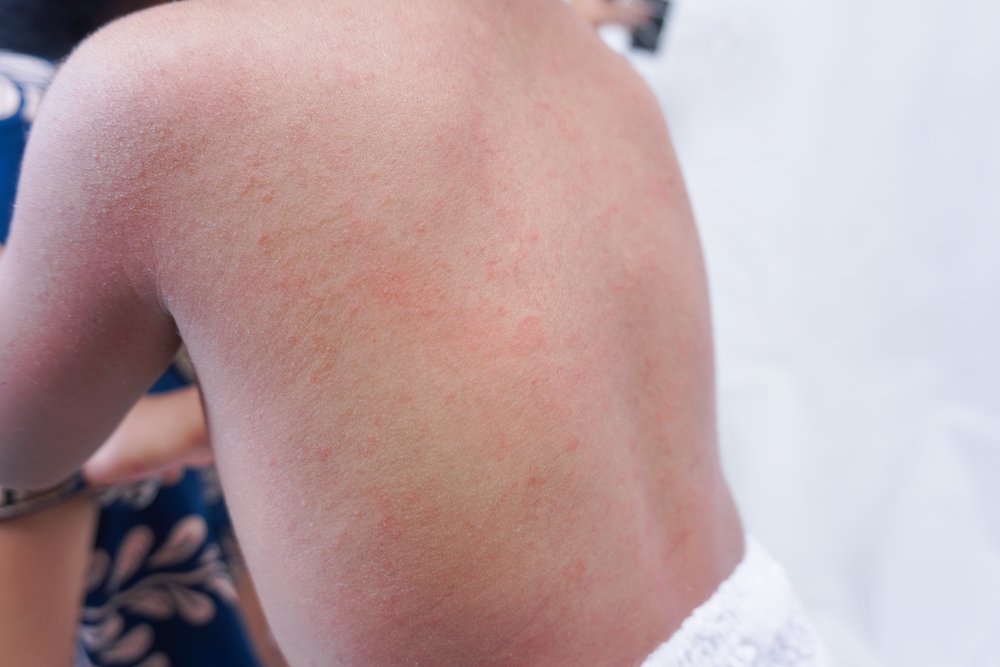
It often starts with a moment of pause. You notice a small red spot on your skin that you are sure was not there before, and suddenly your attention shifts inward. It might not hurt or itch, yet it feels important enough to raise questions. Many people experience this quiet concern, wondering whether their body is simply changing or trying to signal that something deserves closer attention.
Contents
show
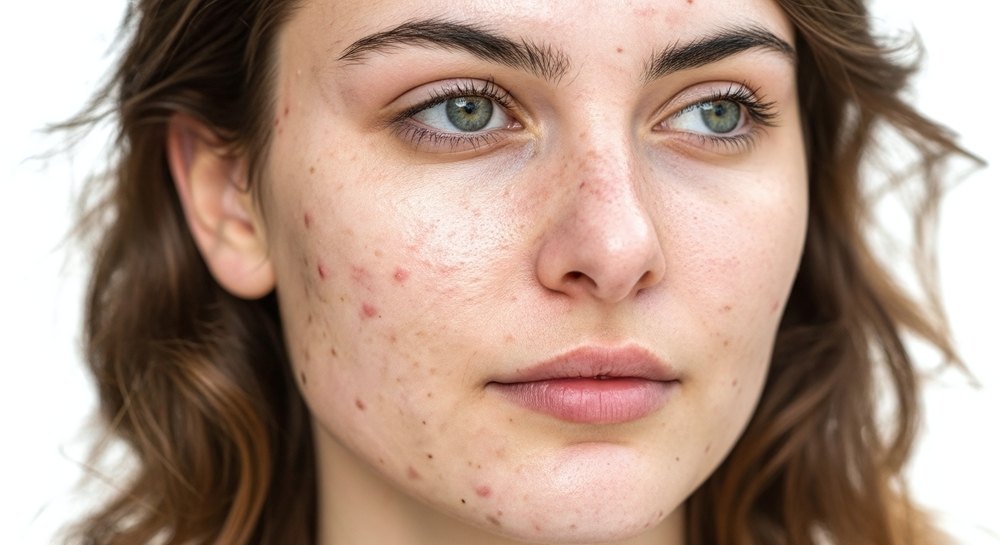
In reality, dermatologists see these tiny red spots every day, and in many cases, they turn out to be harmless. They can be part of normal skin changes, responses to the environment, or the result of everyday wear on the body. At the same time, not all red spots are identical, and some can reflect irritation, sun exposure, or internal conditions that should not be overlooked. Understanding what is common and what is unusual helps reduce unnecessary worry while making room for informed awareness.
Learning how to interpret these subtle skin changes can be reassuring and empowering. By knowing what patterns matter, how doctors evaluate them, and when it is appropriate to seek medical advice, people are better equipped to respond calmly and thoughtfully. The goal is not to jump to conclusions, but to understand the signals the body sends and to know when reassurance is enough and when further care is the right next step.
Understanding What Your Skin Is Responding To
Tiny red spots on the skin rarely appear without a reason, even if that reason is not immediately obvious. The skin is highly responsive to what happens both inside the body and in the surrounding environment, and small changes in circulation or inflammation can surface visually. These spots often form when tiny blood vessels near the skin become more visible or irritated.
Sometimes this process unfolds slowly over many years as part of natural aging or long term exposure to elements like sunlight. Other times it happens more abruptly in response to illness, medication, or physical strain. As board certified dermatologist Dr Christopher J Haas of LCMC Health in Louisiana explains, the timing of when these spots appear often provides important clues about what the body is reacting to.

Because appearances alone can be misleading, dermatologists look beyond a single mark and focus on the bigger picture. During an examination, they consider whether a spot fades when pressed, whether it sits flat or raised on the skin, how widely it is spread, and how quickly it appeared. They also ask about accompanying symptoms such as itching, pain, fever, or fatigue. These details help distinguish between common and harmless skin changes and those that may point to an underlying issue that needs further attention.
Medical history plays a key role in this evaluation as well. Recent infections, new medications, known allergies, and patterns of sun exposure can all influence how the skin behaves. When the cause of red spots is not immediately clear, doctors may recommend blood tests to assess factors like platelet levels or signs of infection. In rare cases, a small skin biopsy is used to confirm a diagnosis. Taken together, these steps allow dermatologists to determine whether reassurance is sufficient or whether closer monitoring or treatment is needed, helping patients feel informed rather than alarmed about changes in their skin.
Why Small Red Spots Show Up on the Skin
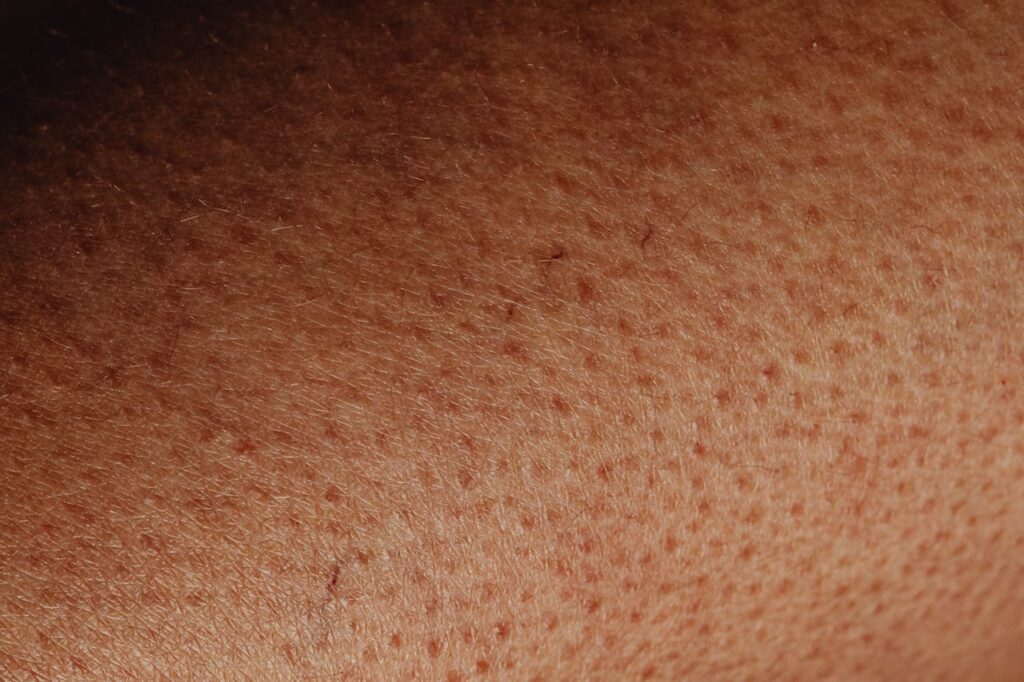
Many small red spots that appear on adult skin develop gradually and are part of normal changes rather than signs of illness. One of the most common causes is cherry angiomas, which are benign clusters of blood vessels that form close to the surface of the skin. They usually appear slowly over time and are often noticed by chance. Dermatologists consider them a common skin finding, especially as people get older.
Cherry angiomas typically appear as small red or purplish dots on the torso, arms, or legs, though they can occur anywhere. Their likelihood increases after age thirty, and the Cleveland Clinic reports that roughly half of adults have cherry angiomas by midlife. Dr Christopher J Haas explains that these spots are almost always noncancerous and do not pose a health risk. While most people do not need treatment, doctors recommend monitoring them. Any spot that changes color, grows quickly, becomes painful, or bleeds without injury should be checked.
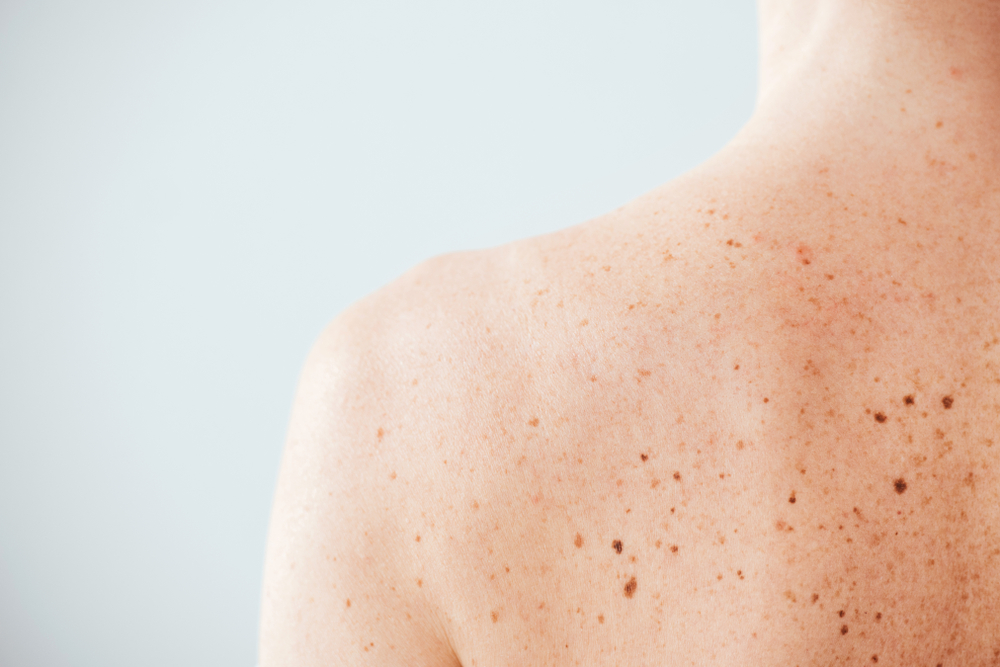
Long term sun exposure is another frequent cause of red marks on the skin. Over time, ultraviolet radiation weakens small blood vessels, making them more visible as fine red lines or branching patterns known as telangiectasias. These changes often appear on sun exposed areas like the face, chest, shoulders, and upper back. Research published in the Journal of the American Academy of Dermatology shows that cumulative sun exposure over decades plays a significant role in their development, particularly after age forty. While usually harmless, dermatologists view these marks as signs of chronic sun damage and stress the importance of regular sun protection.
Petechiae, however, tend to appear suddenly and require closer attention. These tiny red or purple dots form when small blood vessels break and bleed under the skin. They are flat, do not fade when pressed, and often appear in clusters. Petechiae are commonly linked to low platelet levels, which can be affected by infections, medications, autoimmune conditions, or bone marrow disorders. Dr Haas notes that they can also appear after intense physical strain such as heavy coughing, vomiting, sneezing, or strenuous exercise, often fading within days. When petechiae appear without a clear cause or alongside symptoms like fatigue, fever, unexplained bruising, or bleeding, prompt medical evaluation is important. A 2021 review published in Dermatology Practical and Conceptual emphasizes the need to assess sudden onset petechiae with systemic symptoms to rule out serious conditions.
Practical Tips for Noticing and Caring for Skin Changes
Small changes in the skin can be easy to dismiss, especially when they do not cause discomfort. Yet paying attention early can prevent unnecessary worry and help you respond appropriately when something does change. These practical tips focus on simple, informed ways to observe your skin, reduce common triggers, and know when professional guidance is the right next step.

- Watch patterns, not just individual spots.
A single red dot that stays the same for months is often less concerning than spots that appear suddenly, spread, or change in color or size. Try to remember when you first noticed the spot and whether anything had changed around that time, such as illness, new medication, increased sun exposure, or intense physical activity. Patterns over time are often more informative than appearance alone. - Protect your skin from daily stressors.
Consistent sun protection helps limit long term damage that can make blood vessels more visible. Using sunscreen, wearing protective clothing, and avoiding prolonged unprotected sun exposure can reduce the risk of sun related red marks. Choosing gentle skincare products and avoiding frequent changes in soaps, detergents, or fragrances can also help prevent irritation related spots. - Keep the skin cool and supported.
In hot or humid conditions, heat and sweat can trigger red spots or rashes. Wearing breathable clothing, staying hydrated, and allowing the skin to cool and dry can help reduce these reactions. If irritation develops, simplifying your skincare routine and avoiding heavy products can support recovery. - Know when to seek medical advice.
Red spots that appear suddenly in clusters, do not fade when pressed, or are accompanied by symptoms such as fatigue, fever, unexplained bruising, or bleeding should be evaluated promptly. For spots that seem stable and symptom free, simple monitoring is often enough. When uncertainty remains, a medical check can offer reassurance and help rule out underlying concerns.
A Calm and Informed Way Forward
Tiny red spots on the skin often appear without warning, yet they rarely exist without context. For many people, these marks reflect normal changes that come with age, sun exposure, or everyday irritation. For others, they may point to internal shifts that deserve closer attention. The difference lies not in the spot itself, but in how it behaves, how quickly it appears, and whether it is accompanied by other physical changes. Understanding this distinction allows people to move beyond guesswork and respond with clarity rather than fear.
An informed approach begins with awareness, not alarm. Paying attention to patterns over time, protecting the skin from avoidable stress, and noticing when symptoms extend beyond the skin all help place these changes in perspective. Medical evaluation plays an important role when warning signs appear, but reassurance is often the outcome when common and harmless causes are identified. In both cases, knowledge replaces uncertainty and empowers people to make thoughtful choices about their health.
The skin is one of the body’s most visible messengers. When it changes, it offers an opportunity to pause, observe, and respond responsibly. By combining practical care, timely medical guidance, and a balanced understanding of what is common and what is not, small signals can be addressed early. This steady, informed approach supports long term health and peace of mind, allowing people to care for their bodies without unnecessary anxiety or delay.