
Your cart is currently empty!
Wildlife Photographer Gets ‘First-Ever’ Photos of an Orca Birth, Which Included a ‘Protective Circle’ of Killer Whales

In the freezing waters of northern Norway, a once-in-a-lifetime event unfolded moment so rare, it would leave even the most seasoned wildlife researchers in awe. For Krisztina Balotay, a wildlife photographer with Orca Channel, the day began like any other whale-watching excursion, but it soon turned into something far beyond her wildest dreams. What she witnessed, captured in breathtaking detail, would go on to rewrite what we know about orca behaviorand it would be something no one could have predicted.
Contents
show
Balotay and a small group of researchers were on a routine whale-watching tour near Skjervøy, an Arctic town in the Arctic Circle. The group was there to study the majestic orcas of Norway, a species known for its intelligence and complex social structure. As the team slowly floated along in their boat, surrounded by these powerful creatures, little did they know that they were about to witness one of nature’s rarest spectacles: the birth of an orca calf.
Unexpected Blood: A Sign of Something Bigger
The scene that greeted the group that day wasn’t dramatic at first. Instead, the researchers were quietly observing the orcas, mostly females and juveniles, as they fed in the cold waters. The boat was positioned safely nearby, maintaining a respectful distance from the whales, when something unexpected occurred. Suddenly, blood began to spill into the water, sending shockwaves through the boat.
At first, no one could fully grasp what was happening. “We were floating calmly and watching the feeding, when all of a sudden, close to the boat, there was blood spilling and splashing everywhere,” Balotay recalled in a social media post. It was a moment that left everyone in stunned silence. Something extraordinary was unfolding just beneath the surface, but the group hadn’t yet realized the magnitude of what they were about to witness.
It wasn’t until a small, dark head emerged from the water that the truth became clear: a female orca had just given birth, and the tiny calf was now swimming in the same waters as the researchers.
The Birth: A New Orca Calf Emerges
It was a heart-stopping moment. In that split second, the baby orca’s head appeared above the water, and the group realized they were witnessing something few people on earth have ever seen. The calf’s entrance into the world was raw and beautiful, marked by the powerful final push from the mother, followed by the unmistakable sight of a new life breaking through the surface of the Arctic waters.
Balotay’s camera clicked furiously as she captured the magical moment calf’s first breath, the dramatic splash, and the unmistakable bond forming between mother and newborn. The sight of the little calf, still struggling to stay afloat, was a powerful reminder of the fragility of life in the wild.
“As it turned out, a female gave birth right next to us. We saw the very last push with the baby’s arrival in the world,” Balotay shared later, reflecting on the incredible event. What followed was just as remarkable as the birth itself.
The Protective Circle: Orcas’ Unseen Bonds
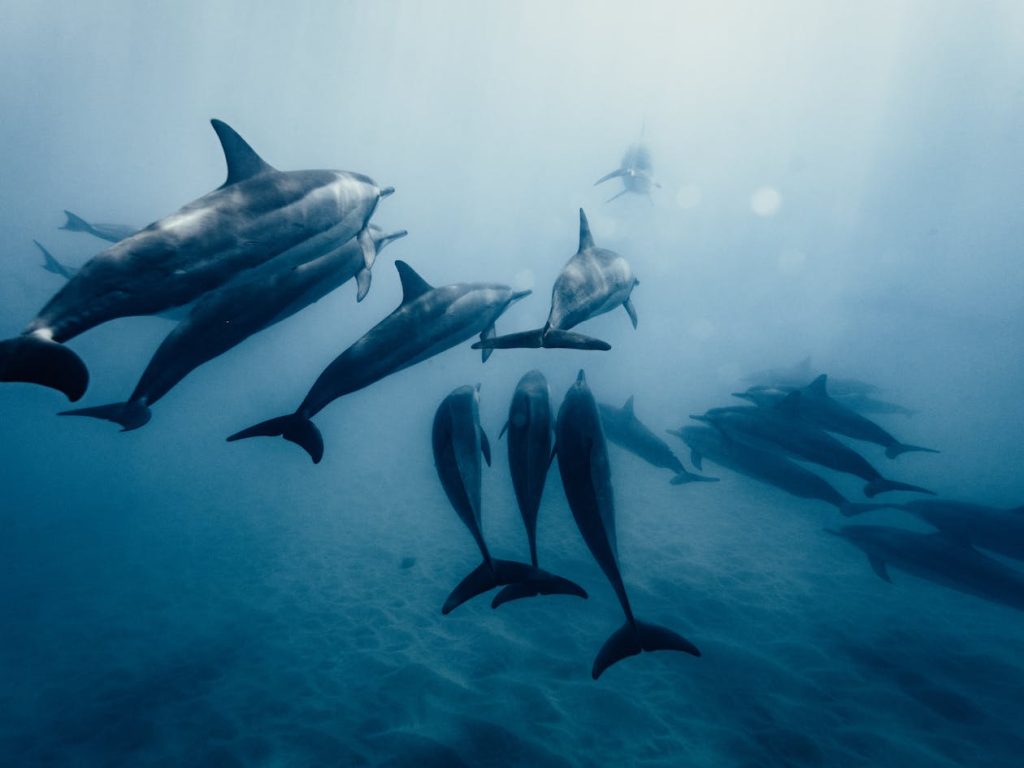
Within moments of the birth, the pod of orcas led by experienced mothers and juvenile whales surrounded the newborn. In an instant, they formed a protective circle around the calf, as if shielding it from the dangers of the open ocean. The orcas’ behavior was both instinctive and coordinated, offering a rare glimpse into the complex social dynamics of this highly intelligent species.
The group’s actions were immediately captivating. The adults worked together, gently nudging the calf toward the surface and ensuring it could breathe. At first, the researchers on board worried about the calf’s ability to stay afloat. “We observed them carrying the calf on their back and holding it above water for air,” Balotay said, her voice still filled with wonder. It was a breathtaking sight, and for a moment, the team was unsure if the newborn was going to survive.
The calf’s dorsal fin, still bent from its time in the womb, was an unmistakable sign that this was indeed a newborn. The fin would eventually straighten out as the calf grew stronger, but in those first moments of life, it was a vulnerable reminder of the calf’s fragile beginnings.
However, after an anxious first few minutes, something miraculous happened. The calf began to swim on its own, its strength growing with every passing second. By the time the whale-watching group left the scene, the calf had already made its first moves in the world, aided by the unyielding support of the pod.
Capturing the Moment: Technology and Expert Help
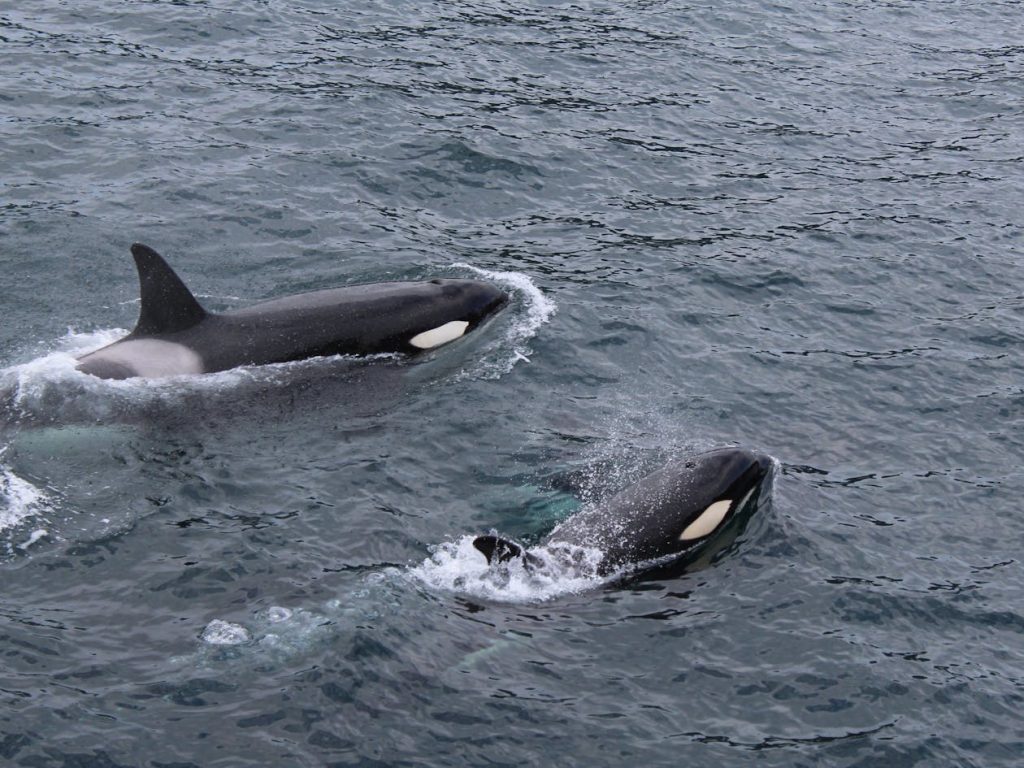
As the group observed from a safe distance, the Norwegian Orca Survey, a conservation organization dedicated to orca research, stepped in to ensure the pod’s well-being. Understanding the importance of this rare event, the team deployed a drone above the orcas, capturing stunning aerial footage of the pod and the newborn calf. The drone footage confirmed that the calf was, in fact, alive and gaining strength.
The survey’s involvement went beyond simply documenting the birth. They also played a crucial role in maintaining a safe environment for the whales. Several other boats had gathered around the pod, but the researchers quickly coordinated with them, clearing the area to allow the orcas space to settle. “We were relieved and thrilled. We just witnessed the birth of an orca calf!!! I still can’t believe it,” Balotay later recalled.
It was a careful balance of observation and conservation, ensuring that the orcas’ moment was preserved without disturbing their natural behavior.
A Groundbreaking Moment in Orca Research
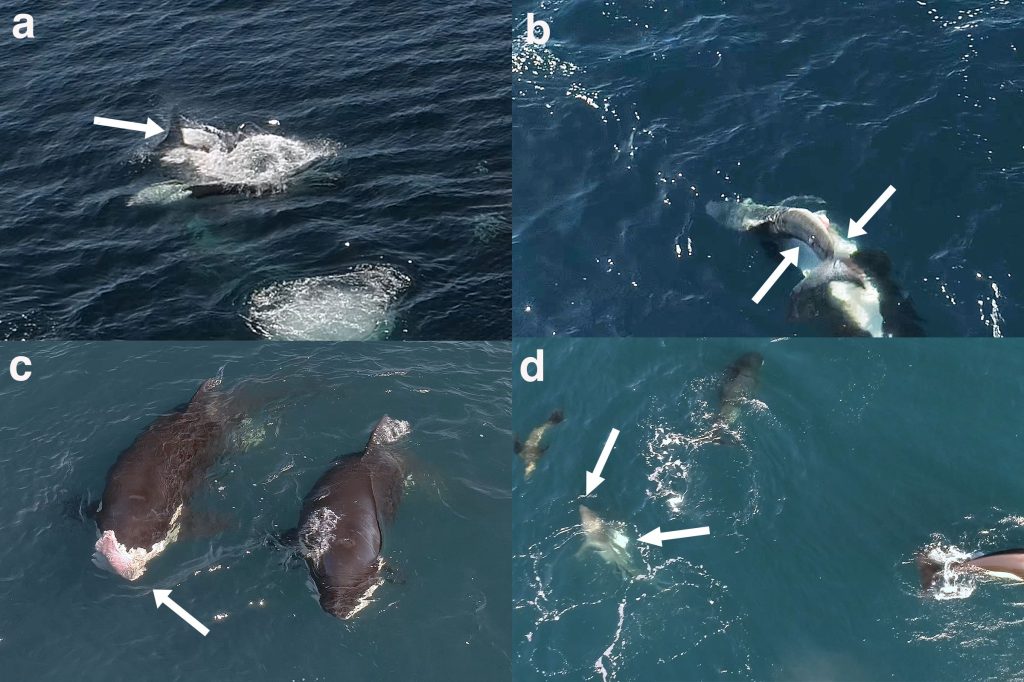
This event marked a breakthrough in orca research. It wasn’t just the birth of a single calf that was the first time that the birth of an orca had been documented in the wild. The Norwegian Orca Survey had long hoped to capture such an event, and with the help of Orca Channel’s photographers, this moment would go down in history.
For Balotay, this was not just another wildlife photograph; it was a testament to the power and wonder of the natural world. Her images, depicting the newborn calf in its first hour of life, are now part of a groundbreaking scientific effort. The Norwegian Orca Survey plans to use the data collected during this event to better understand orca pod behavior, calf survival rates, and the dynamics of birth and care within these extraordinary creatures.
The group’s findings have the potential to change how we view or highlight their emotional depth, their capacity for cooperation, and their intricate family bonds. “Our observations will allow us to identify the individuals involved and understand their roles in supporting the calf during its first moments,” the Norwegian Orca Survey shared on social media.
Tracking the Newborn: The Journey Ahead for the Calf
While the birth of the orca calf was extraordinary, it is also part of a larger movement in wildlife conservation: documenting rare, beautiful moments in nature to better understand and protect our world. The work of photographers like Balotay, along with the efforts of organizations like the Norwegian Orca Survey, is vital for advancing our knowledge of marine life and its preservation.
Through these rare glimpses into the natural world, we are reminded of how little we truly know about the lives of wild creatures, especially those living in the most remote and inaccessible parts of the world. The Arctic waters are home to some of the planet’s most elusive and majestic animals, and events like this one only deepen our curiosity and commitment to their conservation.
A Historic and Emotional Moment

While the calf’s first moments were fraught with uncertainty, it is now part of a larger, tightly-knit pod that will help guide it through the challenges ahead. The researchers at the Norwegian Orca Survey, along with the Orca Channel team, will continue to track the calf’s progress, hoping to see it thrive in the weeks and months to come.
“The hope is to encounter this orca group and the calf again in the coming weeks,” the Norwegian Orca Survey said. “Documenting calf survival remains one of the core objectives of our long-term research.” By tracking the calf’s development, researchers will gain invaluable insights into orca behavior, calf rearing, and the challenges these majestic creatures face in the wild.
Conservation and the Future of Orcas: A Call to Protect
As the team wrapped up their whale-watching trip, the sense of awe and wonder lingered. “This is something we have never seen and probably never will again. These moments will stay in our hearts forever,” Balotay shared, reflecting on the day’s events. For her and the rest of the team, the experience wasn’t just about taking photographs, was about preserving a piece of history, capturing an extraordinary moment that will be cherished for generations to come.
Through the lens of Krisztina Balotay’s camera, we have been given an incredible gift to witness the birth of an orca calf and the awe-inspiring bond it shares with its pod. The images she captured will undoubtedly stand as a symbol of the majesty and mystery of the ocean, as well as a reminder of the delicate balance that exists in our natural world.
As we look to the future, it is clear that the work of these researchers, photographers, and conservationists will continue to shape our understanding of orcas and the deep waters they call home. In the end, the birth of this orca calf is more than just a rare spectacle’s a call to protect the creatures that live within our oceans and to preserve the delicate ecosystems that support them.
A Rare Glimpse into Orca Life
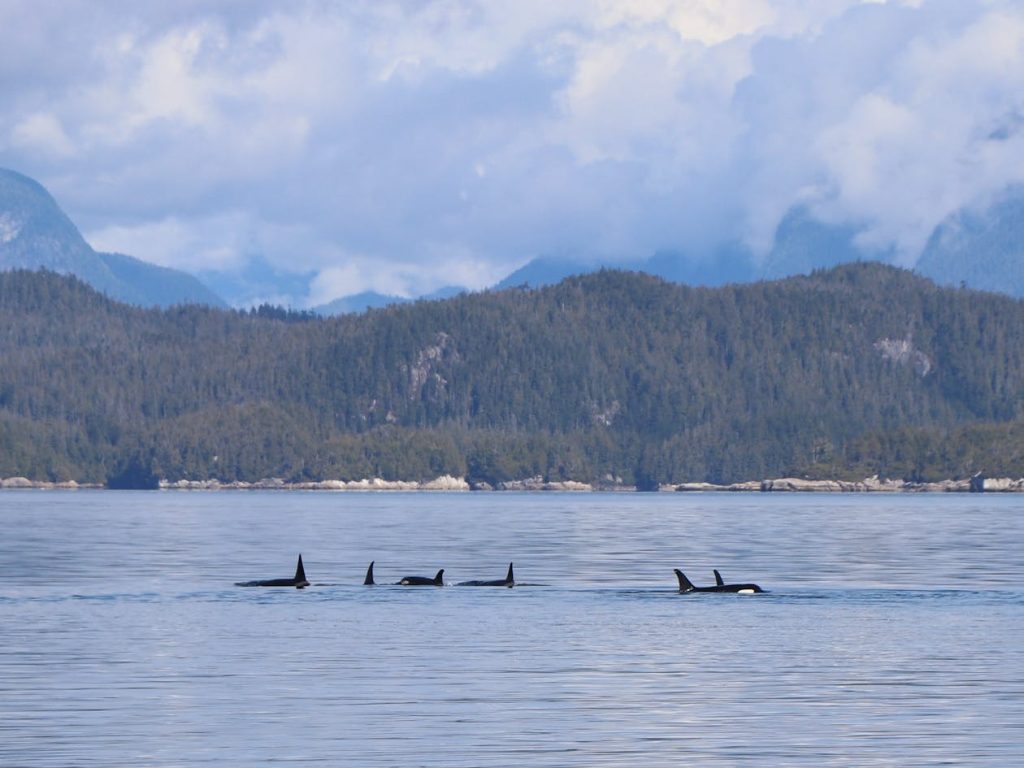
In a world where human activity often disrupts the natural order, witnessing such a raw and untamed moment as the birth of an orca calf in the wild is nothing short of miraculous. Thanks to the keen eyes of researchers and the exceptional skill of wildlife photographers like Krisztina Balotay, we are granted a rare window into the lives of these magnificent creatures. This birth, and the subsequent care provided by the orca pod, will serve as a crucial piece of the puzzle in understanding these complex and intelligent animalsand it’s an experience that will stay with the witnesses forever.