
Your cart is currently empty!
Wisconsin Dairy Queen puts up ‘politically incorrect’ sign, owner stands by his decision
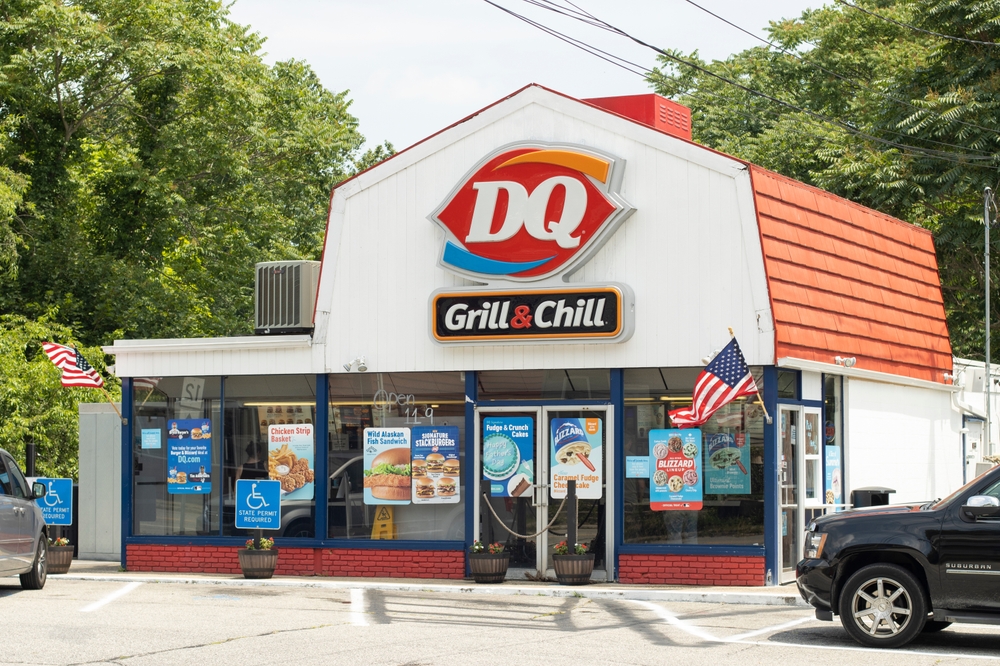
In the quaint town of Kewaskum, Wisconsin, a local Dairy Queen franchise ignited a heated national debate when it displayed a controversial sign on its door. The sign, deemed “politically incorrect” by many, boldly declared support for traditional Judeo-Christian values and American patriotism. The sign’s content, which went alongside an offer of free ice cream to veterans, sparked both fervent support and vehement criticism, turning this small-town Dairy Queen into a focal point for discussions on the intersection of personal beliefs and business practices. What was this controversial sign all about?
Contents
show
The Controversial Dairy Queen Sign
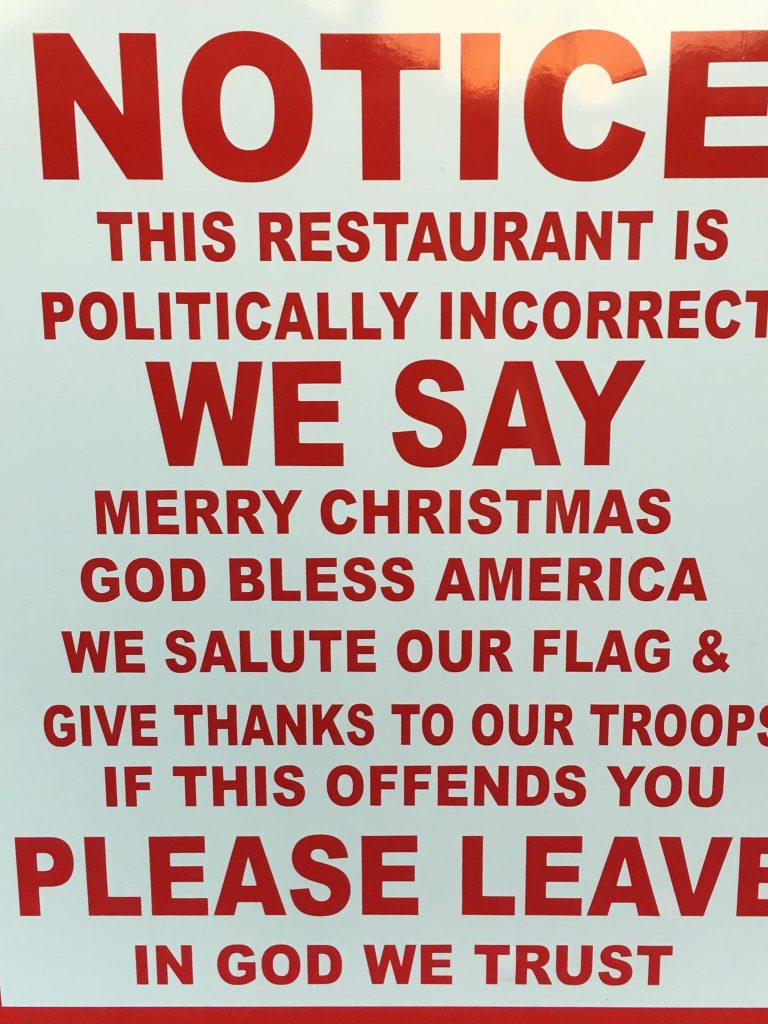
In 2017, the Dairy Queen franchise in Kewaskum, Wisconsin, became embroiled in controversy due to a sign displayed on its door. Featuring phrases like “Merry Christmas,” “Happy Easter,” “In God We Trust,” and an offer of free ice cream to veterans, the sign was intended to reflect owner Kevin Scheunemann’s personal values of faith and patriotism.
This bold declaration quickly polarized public opinion. Supporters lauded the sign for celebrating traditional American values and honoring religious holidays, seeing it as a stand against what they perceived as an increasingly secular society. They believed it fostered a sense of community and patriotism.
Critics, however, viewed the sign as exclusionary and potentially alienating to non-Christian customers. They argued that it could make patrons who do not share the same religious beliefs feel unwelcome, thus creating an uninviting atmosphere for a diverse customer base.
This tension highlighted a broader national debate about the role of religion in public spaces and businesses, balancing personal beliefs with inclusivity for all customers.
Despite the backlash, Scheunemann stood firm, framing the sign as an honest representation of the establishment’s values. He argued that transparency about the business’s core principles was crucial for maintaining its integrity.
This incident underscores the complexities businesses face when personal beliefs intersect with public perception, illustrating the challenges and potential consequences of navigating the politically charged landscape of personal and public values.
The controversy surrounding the Dairy Queen sign in Kewaskum highlights the complex relationship between personal beliefs, business identity, and consumer sentiment.
The sign’s polarizing nature drew national attention, illustrating the challenges businesses face when their values enter the public discourse. For some, the sign affirmed shared beliefs and values, fostering solidarity and loyalty among like-minded customers who appreciated the owner’s willingness to express his faith and patriotism openly.
Conversely, the sign attracted significant criticism for being insensitive and exclusionary. Critics argued that businesses in a diverse society should create inclusive environments that welcome all customers, regardless of their personal beliefs.
They contended that the sign could alienate non-Christian patrons or those who do not celebrate the mentioned holidays, posing a risk to the Dairy Queen’s broader customer base. This aspect of the controversy underscores the potential pitfalls for businesses that choose to take a public stand on religious or political issues.
From a business perspective, the Dairy Queen incident illustrates the importance of evaluating the potential impacts of public declarations on consumer sentiment and brand perception.
Research indicates that belief-driven consumers, particularly millennials and Generation Z, favor companies that align with their social, political, and personal values.
However, this alignment can be a double-edged sword. While it can foster strong loyalty and engagement from certain demographics, it can also repel others. Companies must carefully consider their core values and the potential ramifications of publicly expressing them.
Legal Battles and Family Feuds
The public response to the Dairy Queen sign in Kewaskum not only sparked a heated debate but also underscored the potential legal and social ramifications businesses face when expressing personal beliefs in a public setting.
While no formal legal action was taken against the Dairy Queen franchise, the incident raised questions about the boundaries of free speech in the workplace and the legal implications of displaying religious and political messages in a business environment.
Legal experts note that while business owners have the right to express their beliefs, they must also consider anti-discrimination laws and the potential for lawsuits if customers or employees feel they are being excluded or marginalized based on those beliefs.
The sign also led to intense public discourse, reflecting broader societal divides and fueling family feuds among patrons with differing viewpoints. Some families and community members found themselves at odds over the support or criticism of the Dairy Queen’s stance, leading to strained relationships and heated arguments.
This aspect of the controversy highlights how deeply personal and divisive such issues can become, affecting not just the business but the social fabric of the community. The emotional and psychological impact on individuals and families caught in the crossfire of such debates can be significant, often resulting in long-lasting rifts and a polarized community environment.
Final Thoughts
The Dairy Queen controversy in Kewaskum serves as an example of the intricate balance businesses must strike between expressing personal beliefs and maintaining inclusivity. Owner Kevin Scheunemann’s decision to display a sign reflecting his faith and patriotism ignited a national debate, highlighting the potential risks and rewards of taking a public stand on contentious issues. While the sign resonated with some customers, fostering a sense of community and loyalty, it also alienated others, underscoring the fine line between personal expression and public business practices.
This incident emphasizes the importance of transparency and the need for businesses to be mindful of the diverse perspectives within their customer base. Companies must carefully consider how their values align with those of their customers and the broader community. Implementing a robust crisis management plan and regularly reviewing the impacts of such decisions can help mitigate potential backlash and ensure long-term success.
Ultimately, the Dairy Queen sign controversy underscores the complexities of navigating politically charged landscapes in the business world. It serves as a reminder that while taking a stand can strengthen brand loyalty among certain demographics, it also carries significant risks. Businesses must weigh these factors carefully to maintain their integrity and foster an inclusive environment for all customers. By learning from such examples, companies can better navigate the challenges of integrating personal beliefs with professional responsibilities, ensuring they remain respectful and inclusive in their practices.