
Your cart is currently empty!
Woman Goes Viral for Secretly Decluttering by Leaving Items at Friends Homes
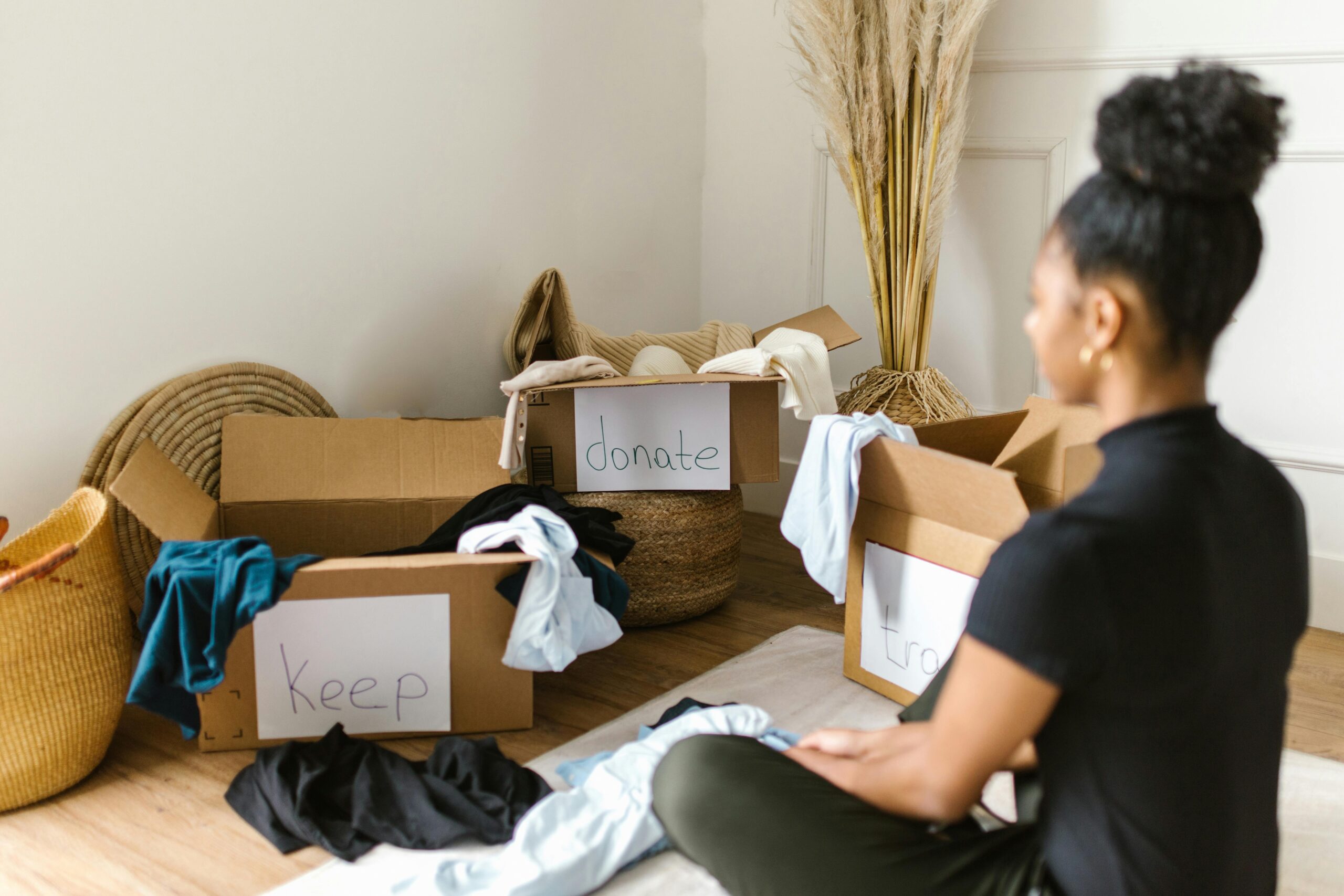
For many people, decluttering sits somewhere between going to the dentist and filing taxes. It is necessary. It is responsible. It is rarely fun.
Contents
show
But one woman has managed to turn the mundane act of tidying up into a mischievous social experiment that has captivated millions online. Instead of donating, tossing, or organizing her unwanted items, she quietly redistributed them. Not to charity shops. Not to recycling centers. But to her friends.
In a viral Instagram clip viewed more than 25 million times, Stephanie Patrick is seen casually placing a tiny bar of soap on a bathroom counter, setting down a small creamer pitcher in a kitchen, and leaving behind a vintage glass tealight holder as if it had always belonged there. The caption reads simply: “Sometimes you gotta do what you gotta do.” The internet, predictably, lost its mind.
A “Reverse Burglary” That Broke the Internet
The reactions were immediate and wildly amused. Commenters dubbed the act “reverse burglary” and “UNHEIST.” Others called Patrick a “clever menace.” Many confessed they had never felt so inspired.
What struck viewers was not just the audacity of quietly sneaking unwanted trinkets into friends’ homes, but the strange brilliance of it. Instead of agonizing over what to do with small, harmless objects that felt too useful to throw away yet too trivial to justify keeping, she reframed decluttering as a game.
There was something delightfully absurd about imagining friends puzzling over a mysterious creamer pitcher that had somehow materialized on their countertop. Where did this come from? Did we buy this? Was it always there?
The humor worked because the items were small and relatively innocuous. A tealight holder is not life altering. A mini soap bar is not disruptive. They are the kind of objects that accumulate quietly in drawers and cabinets, rarely used but somehow never discarded.
Patrick’s video resonated because it captured a universal truth. Most of us are drowning in tiny, nonessential things.
Why Decluttering Feels So Overwhelming

Behind the laughter lies a deeper reality. Decluttering is not just about stuff. It is about decision fatigue, guilt, memory, and identity.
Many people hold onto objects because they represent possibility. A ceramic platter might not be used daily, but it could come in handy if friends come over. A stack of books might never be reread, but they symbolize a version of ourselves we admire.
As one writer reflecting on her own chaotic home described, clutter can feel like security. Stacks of books and sentimental trinkets carry emotional weight. Getting rid of them can feel like discarding pieces of our past.
Yet life changes. A new baby. A house move. A demanding job. Suddenly, what once felt cozy begins to feel suffocating.
Clutter becomes more than physical. It becomes mental.
Professional organizers often note that by the time clients reach out for help, they are not just dealing with messy cupboards. They are overwhelmed. They feel stuck. They do not know where to start.
That paralysis is common. The idea of decluttering an entire house can feel so daunting that many people avoid beginning at all.
The Psychology Behind the Stuff
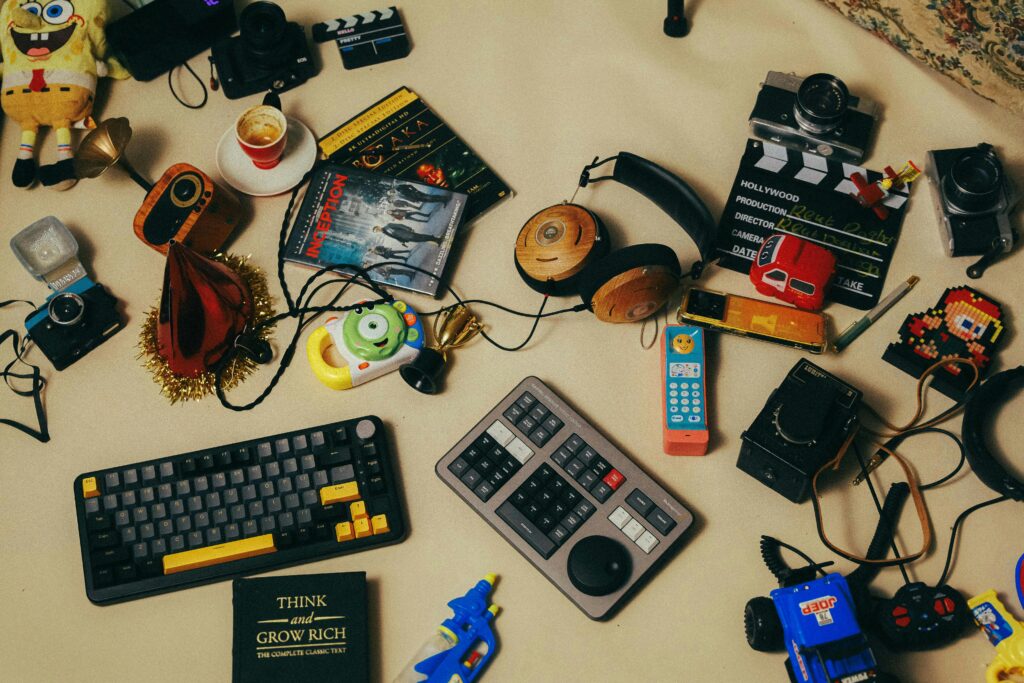
There are practical reasons clutter builds up, but there are also psychological ones.
People frequently keep items because of:
- Guilt about waste. Throwing something away feels irresponsible.
- Fear of future need. What if I need this one day?
- Sentimental attachment. This reminds me of a moment, a person, a season of life.
- Financial justification. I paid good money for this.
Over time, these justifications accumulate into overstuffed drawers and crowded surfaces.
Research and surveys have shown that many households live paycheck to paycheck, with significant credit card debt. Decluttering can become intertwined with spending habits. Buying less means less entering the home. Owning fewer items often translates into greater financial breathing room.
The benefits extend beyond money. Fewer possessions mean less to clean, less to organize, and less to maintain. It becomes easier to find what you need. Surfaces become functional rather than chaotic.
When people describe the feeling after a successful declutter session, they often use words like lighter, calmer, freer.
That sense of lightness is what Patrick’s playful stunt accidentally highlights. Beneath the humor is a shared desire to feel unburdened.
A Simple Game Plan for Letting Go
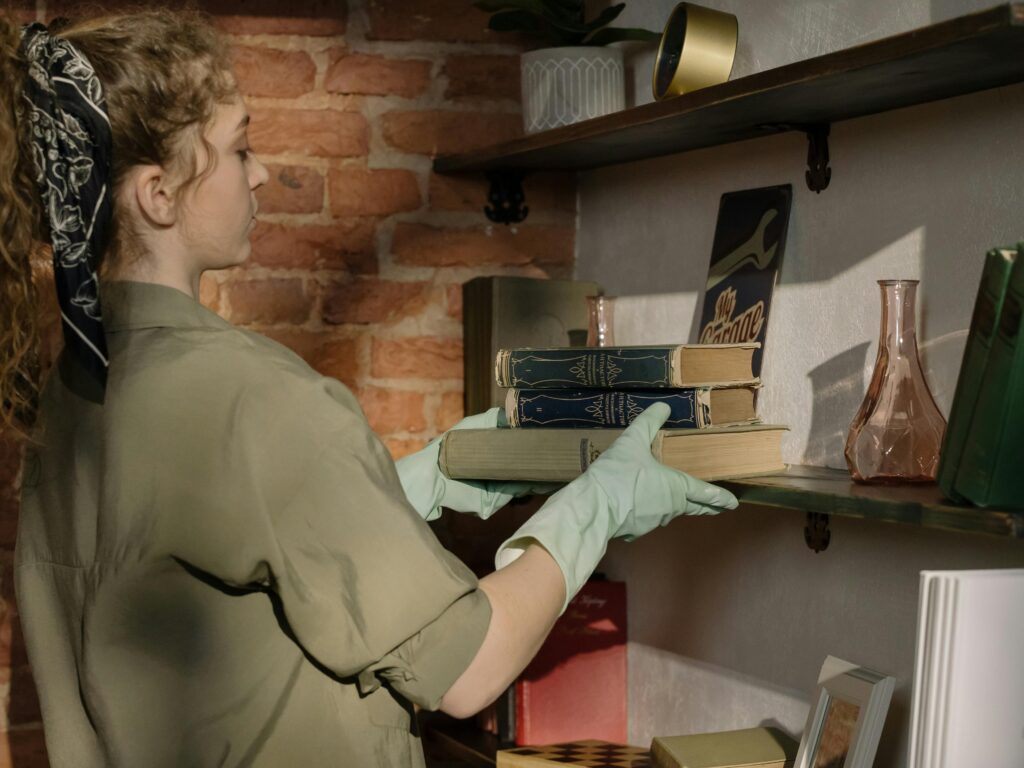
For anyone watching the viral clip while staring at an overstuffed drawer, the obvious question follows. Where do you actually begin?
One of the most effective strategies is to reduce the scale of the task. Instead of declaring that you will declutter the entire house, choose a single category such as shoes, mugs, or paperwork. Gather every item in that category into one visible pile. The visual impact alone often makes decisions clearer.
Another approach is the one item a day rule. Removing just one object daily may feel insignificant, but over a year it results in 365 fewer items occupying your space. The consistency matters more than intensity.
If momentum feels hard to find, try the trash bag challenge. Grab a large bag and move quickly through your home collecting obvious discards or donations. Speed prevents overthinking and helps you distinguish between what you truly value and what you are simply used to seeing.
The hanger flip technique works particularly well for wardrobes. Turn all hangers backward. After wearing something, return it facing forward. After several months, the untouched garments reveal themselves without emotion or debate.
For those who thrive on structure, set a timer for five or ten minutes and commit to focused decluttering during that window. Short, contained sessions reduce burnout and make the habit sustainable.
Most importantly, declutter before you organize. Resist the urge to buy storage bins until you have reduced what you own. Space often appears naturally once the excess is gone.
These methods may not be as mischievous as secretly gifting your clutter to friends, but they accomplish the same goal. They move items out of limbo and restore a sense of control.
Where the Joke Meets Reality

Of course, leaving items in retail stores for employees to deal with is less charming. In a separate clip, Patrick appeared to place random objects along store aisles, retail sticker still attached. She later clarified that she only pretended to leave them.
The distinction matters.
Decluttering is personal responsibility. Shifting the burden onto unsuspecting workers or friends without consent crosses from playful into inconsiderate.
Yet the overwhelming response to her video suggests that most viewers interpreted it as satire rather than instruction. The idea of a secret object migration is funny precisely because it is slightly outrageous.
It also highlights something important. Many people feel stuck between keeping items and discarding them. Donation requires effort. Selling online takes time. Recycling can be confusing. So objects linger.
The viral video gave people permission to laugh at that indecision.
The Emotional Side of Letting Go
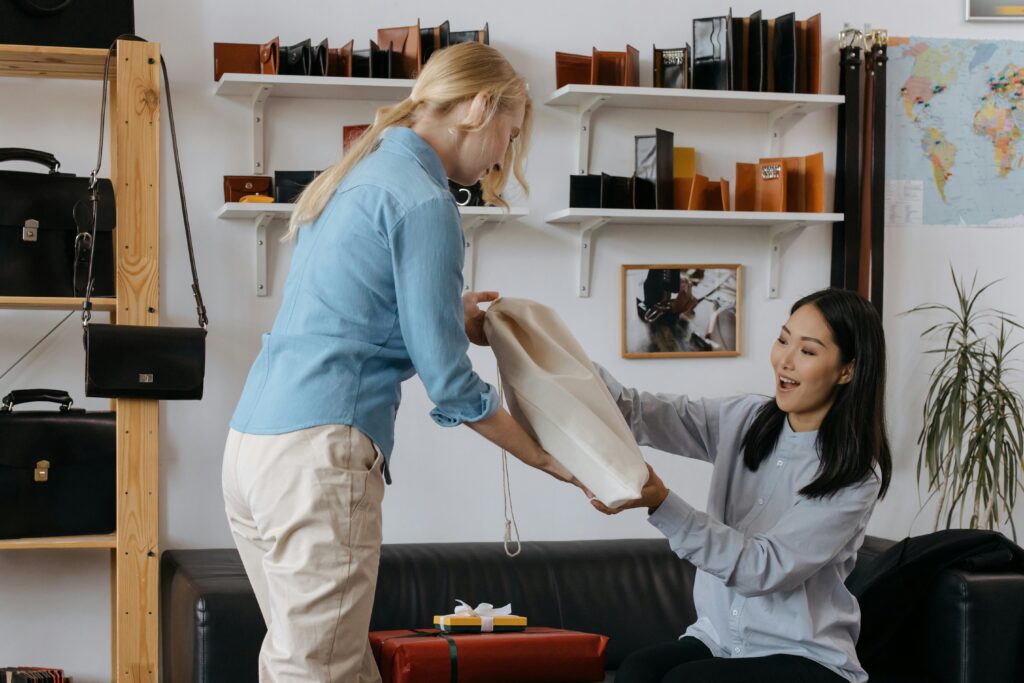
One of the most overlooked aspects of decluttering is grief.
Letting go of objects tied to specific memories can feel like closing chapters. A baby’s first outfit. A stack of old letters. Souvenirs from a holiday that marked a turning point.
This is why many experts suggest leaving sentimental items for last. Start with clothes or miscellaneous household goods. Strengthen your decision making muscles before approaching emotionally loaded categories.
It also helps to reframe the process. Keeping something out of guilt does not honor its purpose. Objects serve us best when they are used or appreciated. If they sit buried in a box, they are not fulfilling that role.
Donating can become a form of passing forward usefulness. Selling can offset past spending. Recycling can minimize environmental impact.
Decluttering done thoughtfully is not wasteful. It is intentional.
Why This Story Resonated So Deeply
Viral moments often tap into shared frustrations.
Millions watched Patrick’s clip not because they plan to secretly stash tealight holders in their friends’ homes, but because they recognize the quiet burden of excess.
Modern consumer culture encourages accumulation. Sales are constant. Trends shift rapidly. Homes fill faster than they empty.
At the same time, minimalism and simplicity have gained traction as antidotes to overwhelm. People crave space. They crave calm.
Patrick’s playful rebellion against clutter sits at the intersection of these forces. It pokes fun at our attachment to trivial items while acknowledging how hard it can be to part with them.
It also offers a subtle reminder. If we can find humor in our habits, change feels less intimidating.
How to Declutter Without Losing Your Sanity
If the viral prank sparked motivation but you are unsure where to begin, practical structure makes all the difference. Decluttering does not require extreme minimalism. It requires consistency and clarity.
Start with five focused minutes. Set a timer and choose one drawer, one shelf, or one small surface. When the timer ends, stop. Momentum builds through repetition, not exhaustion.
Try the Four Box Method. Label four containers: trash, donate, keep, relocate. Pick a small area and force every item into one of those categories. Avoid creating a vague “decide later” pile.
Adopt the one in, one out rule. Each time you bring something new into your home, remove something similar. This keeps accumulation in check.
Create a declutter jar. Write different zones of your home on slips of paper and place them in a jar. When you feel motivated, draw one and focus only on that area. This removes decision fatigue.
View your home as a first time visitor. Walk through your front door and observe what stands out. Are surfaces crowded? Do certain areas feel heavy or chaotic? First impressions reveal priorities.
Take before and after photos. Visual proof of progress can be surprisingly motivating. Even clearing a single counter can shift your perspective.
Finally, schedule it. Treat decluttering like a recurring appointment rather than a spontaneous burst of energy. An hour each weekend can transform a home over time.
A Lighter Home, A Lighter Mind
In the end, the viral stunt may not be a practical blueprint. You may not want to risk confusing your friends with mysterious soap bars.
But the underlying lesson holds weight.
Decluttering does not have to be a punishing purge. It can be gradual. Creative. Even playful.
Start small. Set a timer. Turn it into a challenge. Take before and after photos of a single surface. Notice how your body feels in a clearer space.
If your home currently feels chaotic, you are not alone. Many people reach a point where clutter shifts from comfort to stress. That moment can become an invitation.
An invitation to reassess what you value. To create systems that support rather than overwhelm you. To let go of items that represent who you were, making room for who you are becoming.
The internet may remember this story as the great reverse burglary. But beneath the humor is something quieter and more powerful.
Sometimes you really do have to do what you gotta do.
Just maybe start with your own drawers before redecorating your friends’ countertops.