
Your cart is currently empty!
World Cup Uncertainty Grows After US Halts Visas for Dozens of Countries
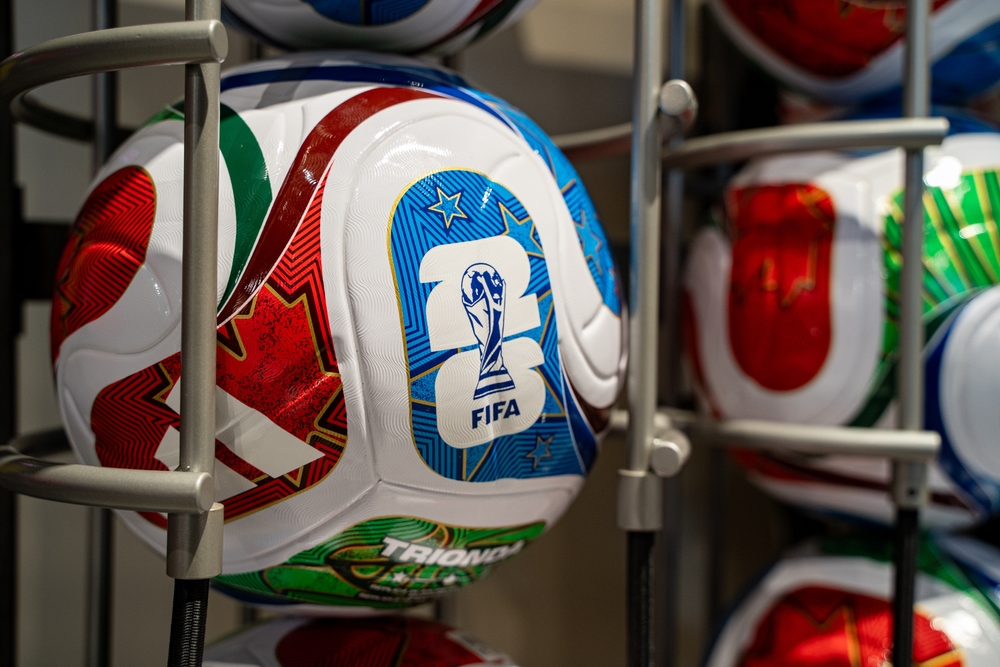
The build-up to the next FIFA World Cup has been marked by uncertainty and rising political tension after the United States government announced a sweeping freeze on visa processing for citizens of 75 countries. The move immediately raised alarms across the global football community, with fans, teams, and officials questioning how the world’s biggest sporting tournament could function under such restrictions.
Contents
show
As confusion spread online, FIFA was forced to release a public statement addressing growing fears about access, fairness, and logistics. While the governing body attempted to reassure supporters that preparations remain on track, the situation has highlighted how deeply international sport can be affected by political decisions made far from the pitch.
With the United States set to host a major share of World Cup matches, the visa freeze has placed President Donald Trump administration at the center of a heated global debate. Coverage from BBC and Fox News has shown sharply different reactions, but both outlets confirm that the implications for football and diplomacy are significant.
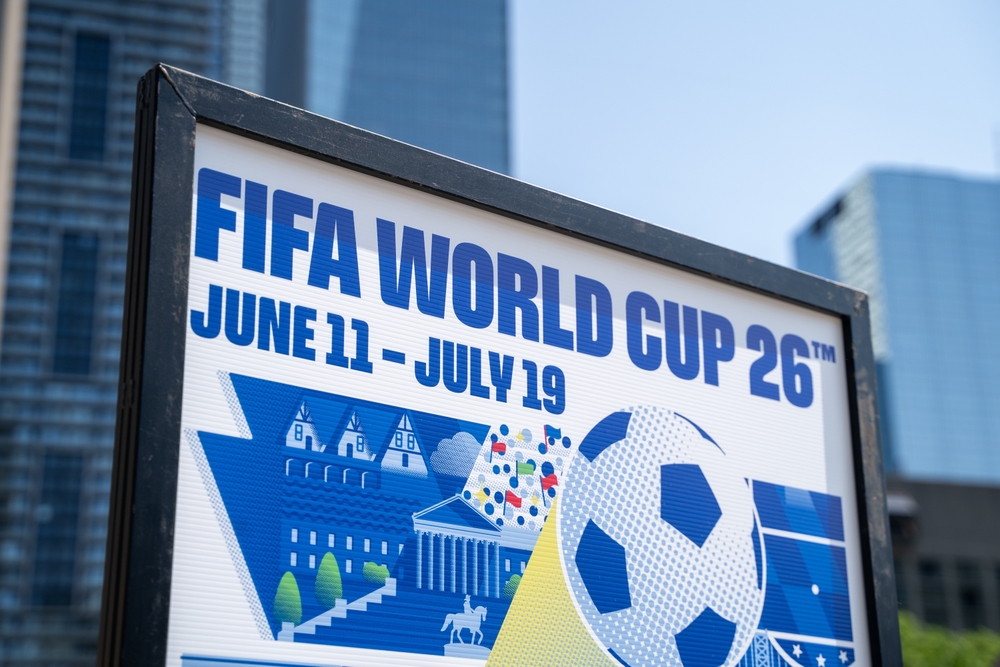
What the New US Visa Freeze Means
The United States government confirmed a temporary halt to visa processing affecting citizens from 75 countries, citing national security and administrative concerns. According to reporting from Fox News, the decision includes nations across Africa, the Middle East, Eastern Europe, and parts of Asia, some of which have strong football cultures and regularly send supporters to international tournaments.
The freeze does not officially ban travel forever, but it pauses new visa approvals while authorities conduct reviews. Fox News noted that this might include tourist and non-immigrant visa categories, creating immediate uncertainty for fans planning travel well in advance of the tournament. For many supporters, World Cup trips require years of saving and early logistical planning.
BBC reporting emphasized that while athletes and officials may receive exemptions through diplomatic or sporting channels, ordinary fans could face prolonged delays or denials. This distinction has fueled criticism that the World Cup experience risks becoming less inclusive, limiting attendance to those from a narrow group of countries.
The scale of the freeze has also raised legal and diplomatic questions. Past travel restrictions under previous administrations led to court challenges and international backlash. Analysts speaking that similar challenges could emerge if fans or federations argue that access to a global tournament is being unfairly restricted.
Fifa Response to Growing World Cup Concerns
As anxiety spread across social media and supporter forums, FIFA issued a formal statement addressing the visa situation. The organization stressed that it is working closely with host nations and government authorities to ensure that the World Cup remains accessible to teams, officials, and supporters from around the world.
BBC coverage highlighted FIFA’s claim that previous tournaments have faced political and logistical hurdles, yet still managed to deliver successful events. FIFA reiterated its confidence in established agreements with host countries that guarantee entry for accredited participants and stakeholders.
However, FIFA’s statement stopped short of guaranteeing access for all fans. While officials emphasized cooperation and dialogue, they did not outline specific mechanisms for supporters from affected countries to secure visas. This omission has been a major source of frustration for fans and advocacy groups.
Fox News reported that FIFA officials are aware of the political sensitivity surrounding the issue and are attempting to avoid direct confrontation with the US government. Instead, FIFA appears focused on behind the scenes negotiations, hoping exemptions or streamlined processes can be introduced before the tournament begins.
Political Reaction and Trump Administration Stance
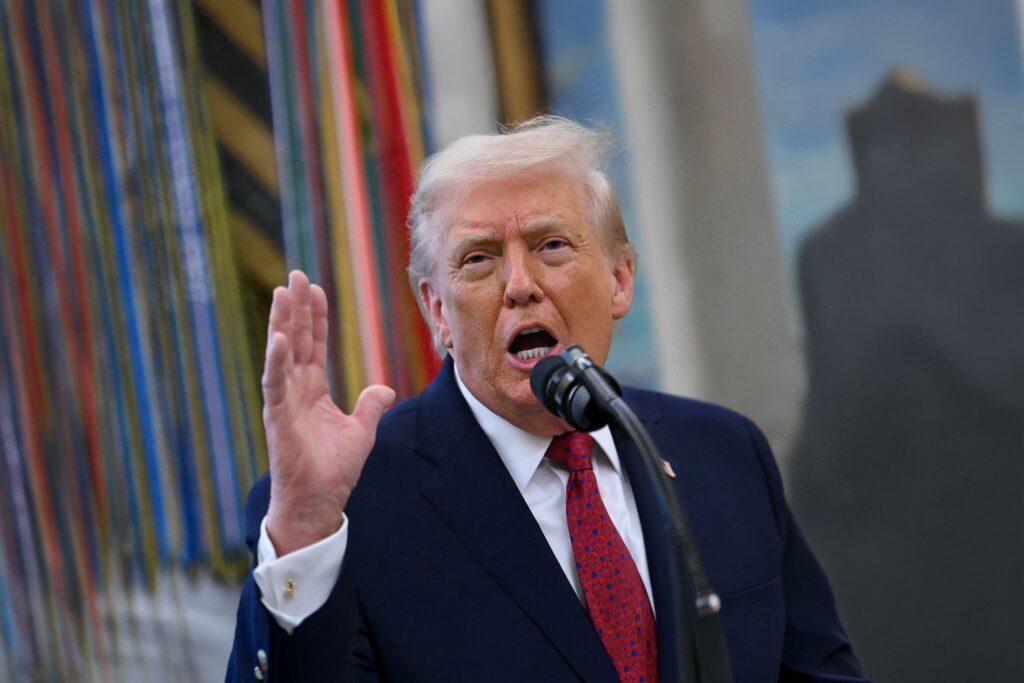
The visa freeze has quickly become a flashpoint in US political discourse. President Trump administration defended the decision as a necessary step to protect national security and improve oversight of immigration systems. Fox News coverage emphasized officials’ claims that the policy is not intended to target sport or tourism specifically.
Administration figures argued that large scale international events require heightened security measures. Supporters of the policy believe that temporary inconvenience is justified if it reduces potential risks associated with mass gatherings like the World Cup.
Critics, however, see the move as contradictory to the spirit of hosting a global sporting event. BBC analysis pointed out that the World Cup is built on the idea of openness and cultural exchange. Limiting fan access, they argue, undermines the very values that FIFA promotes.
The political debate has also extended beyond the United States. Governments from affected countries have reportedly sought clarification through diplomatic channels. BBC noted that some officials fear the visa freeze could strain international relations at a time when cooperation is essential for a smooth tournament.
Impact on Fans Teams and Host Cities
For fans around the world, the uncertainty has been deeply unsettling. Supporters from affected countries have shared stories of cancelled travel plans and financial losses. BBC interviews with fan groups highlighted fears that lifelong dreams of attending a World Cup could be permanently out of reach.
Teams and national federations are also monitoring the situation closely. While players and staff are likely to receive special consideration, the absence of traveling supporters can affect morale and atmosphere. Football culture relies heavily on passionate fan presence, something that empty sections of stadiums could not replace.
Host cities across the United States may also feel the economic impact. World Cup tourism generates billions in spending on hotels, restaurants, and transport. Fox News acknowledged that reduced international attendance could limit these benefits, particularly in cities expecting large numbers of overseas visitors.
Local organizers now face the challenge of planning amid uncertainty. Security staffing, transport schedules, and hospitality arrangements all depend on accurate attendance forecasts. BBC reported that city officials are quietly pushing for clarity, aware that delays could disrupt years of preparation.
Broader Implications for Global Sport
The visa controversy has reignited long standing debates about politics and sport. FIFA often claims neutrality, yet global tournaments inevitably intersect with government policy. BBC commentators noted that this situation could set a precedent for future host nations and their immigration rules.
If fans from dozens of countries are unable to attend, questions arise about whether hosting rights should include stricter guarantees on entry and mobility. Some analysts argue that FIFA may need to strengthen contractual obligations to prevent similar crises.
Fox News highlighted contrasting views within the sports world. Some believe national sovereignty should take precedence, even during global events. Others argue that hosting the World Cup carries unique responsibilities that extend beyond domestic politics.
Ultimately, the situation underscores how interconnected the modern world has become. Decisions made for political or security reasons can ripple across cultures, economies, and sporting traditions. The World Cup, as a symbol of unity, now finds itself at the center of that tension.
A Moment of Reflection for Fifa and World Football
As the tournament approaches, FIFA faces a critical test of leadership. The organization must balance respect for host nation laws with its commitment to inclusivity and global participation. BBC reporting suggests that how FIFA handles this issue could shape its credibility for years to come.
For fans, the episode serves as a reminder that football does not exist in isolation. Political realities can shape who gets to participate and who is left watching from afar. That realization has sparked calls for greater transparency and accountability from both FIFA and governments.
The Trump administration visa freeze may yet be revised or softened. Fox News noted that policy adjustments remain possible as discussions continue. Until then, uncertainty will linger over one of the world most anticipated sporting events.
In the end, the World Cup success will not be measured only by goals scored or trophies lifted. It will also be judged by whether it truly welcomed the world. FIFA response to this moment will reveal how seriously it takes that responsibility.