
Your cart is currently empty!
Health Officials Warn After Measles Found at Two Major US Airports
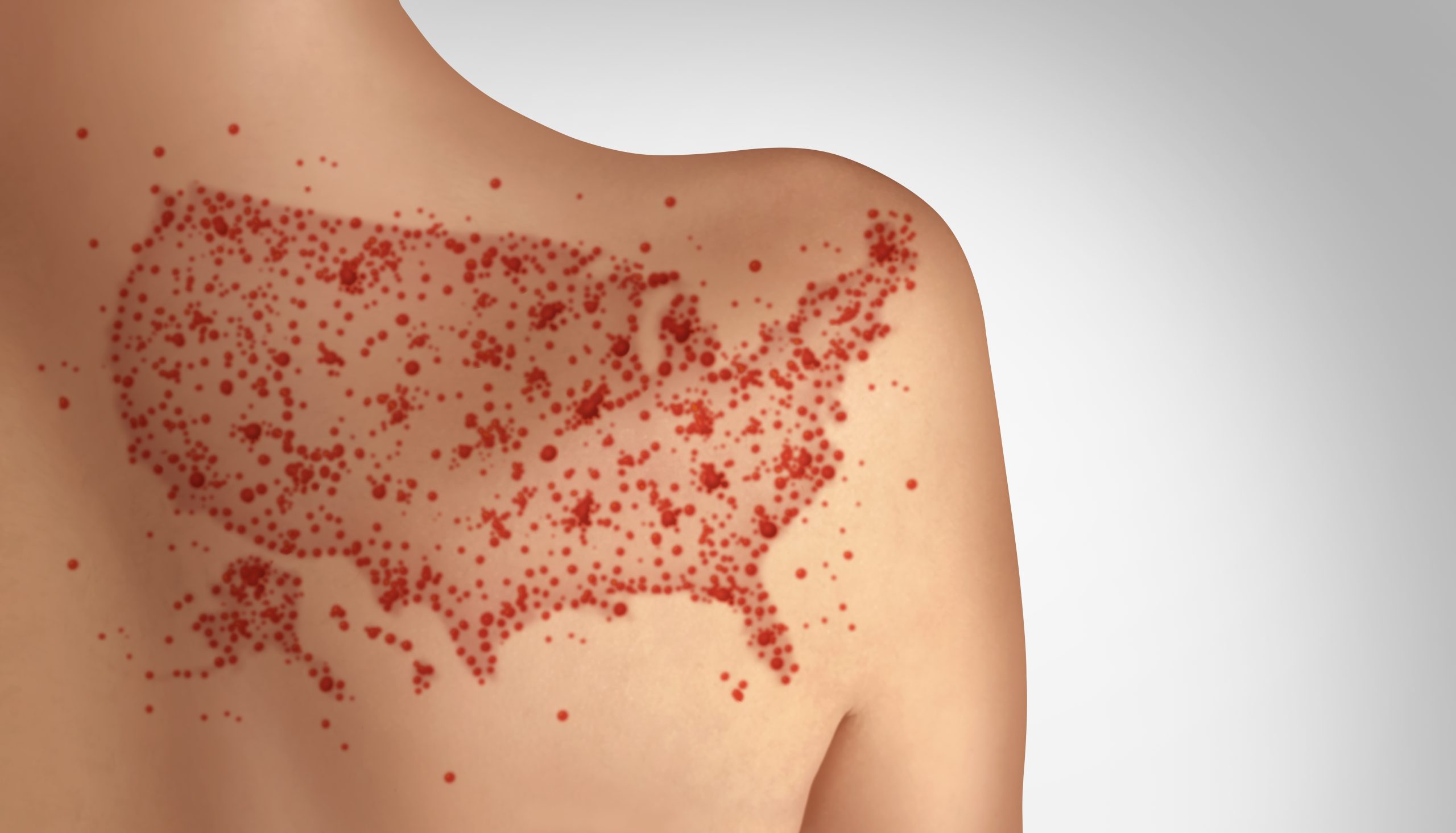
As millions of Americans rushed through airport terminals in December, juggling luggage, boarding passes, and holiday plans, few imagined they might be sharing the air with one of the most contagious viruses known to science. Yet during one of the busiest travel periods of the year, health officials confirmed that measles had been detected at two major American airports, triggering warnings, contact tracing efforts, and renewed concern about the virus’s growing presence across the United States.
Contents
show
The cases emerged at Newark Liberty International Airport in New Jersey and Boston Logan International Airport in Massachusetts, two major hubs that collectively handle tens of millions of passengers each year. For public health officials, the timing could not have been worse. Crowded terminals, long lines, delayed flights, and packed waiting areas created ideal conditions for an airborne virus that can spread simply by sharing the same space.
While officials stressed that the overall risk to the general public remained relatively low, especially for vaccinated individuals, the incidents served as a stark reminder that measles is no longer a distant or eliminated threat. Instead, it is a virus that has quietly reestablished itself, traveling alongside modern mobility and exploiting gaps in vaccination coverage.
Holiday Travel Creates a Perfect Storm for Airborne Viruses
December is consistently one of the busiest months for air travel in the United States. According to AAA, more than 8 million people were expected to fly nationwide during the holiday season, with the Friday before Christmas ranking among the most congested travel days of the year.
Airports during peak travel periods are uniquely vulnerable environments for infectious diseases. Passengers spend extended periods indoors, often in close proximity to strangers from different regions and countries. Lines at security checkpoints, crowded boarding gates, and delayed departures increase the amount of time people share the same air.
Measles is particularly well suited to exploit these conditions. Unlike many respiratory viruses that require close contact, measles can remain suspended in the air for up to two hours after an infected person leaves an area. This means someone could unknowingly walk through a terminal, use a restroom, or sit at a gate long after the infected individual has departed and still be exposed.
Public health experts have long warned that global travel makes complete containment of measles nearly impossible without strong population-level immunity. Airports act as both entry points and amplifiers, allowing the virus to move rapidly between communities.

What Happened At Newark Liberty International Airport
New Jersey health officials confirmed that a traveler infected with measles passed through Newark Liberty International Airport earlier this month. According to a press release from the New Jersey Department of Health, the individual was present in both Terminal B and Terminal C on December 12, arriving around 7:00 a.m. and remaining in the airport environment until approximately 7:00 p.m.
During that twelve hour window, thousands of passengers and airport workers may have crossed paths with the infected traveler. Officials emphasized that they do not know the exact locations or duration of the person’s movements within the terminals, making it difficult to precisely identify all potential exposures.
Health authorities quickly issued guidance urging anyone who was present in those terminals on that date to monitor for symptoms and to contact a healthcare provider before seeking in-person medical care if symptoms develop. This precaution is intended to prevent further spread within clinics and hospitals.
The New Jersey Department of Health also confirmed it is working with local health agencies to conduct contact tracing and notify individuals who may have been exposed. By the end of the year, the state had reported 11 confirmed measles cases, a figure that reflects a broader national trend rather than an isolated incident.
A Second Exposure Confirmed at Boston Logan International Airport
Just one day before the Newark case, a separate measles exposure was identified at Boston Logan International Airport. Massachusetts health officials confirmed that a traveler arriving from Dallas Fort Worth was infected at the time of travel and passed through Terminal B at Logan.
After arriving in Massachusetts, the visitor stayed at a hotel in Westborough before departing the state the following evening on a flight to Las Vegas. Local and state health departments issued public notices outlining the locations and timeframes associated with potential exposure.
Officials in Massachusetts stressed that the risk to most residents was considered low, largely due to the state’s high vaccination rates. However, they still urged anyone who may have been in the same areas during the exposure windows to remain alert for symptoms over the following weeks.
The Boston case highlighted a critical reality of infectious disease control. Even states with strong public health infrastructure and high vaccination coverage are vulnerable when cases are imported through travel.
Understanding Measles and How It Spreads
Measles is often described by epidemiologists as the most contagious virus that affects humans. It spreads through respiratory droplets released when an infected person coughs, sneezes, speaks, or even breathes. These droplets can linger in the air and settle on surfaces, remaining infectious long after the person has left.
One of the most challenging aspects of measles is that individuals are contagious before they realize they are sick. Early symptoms typically appear between seven and twenty one days after exposure and often resemble a common cold. These initial symptoms include fever, cough, runny nose, and red, watery eyes.
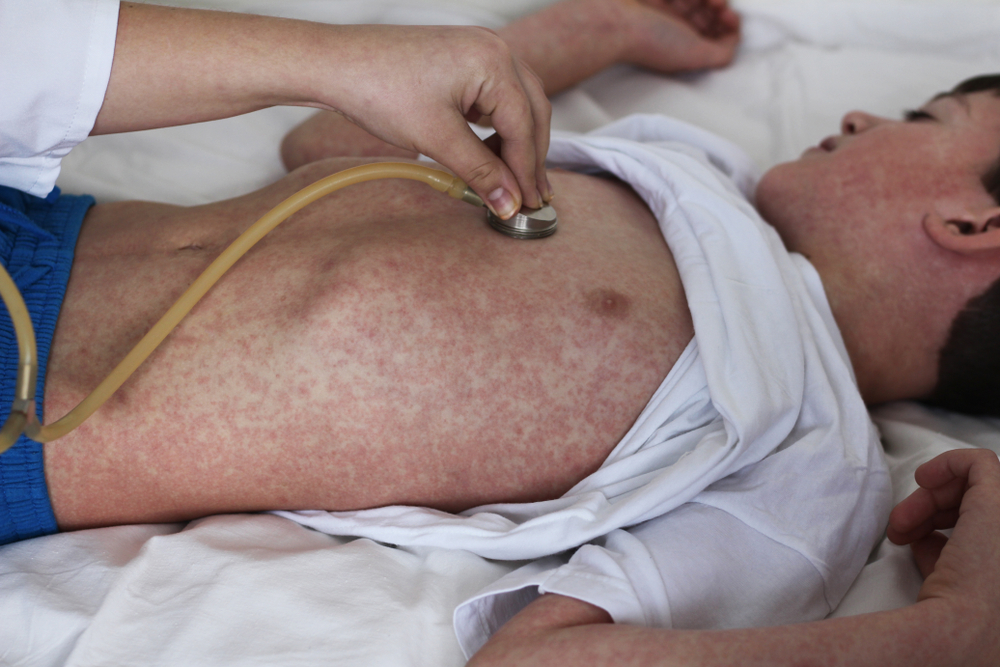
A distinctive rash usually develops several days later. It often begins as flat red spots along the hairline and face before spreading downward across the neck, torso, arms, legs, and feet. By the time the rash appears, the virus may have already been transmitted to others.
Because of this delayed recognition, measles outbreaks can grow quickly, particularly in settings where many people are unvaccinated or under vaccinated.
The National Resurgence of a Once Eliminated Virus

The airport cases are part of a much larger and more troubling pattern. According to federal health data, more than 2,000 measles cases were reported across the United States in 2025, marking the highest annual total in more than three decades.
The United States officially declared measles eliminated in 2000, meaning there was no continuous transmission within the country for at least twelve months. That achievement was widely celebrated as a triumph of vaccination and public health coordination.
However, elimination did not mean eradication. Measles continues to circulate in other parts of the world, and international travel allows the virus to reenter the country. When it encounters communities with lower vaccination rates, it can spread rapidly.
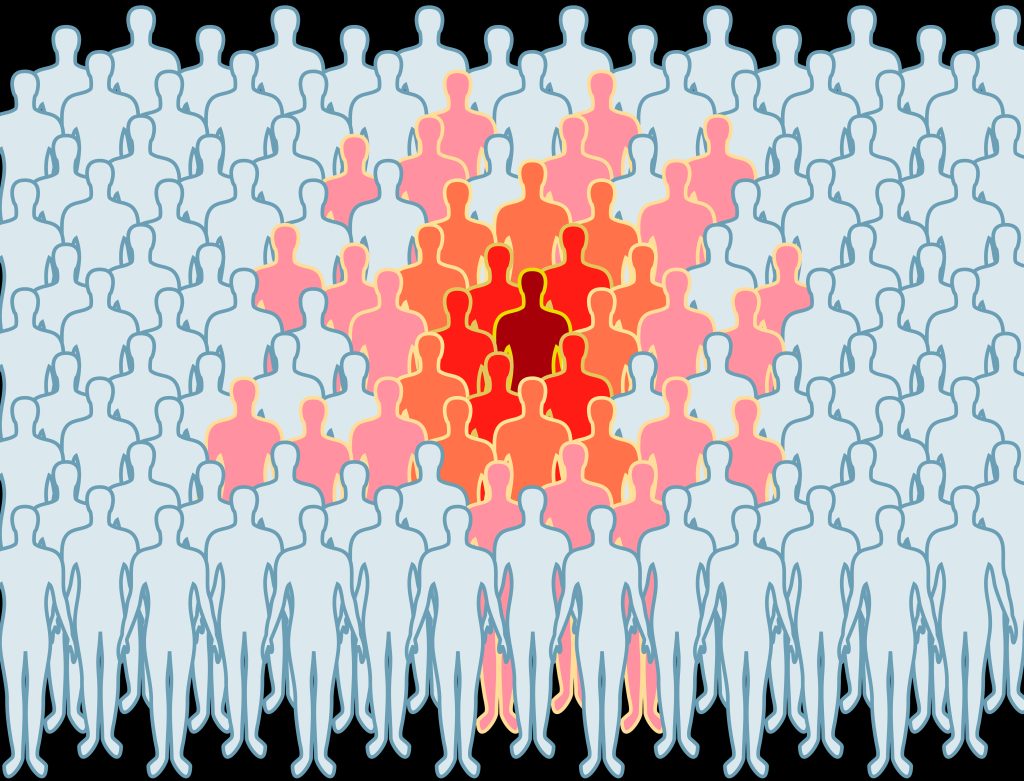
Health officials say declining vaccination coverage in certain regions has weakened herd immunity, the level of community protection that prevents sustained outbreaks. When vaccination rates fall below roughly 95 percent, measles gains the opportunity to spread.
The Role of Vaccination and Public Debate

Medical experts overwhelmingly agree that vaccination is the most effective tool for preventing measles. One dose of the measles vaccine provides about 93 percent protection, while two doses increase effectiveness to approximately 97 percent and typically offer lifelong immunity.
Despite this, vaccination rates have declined in some communities due to a combination of misinformation, access barriers, and growing distrust in public institutions. Unverified claims about vaccine safety have circulated widely, contributing to confusion among parents and caregivers.
Public debate around vaccination has also become increasingly politicized. Conflicting statements from public figures and shifting policy discussions have made it more difficult for some families to determine which sources to trust.
Health professionals caution that measles is not a mild or harmless childhood illness. In addition to fever and rash, the virus can cause serious complications including pneumonia, brain inflammation known as encephalitis, and long term neurological damage. Pregnant individuals face additional risks such as miscarriage and premature birth.
Why Airports Matter in the Bigger Picture
Airports are more than just transit points. They are critical intersections where local, national, and global health risks converge. A single infected traveler can pass through multiple cities and states within hours, potentially exposing hundreds or thousands of people.
The cases at Newark and Boston illustrate how quickly measles can move through modern transportation networks. They also demonstrate the limitations of relying solely on individual awareness once exposure has already occurred.
Public health experts argue that prevention must happen before people reach the airport. This includes maintaining high vaccination coverage, improving public education, and ensuring rapid response systems are in place when cases are detected.
How to Protect Yourself From the Virus
Health officials emphasize that while measles is extremely contagious, there are clear and effective steps individuals and families can take to reduce their risk of infection and protect others.
The most important protective measure is vaccination. The measles, mumps, and rubella vaccine has been used for decades and is considered both safe and highly effective. Two doses provide strong, long lasting protection for most people. Individuals who are unsure of their vaccination status are encouraged to speak with a healthcare provider about testing or receiving an additional dose if appropriate.
For travelers, preparation matters. Before flying, especially during peak travel seasons, checking vaccination records is a simple but critical step. Parents should ensure that children are fully vaccinated according to recommended schedules, particularly if traveling through major transportation hubs.
If exposure is suspected, early action can make a difference. Anyone who believes they may have been exposed to measles should monitor their health closely for up to 21 days. Symptoms such as fever, cough, runny nose, red or watery eyes, and the appearance of a rash should not be ignored.
Health officials strongly advise calling a healthcare provider or local health department before visiting any medical facility. This allows clinics and hospitals to prepare appropriate infection control measures and helps prevent additional spread to vulnerable patients.
Additional protective steps include limiting contact with others if symptoms develop, staying home from work or school when ill, and following guidance from public health authorities. Immunocompromised individuals, pregnant people, and infants who are too young to be vaccinated should take extra precautions and consult medical professionals if travel or exposure is unavoidable.
Ultimately, protection against measles is not only an individual responsibility but a community effort. High vaccination rates help shield those who cannot be vaccinated and reduce the likelihood that outbreaks will take hold.
Guidance for Travelers and Families
Health officials are urging calm rather than alarm. For most vaccinated individuals, the risk of severe illness remains low even if exposure occurs. However, awareness is critical.
Travelers who may have been present at Newark Liberty International Airport on December 12 or at Boston Logan International Airport during the identified exposure windows should monitor their health for symptoms for up to three weeks after potential exposure.
Anyone who develops symptoms is advised to call a healthcare provider or local health department before visiting a medical facility. This allows providers to take appropriate precautions and reduce the risk of further transmission.
Parents are also encouraged to review their children’s vaccination records and consult healthcare providers if they have questions or concerns.
A Broader Warning for the Future
The detection of measles at two major American airports during peak holiday travel is more than an isolated public health notice. It is a signal that long standing protections can erode when complacency, misinformation, and uneven access to healthcare intersect.
Modern travel allows people to move farther and faster than ever before. Viruses benefit from that same mobility. The difference between containment and widespread outbreaks often comes down to preparation and prevention rather than reaction.
As the United States continues to navigate rising measles cases, the airport exposures serve as a reminder that public health is a shared responsibility. Individual choices, community trust, and evidence based policy all play a role in determining whether future holiday seasons are remembered for reunions and celebrations or for avoidable outbreaks.
The question now facing health officials and the public alike is not whether measles can spread through crowded airports. It already has. The real question is whether the country will take the steps necessary to prevent the next warning from becoming a much larger crisis.