
Your cart is currently empty!
The Real Reason Coca-Cola Bottles Sometimes Have Yellow Caps
Walk down a supermarket soda aisle and you will see one of the most recognizable designs in the world. Red labels. White script. A bottle shape that has barely changed in generations. Coca-Cola has built a brand so consistent that even the smallest deviation can spark confusion, curiosity, and sometimes a viral internet moment.
Contents
show
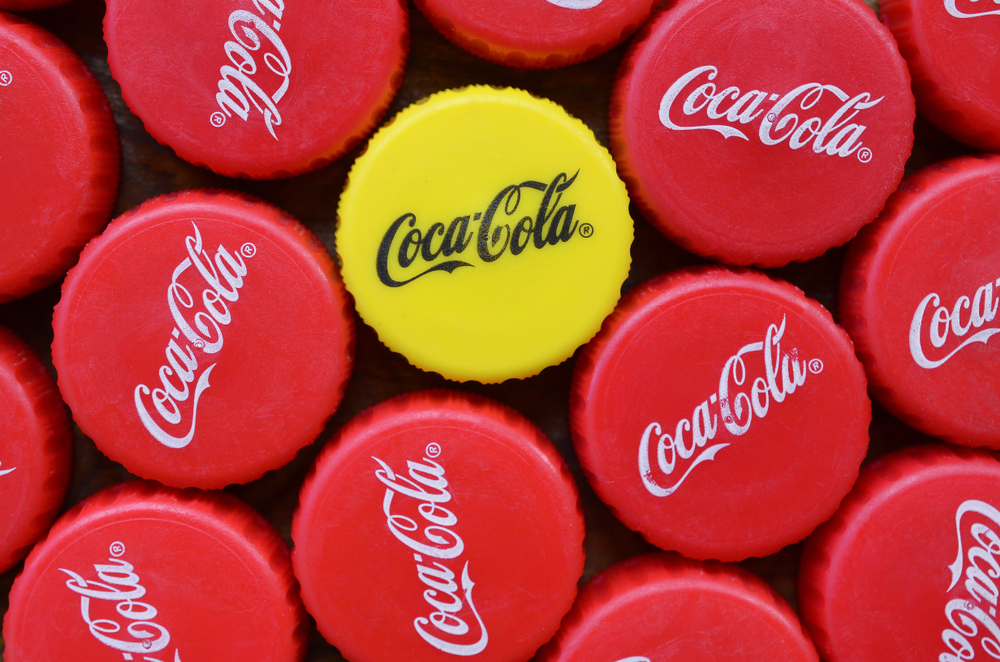
That is exactly what has happened with Coca-Cola bottles topped with yellow caps. Shoppers across the United States have recently been stopping mid-aisle, snapping photos, and heading online to ask the same question. Why is the cap yellow instead of red, and does it mean something important?
As it turns out, the answer has little to do with marketing experiments or limited-edition flavors. Instead, it connects to religious tradition, a specific moment on the calendar, and a version of Coca-Cola that many people did not realize still existed.
The Tiny Design Change People Cannot Stop Talking About
Coca-Cola packaging is famously consistent, which is why the yellow cap stands out so clearly. For many shoppers, this small detail feels almost like spotting a typo in a familiar logo. It looks wrong at first glance, and that visual disruption is what sends people searching for answers.
Social media has been flooded with posts from users admitting they had been seeing yellow-capped Coke bottles for years without ever understanding their purpose. Some thought it signaled a new recipe, others assumed it was a regional variation, and a few wondered if it was simply a supply chain issue.
The truth is far more intentional.
The yellow cap is not random, and it is not new. Coca-Cola has been producing this version of the drink for decades, but only for a short window each year and for a very specific reason.
What the Yellow Cap Actually Means
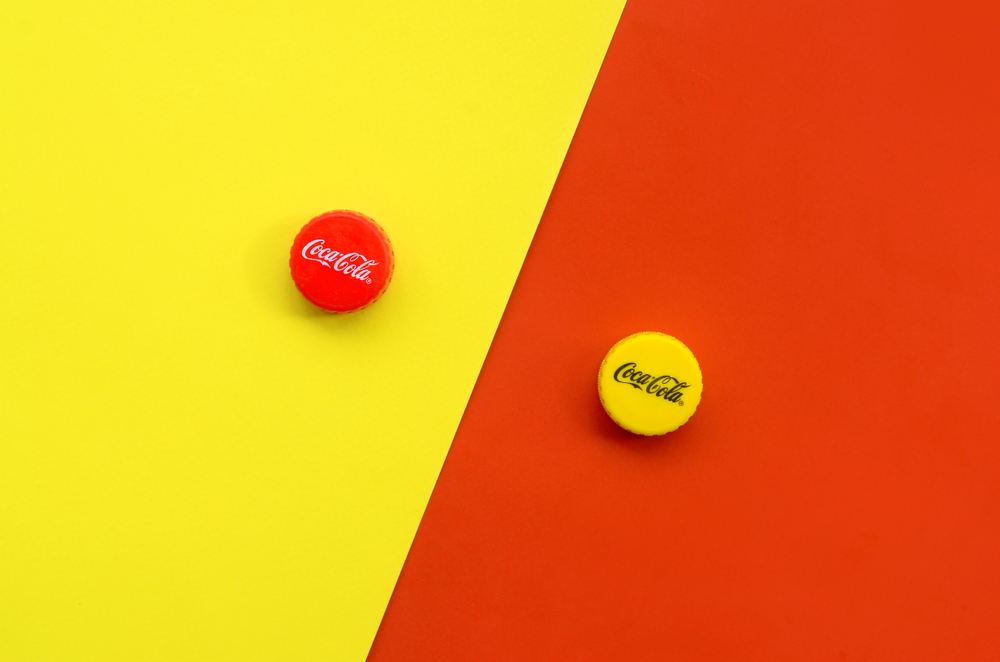
Coca-Cola bottles with yellow caps are certified kosher for Passover. This means the soda inside meets the stricter dietary requirements observed by many Jewish people during the eight-day holiday of Passover, also known as Pesach.
Passover commemorates the liberation of the Israelites from slavery in ancient Egypt. Central to the holiday is the remembrance of leaving in such haste that there was no time for bread to rise. Because of this, Jewish law prohibits the consumption of chametz, which refers to leavened foods or foods made with leavening agents.
For many Jews, especially those of Ashkenazi descent, additional restrictions apply. These include avoiding a category of foods known as kitniyot, which includes legumes, rice, and corn. This is where Coca-Cola comes into the picture.
Standard Coca-Cola sold in the United States is sweetened with high-fructose corn syrup. While Coca-Cola is certified kosher year-round, corn syrup makes it unsuitable for Passover for those who avoid kitniyot.
The yellow-capped bottles signal that the soda inside has been made without corn syrup and instead uses cane sugar. That substitution allows the drink to meet kosher-for-Passover standards.
Why Coca-Cola Changes Its Recipe Every Spring
To understand why Coca-Cola goes to the trouble of producing a separate recipe, it helps to understand how seriously kosher certification is taken.
Year-round kosher certification ensures that ingredients, equipment, and production processes meet Jewish dietary laws. During Passover, the standards become even stricter. Facilities must be carefully cleaned, ingredients closely monitored, and production supervised by rabbinical authorities.
Coca-Cola works with organizations such as the Orthodox Union, one of the largest kosher certification agencies in the world. Products that meet Passover standards receive special certification, often marked with the letters O-U-P on packaging.
The yellow cap serves as a quick visual indicator for shoppers who are specifically looking for Passover-compliant products. During a busy shopping trip, it allows people to identify the correct bottle without scrutinizing fine print.
This seasonal shift in production happens every year, usually several weeks before Passover begins, and ends shortly after the holiday concludes.
A Surprising Link to Coca-Cola’s Original Recipe
One reason the yellow-capped bottles generate so much excitement beyond religious communities is that they represent something else entirely. They are closer to Coca-Cola’s original formula.
When Coca-Cola was first sold in the late 19th century, it was sweetened with sucrose, which comes from cane or beet sugar. This remained the case for decades.
In the 1980s, Coca-Cola switched to high-fructose corn syrup in the United States, largely due to cost considerations and agricultural subsidies. The change was subtle, but many longtime fans insist they can taste the difference.
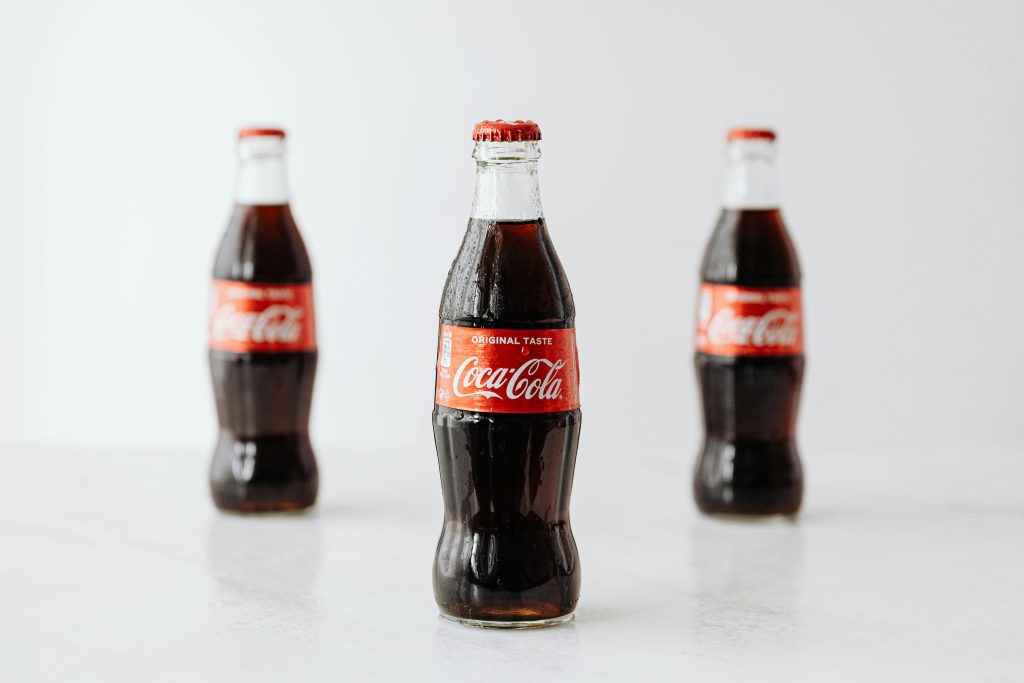
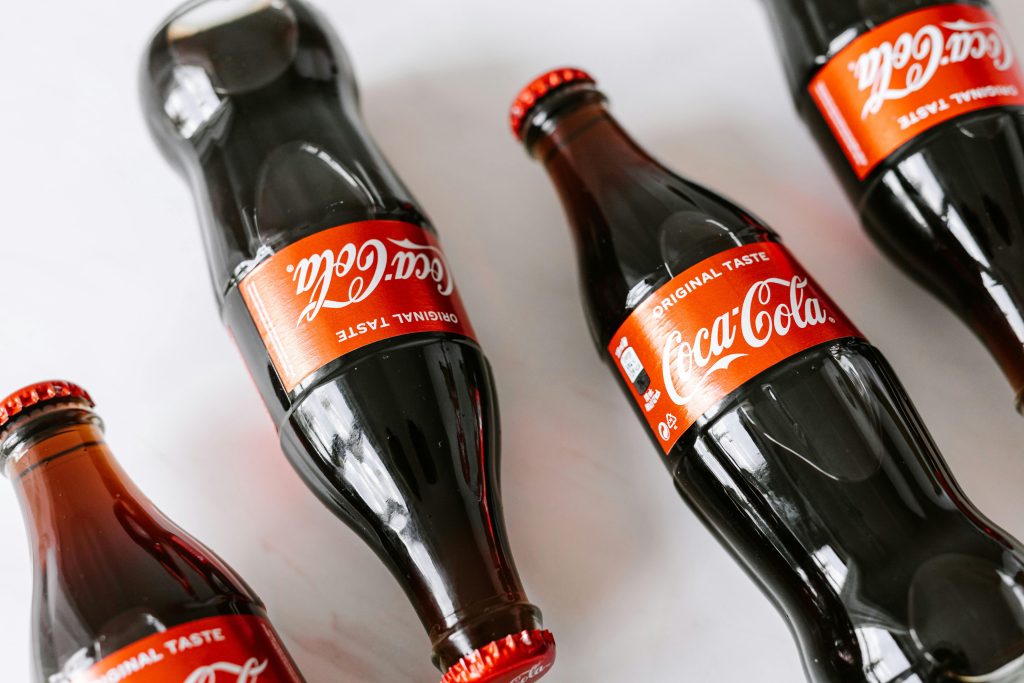
The Passover version of Coke, made with cane sugar, has an ingredient list nearly identical to that of Mexican Coke, which is imported and sold in glass bottles. Both versions contain carbonated water, sugar, caramel color, phosphoric acid, natural flavors, and caffeine.
For some consumers, the yellow-capped bottle is the easiest and most affordable way to enjoy cane sugar Coca-Cola without paying premium prices for imports.
How This Tradition Started Decades Ago

The existence of kosher-for-Passover Coca-Cola is not a recent innovation. In fact, its origins date back to the 1930s.
At that time, Coca-Cola was already a global brand, but its formula included glycerin derived from animal fat, which raised kosher concerns. Rabbi Tuvia Geffen of Atlanta worked closely with the company to identify and replace problematic ingredients.
His efforts helped ensure Coca-Cola could be certified kosher. Later, when corn syrup became part of the recipe, the Passover issue resurfaced. A limited run of cane sugar Coca-Cola was introduced so that Jewish consumers could continue to enjoy the drink during the holiday.
That cooperation between religious authorities and a major corporation has continued ever since, making Coca-Cola one of the most well-known examples of a mainstream product adapting to religious dietary laws.
Why People Are Only Noticing Now
Given that yellow-capped Coke has existed for years, why does it feel like everyone is only just learning about it?
Part of the answer lies in how social media amplifies small discoveries. A single post pointing out the yellow cap can spark thousands of comments from people who had seen it before but never questioned it.
Another factor is visibility. Yellow-capped bottles are produced in limited quantities and are more commonly stocked in areas with larger Jewish populations. Many shoppers simply never encounter them.
When they do appear, it is often briefly, sandwiched between regular inventory cycles. Miss that window, and the bottles disappear until the following spring.
The growing popularity of food culture accounts, history explainers, and curiosity-driven content has also played a role. People are more inclined to ask why something exists rather than accepting it as a quirk.
The Scramble to Find Yellow-Capped Bottles
Once word gets out, demand tends to spike.
Every year, shoppers post online about hunting for yellow-capped Coke bottles. Some are Jewish families preparing for Passover. Others are soda enthusiasts hoping to stock up on cane sugar Coke while it is available.
This surge in interest sometimes leads to tension. Members of Jewish communities have gently reminded others that the supply is limited and produced specifically for Passover observance.
For many families, enjoying familiar foods and drinks during a holiday filled with restrictions brings comfort and joy. When shelves empty quickly, it can feel frustrating.
Retailers typically try to balance demand, but the production run is intentionally short. Once Passover ends, Coca-Cola switches back entirely to its standard formula.
More Than Just Coca-Cola
Coca-Cola is far from the only brand that adapts its products for Passover.
Snack companies release special versions of familiar items, adjusting ingredients to remove prohibited grains or oils. Potato chips may be fried in alternative oils, and packaged goods often carry special Passover certification symbols.
Brands such as Manischewitz and Kedem focus almost exclusively on kosher and Passover foods, producing matzo, grape juice, and wine designed specifically for the holiday.
What sets Coca-Cola apart is its ubiquity. It is not a niche product. It is a global symbol, which makes its quiet seasonal transformation all the more fascinating.
The Cultural Significance of a Yellow Cap
At its core, the yellow cap represents something larger than soda.
It shows how cultural and religious traditions persist even in modern consumer spaces. A multinational corporation with one of the most guarded formulas in the world still makes room for a temporary change rooted in faith and history.
It also highlights how small details can carry deep meaning for specific communities while remaining invisible to others. What looks like a simple color swap is actually a signal of inclusion and respect.
For many Jewish shoppers, the yellow cap is not a novelty. It is a practical marker that helps them navigate an already complex holiday.
The Price Difference People Did Not Expect
Another reason yellow-capped Coke has gained attention is its price.
Mexican Coke, which is also made with cane sugar, is often sold in glass bottles at a premium price. A four-pack can cost significantly more than a standard plastic bottle of American Coke.
By contrast, kosher-for-Passover Coke is typically priced the same as regular Coca-Cola. For consumers who prefer the taste of cane sugar, this feels like an unexpected bargain.
This has led some shoppers to buy multiple two-liter bottles when they spot them, further contributing to their scarcity.
Environmental Changes Happening at the Same Time
The yellow cap moment has coincided with other changes in Coca-Cola packaging that have gone largely unnoticed.
In recent years, the company has committed to increasing the use of recycled materials in its bottles. Many 20-ounce Coca-Cola products are now packaged in bottles made from 100 percent recycled plastic, excluding the cap and label.
This shift is part of a broader sustainability pledge aimed at reducing plastic waste and lowering the company’s environmental footprint.
While unrelated to Passover, these changes show how packaging can communicate multiple messages at once, from religious certification to environmental responsibility.

Why This Detail Resonates So Strongly Online
Stories like the yellow Coke cap resonate because they reveal hidden layers in everyday life.
People love learning that something familiar has a secret history or purpose. It creates a sense of shared discovery, especially when the explanation is rooted in culture rather than corporate gimmicks.
The reaction online has been less about outrage and more about wonder. Many users express genuine surprise, followed by appreciation for the thoughtfulness behind the change.
It is a reminder that not every viral moment has to involve controversy. Sometimes curiosity alone is enough.
What to Look for if You Spot One
If you happen to see a Coca-Cola bottle with a yellow cap, there are a few things to know.
First, check the label for kosher-for-Passover certification, often marked with O-U-P. This confirms it meets the necessary standards.
Second, understand that availability is seasonal. Once Passover ends, the bottles will stop appearing.
Finally, consider who the product is intended for. While anyone can technically buy it, its primary purpose is to serve those observing the holiday.
A Small Cap With a Big Story Behind It
The next time you walk past a yellow-capped Coca-Cola bottle, you will know that it represents far more than a design tweak.
It reflects decades of collaboration between religious leaders and a global corporation. It preserves a version of a classic recipe that many thought was gone. And it quietly supports a community during one of its most important holidays.
In a world where branding is often loud and attention-grabbing, the yellow cap does the opposite. It blends in just enough to be noticed by those who need it, while remaining a mystery to everyone else.
That is why so many people are only just learning what it means. And once you know, it is hard not to appreciate how much thought can be packed into something as small as a bottle cap.