
Your cart is currently empty!
Yurok Tribe Reclaims 73 Square Miles of Ancestral Land in California’s Largest Land Back Deal
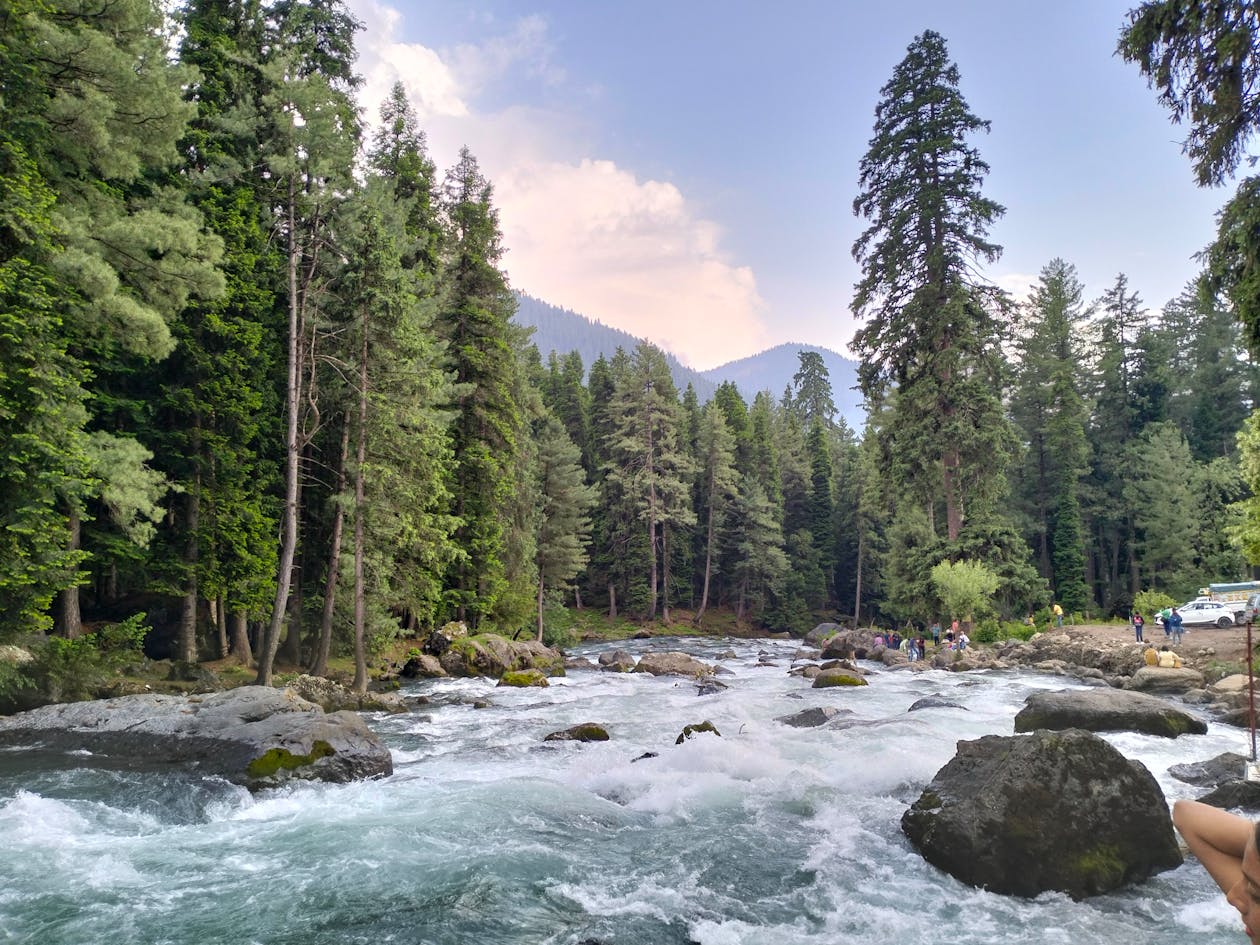
Barry McCovey Jr. knew he was trespassing. As a young boy in northwestern California, he would sneak through metal gates and hide from security guards, all for a chance to catch steelhead trout in Blue Creek. His ancestors from the Yurok Tribe had fished these waters since time immemorial. Yet for reasons that seemed incomprehensible to a child, armed guards now patrolled land his people once called home.
Contents
show
Years later, McCovey returned to Blue Creek as a fisheries technician. With permission this time, he swam through waters his great-grandparents had known. Something stirred within him.
What followed was a 23-year campaign that would become one of California’s most ambitious conservation and tribal sovereignty efforts. On June 5, 2025, the campaign came to a close.
What Was Lost During the Gold Rush
Before European settlers arrived, Yurok people lived in over fifty villages throughout their ancestral territory. Laws, health, and spirituality remained untouched by outside influence. Fishing, basket weaving, canoe making, and ceremony defined daily life along waterways that provided an abundance of salmon, sturgeon, and candlefish.
California’s Gold Rush in the mid-1800s shattered everything. Settlers brought massacres and disease. By the time prospectors moved on, Yurok people had lost 90% of their territory. Timber companies soon claimed what remained, fencing off forests and streams that had sustained generations.
For more than 100 years, these lands operated as commercial timberland. Simpson Logging Company, later Green Diamond Resource Company, managed the property for profit. Redwoods and Douglas firs fell in cycles, cut and regrown, and cut again. Gates went up. Guards patrolled. People who had never over-harvested, who had always ensured sustainability for future generations, could only watch from beyond the fences.
How 73 Square Miles Came Back to Yurok Hands
Western Rivers Conservancy began acquiring land from Green Diamond in 2009. Multiple purchases over the following years assembled a 47,097-acre package at a price tag of $56 million. Funding came together through an unusual mix of private capital, low-interest loans, tax credits, and carbon credit sales. Only $8 million arrived through direct public grants.
California’s Wildlife Conservation Board and State Coastal Conservancy provided state funding. Private support flowed from foundations, including Compton Foundation, David and Lucile Packard Foundation, and dozens of others. Carbon credits will continue generating revenue to support restoration work.
On May 30, 2025, conveyance of a final 14,968 acres from Western Rivers Conservancy to the Yurok Tribe closed the deal. Roughly 73 square miles of homelands had returned to their original stewards. Tribal land holdings more than doubled overnight.
Joseph L. James, chairman ofthe Yurok Tribe, called the impact “enormous.” After two decades of partnership with Western Rivers Conservancy, a sustainable future for fish, forests, and people had come within reach.
A Salmon Sanctuary and Community Forest Take Shape
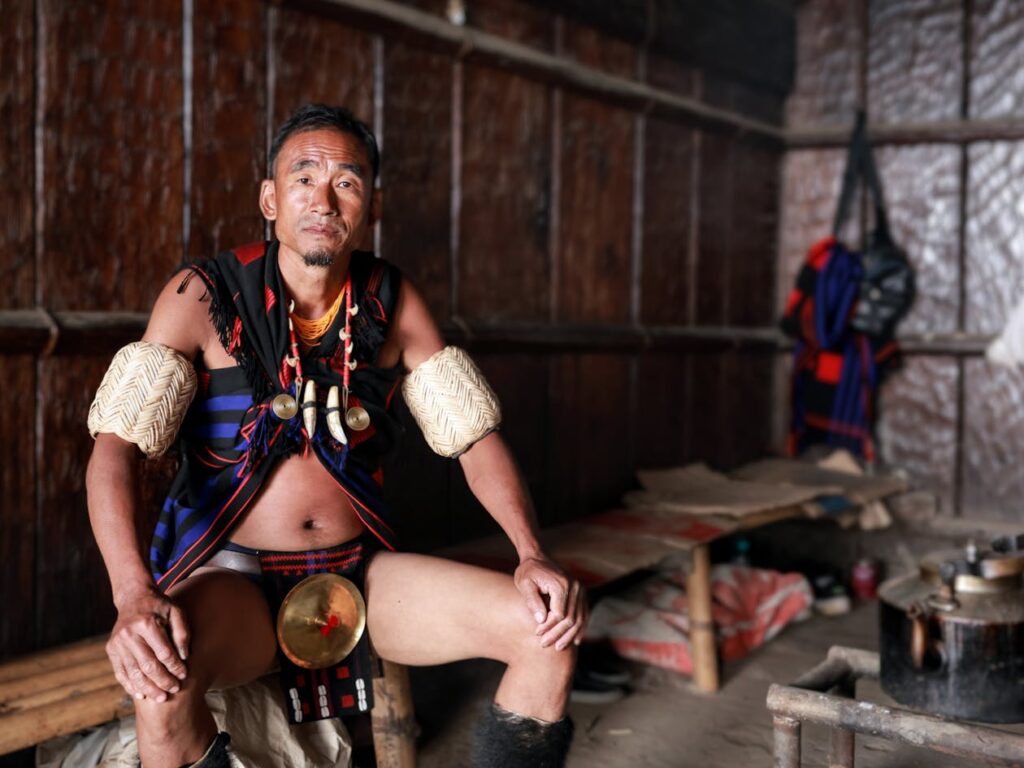
Returned lands now carry new designations under tribal management. Blue Creek Salmon Sanctuary protects 14,790 acres of cold-water refuge surrounded by forest. Yurok Tribal Community Forest covers another 32,307 acres of redwood and mixed conifer stands.
Geography here tells its own story. Twenty-five miles of the Klamath River’s eastern bank now fall under tribal stewardship. Dozens of miles of salmon-bearing tributary streams, including Blue Creek, Bear Creek, Pecwan Creek, and Ke’Pel Creek, flow through protected territory. From headwaters in the Siskiyou Wilderness to the confluence with the Klamath River, Blue Creek runs free under Yurok guardianship.
Forests within the Yurok Tribal Community Forest will recover under sustainable practices. Longer intervals between harvests will allow stands to mature and diversify. Jobs in forestry and restoration will employ tribal members, building economic opportunity while healing damaged ecosystems.
Why Blue Creek Matters for Salmon Survival
Klamath River once ranked as the West Coast’s third-largest salmon-producing waterway. Chinook and coho salmon, along with steelhead, traveled from ocean to spawning grounds in an ancient rhythm. Indigenous people built their lives around these runs.
Today, commercial fishing on the Klamath has been banned for three consecutive years. Populations have crashed so low that fewer than one salmon exists per Yurok Tribe member. Families who once sold their catch to feed themselves have lost a way of life.
Blue Creek offers hope amid crisis. Located 16 miles upstream from Klamath’s mouth, the watershed provides the first cold-water refuge for migrating fish. Salmon and steelhead stop here to lower body temperatures before swimming to upstream spawning grounds. As climate change warms rivers and intensifies droughts, such refuges grow more precious.
Sue Doroff, co-founder and former president of Western Rivers Conservancy, spent years working toward Blue Creek’s protection. She called the tributary critical to the entire Klamath ecosystem. Without healthy cold-water refuges, migrating fish cannot survive their journey.
Dam Removal Opens 400 Miles of Habitat
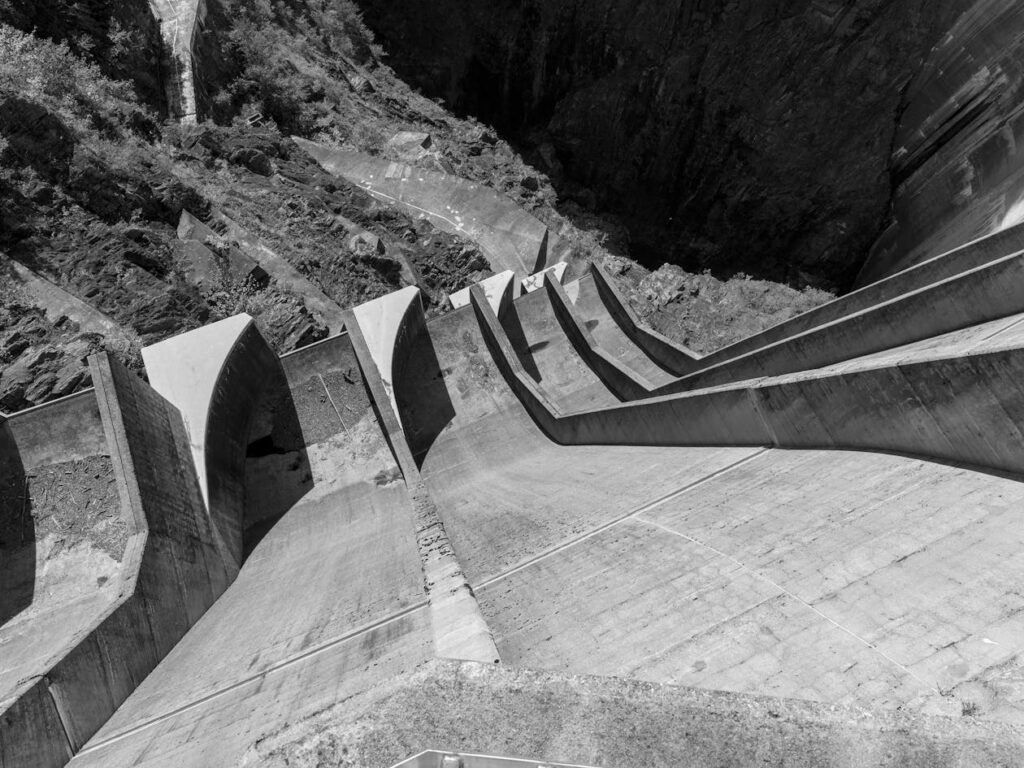
August 2024 marked another milestone for the Klamath River. Removal of the three remaining dams reopened more than 400 miles of salmon habitat in the upper river. Klamath Basin tribes had fought for decades to bring those barriers down.
McCovey, now director of the Yurok Tribal Fisheries Department, saw dams as the single biggest obstacle to salmon production. Their negative influence on river ecosystems had rippled through entire food webs. With dams gone and Blue Creek protected, two major pieces of river recovery have fallen into place.
Yurok Fisheries Department employs nearly 100 scientists and technicians working toward salmon restoration. Through dam removal, tributary protection, and proper water management, the department aims to restore fish runs that sustained both tribal people and the entire region.
A Century of Industrial Logging Left Its Mark
Green Diamond Resource Company managed these forests under what officials called sustainable practices. No more than 2% of timber was cut annually. Old growth was spared. Yet decades of clear-cutting left visible wounds.
Patchworks of 15 to 20 acres at a time had been stripped of redwoods and Douglas firs over multiple cycles since the 1850s. Josh Kling, conservation director for Western Rivers Conservancy, described how clear-cutting creates sediment that winds up in streams. Shallower water warms faster, degrading the quality and smothering salmon eggs. Small fish die in clouded currents.
Logging roads created additional problems. Culverts installed for water drainage were undersized for fish passage. Salmon trying to reach spawning grounds hit dead ends.
Land management decisions also produced dense forests of small trees. Without fire or thinning, these stands grow prone to wildfire and consume excessive water. Sarah Beesley, fisheries biologist for the Yurok Tribe, sat on a rock in Blue Creek and pointed toward distant hillsides. Visitors might see beauty in forested slopes, she noted. But look closer, and old growth becomes scarce. One or two ancient trees might stand among hundreds of younger replacements.
Restoration Will Take Generations
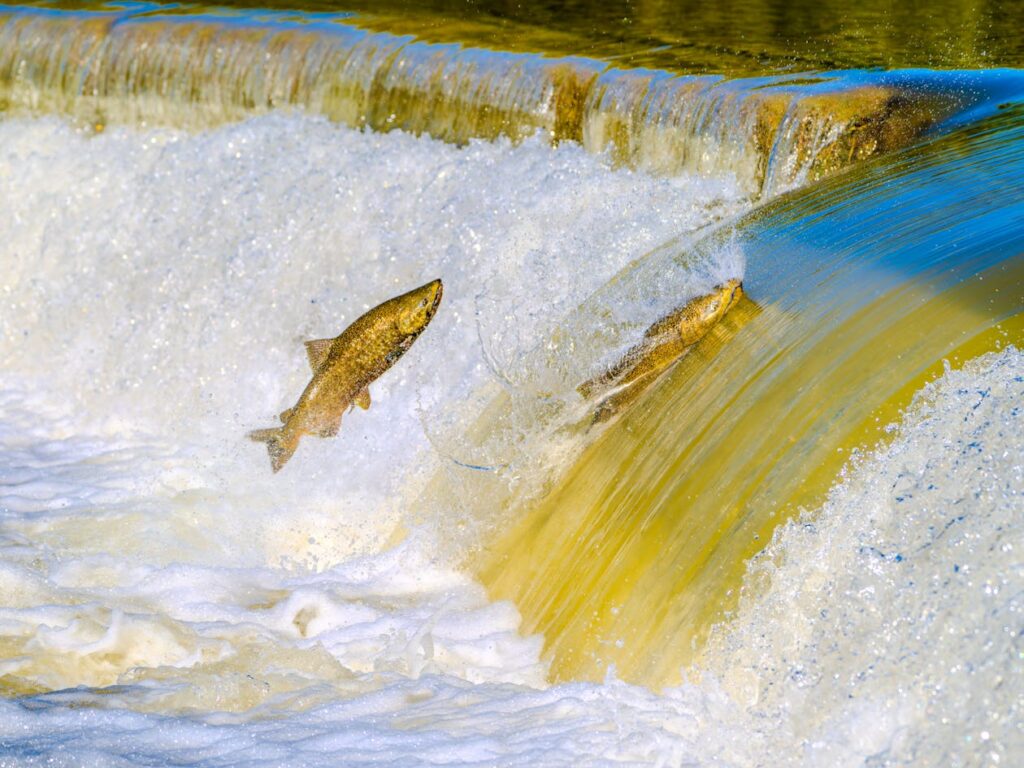
Yurok Tribe has developed plans for healing damaged lands and waterways. Fire will return as a forest management tool after more than a century of suppression. Invasive species will be cleared. Native vegetation encroaching on historic prairies will be removed to restore habitat for elk and mardon skipper butterflies.
Trees cleared from prairies will find new purpose as logjams in creeks, creating habitat for frogs, fish, and turtles. Culverts will be resized or removed to allow fish passage. Sustainable forestry practices will give forests time to mature between harvests.
Work has already begun under a co-management agreement between Western Rivers Conservancy and the Yurok Tribe that dates to 2013. Planning, implementation, road removal, and aquatic restoration projects have set foundations for decades of recovery.
McCovey knows the timeline extends beyond any single lifetime. Healing land that suffered more than a century of industrial use cannot happen quickly. But urgency has given way to patience rooted in purpose.
“And maybe all that’s not going to be done in my lifetime,” said McCovey. “But that’s fine, because I’m not doing this for myself.”
Indigenous Stewardship Gains Recognition
Land Back has grown into a global movement seeking the return of homelands to Indigenous people through ownership or co-stewardship. In the last decade, nearly 4,700 square miles were returned to tribes in 15 states through a federal program. Organizations across the country are supporting similar efforts.
Research has begun catching up to what Indigenous people have long understood. Studies found that the healthiest, most biodiverse, and most resilient forests are on protected native lands where Indigenous people remained stewards. Traditional knowledge offers tools for addressing climate change that Western science is only beginning to appreciate.
Beth Rose Middleton Manning, a University of California, Davis professor of Native American Studies, sees a fundamental difference in worldview. “Management of a forest to grow conifers for sale is very different from thinking about the ecosystem and the different plants and animals and people as part of it and how we all play a role,” she said.
Western Rivers Conservancy has worked with tribal nations for more than 30 years, recognizing them as natural conservation partners. Tribal nations often possess resources, foresight, expertise, and commitment to restore and conserve lands in perpetuity. Recent projects include conveying 327 acres of the Little Sur River and the surrounding ancestral redwood forest to the Esselen Tribe of Monterey County.
Guardians Return to Sacred Ground
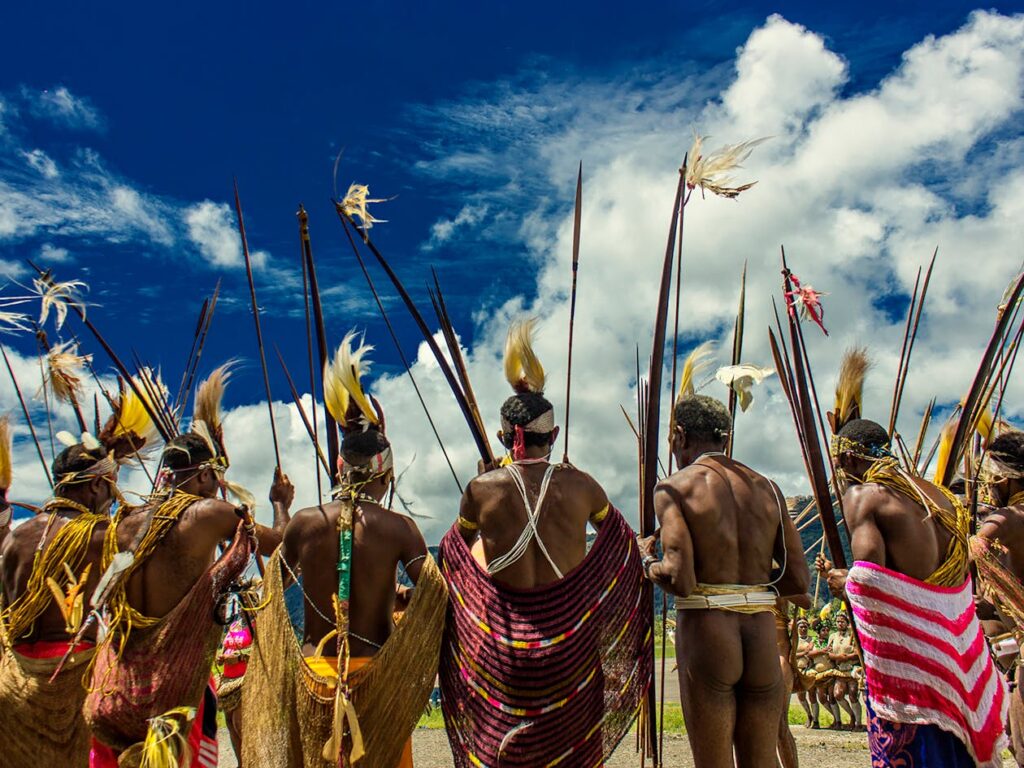
Yurok people call themselves Oohl, meaning Indian people. Klamath-Trinity River remains the lifeline of their community because salmon, sturgeon, and candlefish have sustained generations. Traditional family homes and sweathouses were built from fallen redwoods, cut into boards by hand. Canoes carried people up and down the river and out to sea.
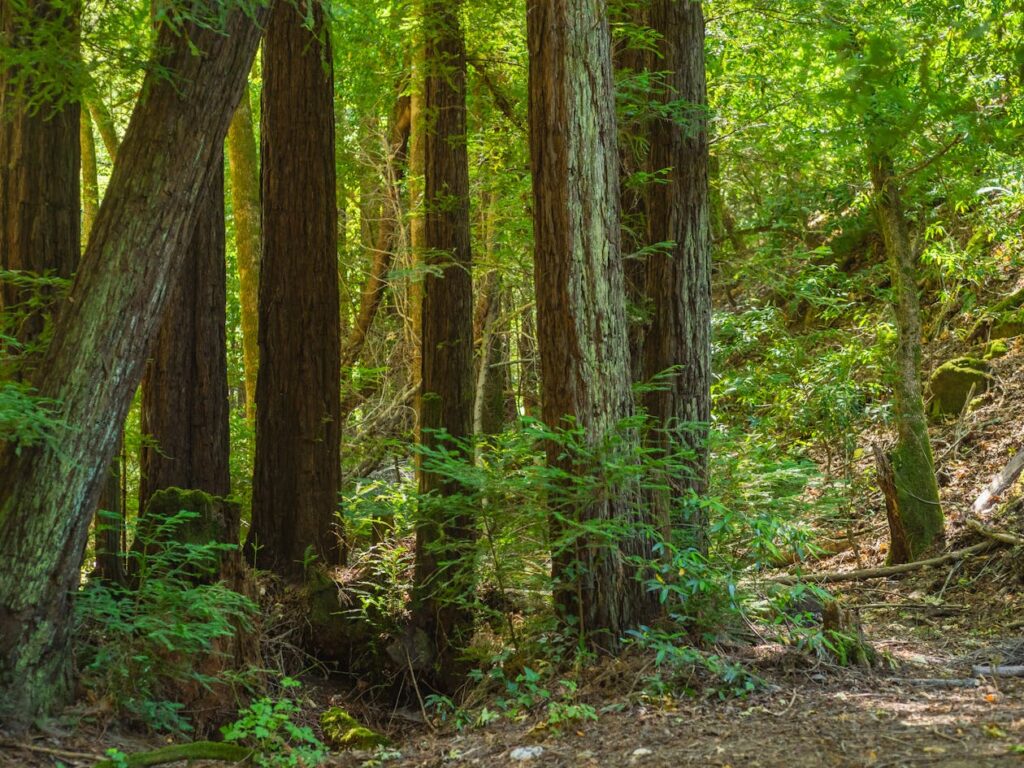
Traditional stories teach that redwood trees are sacred living beings. Beyond their use in homes and canoes, redwoods stand as guardians over sacred places. For more than a century, those guardians watched over lands their people could not reach.
The gates have come down now. Guards have departed. Blue Creek runs cold and clear toward the Klamath River, waiting for salmon to return in numbers that will once again sustain a people and a region.
McCovey no longer sneaks through fences to reach waters his ancestors knew. He walks freely now, swimming through the same currents, working toward restoration he may never see completed. His children and grandchildren will continue the work. And someday, perhaps, Klamath River will again rank among the great salmon rivers of the West Coast, its fish abundant, its people whole.