
Your cart is currently empty!
How a 20-Cent Pill Could Become Our Next Major Tool Against Colon Cancer

Once considered a disease of older age, colorectal cancer is now driving a quiet and alarming shift among younger adults. As diagnoses climb steadily in people under fifty, the medical community is racing to find accessible, effective ways to turn the tide.
Contents
show
Surprisingly, a glimmer of hope has emerged from an unexpected source: an everyday, twenty-cent pill already sitting in millions of medicine cabinets worldwide. This common medication, long trusted for an entirely different condition, is now capturing the attention of cancer researchers who believe it might hold the key to both preventing and fighting this devastating disease.
A Changing Reality for Younger Adults

Colon cancer is often thought of as an older person’s disease, but that reality is changing fast. Today, one in five people diagnosed with colorectal cancer is under 55. It is now the leading cause of cancer death for American men under 50, and the second leading cause for women in that exact same age group.
The overall lifetime risk for the disease is about one in 25 for men and one in 26 for women. While cases in older adults are actually dropping, rates in younger people are climbing by nearly three percent every year.
This impact is not felt equally across the board. Communities with limited access to healthcare face higher death rates, and delayed diagnoses often lead to worse outcomes. For example, American Indian and Alaska Native populations experience some of the highest rates of the disease, highlighting a clear need for better screening and care across all communities.
With more young people facing this diagnosis, finding effective and affordable treatments is incredibly urgent. To help tackle this growing issue, medical researchers are taking a closer look at an incredibly common, inexpensive daily pill. This everyday medication, already sitting in millions of medicine cabinets, might just offer a new and highly accessible way to help fight the disease alongside standard cancer treatments.
The Twenty-Cent Wonder Drug
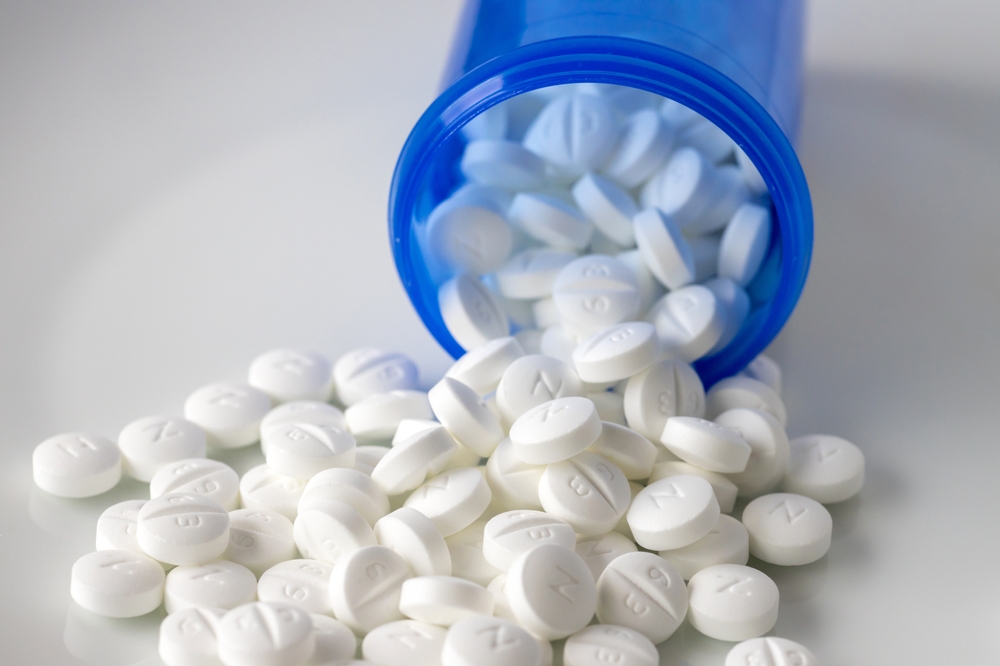
The medication catching the attention of cancer researchers is metformin. It is one of the most widely prescribed drugs on the planet, taken daily by an estimated 200 million people primarily to manage Type 2 diabetes. This generic pill costs a mere ten to twenty cents a dose, making it highly accessible even for patients without health insurance.
Metformin works by changing how the body processes sugar and improving its response to insulin. It also triggers a natural cellular cleanup process that helps the body clear out old or damaged cells. Because the medication has been used safely for over sixty years, doctors are already very familiar with how it affects the body. When side effects do occur, they are typically mild stomach discomforts like nausea or diarrhea.
Beyond simply controlling blood sugar, medical professionals often refer to metformin as a wonder drug. Studies have shown that it offers a surprising range of other health benefits, from treating fertility issues and managing weight to protecting the heart and nervous system. It is even highly regarded by longevity researchers for its potential to slow down the aging process.
Because metformin is so effective at regulating how cells use and store energy, scientists are now asking a bold new question. They want to know if this everyday, affordable medication could be repurposed to fight off complex diseases, specifically tough forms of colon cancer.
Could Your Diabetes Medication Prevent Colon Cancer?

How did a diabetes medication end up in cancer research labs? The connection started with a simple medical observation. Over the years, doctors noticed a distinct trend in their clinics. People taking metformin to manage their diabetes were developing colon cancer at surprisingly lower rates than expected.
This observation sparked a wave of scientific curiosity. When researchers dug into the data, the numbers were hard to ignore. One massive review of 58 different studies revealed that patients taking the medication had a 37 percent lower risk of developing the disease compared to diabetic patients who did not take the drug.
Another major study involving veterans echoed these findings. The research team, led by Dr. Samir Gupta at the VA San Diego Healthcare System, analyzed hundreds of thousands of patient records. They found an 8 percent overall drop in colon cancer risk for those on the medication. Interestingly, the location of the tumor mattered significantly. The drug was tied to a 14 percent drop specifically in rectal cancer odds, but did not show the same reduction for tumors on other sides of the colon.
“The risk may differ because the processes by which rectal cancers develop may be different than in the colon,” Dr. Gupta noted. He explained that the drug might have a different effect depending on the exact process driving the cancer’s development.
These findings strongly suggest the medication acts as a shield, potentially preventing precancerous polyps from forming in the first place. However, scientists are not stopping at prevention. They are now pushing the boundaries even further to see if this inexpensive pill can actually fight the disease after it has already taken hold.
How Metformin Disrupts Cancer’s Energy Supply

While preventing cancer is crucial, scientists are now exploring if metformin can actively fight the disease after it develops. At The Ohio State University, researchers are testing the drug against stubborn colon cancer cells, particularly those driven by a difficult genetic mutation known as KRAS.
The secret might lie in how the medication forces cells to manage their energy. Just as metformin helps regulate blood sugar in diabetic patients, it appears to disrupt the energy supply of cancer cells. It also promotes a natural cleanup process that clears out damaged material. By changing how these harmful cells consume energy, the drug makes it much harder for them to grow and multiply.
“If metformin maybe can be used to redirect or change how the cell uses energy, which then ultimately changes how it divides and how it proliferates, this could be a mechanism to exploit,” explained Holli Loomans-Kropp, the lead researcher on the study.
Currently, the research is in the early stages, with promising results seen in laboratory cell cultures. Loomans-Kropp hopes to move forward with animal testing within the next year.
Experts are careful to point out that this inexpensive pill is not strong enough to cure colon cancer on its own. Instead, it holds massive potential as a booster for existing medical regimens.
“Metformin seems like it could have a really interesting supplemental approach to therapy,” Loomans-Kropp noted. Adding this affordable daily pill to more aggressive cancer treatments could eventually give patients a powerful new advantage in their fight for recovery.
Taking Control of Your Health

While science continues to explore new treatments, individuals have the power to protect themselves right now. Experts estimate that more than half of all colorectal cancer cases are linked to everyday lifestyle choices.
Eating a diet rich in fiber, fruits, and vegetables while limiting red and processed meats is a strong first step. Regular physical activity, such as a thirty minute daily walk, also supports overall colon health. Furthermore, quitting smoking and moderating alcohol intake can significantly drop the risk of developing the disease.
Knowing the warning signs is equally important. Symptoms like unexplained weight loss, extreme fatigue, persistent abdominal cramping, changes in bowel habits, or blood in the stool should never be ignored.
Because early detection saves lives, medical guidelines now recommend that regular screening begins at age 45. However, individuals with a family history of colon cancer or inherited conditions may need to start much earlier. Screening options today range from simple at home stool tests to a standard colonoscopy. A colonoscopy remains the gold standard because it allows doctors to find and remove precancerous growths before they ever turn into cancer.
Medical breakthroughs take time, and a twenty cent diabetes pill could eventually become a standard part of cancer care. Until then, the best defense is a proactive approach. Schedule a conversation with a healthcare provider about the right screening plan, pay attention to physical symptoms, and take daily steps toward a healthier lifestyle.
Source:
- Demb, J., Yaseyyedi, A., Liu, L., Bustamante, R., Earles, A., Ghosh, P., Gutkind, J. S., Gawron, A. J., Kaltenbach, T. R., Martinez, M. E., & Gupta, S. (2019). Metformin is associated with reduced odds for colorectal cancer among persons with diabetes. Clinical and Translational Gastroenterology, 10(11), e00092. https://doi.org/10.14309/ctg.0000000000000092