
Your cart is currently empty!
25 Years After 9/11, Investigators Identify Another Victim Using DNA Genealogy
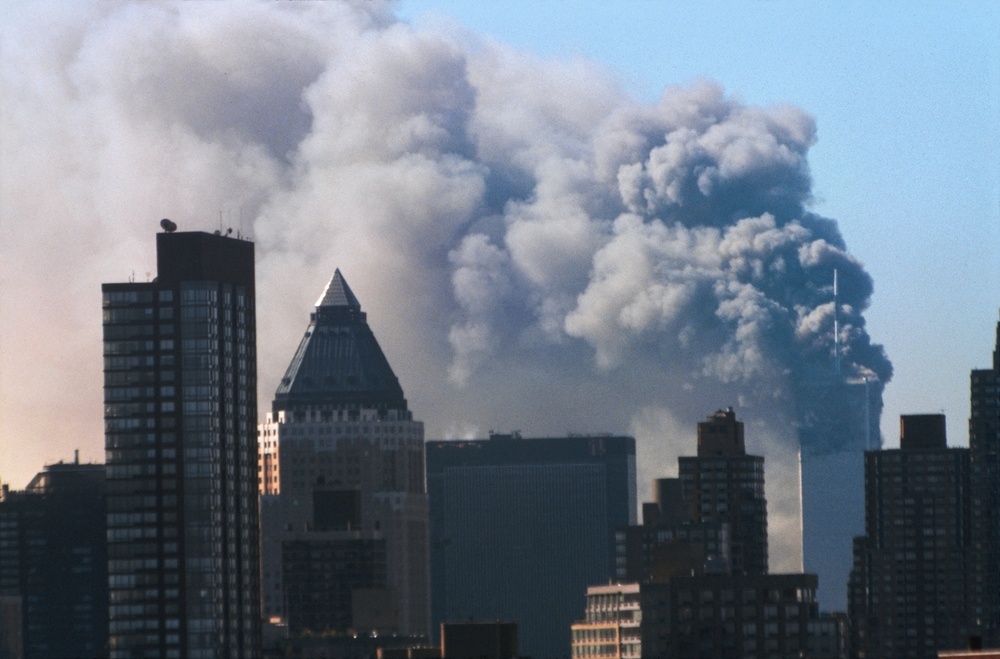
Twenty-five years after the September 11 attacks, investigators have finally identified another person killed at the World Trade Center. The identification marks the first time New York officials have successfully used forensic investigative genetic genealogy in their decades-long effort to identify the victims.
Contents
show
The newly identified victim was an adult woman whose family has chosen not to publicly reveal her identity. She is the 1,654th World Trade Center victim to be formally identified, while roughly 1,100 victims still remain unidentified.

A New Identification After 25 Years
New York City’s Office of the Chief Medical Examiner and the NYPD Detective Bureau made the identification using forensic investigative genetic genealogy. The technique combines DNA testing with family-tree research and has increasingly been used by investigators to resolve difficult unidentified-person and cold cases.
The method gives investigators another way to examine DNA profiles that have not produced a traditional match. Rather than depending only on a direct comparison with a known family reference sample, genetic genealogy can help identify biological relatives and establish family connections that may eventually lead investigators to a person’s identity.
Dr. Jason Graham, New York City’s chief medical examiner, described the development as a breakthrough after decades of identification work. “I’m delighted to be able to say that we’ve now applied new methods to the World Trade Center identification efforts, and we have a new identification for the first time in 25 years using new methods, forensic investigative genetic genealogy,” Graham told ABC News.

The Technology Wasn’t Available In 2001
The significance of the identification is partly rooted in what investigators did not have when the attacks occurred. In September 2001, forensic genetic genealogy did not exist as an investigative method, meaning officials had to rely on the DNA technology and identification techniques available at the time.
Some victims were identified through traditional forensic methods, but other cases remained unresolved because investigators could not establish a match between recovered DNA and the reference samples available from relatives. Those unidentified profiles remained part of the enormous forensic effort that continued long after the recovery operation ended.
NYPD Det. Gregory Paduano said the difference between the technology available then and what investigators can use today is substantial. “The technology really wasn’t there,” Paduano told ABC News. He added that there is “a lot of good future with genealogy” as investigators continue applying the method to difficult cases.
47 DNA Profiles Could Lead To More Identifications
The first successful identification does not mean genetic genealogy can solve every remaining World Trade Center case. Officials say the technique depends on the quality and usefulness of individual DNA profiles, and not every unidentified victim will have evidence suitable for the process.
However, investigators have already identified 47 profiles that may be appropriate for genetic genealogy. Dr. Jennifer Odien, a forensic anthropologist with the New York medical examiner’s office, said officials are focusing on DNA profiles that have not matched their existing reference samples.
“We already can see that it’s promising,” Odien told ABC News. “Not every case is going to be able to go through genetic genealogy, but we do have DNA profiles that are not matching to our reference samples, so that’s the group right now that we’re focusing on and that hopefully is going to yield more positive results.”
Why Genetic Genealogy Changes The Investigation
Traditional DNA identification can be extremely effective when investigators have a suitable reference sample from a known relative. When no direct match is available, however, even a usable DNA profile may not immediately reveal who the person was.
Forensic investigative genetic genealogy can create another path by looking for biological relationships connected to an unidentified DNA profile. Investigators can then use those connections to build a family tree, narrow the possibilities and potentially establish the identity of the person whose remains have remained unidentified.
The approach has already helped investigators solve long-running unidentified-person and cold cases. Its successful use in the World Trade Center investigation means officials can now revisit some unresolved evidence with a method that simply did not exist when the attacks took place.

More Than 1,000 Victims Remain Unidentified
The latest identification brings the number of formally identified World Trade Center victims to 1,654. Yet approximately 1,100 victims remain unidentified, representing about 40% of the total World Trade Center victims, according to the figures provided by the medical examiner’s office.
The number illustrates just how difficult the identification effort has been. The September 11 attacks created one of the most complicated mass-fatality investigations in American history, with investigators working for decades to extract, analyze and compare evidence from the World Trade Center site.
Despite the passage of time, the medical examiner’s office has continued trying to identify the remaining victims. Officials have maintained that commitment while incorporating newer scientific techniques whenever those methods offer another possible route toward an answer.
The Search For Answers Continues
The 47 DNA profiles currently considered suitable for genetic genealogy give investigators a specific group of cases to examine. There is no guarantee that each profile will produce a successful identification, but officials now have another investigative option for evidence that previously failed to generate a match.
That distinction is important because genetic genealogy does not replace the forensic work already completed. Instead, it adds another layer to the investigation, allowing specialists to approach certain unidentified profiles from a different direction and potentially connect them with relatives who were not identified through traditional matching.
For families who have spent decades without a confirmed identification, even a single successful case demonstrates why investigators continue working with old evidence. Scientific techniques can change dramatically over time, and evidence that could not answer a question in 2001 may provide an answer years later.
One More Victim Has A Confirmed Identity
The family of the newly identified woman has declined to publicly come forward, so officials have not released her name. Her private identification nevertheless represents a significant development in an investigation that has continued for a quarter-century.
Graham said the World Trade Center represented both the largest mass murder in U.S. history and the country’s most complex forensic identification effort. He said applying new innovations to the work is a way for investigators to maintain their commitment to the families who have waited for answers.
With 47 profiles now identified as possible candidates for genetic genealogy, investigators have a new opportunity to pursue additional identifications. The technology arrived decades after 9/11, but its first successful use in the case shows that the search for the remaining victims is still moving forward.