
Your cart is currently empty!
2nd Case of Dangerous Monkeypox Strain Confirmed in LA County
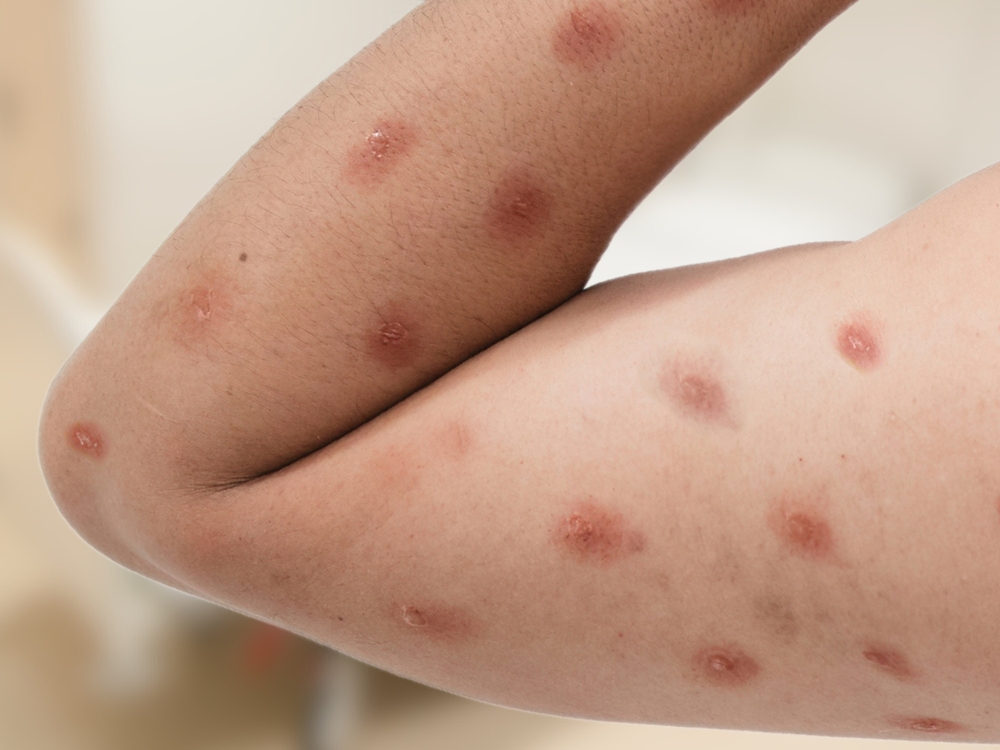
Los Angeles County health officials confirmed a troubling development Thursday: a second person has tested positive for a more severe strain of mpox, and neither patient had recently traveled abroad. Both cases mark a shift that has public health investigators working around the clock to understand how the virus reached Southern California.
Contents
show
An adult resident required hospitalization before recovering at home. Long Beach reported a similar case earlier this week. What makes these infections different from the six previous U.S. cases of this particular strain? Every earlier patient had traveled internationally to regions where Clade I mpox actively circulates. These two individuals had not.
Health authorities across three levels of government are now racing to piece together how these infections occurred. Contact tracing teams are interviewing people who had close interactions with both patients. Investigators are reviewing social histories, examining potential exposure points, and testing anyone who might have come into contact with the virus. So far, no connection between the two cases has surfaced.
What Makes Clade I Different From the 2022 Outbreak
Mpox exists in two main forms, and understanding the distinction between them matters for anyone living in affected areas. Clade II caused the 2022 global outbreak that made headlines and prompted vaccination campaigns. That version typically produces mild to moderate symptoms and has circulated at low levels across the United States since then. LA County alone has recorded 118 Clade II cases so far this year.
Clade I presents a different challenge. Medical professionals consider it potentially more dangerous because it may cause more severe illness and appears to spread more easily between people. While Clade II infections rarely result in death and often resolve without major complications, Clade I carries a mortality rate estimated between 1% and 10%, compared to less than 1% to 4% for its counterpart.
Both strains can trigger similar symptoms, starting with flu-like feelings before a distinctive rash develops. But Clade I has historically been associated with worse outcomes, particularly in areas without access to quality medical care. Recent data from Africa suggests that when patients receive proper treatment, the severity may be less than in previous outbreaks, though the virus still demands serious attention.
Transmission pathways overlap between the two clades. Both spread through close personal contact, including sexual activity, massage, cuddling, and household interactions where people share bedding, clothing, or other personal items. Respiratory droplets from kissing, coughing, or sneezing can also carry the virus from one person to another.
How These Patients Got Sick Without Traveling Abroad

Six previous U.S. cases of Clade I mpox all shared one common thread: international travel. Each infected person had recently visited central or eastern Africa, where more than 40,000 cases have been documented. Health officials could trace the infection source and monitor contacts with relative confidence. California recorded the first such case 11 months ago when a traveler returned from Africa with mild symptoms.
These two new LA County cases break that pattern. Neither patient had journeyed to high-risk regions. Neither fits the established profile that allowed epidemiologists to predict and track earlier infections. “At this point in our investigations, we have not identified any association between the two cases,” Long Beach health officials stated.
Public health teams are now investigating every possible angle. Did the patients encounter someone who had traveled recently but showed no symptoms? Could the virus have reached LA County through a chain of transmission that began elsewhere in the United States? Might other undetected cases be creating a hidden bridge between these two infections?
Contact tracers have already provided vaccines to some close contacts of the Long Beach patient as a precautionary measure. Investigators continue to interview people, review timelines, and search for the missing link that would explain how Clade I mpox arrived and spread without an obvious international connection.
Symptoms You Need to Watch For
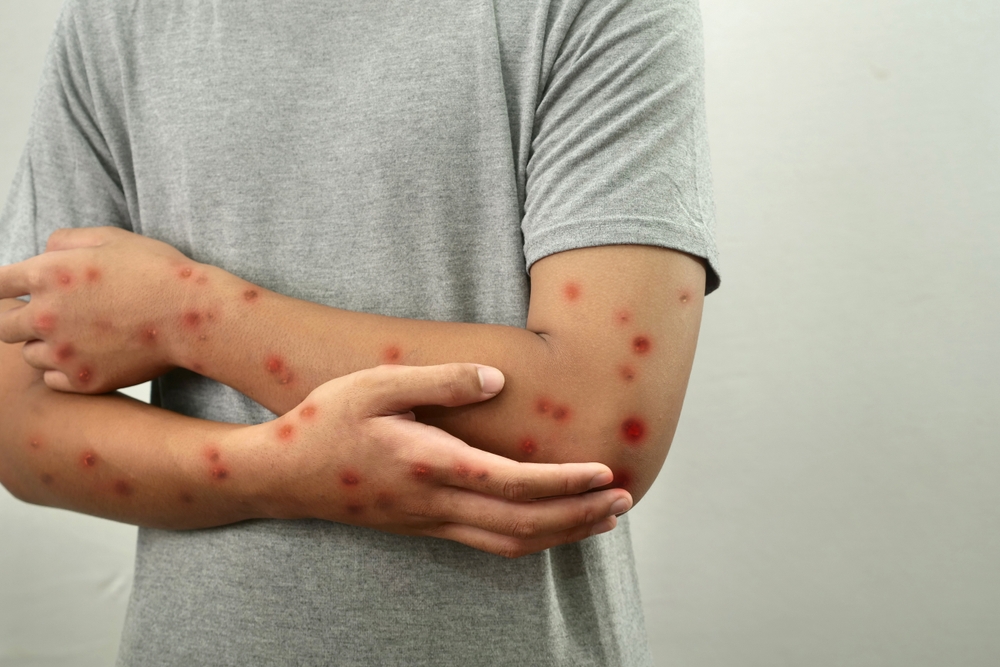
Recognizing mpox early can make a real difference in outcomes and in preventing spread. Initial symptoms often mimic other illnesses, which can lead people to dismiss them or delay seeking care. Fever typically arrives first, along with chills that leave people reaching for extra blankets. Headaches and muscle aches follow, similar to what you might feel with the flu.
Swollen lymph nodes distinguish mpox from many other viral infections. You might notice tender bumps in your neck, armpits, or groin. A sore throat can develop as well, adding to the general feeling of being unwell.
Rash or unusual sores that look like pimples or pus-filled blisters on the face, body, and genitals appear as the infection progresses. These lesions set mpox apart from other conditions. Blisters can surface anywhere on the body, though they commonly appear on the face, hands, chest, and genital areas. Some people develop just a few lesions, while others experience widespread eruptions.
Anyone who notices an unexplained rash or skin changes should avoid sexual contact and intimate physical interaction until a medical provider can evaluate the symptoms. Early testing helps confirm or rule out mpox and allows treatment to begin if needed.
Who Faces the Highest Risk Right Now
Public health authorities classify the overall community risk as low. Most people going about their daily routines face a minimal chance of exposure. But certain groups warrant extra vigilance and should consider vaccination as a protective measure.
Gay and bisexual men, particularly those with multiple partners, saw the highest infection rates during the 2022 outbreak, and that pattern continues with current cases. Transgender, nonbinary, and gender-diverse individuals also face elevated risk. Anyone living with HIV or taking medications to prevent HIV infection should consider vaccination.
People planning travel to sub-Saharan Africa or regions experiencing Clade I outbreaks need protection before departure, especially if they anticipate sexual or intimate contact during their trip. Anyone who attends or plans to attend commercial sex venues like clubs or bathhouses should get vaccinated.
Having a sexual partner who meets any of the above criteria increases your exposure risk as well. Health officials encourage people to discuss vaccination with their partners and take protective steps together.
Certain occupational groups need vaccines, too. Laboratory workers who handle specimens that might contain the mpox virus should get immunized. Anyone exposed to an infected person within the past 14 days qualifies for vaccination even without other risk factors.
People who request vaccination can receive it even without disclosing specific risk factors. Health providers won’t turn away anyone seeking protection against mpox.
Where to Get the Jynneos Vaccine in LA County

Jynneos offers protection against both Clade I and Clade II mpox through a two-dose series. Getting both shots provides the best defense against infection. People who received only one dose earlier can get their second shot now, regardless of how much time has passed since the first injection.
Pharmacies across LA County stock the vaccine. CVS and Walgreens locations typically carry Jynneos, though calling ahead to confirm availability saves time and frustration. Bavarian Nordic, the vaccine manufacturer, maintains an online locator tool that shows which nearby providers have doses in stock.
Primary care doctors can administer the vaccine for established patients. LA County also operates sexual health clinics that provide free vaccination for uninsured and underinsured residents. Appointments at public health clinics are available by calling the Public Health Infoline at 1-833-540-0473, open seven days a week from 8 a.m. to 8 p.m.
Insurance coverage varies by plan. Most private insurance, Medicare, and Medi-Cal plans cover Jynneos for eligible individuals. Checking with your specific health plan before scheduling ensures you understand any potential costs.
People enrolled in the PrEP Assistance Program or AIDS Drug Assistance Program can access free vaccination as part of their covered services. Public health clinics also offer no-cost vaccines to those without insurance coverage.
Keep in mind that full protection takes time to develop. About six weeks pass between starting the vaccine series and achieving maximum immunity. People at higher risk should begin the process soon rather than waiting until they might face imminent exposure.
How to Protect Yourself From Infection
Vaccination provides strong protection, but behavioral changes add extra layers of safety. Sexual health decisions carry particular importance since close intimate contact drives most mpox transmission.
Avoid sex or close physical contact if you or a partner develops symptoms like an unexplained rash, sores, or fever. Waiting to see a healthcare provider and get tested protects everyone involved. Reducing the number of sexual partners lowers exposure risk, especially when you don’t know their recent sexual history.
Exchanging contact information with new partners creates a way to alert them if you develop symptoms later. Some people find these conversations awkward, but they serve an important public health function and demonstrate respect for partners’ wellbeing.
Sex parties, circuit parties, and venues involving intimate contact with multiple people create higher-risk environments. Limiting attendance at such events reduces exposure opportunities.
Condoms may protect some body parts during sexual activity, but mpox lesions can appear on areas that condoms don’t cover. Gloves can reduce exposure risk during anal or vaginal digital penetration, but they must cover all exposed skin and require careful removal to avoid touching the contaminated outer surface.
Personal items shouldn’t be shared. Keep your towels, clothing, bedding, and sex toys for your own use. After use, wash everything thoroughly with soap and hot water. Hands should be washed frequently, particularly after any intimate contact or touching potentially contaminated surfaces.
Why Health Officials Say Public Risk Remains Low

Despite the concerning nature of these first domestic transmission cases, public health authorities maintain that most residents face minimal danger. Several factors support this assessment.
Mpox requires close personal contact for transmission. You can’t catch it by passing someone on the sidewalk, sitting near them on the bus, or sharing a workplace bathroom. Unlike highly contagious respiratory viruses, mpox doesn’t spread easily through casual interaction.
Case numbers remain low overall. LA County has recorded 118 Clade II infections this year among a population of roughly 10 million people. Only two Clade I cases have appeared, and both individuals are now isolated and recovering at home, where they can’t expose others.
Medical infrastructure stands ready to handle cases that do emerge. Hospitals know how to treat mpox patients. Testing capacity exists to diagnose infections quickly. Vaccines are widely available for people who want protection.
While the overall risk of mpox clade I exposure to the public remains low, we are taking this very seriously, Mayor Rex Richardson stated. His comment captures the balanced approach health officials are taking: acknowledging the concern while maintaining perspective on actual risk levels.
Early detection systems work in LA County’s favor. Surveillance programs monitor for unusual disease patterns. Healthcare providers know to test suspected cases. Public health infrastructure can respond quickly when new infections appear.
What Happens Next in the Investigation
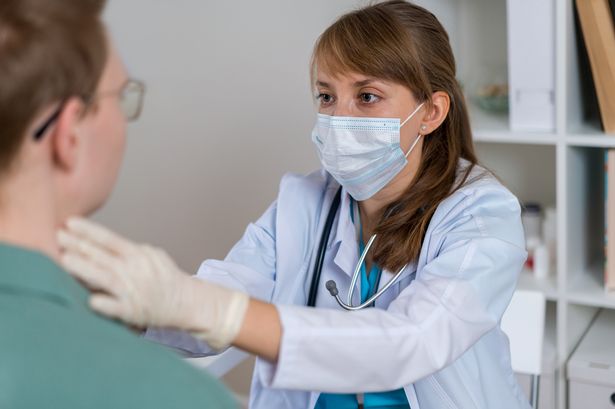
Multiple health agencies are coordinating their response to these cases. LA County Department of Public Health leads the local effort, working closely with the California Department of Public Health and the Centers for Disease Control and Prevention. Each organization brings different expertise and resources to the investigation.
Enhanced surveillance means health officials are watching for any additional cases that might emerge. Healthcare providers across the region have been alerted to the situation and asked to remain vigilant when patients present with symptoms that could indicate mpox.
Contact tracing continues for both confirmed patients. Every person who had close interaction with either an infected individual receives notification, testing offers, and vaccination if appropriate. Some contacts have already received vaccines as a precautionary measure.
Source identification remains a top priority. Investigators need to understand how these patients contracted Clade I mpox without international travel. Finding that answer could reveal whether other cases exist or whether transmission chains are active in the community.
Anyone who develops an unexplained rash or lesions should avoid sex and intimate contact and seek medical evaluation as soon as possible, Long Beach health officials advised. Getting suspected cases identified and isolated quickly prevents further spread.
Healthcare providers face particular responsibilities during this investigation. Doctors and nurses should consider mpox when evaluating patients with compatible symptoms. Prompt testing and immediate notification to public health authorities help the broader response effort.
Testing and Treatment Options
People with symptoms should contact their healthcare provider for evaluation and testing. Primary care doctors can assess symptoms and order appropriate tests. Sexual health clinics also provide testing services.
Laboratory analysis of lesions confirms whether someone has mpox and can determine which clade caused the infection. California Department of Public Health conducts the testing, with additional analysis by the CDC when needed. Results typically arrive within a few days.
Most infected people recover within two to four weeks without specific treatment. Rest, hydration, and over-the-counter pain relievers help manage symptoms while the body fights off the virus.
Antiviral medications exist for people who develop severe illness or face a higher risk of complications. Healthcare providers may recommend treatment for immunocompromised individuals or those with extensive lesions. These medications can shorten illness duration and reduce severity.
Anyone diagnosed with mpox must isolate at home to avoid spreading the virus. Stay away from others, including household members, when possible. Avoid sharing personal items. Cover lesions with clothing or bandages. Wash your hands frequently.
Sexual activity should stop until all lesions have healed completely and new skin has formed over the affected areas. Even after symptoms resolve, talking with partners about your recent infection allows them to make informed decisions about their own health and testing.
Public health clinics offer confidential testing and care. Contact the LA County Public Health Infoline at 1-833-540-0473 for guidance on testing locations, symptoms, or reporting concerns. Information is also available at ph.lacounty.gov/mpox.