
Your cart is currently empty!
Humans Have Only Seen 0.001% of the Seafloor

Imagine trying to understand the entire planet by studying a patch of land no larger than a single neighborhood. Now, imagine making life-or-death decisions for that planet based solely on what you learned from that sliver of earth.
Contents
show
That’s essentially what humanity is doing with the deep ocean.
Despite covering more than two-thirds of our planet and playing a critical role in climate regulation, biodiversity, and global ecosystems, we’ve only visually explored about 0.001% of the deep seafloor—an area barely larger than Rhode Island. That means 99.999% of this vast underwater world remains unseen, undocumented, and largely unconsidered in conversations about conservation, climate, and resource management.
We often speak of space as the “final frontier,” but the real mystery might lie beneath our feet—or rather, beneath thousands of feet of water. As technology races toward the stars, the greatest unexplored ecosystem on Earth waits silently in the dark. What are we missing? And what might we be risking by ignoring it?
A Startling Statistic
The scale of our ignorance about the deep seafloor is difficult to overstate. While oceans cover about 71% of Earth’s surface, the portion that lies deeper than 200 meters—what scientists define as the “deep ocean”—makes up roughly 66% of the planet. And yet, despite decades of marine exploration, humans have visually observed just 0.001% of that underwater world.
To put that in perspective: if Earth’s deep seafloor were the size of the entire planet, we’ve explored an area smaller than Rhode Island, or one-tenth the size of Belgium. The comparison is not just poetic—it’s statistical. A recent study published in Science Advances by the Ocean Discovery League and its collaborators used over 43,000 documented deep-sea dives to create the most comprehensive visual database of benthic (seafloor) observations to date. Even with generous estimates, the total observed area amounts to less than 1,500 square miles.

And the data we do have is patchy at best. Nearly 30% of recorded imagery was captured before 1980, often in low-resolution black-and-white. Much of this footage is too poor to use in modern research. These gaps mean that even the slivers of ocean we have observed may be poorly understood or misinterpreted.
The slow pace of progress is staggering. Lead researcher Dr. Katy Croff Bell estimates that, at the current rate of exploration, it would take 100,000 years to visually observe the entire deep seafloor. This is not just a delay—it’s a generational blind spot that leaves the majority of Earth’s largest ecosystem in darkness, both literally and figuratively.
The Role of the Deep Ocean in Life on Earth
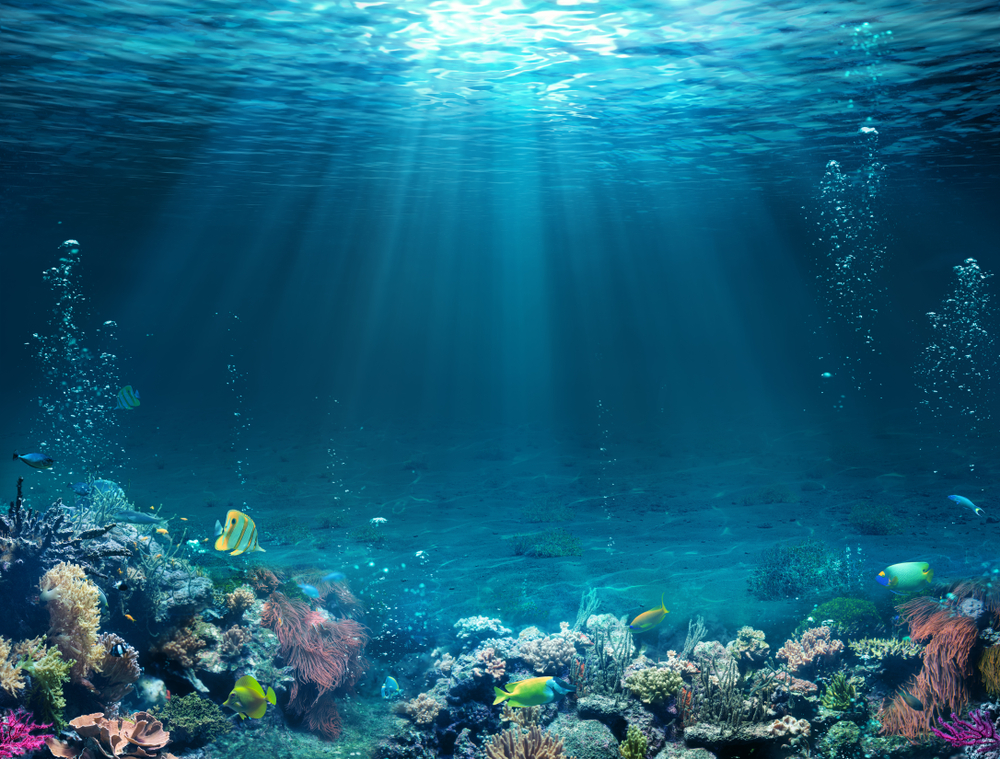
Beneath the surface of the ocean lies a realm of staggering scale and quiet influence—a world largely invisible but absolutely vital to life on Earth. The deep seafloor is not just an alien environment filled with strange, bioluminescent creatures. It is a foundational component of Earth’s life support system, performing silent services that affect everything from the air we breathe to the climate patterns we depend on.
First and foremost, the deep ocean is a massive carbon sink. It stores vast amounts of carbon dioxide, helping to regulate the planet’s temperature and mitigate the impacts of human-caused emissions. If this delicate balance were disrupted—whether by climate change or industrial activities such as deep-sea mining—it could accelerate warming on a planetary scale.
It’s also a cradle of biodiversity, home to countless species, many of which remain undiscovered. Current estimates suggest that there are between 700,000 and one million marine species, but only about a third have been identified. And that doesn’t even include microorganisms, which likely number in the millions. The seafloor may harbor life forms with unique biological properties that could lead to medical breakthroughs, including new antibiotics and treatments for disease—resources we risk losing before we even know they exist.
Beyond biology, the deep ocean helps generate oxygen, recycle nutrients, and support fisheries that sustain communities across the globe. Deep-sea currents play a critical role in climate regulation, redistributing heat and influencing weather patterns thousands of miles away.
Yet, we are making decisions—about ocean mining, carbon storage, and marine conservation—with knowledge derived from a microscopic sliver of this ecosystem. As Dr. Katy Croff Bell aptly noted, “We need a much better understanding of the deep ocean’s ecosystems and processes to make informed decisions about resource management and conservation.” Without that understanding, we are navigating blindly, risking the integrity of systems we depend on for survival.
Why We Know So Little
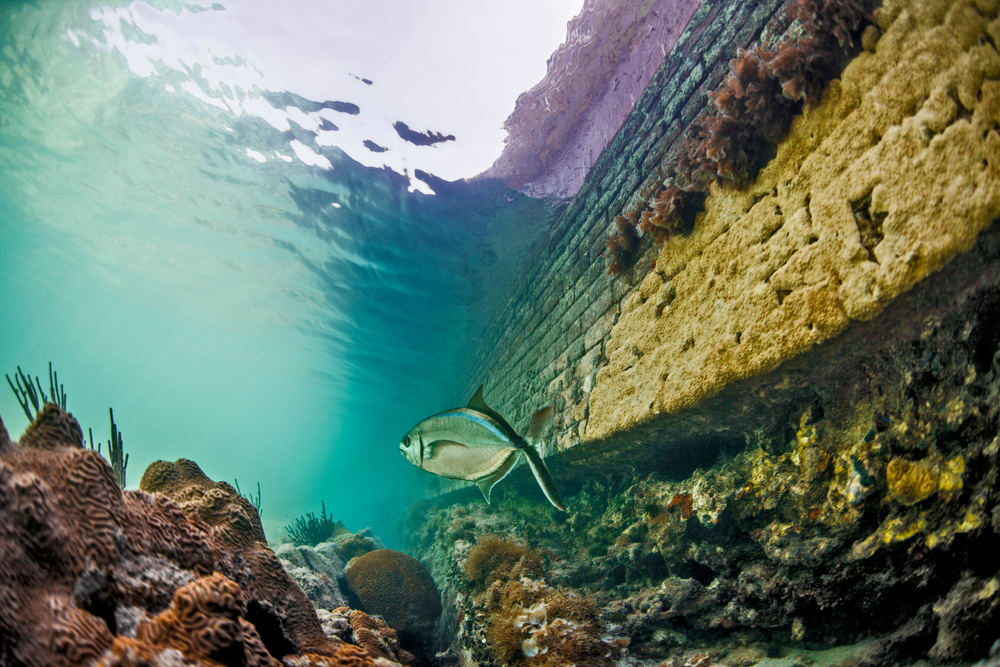
It’s easy to assume that in the age of satellites, smartphones, and Mars rovers, Earth has no secrets left. But the deep ocean remains one of the most inaccessible and underexplored regions of our planet—not due to lack of curiosity, but because of the immense technical, financial, and geopolitical barriers that stand in the way.
Exploring the deep sea is an engineering and logistical challenge of the highest order. At depths below 200 meters, sunlight disappears, temperatures plummet to near freezing, and water pressure can exceed 1,000 times the atmospheric pressure at sea level. Specialized submersibles—manned or unmanned—must be built to survive these extremes, and few are capable of reaching the average ocean depth of about 12,080 feet.
As of now, only about 10 submersibles in the world are certified for deep ocean travel. Their deployment is both time-consuming and expensive, often requiring multimillion-dollar investments in research vessels, crews, and months-long expeditions. This financial burden has limited deep-sea exploration to a small group of wealthy nations, primarily the United States, Japan, New Zealand, France, and Germany, which account for 97% of all recorded deep-sea dives.
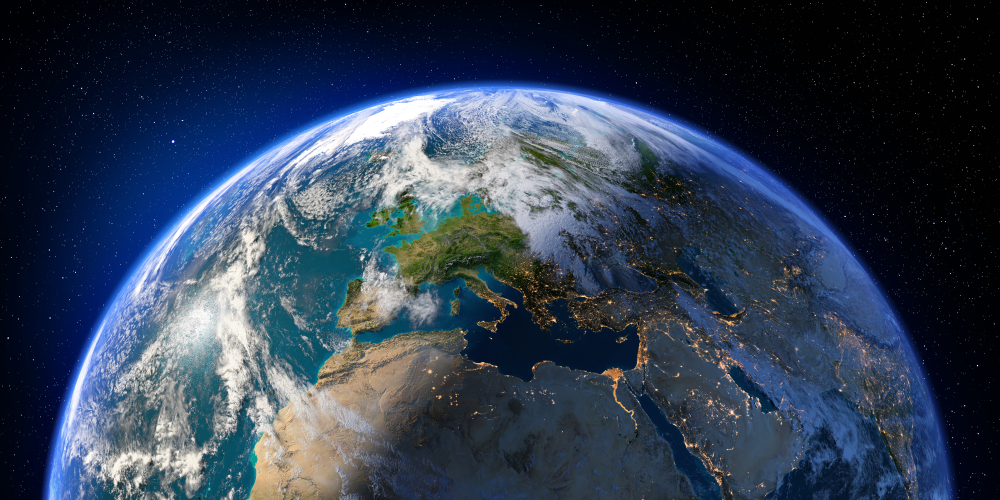
This imbalance has created a geographic bias in what we know. Most dives occur within Exclusive Economic Zones (EEZs)—areas extending 200 nautical miles from a country’s coastline. In fact, over 65% of visual observations have taken place within the EEZs of just three countries: the U.S., Japan, and New Zealand. International waters—where much of the ocean lies—are largely unexplored and remain, quite literally, in the dark.
Compounding this is the historical reliance on outdated technology. Nearly 30% of visual data was collected before 1980, often using rudimentary imaging systems that yield low-quality results. This leaves significant portions of the existing data archive obsolete for modern scientific analysis.
And while space exploration continues to surge—over 2,800 rocket launches took place in 2024 alone—ocean exploration lags behind. Deep-sea missions are infrequent, underfunded, and often overlooked in global research priorities. In short, the final frontier may not be above us, but beneath—and we’re decades, if not centuries, behind in reaching it.
What’s at Stake
As industrial interest grows in areas like deep-sea mining, carbon sequestration, and underwater infrastructure, the lack of baseline knowledge about deep-sea ecosystems poses a serious threat. These ventures are often driven by economic urgency—rare earth minerals for batteries, for example—without a full understanding of the long-term ecological costs. In some cases, we’re operating with less insight than if we tried to manage a rainforest based on studying a single grove of trees.
This knowledge gap is especially troubling given that many deep-sea habitats are uniquely fragile. Species in these dark, high-pressure environments often live at slower metabolic rates, reproduce infrequently, and are highly specialized to their surroundings. Even small disturbances—like mining plumes or temperature shifts—can cause irreversible damage to ecosystems that took millennia to develop.
Climate change further raises the stakes. The deep ocean plays a pivotal role in regulating global temperatures and absorbing excess heat and carbon dioxide. Without a clear understanding of how these systems function—or how they’re changing—we risk miscalculating our climate response strategies. According to scientists, disrupting these functions could accelerate warming, destabilize weather patterns, and further degrade already stressed marine systems.
There’s also a scientific cost. With only 0.001% of the deep seafloor visually documented, our understanding of marine biodiversity is woefully incomplete. This lack of data has led to deeply skewed ecological models, as researchers extrapolate global conclusions from dives concentrated in just a handful of regions. As the study’s authors noted, if we applied the same method to land, it would be like assessing all of Earth’s ecosystems based on an area smaller than Houston, Texas.
What Needs to Change
If the deep ocean holds the keys to climate stability, biodiversity, and potential scientific breakthroughs, then exploring it must become more than a niche endeavor—it must be reframed as a global priority. And that starts with changing who explores, how we explore, and why we explore.
For decades, deep-sea exploration has been dominated by a small number of well-funded nations and institutions. But researchers now argue that expanding participation—especially from coastal and developing countries—is essential. The deep ocean belongs to no one and yet affects everyone. Without inclusive, globally distributed efforts, our understanding will remain dangerously narrow, shaped by the priorities and interests of only a few.
Technological advancement is finally beginning to make that broader participation possible. Innovations in smaller, more affordable deep-sea vehicles, such as low-cost remotely operated vehicles (ROVs) and autonomous underwater systems, could allow more countries and even local communities to contribute to mapping and monitoring the seafloor. Organizations like the Ocean Discovery League are already working to equip coastal nations with these tools, hoping to democratize access to this once elite field.
But accessibility alone isn’t enough. Exploration efforts also need to become more intentional and representative. Instead of repeatedly surveying familiar hotspots—like Monterey Bay or Japanese coastal trenches—scientists are calling for a strategic approach that fills in critical geographic and ecological gaps. This means targeting unexplored areas like abyssal plains, seamounts, and international waters, which remain largely undocumented.
Just as importantly, the purpose of exploration must shift. For too long, the deep ocean has been treated as a resource bank to be tapped, rather than an ecosystem to be understood. Moving forward, exploration must prioritize ecological insight over economic extraction, ensuring that science and conservation guide any future use of deep-sea environments.
Dr. Ian Miller of the National Geographic Society summarized the stakes well: “If we have a better understanding of our ocean, we are better able to conserve and protect it.” Exploration is not just about curiosity—it’s about creating the knowledge needed to make informed, ethical decisions about the largest ecosystem on Earth.
Why This Matters to Us All
It’s tempting to see the deep ocean as a remote curiosity—alien, distant, and disconnected from our everyday lives. But that perception is not only inaccurate, it’s dangerous. The deep sea isn’t just an ecological or scientific frontier; it’s a mirror of our values, our priorities, and our relationship with the natural world.
In many ways, the story of the unexplored seafloor is a story of human short-sightedness. We’ve poured resources into reaching other planets while overlooking the mysteries in our own backyard. We’ve prioritized extraction over understanding. And we’ve allowed a handful of actors to define the narrative of exploration, leaving vast portions of the planet—and the people most connected to it—on the margins.
But the unknown isn’t something to fear or ignore. It’s something to engage with, not just out of scientific curiosity, but out of ethical responsibility. Every breath we take is made possible in part by the ocean. Every meal of seafood, every weather pattern, every coastal community is shaped by forces that begin, in part, on the deep seafloor. To overlook it is to overlook ourselves.
There is also something profoundly human about the impulse to explore—not to conquer, but to connect. The deep ocean reminds us that discovery isn’t just about mapping territory; it’s about expanding our sense of kinship with the planet. It calls on us to slow down, look deeper, and ask better questions—not just about what’s down there, but about who we are and what kind of ancestors we want to be.
We live in a time of ecological urgency and technological possibility. That tension gives us a choice. We can continue skimming the surface—of the ocean, and of our own understanding—or we can commit to looking deeper. Not just into the water, but into our collective responsibility to protect what we cannot yet see.
Because ultimately, caring for the deep ocean isn’t about the sea alone. It’s about recognizing that the health of the planet depends on the parts we’ve yet to understand—and having the courage to explore them with humility, equity, and purpose.