-
Scientists Reveal The Devastating Impact Human Noise Is Having On Wildlife

The constant sound of traffic, aircraft, ships and industrial machinery may seem like an ordinary part of modern life. However, for wildlife, these everyday noises are creating dangerous conditions that can affect survival, reproduction and the delicate balance of entire ecosystems. A major scientific analysis has uncovered the scale of the problem, finding that human-generated…
-
Scientists Discover Five Tiny Frogs in India and One Has a Bizarre Diet
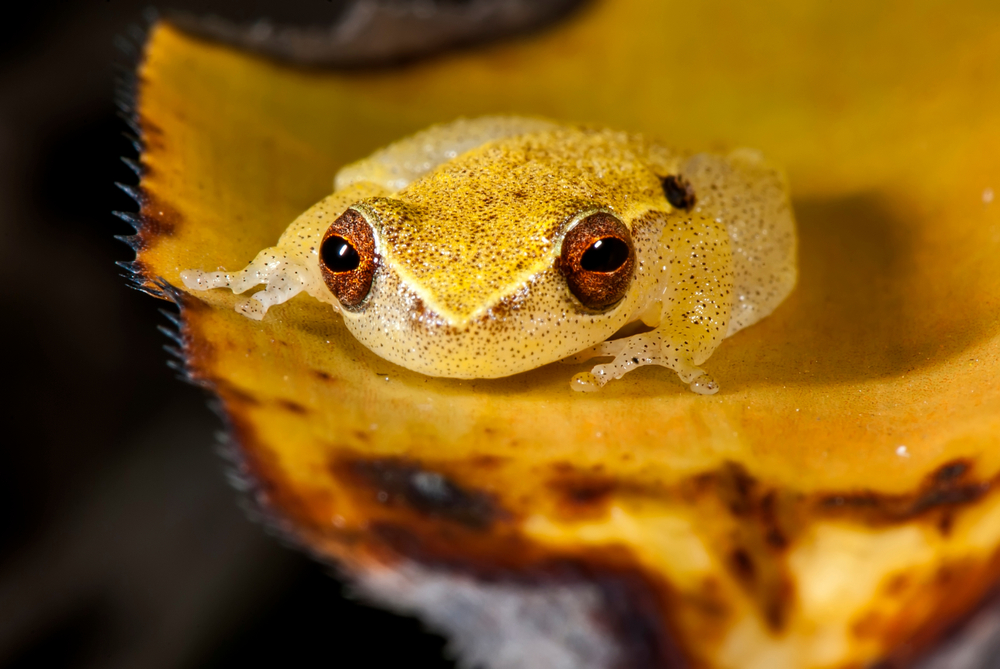
A tiny frog hiding in the forests of India’s eastern Himalayas has surprised scientists with an unusual eating habit. The miniature amphibian has been found swallowing land snails whole, including their shells, making it the first recorded frog in India known to feed on snails. The discovery is part of an even bigger scientific finding.…
-
Scientists Uncover Two Hidden Amazon Monkey Species, But One Discovery Comes With A Terrifying Warning
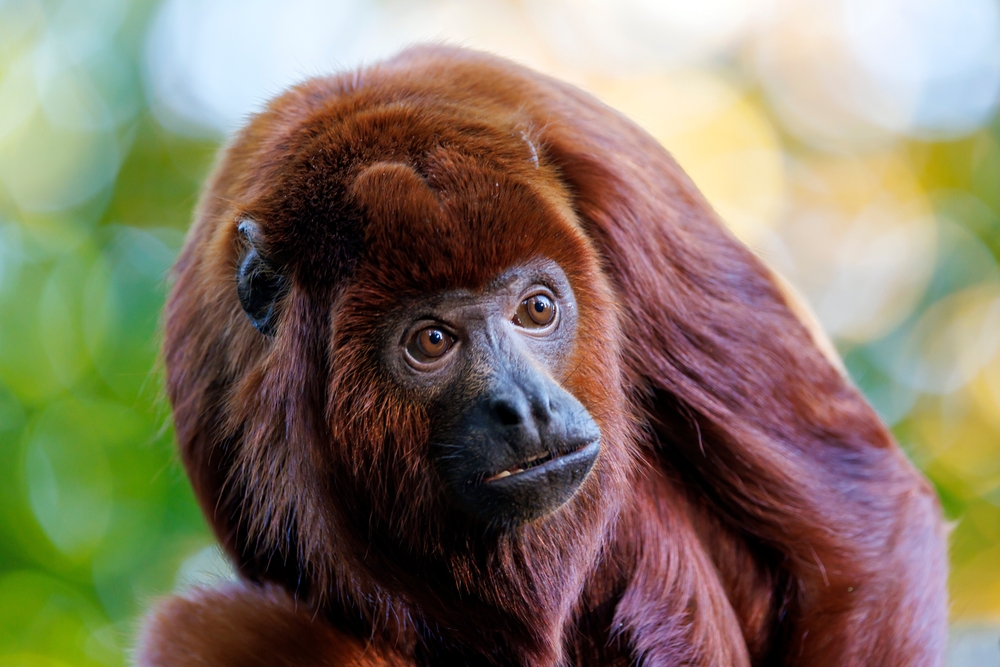
Two striking red-furred monkeys have emerged from the Amazon rainforest as scientists uncover previously unknown branches of their evolutionary history. Their discovery has expanded what researchers know about the region’s wildlife, but there is a serious problem. One of the newly identified species could already be close to extinction, while the other faces a potential…
-
Scientists Investigate Bolivia’s Most Biodiverse National Park And Uncover An Astonishing Number Of Bat Species
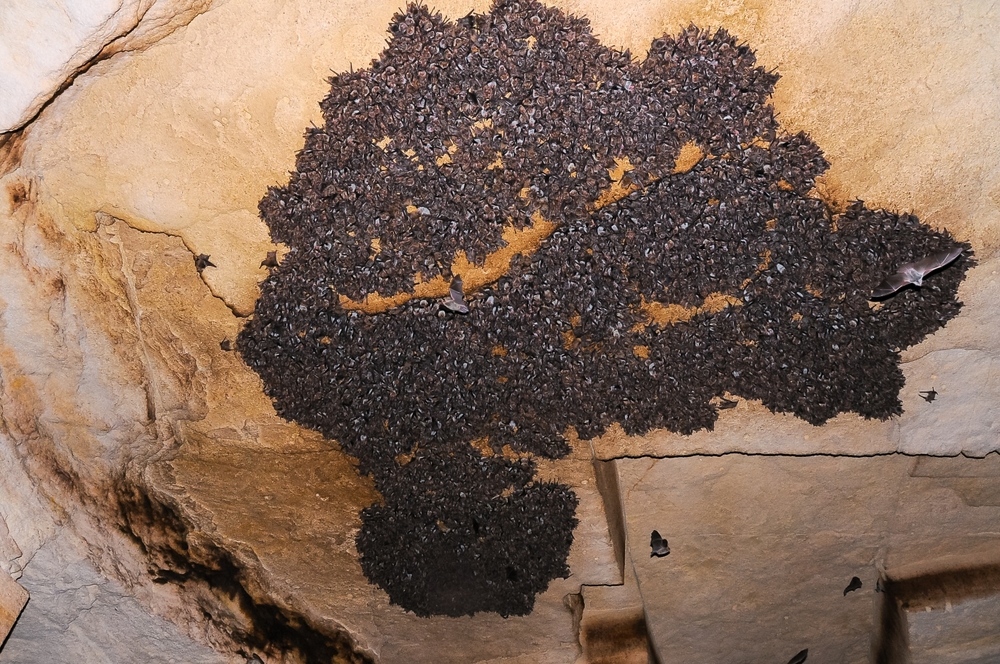
Scientists exploring a vast protected wilderness in Bolivia have uncovered a wildlife discovery that could change how researchers understand the country’s biodiversity. Hidden among its forests and mountains are 99 recognized bat species, alongside another unusual animal that may represent a species never formally identified by science. The findings are particularly striking because researchers had…
-
Human Noise Is Turning Wildlife Habitats Into Dangerous Traps As Scientists Uncover Alarming Animal Changes

The sound of traffic, roaring engines and industrial machinery has become so familiar that most people barely notice it anymore. But for animals living nearby, these sounds can create serious problems. Creatures that depend on hearing to find food, communicate and escape predators may suddenly struggle to carry out some of the most basic activities…
-
Climate Change Is Changing the Smell of Rain Around the World

The first rain after weeks of scorching weather can bring a familiar earthy smell that people recognize almost instantly. Known as petrichor, this distinctive aroma has long been associated with relief from the heat, childhood memories, and the arrival of a refreshing change in the weather. However, scientists say the conditions responsible for producing this…
-
Forty Years After Chernobyl, Animals Are Thriving in the Exclusion Zone

Four decades after one of history’s worst nuclear disasters turned a vast stretch of northern Ukraine into a restricted zone, something unexpected is happening among its abandoned buildings and overgrown forests. Wolves roam through the landscape, wild horses move across open ground, and other large mammals have established a presence in an area once defined…
-
Earth Has Nine Critical Limits And Scientists Say Seven Are Already Crossed

Earth has nine major environmental boundaries that scientists use to track how much pressure the planet can take. A new assessment says humanity has now pushed seven of those systems beyond the limits considered safe. The latest findings include worsening climate pressure, accelerating biodiversity loss and a newly breached ocean acidification boundary. Yet there is…
-
Scientists Discover Tiny Spotted Wild Cat Species After More Than 100 Years
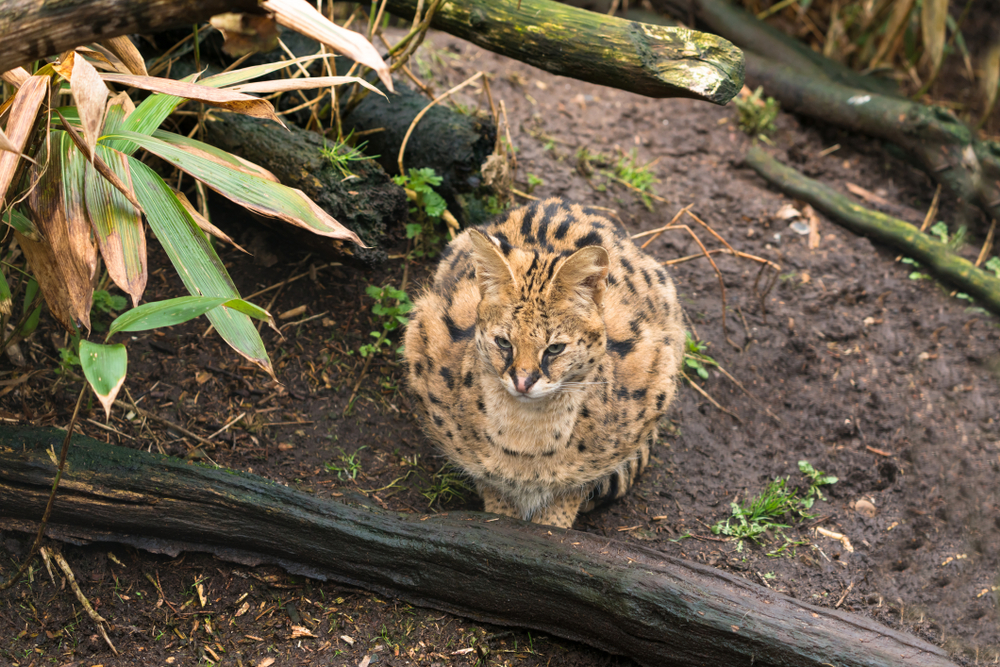
A tiny spotted cat hiding in the forests of Bolivia has become one of the rarest wildlife discoveries in recent history. The animal, which is smaller than many house cats, was once known only to local communities, but scientists have now confirmed it as a completely new species. The discovery of the tilcayo tiger cat…
-
Brazilian Frog Spotted Inside Flowers Could Be the First Amphibian Pollinator Ever Recorded
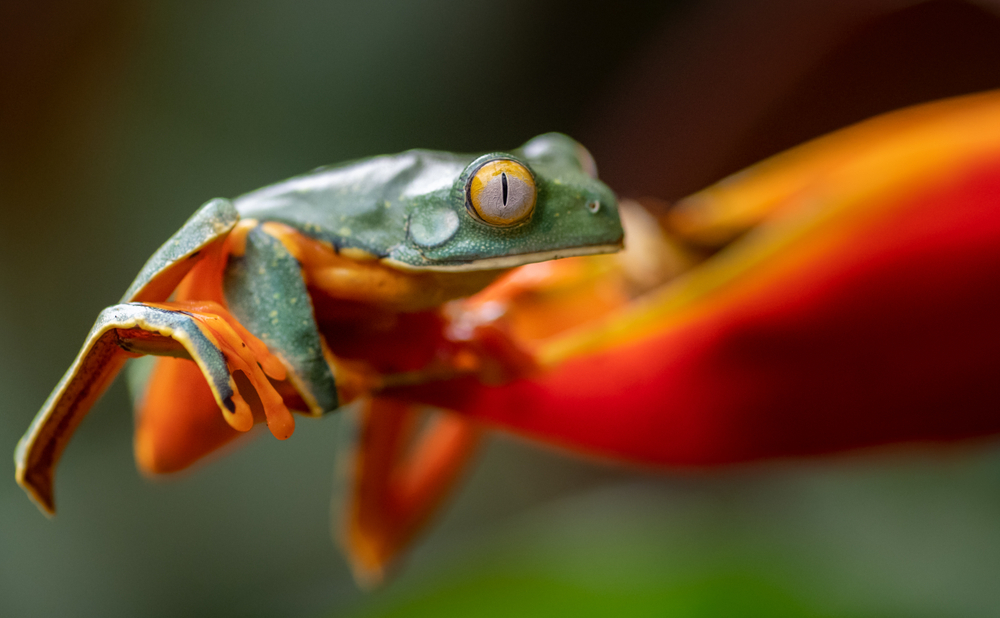
A tiny orange frog crawling out of a flower with pollen stuck across its back was not something researchers expected to find on Brazil’s coast. The animal had disappeared inside the creamy white bloom for several minutes, apparently feeding on nectar, before emerging covered in grains that could potentially be carried to another flower. The…
