
Your cart is currently empty!
5 Kitchen Appliances Fire Experts Say You Should Unplug Every Night
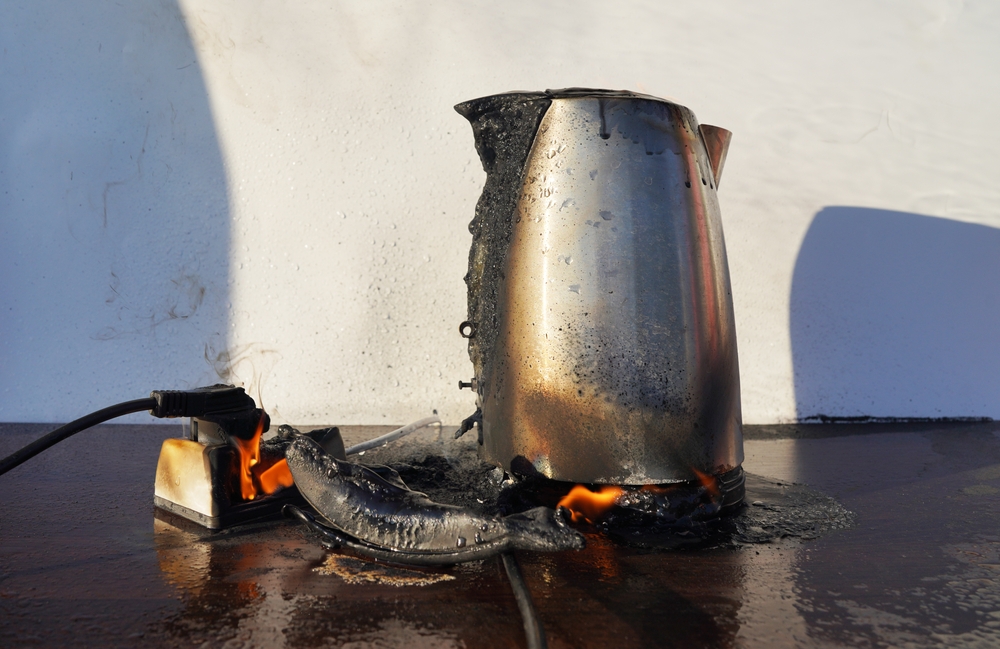
Fire safety experts have issued a warning that might change your nightly routine forever. While you sleep, certain appliances sitting on your kitchen counter could be silently creating conditions for disaster. Even switched off, even appearing harmless, these everyday devices continue drawing power and generating heat in ways most homeowners never suspect.
Contents
show
Your air fryer sits innocently on the counter. Your toaster oven rests against the backsplash. Both look safe. Both seem dormant. Yet electricians and fire investigators know something most people don’t about these modern conveniences. What happens when you’re asleep could put your entire household at risk.
Why Your Countertop Appliances Could Start a Fire While You Sleep
Kitchen appliances account for a staggering number of residential fires each year. While cooking-related incidents top the list, a lesser-known danger lurks in devices that remain plugged in overnight. Even when you flip the off switch, these machines continue their relationship with your electrical system in ways that can turn dangerous.
Phantom power draw represents one piece of the puzzle. Many appliances consume electricity even in standby mode, maintaining internal circuits and digital displays. Over time, constant power flow through aging wiring or faulty components creates heat buildup. Add a power surge from a storm, and you’ve created perfect conditions for sparks or flames.
Faulty internal components compound the problem. Manufacturing defects, worn-out parts, or substandard materials can fail without warning. When failure happens at 2 AM while your family sleeps, detection comes too late. Smoke alarms provide some protection, but prevention beats reaction every time.
Electrical outlets themselves present another variable. Older homes often feature outlets designed for lighter power loads than modern appliances demand. Plugging a high-wattage device into an outdated or overloaded outlet stresses the system. Heat builds up behind your walls. Connections loosen. Small sparks occur. One of those sparks finds the right fuel source, and disaster follows.
Voltage spikes from unstable power grids add another layer of risk. Summer storms, grid maintenance, or neighborhood electrical issues can send surges through your home’s wiring. Appliances left plugged in absorb these jolts directly. While surge protectors help, not everyone uses them for kitchen gadgets. One significant spike to an unprotected device with existing weaknesses could trigger catastrophic failure.
Five Appliances Fire Experts Say to Unplug Every Night
Fire safety experts have issued a warning that might change your nightly routine forever. While you sleep, certain appliances sitting on your kitchen counter could be silently creating conditions for disaster. Even switched off, even appearing harmless, these everyday devices continue drawing power and generating heat in ways most homeowners never suspect.
Your air fryer sits innocently on the counter. Your toaster oven rests against the backsplash. Both look safe. Both seem dormant. Yet electricians and fire investigators know something most people don’t about these modern conveniences. What happens when you’re asleep could put your entire household at risk.
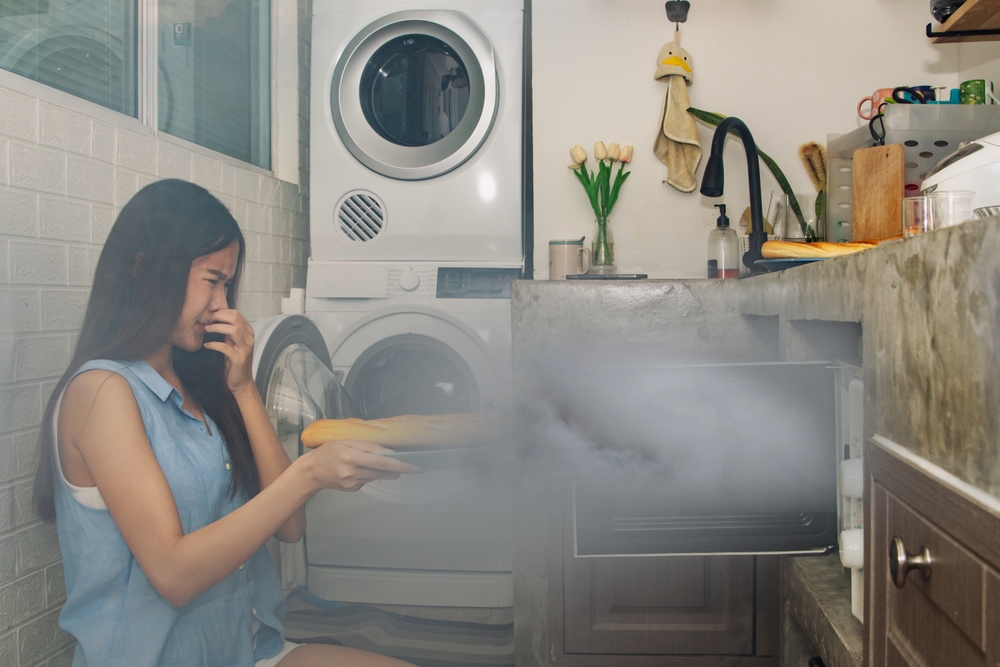
1. Air Fryers Can Overheat Without Warning
Air fryers have revolutionized home cooking with their promise of crispy food and healthier meals. Yet their compact design houses powerful heating elements that reach extreme temperatures during use. What many owners don’t realize is that these elements can retain heat long after cooking ends.
Internal components in air fryers draw small amounts of current even when switched off. Power supplies, control boards, and heating element circuits maintain readiness for the next use. If any component develops a defect or if voltage irregularities occur, that constant connection to electricity becomes a liability.
Outlet compatibility creates another concern. Air fryers pull substantial wattage during operation. When plugged into outlets already serving other devices, or into older outlets with loose connections, resistance builds up. Resistance generates heat. Heat degrades insulation. Degraded insulation leads to shorts or sparks.
Fire investigators have documented cases where air fryers ignited overnight despite being turned off for hours. In several instances, faulty power supplies or control boards shorted out, creating flames that spread before smoke alarms woke sleeping residents. Your air fryer’s sleek exterior hides complex electronics that deserve respect and caution.
2. Toaster Ovens Store Heat and Draw Current When Off
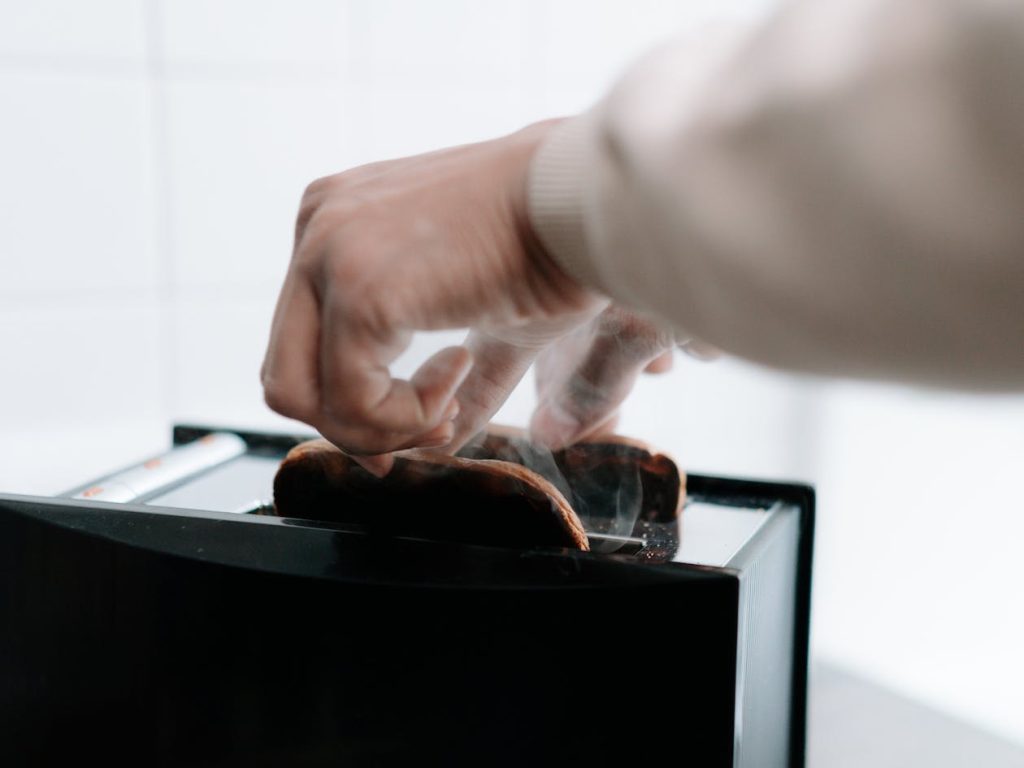
Toaster ovens occupy a strange middle ground between toasters and full-size ovens. Many models feature heavy-duty heating elements designed to brown, bake, and broil. Some retain significant heat even after the unit switches off. Others maintain a slight current flow to power clocks, indicator lights, or electronic controls.
Older toaster oven models pose particular risks. Manufacturing standards have improved over the decades, but units produced 10 or 15 years ago may lack modern safety features. Thermal fuses, automatic shut-offs, and heat-resistant materials weren’t always standard equipment. If you’ve owned your toaster oven since before the smartphone era, consider its age a red flag.
Power surges affect toaster ovens with special severity. When voltage spikes hit heating elements or control circuits, components can fail in ways that keep elements energized. Stuck relays or shorted circuits mean your toaster oven thinks it’s on when you believe it’s off. Without anyone present to notice unusual heat or smells, a fire can establish itself before discovery.
Real-world incidents have shown how quickly toaster ovens can go from kitchen helper to kitchen hazard. One family returned from vacation to find their home damaged by a fire that originated in their unplugged toaster oven, wait, that should be a plugged-in toaster oven. Investigators determined a power surge during a storm had activated the heating elements. No one was home to see the flames until neighbors noticed smoke.
3. Electric Kettles with Malfunctioning Thermostats Spell Trouble
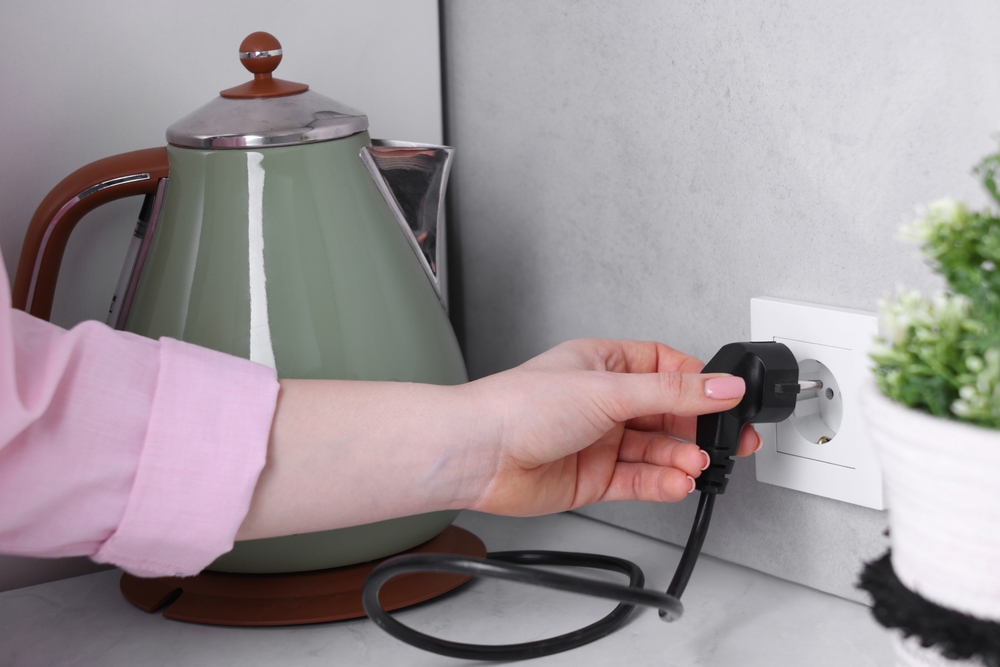
Electric kettles seem like low-risk appliances. Boil water, pour water, done. Yet their simplicity masks potential dangers when thermostats fail or components age beyond safe operation. Modern electric kettles rely on automatic shutoff mechanisms that detect when water reaches boiling point. When these mechanisms malfunction, kettles can boil dry and overheat.
Boil-dry scenarios create extreme danger. Without water to absorb heat energy, heating elements reach temperatures far beyond their design limits. Plastic housings can melt. Metal components can warp. In some cases, elements glow red-hot, igniting nearby combustible materials like dish towels, paper towels, or wooden utensils.
Thermostat failure happens more often than manufacturers publicly acknowledge. Mineral deposits from hard water, wear and tear from daily use, or simply defective parts can cause thermostats to stick or fail. When failure prevents shutoff, and when the kettle sits plugged in overnight, conditions exist for uncontrolled heating.
Even quality kettles from reputable brands aren’t immune. Product recalls for electric kettles occur with some regularity, often citing fire risks from thermostat issues or electrical faults. Your kettle might look fine, operate normally 99% of the time, yet harbor a defect waiting for the wrong moment to manifest.
4. Coffee Makers with Warming Plates Stay Hot Longer Than You Think
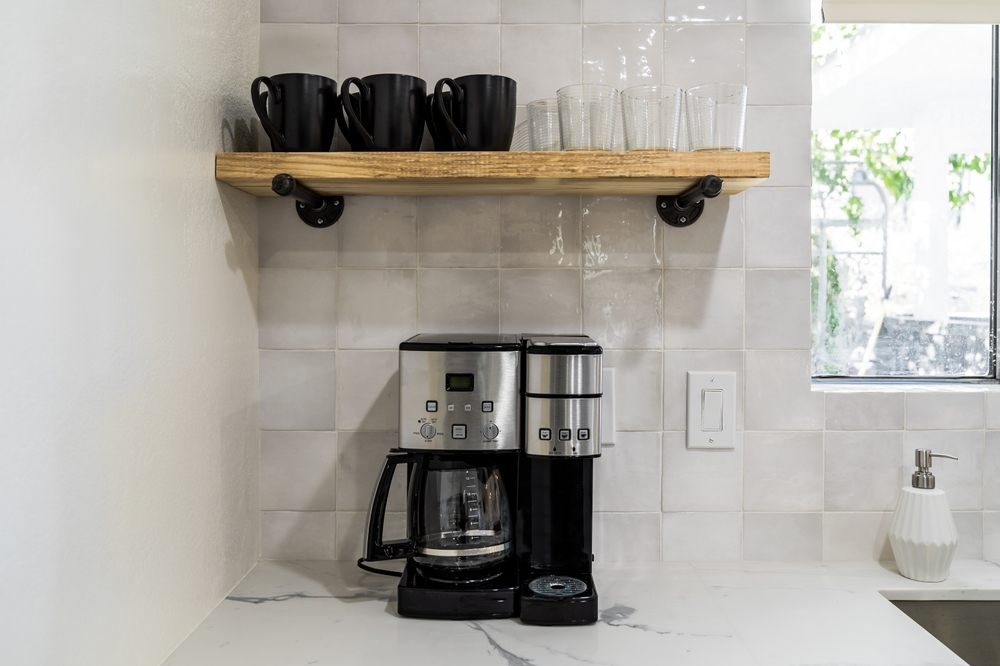
Coffee makers occupy permanent real estate on millions of kitchen counters. Their daily use makes them feel safe and familiar. Yet warming plates on traditional drip models present fire risks that catch owners off guard. Some warming plates continue generating heat hours after the coffee pot empties. Others reactivate spontaneously due to faulty switches or control circuits.
Evaporated water creates one dangerous scenario. If you forget to turn off your coffee maker after the pot empties, the warming plate continues heating an empty glass carafe. Glass can crack from extreme heat. When glass breaks, flames can spread to the plastic housing, drip tray, or surrounding items.
Damaged wiring in daily-use appliances happens more than people expect. Coffee makers get splashed with water, exposed to steam, and subjected to temperature extremes. Over months and years, this environment degrades wire insulation and corrodes connections. One short circuit at the wrong moment, particularly overnight when no one’s watching, can start a fire.
Several manufacturers have recalled coffee maker models due to fire hazards from overheating warming plates or electrical shorts. If your coffee maker is several years old, check whether it’s been subject to safety recalls. Even without recalls, experts recommend unplugging coffee makers when not in use, especially before bed.
5. Older Microwaves Harbor Hidden Electrical Dangers
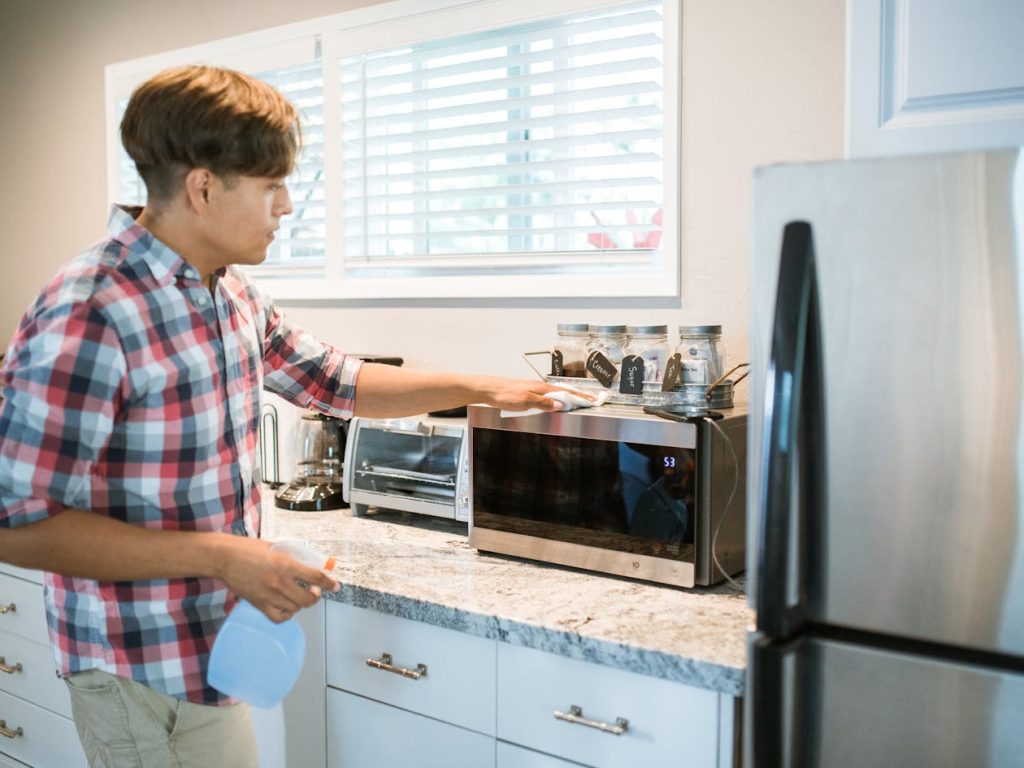
Microwaves feel so commonplace that safety concerns rarely cross our minds. Yet older microwave ovens, particularly those manufactured before recent safety standard updates, can develop serious problems. Worn insulation around high-voltage components creates shock and fire risks. Failing magnetrons, the components that generate microwaves, can arc and spark.
Electrical arcing inside a microwave produces flames, smoke, and sometimes explosive sounds. If arcing occurs while you’re home and awake, you can unplug the unit and address the problem. If it happens at 3 AM while you sleep, the situation becomes far more dangerous. Arcing can ignite the interior, and fires can spread to the exterior housing and surrounding cabinetry.
Age matters significantly with microwaves. Units older than 10 years have experienced thousands of heating and cooling cycles. Components fatigue. Seals deteriorate. Door latches wear out. While many older microwaves function perfectly, others develop faults that may not be obvious until catastrophic failure occurs.
Door switches represent another failure point. Microwaves use multiple safety interlocks to prevent operation with the door open. When these switches fail, the microwave might run with the door ajar, or conversely, think the door is closed when it’s open. Either scenario creates danger, particularly if the unit is plugged in and a power surge or internal fault triggers unexpected activation.
Make Unplugging Part of Your Nightly Routine
Habit formation requires consistency and simplicity. Start with your highest-risk appliances like air fryers and toaster ovens. Place visual reminders near these devices until unplugging becomes automatic. A small sticky note reading “Unplug Before Bed” works wonders during the habit-building phase.
Create a mental checklist tied to existing routines. When you turn off kitchen lights before bed, use that action as a trigger to unplug appliances. Or pair unplugging with locking doors, setting your security system, or any other nightly task you never forget.
If you share your home with family members or roommates, get everyone involved. Assign responsibility for specific appliances or rotate the duty weekly. When multiple people share the task, accountability increases, and no single person carries the full burden.
Remember that fire prevention doesn’t require perfection. Unplugging appliances most nights provides far better protection than never unplugging at all. If you occasionally forget, don’t beat yourself up. Just resume the habit the next evening. Over time, the behavior becomes second nature.
A few seconds each night to pull five plugs seems like a small price for the peace of mind it brings. Your kitchen appliances work hard to make your life easier. When their workday ends, give them and your household a break by disconnecting them from the power that makes them both useful and potentially dangerous. Sleep better knowing you’ve eliminated one more risk from your home.