
Your cart is currently empty!
Microplastics Found in Centuries Old Sediment Reveal Humanity’s Deep and Lasting Impact on Earth

Beneath the still waters of ancient lakes, the Earth keeps a memory of everything that has touched it. Scientists studying these silent records expected to find traces of pollen, minerals, and perhaps hints of centuries-old life. What they did not expect was evidence of modern humanity waiting for them in layers of mud that predate the Industrial Revolution.
Contents
show

Tiny pieces of plastic, invisible to the naked eye, have somehow found their way into sediments formed nearly three hundred years ago. Published in Science Advances, the discovery unsettles what scientists know about our relationship with the planet. It suggests that human influence reaches deeper, both in time and in nature, than anyone thought possible. Something made by us has become part of the Earth’s oldest stories.
When Time Refuses to Hide Our Footprints
At first glance, the lakes of Latvia appear untouched by time. Surrounded by forests and quiet shorelines, they seem to hold the same serenity they did centuries ago. Yet when a team of European scientists began examining cores of sediment taken from Seksu, Pinku, and Usmas Lakes, they discovered evidence that told a very different story. Each layer of mud and silt acted like a page in Earth’s diary, capturing traces of the world as it once was. What they found written there was unmistakably human.
The researchers uncovered microplastics embedded throughout the sediment, including layers that date back to 1733. According to Futurism, the team found these particles in “every layer of sediment they dredged up, including one from 1733.” Their study, published in Science Advances, concluded that “interpretation of microplastics distribution in the studied sediment profiles is ambiguous and does not strictly indicate the beginning of the Anthropocene Epoch.” What this means is that microplastics cannot be used as a clear geological marker for the era in which human activity began to shape the planet.
ScienceAlert supported these findings, reporting that smaller plastic fragments can move through layers of sediment over time, regardless of when those layers were formed. The consistency of the results across all three lakes proved that even environments far from cities or industrial centers are not immune. The plastic did not simply settle where it fell; it traveled, filtered, and eventually became part of layers that existed long before modern industry.
This discovery reveals something profound about the nature of pollution. Microplastics drift endlessly, carried by water and wind, tracing humanity’s footprint through the fabric of the Earth. Their presence in centuries-old layers shows how deeply human influence has reached into natural systems once thought pure. In the quiet sediments of Latvia’s lakes, humanity has left a signature that refuses to fade.
The Hidden Journey Beneath the Surface
When scientists first began tracing microplastics through layers of sediment, they expected to find them concentrated near the surface, marking the start of modern industry. Instead, the particles appeared in layers far older, prompting a closer look at how they moved. The study revealed that “smaller particles could travel deeper into the mud, reaching layers laid down before plastic production accelerated at the start of the 1950s.” This finding redefined what researchers thought they knew about how plastics behave once they enter natural systems.
The movement of microplastics is not a random event but a process guided by physics, biology, and chemistry working together. The study described it as a “true natural phenomenon,” one that depends on the properties of both the particles and the environment surrounding them. Fine-grained mud acts almost like a sieve, allowing tiny fragments to slip downward while larger particles become trapped higher up. Shape and density matter too. Lighter or irregularly shaped plastics tend to stay suspended in water longer before settling, giving them a greater chance of reaching deeper layers.
Even life itself plays a role in this slow migration. Burrowing organisms, shifting currents, and the constant reshaping of sediment by seasonal changes all help move the particles deeper through the Earth. Over time, these forces blend the modern and the ancient, carrying human-made fragments into layers that should have been untouched. The consistency of these results across three lakes confirmed that this is not an isolated event but a widespread process that continues quietly beneath the surface.
This movement has changed how scientists interpret the geological record. Microplastics no longer mark a single moment in time but act as restless travelers within the planet’s sedimentary layers. They move long after being deposited, defying efforts to pinpoint when they first arrived. What began as waste has become an active force within Earth’s own systems, drifting deeper into its foundation with every passing year.
How Microplastics Are Changing the Lives of Animals
Beyond their silent presence in sediments and water, microplastics are now altering the daily lives of countless animals. In lakes, rivers, and oceans, these particles are mistaken for food by fish, birds, and small aquatic creatures. Once consumed, they can block digestive tracts, reduce appetite, and interfere with nutrient absorption. Over time, this affects growth, reproduction, and survival, even in species far removed from direct human contact.

A growing number of studies show that ingestion is only part of the problem. Microplastics can carry chemical additives and pollutants that accumulate in animal tissues, slowly moving up the food chain. Small organisms like plankton absorb these particles first, which are then eaten by larger fish and eventually by predators, including humans. This invisible exchange links every level of the ecosystem, creating a cycle where pollution moves as easily as energy itself.
In birds, the consequences are particularly visible. Seabirds have been found with stomachs full of plastic fragments, reducing their ability to store food and weakening their chicks. Even freshwater birds near urban lakes have shown traces of microplastic fibers in their systems. These findings reveal that no environment is isolated and that contamination follows the same pathways as life itself. Each fragment serves as a reminder that human waste does not simply disappear; it finds new homes in the bodies and behaviors of living creatures.
What Happens When Microplastics Enter the Soil
While most discussions about microplastics center on oceans and lakes, scientists are beginning to uncover their impact on land. Soil, often viewed as a foundation of life, has quietly become one of the largest reservoirs of plastic pollution. Fragments shed from synthetic fabrics, degraded packaging, and even composted waste have begun to alter the structure and function of the ground beneath us.
Research shows that microplastics can change the way soil holds water and nutrients. Their presence can reduce aeration and affect how roots grow, limiting a plant’s ability to absorb minerals and moisture. Certain plastics can also release chemical additives that influence the activity of microorganisms responsible for decomposing organic matter. Over time, these disruptions weaken soil fertility and alter the delicate relationships that sustain crops, trees, and natural vegetation.
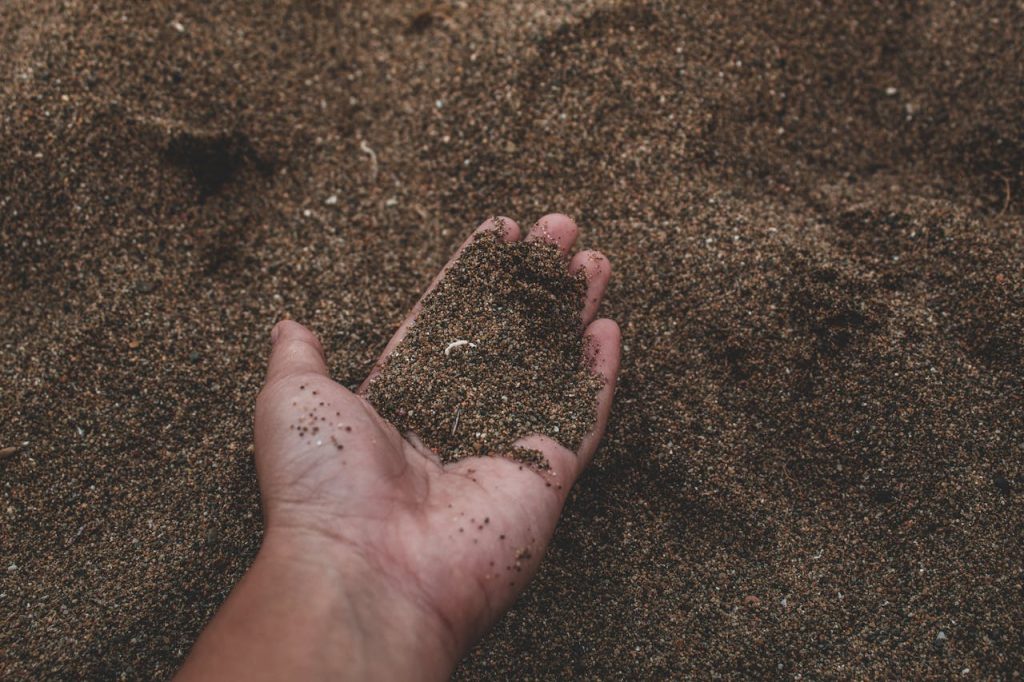
The problem reaches further than agricultural fields. In forests and grasslands, microplastics can cling to fungal networks that connect plant roots, interrupting how nutrients move through these underground systems. Seeds may struggle to germinate in plastic-rich soil, and young plants can absorb tiny particles through their roots. These findings reveal that microplastics are not only reshaping oceans and air but are also quietly transforming the ecosystems that support our food and forests.
The Search for Natural Solutions
As scientists uncover the scale of microplastic pollution, communities and researchers around the world are quietly working to slow its spread. The most promising efforts are not always high-tech. In many cases, they rely on natural systems that have been cleaning the environment long before human intervention. Certain bacteria and fungi are being studied for their ability to break down polymers, turning what was once waste into simpler organic compounds. While this research is still developing, it offers an encouraging sign that nature itself may hold tools to help repair what it did not create.
Some innovations are happening closer to home. Engineers are experimenting with filters that trap microfibers released from washing machines, one of the most common sources of plastic fibers in waterways. Municipal water systems are testing plant-based filtration methods using materials like coconut husks and activated charcoal to capture microscopic debris before it reaches rivers or soil. These practical steps are designed not only to reduce pollution but to make cleanup accessible for communities that cannot afford complex technology.
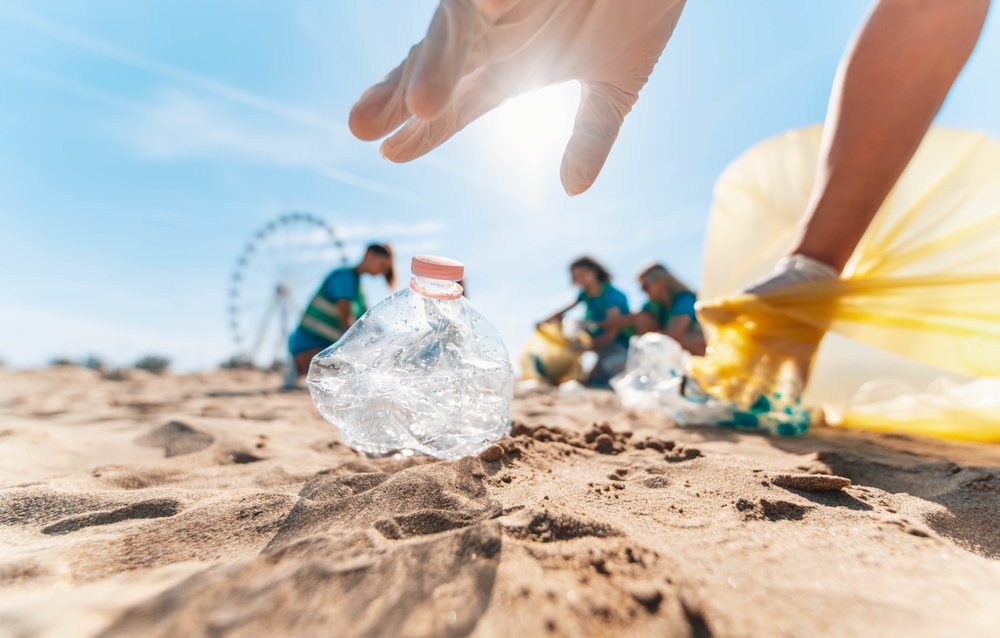
Beyond science and infrastructure, awareness is proving just as powerful. Local cleanup groups, sustainable product designers, and educators are helping people understand how small changes add up over time. Choosing reusable containers, washing clothes less frequently, or supporting policies that limit single-use plastics all make measurable differences. These actions may seem modest, yet they point toward a future where progress is defined not by how much we create, but by how carefully we choose what to leave behind.
The Story We Leave Behind
Microplastics began as byproducts of convenience, yet they have become silent witnesses to how deeply human life touches the natural world. From the depths of ancient lakes to the roots of living forests, they now occupy spaces that once seemed beyond our reach. What science continues to reveal is not only the scale of this pollution but also the intimacy of our connection to it. The same particles that move through soil and water also move through us, linking every living system on Earth.

Our challenge is no longer just to remove what has been left behind, but to redefine what it means to live responsibly. The future of this story depends on collective attention and everyday decisions made with care. Finding plastic within centuries-old sediment reveals a deeper narrative about human behavior, consumption, and environmental legacy. Whether we continue this pattern or choose to write a different chapter will determine what future generations uncover when they look beneath the surface of the Earth we leave them.