
Your cart is currently empty!
Trump Under Fire: White House Denies He Fell Asleep During Major Drug-Price Announcement
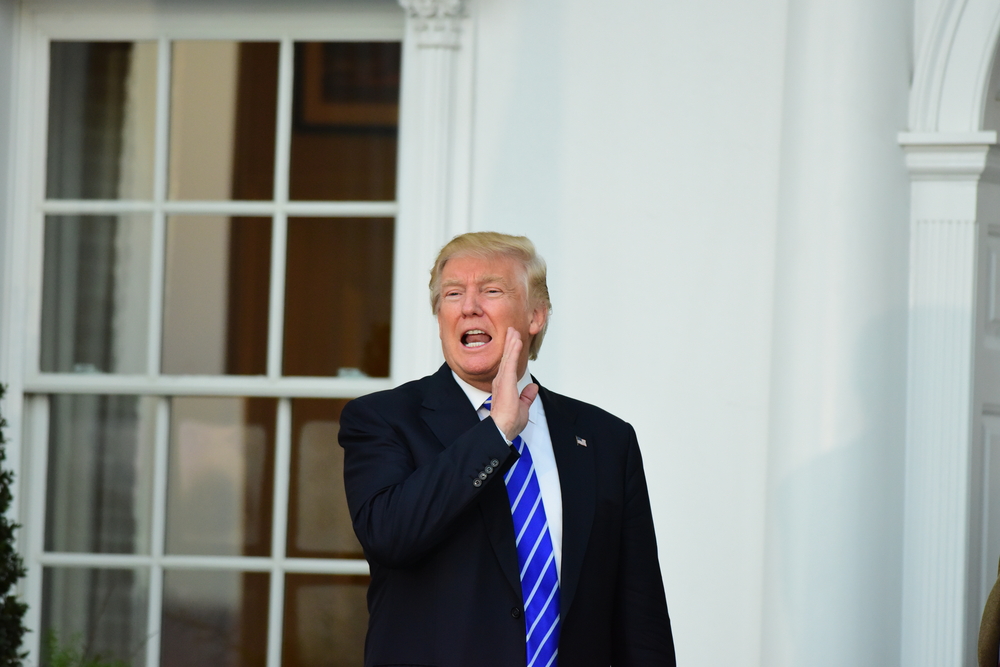
A swirl of controversy erupted across the United States after footage showed President Donald Trump sitting in the Oval Office with his eyes closed and body slumped during an important policy meeting. The moment spread rapidly across social media platforms, drawing intense scrutiny from critics, commentators, and political observers. The image was striking not only because it appeared to show the President at rest during a high-stakes discussion but also because of the symbolism attached to the Oval Office. The room has long been framed as the epicenter of American authority, decision-making, and executive strength. To many observers, the image clashed with that carefully crafted image of power.
Contents
show
The outrage grew swiftly. Online forums, political opponents, and several news outlets questioned whether the President had fallen asleep. The contrast between this moment and Trump’s past criticisms of his rivals added fuel to the flames. Throughout his political career, Trump has frequently mocked his opponents by calling them low energy or implying they lacked stamina. That history magnified the reaction and shaped the public discourse around the circulating images. Despite the uproar, the White House maintained that the interpretation was unfair and misleading. Officials insisted that the moment had been taken out of context and that the President was fully engaged throughout the meeting.
This introduction sets the stage for a deeper exploration of what happened, how the White House responded, how commentators framed the incident, and what broader implications it may have for public perceptions of leadership and political communication. The sections that follow examine the layers of meaning behind the viral moment and present a comprehensive look at the significance of the controversy within contemporary political life.
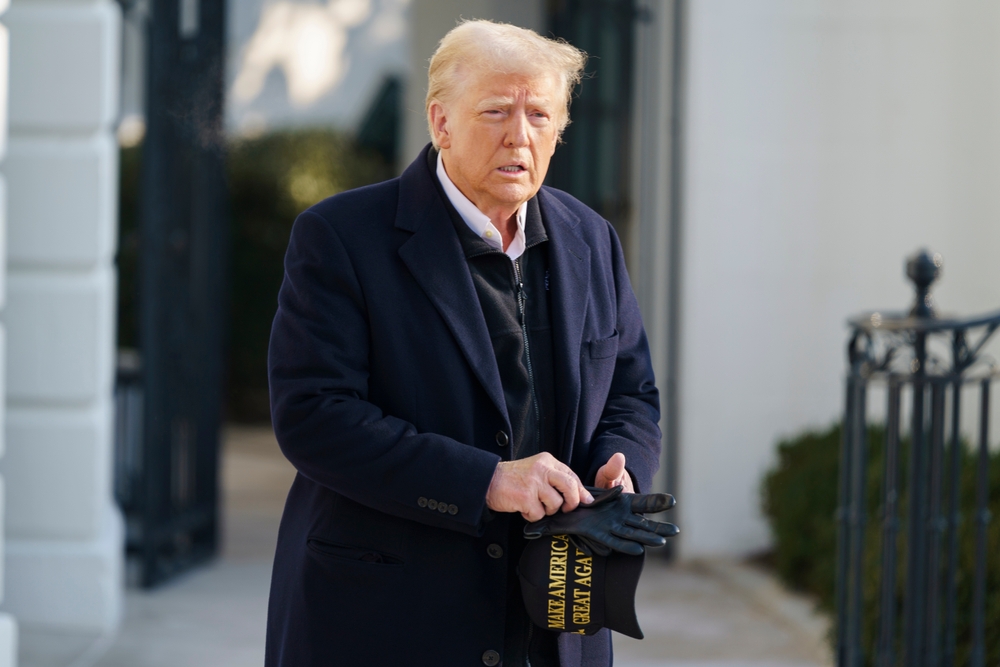
What Happened During the Viral Moment
The incident began during an Oval Office event that focused on lowering the cost of weight loss medications. The meeting itself was positioned as a major announcement for the administration. Trump was expected to speak to the challenges Americans face in accessing life changing medication and present what his administration described as a powerful move toward affordability. Cameras captured every angle of the event as journalists looked for cues about policy significance. Amid the conversation, however, viewers noticed an unexpected scene that quickly overshadowed the intended policy message.
During a section of the discussion where others were speaking, Trump leaned back in his chair, closed his eyes, and appeared noticeably still. The posture resembled someone drifting into sleep and did not immediately reflect alertness. Within minutes of the broadcast, clips began circulating across social media. Users debated whether the President was resting his eyes, meditating, or actually asleep. The conversations grew louder as more viewers shared the clip and sparked commentary that ranged from humorous to accusatory.
Complicating matters further, another moment from the same meeting featured a guest who abruptly fainted. The man, who had been invited to share his personal experience with weight loss medication, collapsed without warning. The scene added tension to the room. Medical personnel rushed in to assist him while attendees stood in shock. The combination of these two moments gave the entire event an atmosphere of instability. While the fainting incident had no direct connection to the President’s posture, the coincidence of events intensified public interest and contributed to the dramatic framing of the meeting.
Trump attempted to control the narrative later and insisted he was not sleeping. He emphasized his commitment to the demands of the presidency and portrayed the moment as proof of the weight of his responsibilities rather than evidence of fatigue. According to his remarks, he was simply listening with focus, which led him to close his eyes briefly. His explanation, however, did little to stop the flood of interpretations that had already taken hold.
The White House Response
In the days after the footage went viral, the White House issued one of its sharpest public statements in recent memory. Officials strongly rejected claims that the President was asleep. They insisted that he participated fully in the meeting and contributed to the discussion at several key points. According to this account, the moment captured on video represented a pause in expression rather than a lapse in consciousness. The statement portrayed critics as intentionally twisting the moment to fit political agendas.
The White House’s tone was firm and unyielding. Spokespeople argued that the coverage was part of a broader pattern where the media elevated trivial moments above substantive policy achievements. They highlighted that the meeting concerned a significant reduction in the price of widely used medications. In their view, the focus should have been on the administration’s work to support Americans who struggle with obesity and chronic health challenges. Instead, the public conversation was consumed by what they called a mischaracterization.
Supporters of the administration echoed these sentiments and pointed to similar incidents where prior leaders had been caught in unflattering moments that did not define their ability to govern. They argued that closing one’s eyes momentarily during a policy discussion was normal and not grounds for speculation about health or capacity. This perspective framed the uproar as a symptom of heightened partisanship rather than a genuine reflection of the President’s abilities.
Still, despite the forcefulness of the rebuttal, the controversy continued to spread. Viewers interpreted the tone of the White House’s response as evidence of frustration. For critics, the sharp language signaled defensiveness. For supporters, it demonstrated strength and clarity. Regardless of interpretation, the clash underscored how single moments can shape national conversations in an age defined by viral media.
Age, Health, and the Role of Optics
The debate over whether Trump had dozed off reignited a recurring conversation about age and leadership. At seventy-nine years old, Trump is one of the oldest individuals to serve in the Oval Office. The physical and cognitive demands of the presidency are intense, and concerns about stamina have followed him throughout his time in the political spotlight. Age-based scrutiny is not new to American politics, but the visual nature of the moment brought these questions into sharper focus.
Observers noted that modern presidents endure tightly packed schedules, long flights, high pressure meetings, and intense public scrutiny. Even for younger leaders, the burden is substantial. For older presidents, the expectations are higher because the public expects unwavering vitality from those in command. This cultural expectation places leaders under constant surveillance for any perceived signs of weakness. Closing one’s eyes for a few seconds may therefore take on symbolic weight far beyond the moment itself.
Critics of Trump interpreted the viral clip as an indicator of possible decline. They pointed to prior moments where Trump appeared tired or spoke slowly. Supporters pushed back by citing his frequent rallies, lengthy speeches, and unpredictable hours as evidence that he operates at a pace many younger politicians would struggle to match. These competing narratives reveal how age-related debates can become battlefield topics rather than straightforward health assessments.
The broader question is how optics influence perceptions of authority. Leadership in modern politics is always tied to public image. Even minor gestures can become viral moments that shape opinion. While age is a biological reality, the interpretation of age-based behavior is socially constructed. Every public moment becomes a symbol, a metaphor, or a political talking point. This incident represents just one example of how powerful those symbols can be.
Media Reaction and Political Fallout
Media outlets responded swiftly to the footage. Commentators on both ends of the political spectrum produced articles, interviews, and televised segments analyzing the video. For some, the moment became a question of fitness for office. For others, it represented a non-story inflated by outlets seeking sensational content. The divergence of opinions reflected ongoing tensions between media organizations and political institutions.
Social media played an even larger role in shaping the reaction. Users created jokes, nicknames, and memes that spread rapidly across platforms. The social commentary highlighted how humor often becomes a vehicle for political critique. Viral posts exaggerated the moment for comedic effect, but the undercurrent of these jokes remained tied to serious concerns about leadership and stamina.
The political consequences extended beyond online discourse. Rival politicians pointed to the footage as evidence that Trump might not be physically prepared for the rigors of the presidency. Supporters argued that the criticisms bordered on age discrimination and reflected double standards between political parties. The debate provoked broader discussions about the ethics of critiquing age in political contexts.
Despite the polarized reactions, the event undeniably captured the nation’s attention. It served as a case study in how political narratives form in real time and how quickly they can overshadow policy discussions. The initial goal of the meeting, which aimed to highlight affordability in healthcare, receded into the background as the conversation shifted to the nature of leadership and the significance of public presentation.
Broader Implications for Governance and Leadership
This controversy highlights an important dynamic in modern governance. Leaders must not only make significant policy decisions but also manage their public image with precision. Political communication has evolved into a vital component of governing. Every public appearance, gesture, or pause can become a subject of national debate. The President’s posture in the Oval Office meeting therefore, became more than a momentary visual. It became a symbol that shaped perceptions of capability and poise.
Experts on political communication often emphasize that optics can determine whether policy messages succeed or fail. The intended message of the meeting, centered on reducing medical costs for millions of Americans, struggled to break through once the visual of the President with closed eyes became the dominant narrative. It shows how the substance of governance can be eclipsed by a single ambiguous moment, especially when the public is already primed to interpret behavior through the lens of political rivalry. The administration’s frustration reflected this reality. Instead of celebrating a policy announcement, officials found themselves explaining a posture that lasted only seconds but generated days of national debate.
This episode also raises a deeper question about what citizens expect from their leaders and how realistic those expectations are in an age where every expression is recorded, replayed, and scrutinized. The reaction suggests that leadership is judged not only by decisions and outcomes but also by the smallest cues of body language. Whether fair or not, this dynamic is unlikely to change. As long as the presidency exists under constant digital observation, even the briefest lapse in expression can spark a wave of speculation. The controversy surrounding this moment, therefore, serves as a reminder that modern leadership involves navigating both governance and perception, with each capable of reshaping how the public interprets power.