
Your cart is currently empty!
Journalist Who Visited Every US State Says This Is the City to Avoid
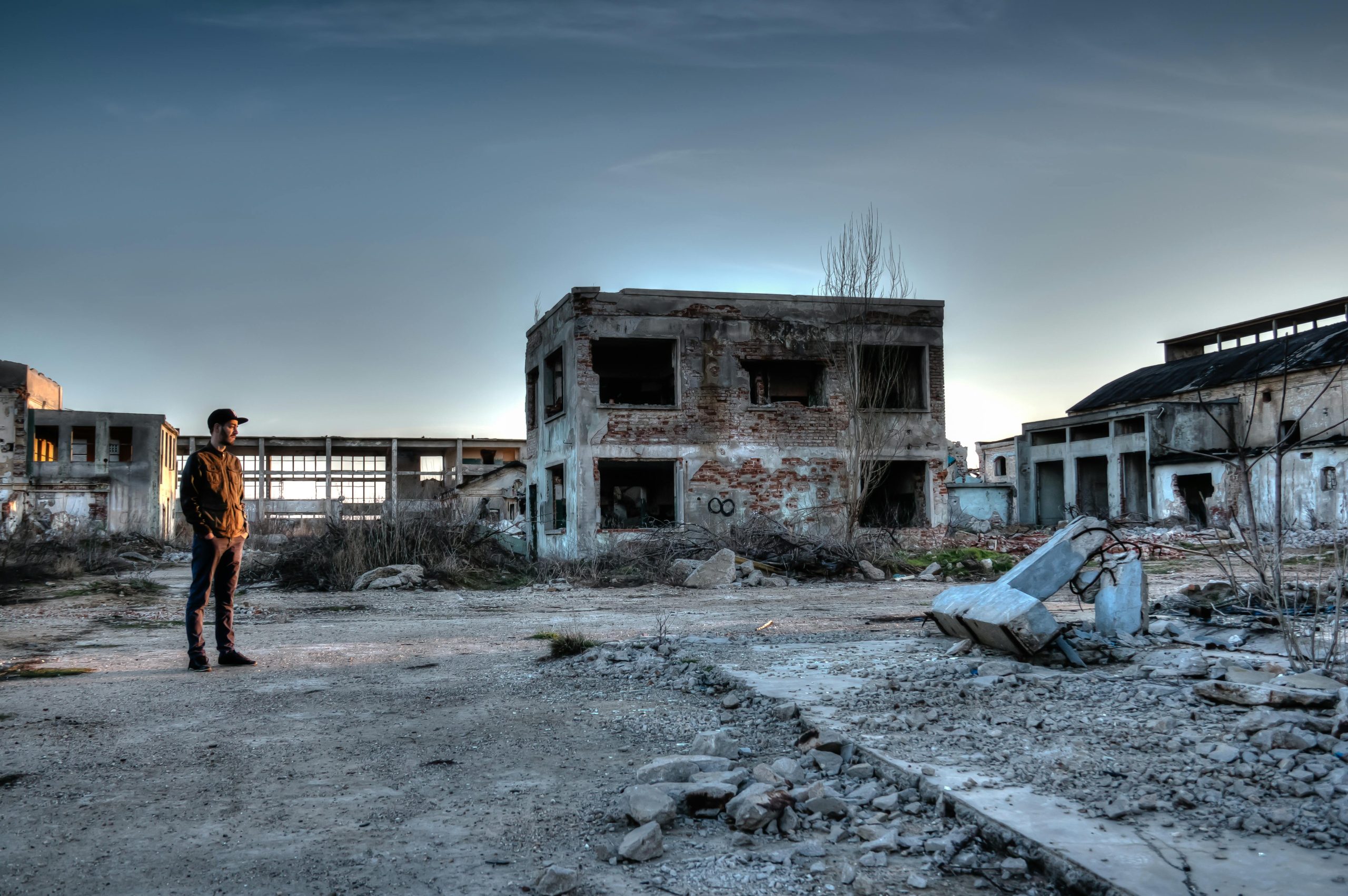
Travelers often share opinions about places they have visited, but when those views come from someone who has spent years exploring every corner of the United States, people tend to pay closer attention. Jonathan Thompson, a travel journalist with a decade of hands-on experience in all fifty states, recently sparked widespread discussion by revealing what he considers the worst city he has ever encountered. His view is unusually clear and unwavering, which has made it a subject of viral interest among both seasoned travelers and casual readers.
Contents
show
In this article, we explore Thompson’s experiences, the history and complexities of the city he warns against, the factors behind his perspective, and what travelers can learn from the stories of those who have ventured far and wide. The goal is to present a full, balanced picture that contextualizes both the negative and the nuanced sides of the conversation.
A Traveler Shaped by a Decade on the Road
Jonathan Thompson did not form his opinions quickly. His career has taken him through a wide range of environments and communities across the United States. Over ten years, he explored major metropolitan centers, small rural towns, hidden gems, and everything in between. His journeys included temporary stays, long-term explorations, and repeated visits that allowed him to get beyond surface impressions.
During this time, he visited places known for rich culture, unique histories, and distinctive landscapes. These experiences shaped his understanding of what makes a place memorable, enjoyable, or difficult for travelers. The depth of his travels gave his opinions a sense of authority, at least in the eyes of those curious about what a well-traveled journalist has to say.
Cities That Left a Positive Impression
Thompson often speaks just as vividly about the cities he loved as he does about the ones he warns against. Some of his top choices show the variety the United States has to offer.
Santa Fe, New Mexico stood out to him for its dense collection of galleries and museums, mountain views, and local food culture. Cody, Wyoming offered him the rugged charm of the American West, complete with rodeos, horseback riding, and easy access to Yellowstone National Park. Pensacola, Florida struck him as a quieter, sunnier coastal option, somewhat removed from mainstream tourist routes. Juneau, Alaska captured his admiration with its mix of mountains, glaciers, long daylight hours in summer, and hints of Russian heritage. Chattanooga, Tennessee impressed him with outdoor recreation opportunities and a revitalized food scene.
These places represent what Thompson values in travel. They offer a blend of history, natural beauty, and cultural experiences that he remembers fondly.
Identifying the Worst City on His List
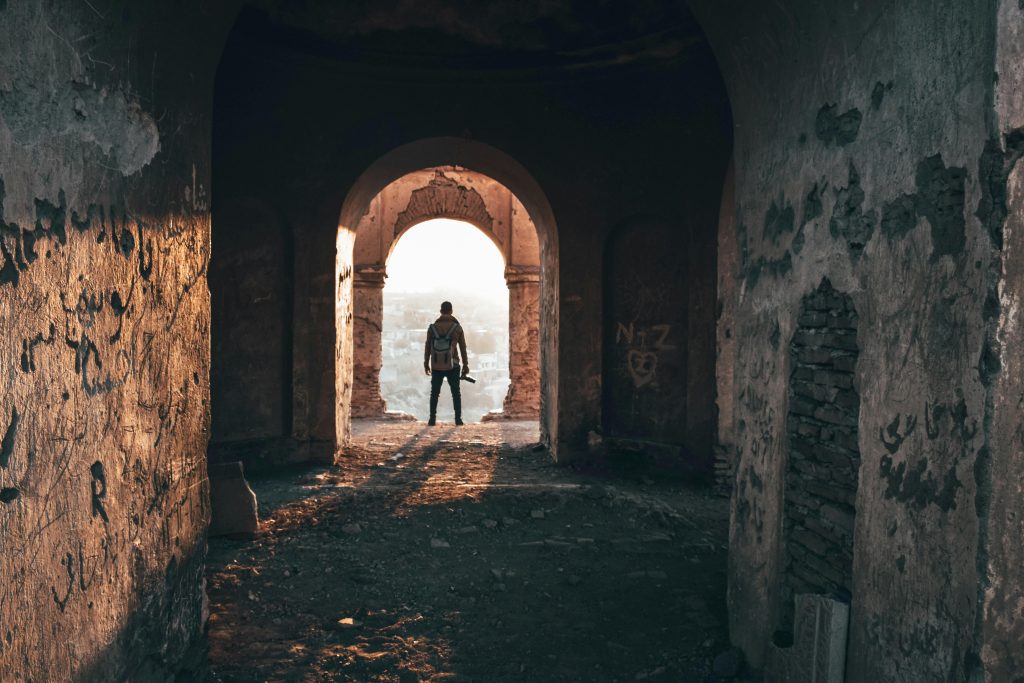
Despite the many places that impressed him, Thompson remains firm in his assessment that one city stands apart from the rest in a negative way. When asked for the worst city he has seen in all fifty states, he consistently gives the same answer: Gary, Indiana.
His description of Gary is direct and leaves little room for ambiguity. He characterizes it as a post industrial and semi deserted place with infrastructure challenges, abandoned properties, and visible signs of long-term economic decline. Roads with severe potholes, boarded-up buildings, and entire neighborhoods struggling with disinvestment contribute to the impression he carries.
A Brief Overview of Gary’s Industrial Past
Gary was once a thriving industrial center driven largely by the steel industry. It was home to Gary Works, which remains the largest steel mill in North America. At its peak, the city supported a much larger population than it does today. Jobs were plentiful and the community grew rapidly.
However, as the steel industry contracted and employment opportunities declined, the city began losing residents. Large numbers of families relocated in search of work, leading to neighborhood vacancies, reduced tax revenue, and a long period of economic struggle. Over time, this created a cycle that became increasingly difficult for the city to reverse.
Safety Concerns That Deepened the City’s Reputation
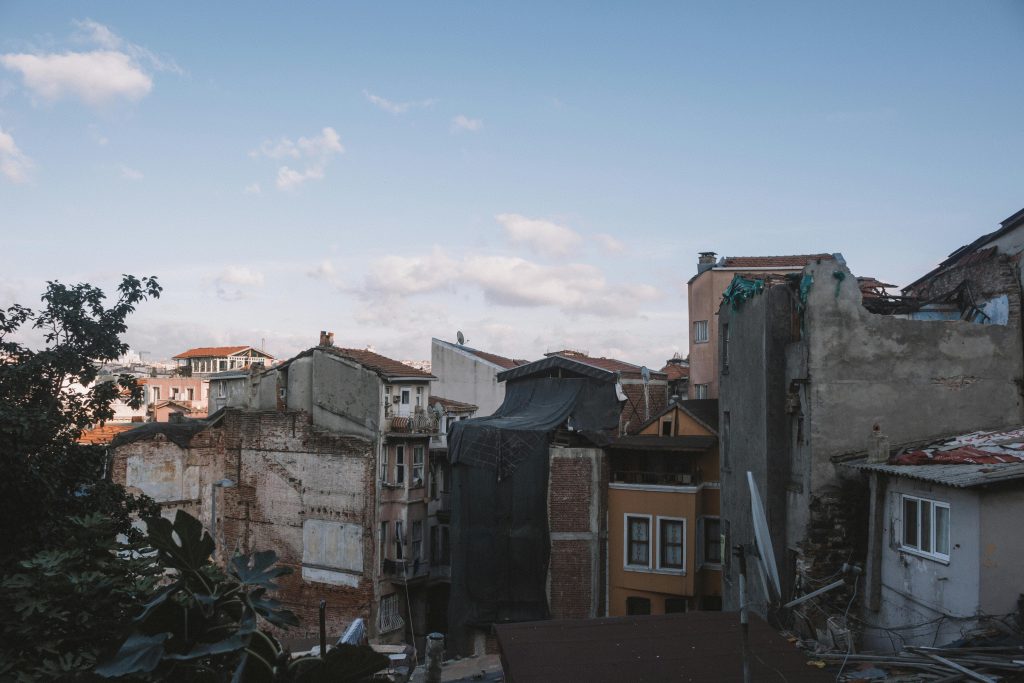
Thompson is not the only traveler who has expressed hesitation about visiting Gary. Safety concerns have circulated for years, often tied to reports of crime or unsettling experiences. One incident in particular has amplified public perception.
A father and daughter who visited the childhood home of the Jackson family, one of Gary’s most well-known historical points, were attacked at gunpoint by an armed assailant. The attacker kidnapped them and assaulted the daughter before being arrested and later convicted on multiple charges. This event left a deep impression on many who follow travel news and contributed further to the city’s troubled reputation.
Although such incidents do not define the full reality of life in Gary, they have played a significant role in shaping how outsiders view the area.
The Complex Story Behind Gary’s Struggles
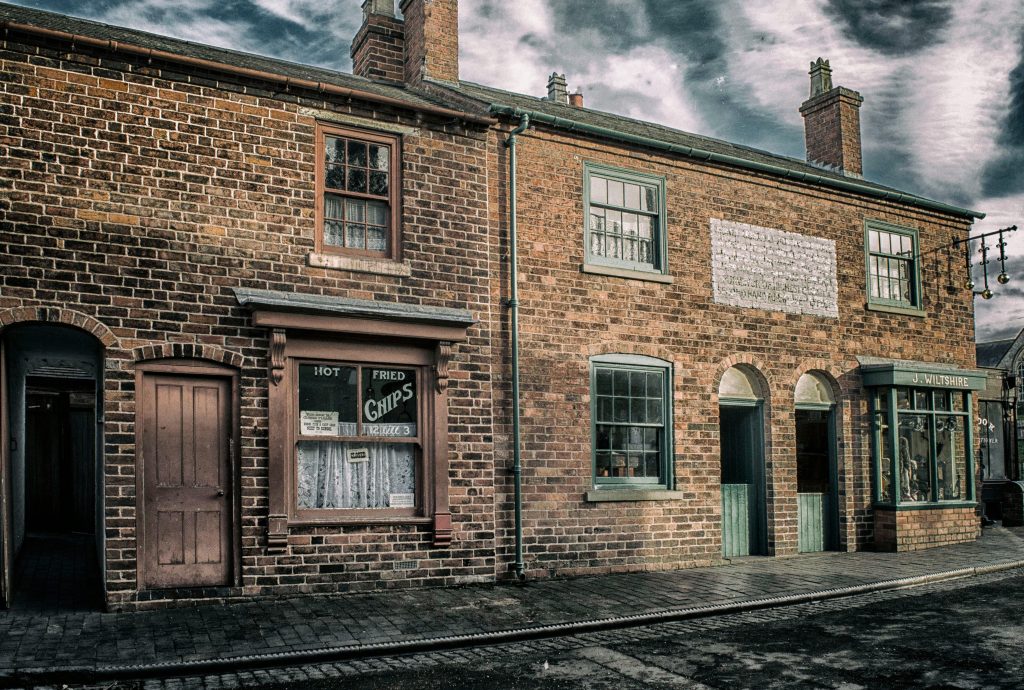
Summarizing Gary as merely a struggling city would overlook the deeper history behind its challenges. Like many post industrial communities across the Midwest, Gary faced a significant shift when manufacturing jobs disappeared. The decline in population created ripple effects in nearly every aspect of local life. Public services struggled, businesses closed, and abandoned homes became more common.
These patterns are not unique to Gary and can be seen in various regions that once relied heavily on industrial jobs. However, Gary’s visibility is heightened due to its large number of vacant structures, long-term economic strain, and its connection to the globally famous Jackson family.
It is important to remember that despite these challenges, Gary remains home to tens of thousands of people. Many residents continue to work toward revitalization. Community organizations, local leaders, and activists invest time and resources into improving neighborhoods, enriching cultural life, and addressing safety concerns. While the image that outsiders carry may focus on struggle, the lived reality includes ongoing efforts toward improvement.
How Global Travelers Think About Dangerous Places
Thompson’s perspective gains additional context when compared with the experiences of travelers who have ventured beyond the United States. One world traveler known online as SirJackson360 visited all 195 countries recognized by most international organizations. His insights on danger and discomfort highlight an important reality.
He has traveled through regions impacted by political instability, conflict, and severe social unrest. Countries such as North Korea, Yemen, Somalia, and Afghanistan presented him with environments that felt politically unsafe. Yet one of his closest encounters with terrorism occurred not overseas, but in the United States on New Year’s Eve.
This story illustrates that danger can emerge in both expected and unexpected places. It underscores that travel risk is often shaped by timing, circumstance, and individual experience. While some cities have reputations for being unsafe, others that appear peaceful may still pose risks under certain conditions.
Comparing the Best and the Worst
Thompson’s strong assessment of Gary becomes even more striking when contrasted with the cities he praises most. The differences between his top choices and his bottom-ranked city help clarify what factors matter most to him as a traveler.
Santa Fe blends cultural richness, natural scenery, and history. Cody offers a direct connection to the traditions of the American West. Pensacola provides coastal relaxation and sunny weather. Juneau presents dramatic landscapes and long daylight hours. Chattanooga mixes outdoor recreation with urban revitalization.
These cities feel lively, engaging, and inviting. They offer visitors a sense of place and identity that resonate long after the trip ends. By contrast, Gary left Thompson with a sense of decline, difficulty, and unease.
Additional Places He Suggests Avoiding
Gary is not the only location Thompson cautions travelers about, though it is the one he singles out most strongly. He also advises avoiding major Spring Break destinations such as Miami Beach, Panama City, and Fort Lauderdale during March. During that time, large crowds of partying students can make these areas overwhelming.
Additionally, he notes that many large American cities have neighborhoods where travelers should remain alert. Baltimore and Philadelphia are examples where vibrant districts coexist with areas that have higher crime rates. His point is not to avoid the cities entirely, but to be aware of your surroundings.
Thompson also points to smaller towns such as Clovis, New Mexico and Pahrump, Nevada as places lacking in attractions or infrastructure. He considers them among the least interesting stops for travelers seeking engaging or memorable experiences.
Why City Reputations Do Not Tell the Whole Story

Reputations form through a mixture of historical events, economic forces, media reporting, and personal experiences. Once established, they can persist for years, even if conditions on the ground begin to change.
In Gary’s case, decades of economic decline, population loss, and abandoned buildings contributed to its image as a difficult place to visit. Reports of crime further reinforced the perception. However, reputations rarely tell the full story.
Communities are dynamic. Neighborhoods evolve, investments rise and fall, and local leaders push for improvements. Outsiders often see only the most visible or well publicized issues, while the quieter examples of resilience and community pride remain largely unseen.
Understanding these nuances encourages travelers to examine places from multiple angles and to be aware that personal experiences can vary widely.
Lessons Travelers Can Take From These Stories

There are several important messages embedded within the perspectives shared by Thompson and other well traveled individuals.
Research makes a significant difference. Cities can change quickly, sometimes improving or declining over short periods of time. Experiences between two travelers can be dramatically different based on the year, season, or even time of day they visit.
Personal perception shapes how a place feels. One traveler may find a city welcoming while another interprets the same environment as uncomfortable.
Danger exists everywhere. It is not limited to places with well known reputations for crime or unrest. Travelers should remain aware and prepared regardless of their destination.
Communities are more than the challenges they face. Even cities with difficult histories contain local residents who work hard to improve their neighborhoods and maintain their cultural identity.
Reflecting on a Controversial Verdict
Jonathan Thompson’s declaration that Gary, Indiana is the worst city he has visited is strong and firmly stated. His view comes from years of firsthand travel and a clear sense of what he values in a destination.
Yet the story of Gary, like that of many cities struggling with economic or social challenges, is complex. It involves historical shifts, industrial decline, community efforts, and ongoing resilience. While the city faces real difficulties, it also contains the lives and stories of people who continue to call it home.
Travel offers an opportunity to understand these complexities. Whether readers choose to follow Thompson’s advice or explore Gary on their own terms, the broader lesson is that every city carries layers of history, hardship, and hope. Recognizing that complexity can help travelers approach new places with awareness, consideration, and respect.
In the end, the journey is not only about finding the best or worst destinations, but about learning more deeply about the forces that shape communities across America.