
Your cart is currently empty!
Why the $2000 Tariff Dividend Checks May Never Arrive
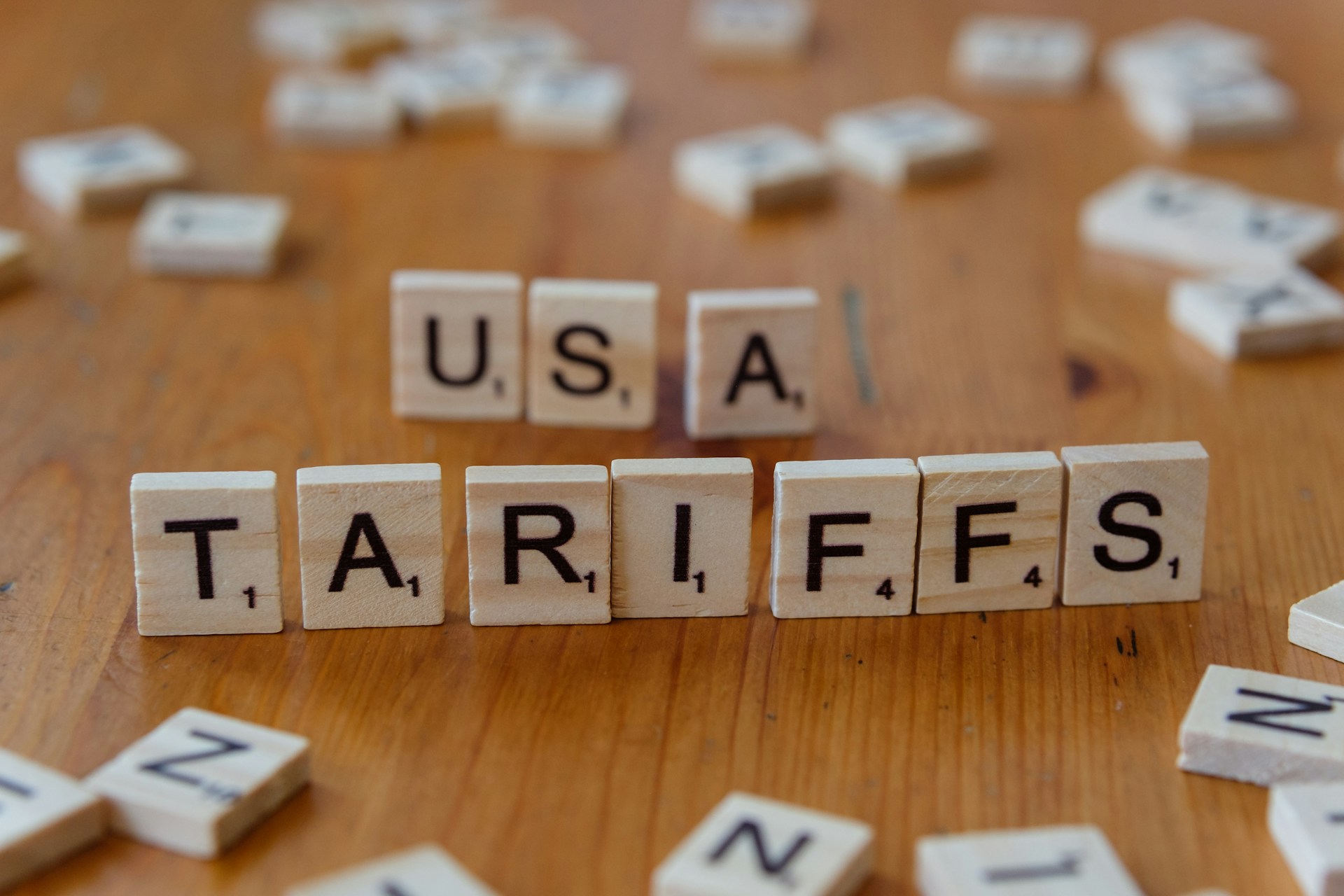
In November 2025, former President Donald Trump renewed public attention with a major financial promise. He proposed a $2,000 tariff dividend for nearly every American citizen, a pledge that quickly spread across social platforms and major news outlets. According to reporting from CNN, PBS, and Axios, the plan would rely on revenue generated from broad tariffs placed on imported goods. The idea was presented as a straightforward return of money to the American people. It was framed as a benefit for low income and middle income earners who have long expressed concerns about rising living costs.
Contents
show
At first glance, it appears to be an appealing proposal. A simple payment funded by taxes on foreign goods may sound like a win for households nationwide. Yet the path to such a payment is neither simple nor guaranteed. Multiple obstacles stand in the way of making this proposal a reality. These barriers involve a mix of legal authority, funding gaps, political resistance, and economic contradictions.
This article explores the key reasons why Americans should not expect to receive this payment anytime soon. Drawing on details from CNN’s business reporting, PBS’s fact-checking analysis, and Axios’s cost breakdowns, the sections below expand on the complexities behind the promise. Each section contains four paragraphs to offer deeper insight into how these issues operate and why they matter.

Uncertain Legal Authority
Legal authority is one of the most significant obstacles to the proposed two-thousand-dollar payments. According to PBS, presidential authority to unilaterally distribute direct cash payments is extremely limited. Historically, such direct stimulus payments have required congressional approval. Congress is responsible for authorizing spending and establishing eligibility requirements. Even during emergencies, previous administrations could not bypass congressional involvement.
Trump’s proposal relies on tariff revenue which is collected under existing trade laws. However, using tariff income for direct cash transfers is another matter entirely. Tariffs flow into the general treasury and are treated as federal revenue. Allocating that revenue for specific purposes without congressional authorization would conflict with established budget procedures. These procedures safeguard the constitutional balance of powers.
Additionally, any attempt to redirect tariff revenue toward household payments would almost certainly draw legal challenges. Analysts cited by PBS emphasized that courts tend to favor congressional oversight when it comes to appropriations. Past cases involving executive attempts to reallocate funds for border infrastructure and disaster response highlight the limits presidents face. Even partial success in court often results in lengthy delays.
This legal uncertainty alone may stall the proposal indefinitely. Without unambiguous statutory authority or new legislation, the administration cannot guarantee the rollout of payments. The promise therefore, depends not on executive power but on Congress which remains deeply divided on fiscal matters. As a result, most Americans are unlikely to see financial relief arrive through this pathway.
The Revenue Gap Problem
CNN’s reporting raises another critical issue. The projected revenue from tariffs does not appear to match the cost of issuing such broad payments. The math behind the policy is far more complicated than the headlines suggest. Trump claimed that tariff income would be sufficient to fund generous dividend style checks. Economists interviewed by CNN noted that tariff revenue fluctuates significantly based on trade volume, consumer behavior and global market conditions.
Axios presented cost estimates that bring the scale of the financial mismatch into clearer focus. Providing two thousand dollars to most American adults would require hundreds of billions of dollars annually. By contrast even the most optimistic tariff projections fall far short of that figure. Tariffs generate revenue but not at the levels needed to sustain repeated large scale payments. This leaves a structural funding gap that cannot be closed without additional taxation or borrowing.

Furthermore, tariff revenue is not consistent. Economic slowdowns shifts in consumer demand and retaliation from trade partners all reduce tariff receipts. This unpredictability undermines the stability required to maintain reliable payments. Policymakers must operate with budget forecasts but the volatility of tariff income makes long-term planning difficult.
These financial constraints cast serious doubt on whether the government could deliver on the promise. To meet the payment obligations the administration would need either deeper tariffs aggressive spending cuts or major borrowing. Each of these paths carries political and economic consequences. For these reasons the revenue gap remains one of the central challenges facing the proposal.
Political Resistance and Legislative Gridlock
Even if the plan had strong financial footing, political dynamics would still pose significant challenges. Congress is far from unified on fiscal issues, especially those involving broad direct payments. Lawmakers across parties have expressed skepticism about funding sources and long term consequences. According to PBS, many legislators require detailed cost breakdowns before supporting direct cash disbursements. Such clarity is not yet available in the current proposal.
Political negotiations often stall spending proposals particularly ones with sweeping national implications. During the previous stimulus rounds Congress spent months debating eligibility caps distribution methods and budget effects. A similar gridlock would likely surround any new payment plan. Differences between the House and Senate create additional uncertainty. Control of each chamber heavily influences whether a proposal can advance.
Moreover some policymakers oppose expanded tariffs altogether. They argue that tariffs raise consumer prices and hurt domestic industries reliant on imported goods. This ideological disagreement directly impacts the willingness of lawmakers to support a plan funded through tariff revenue. Axios noted that some members of Congress expressed concern that the proposal could exacerbate inflation.
Ultimately, legislative approval is indispensable for any large-scale payment distribution. Without bipartisan cooperation, the proposal will not move forward. Even if Congress were to consider the idea, political compromises would almost certainly limit payment amounts or narrow eligibility. All of these factors reduce the likelihood that Americans will see the promised two thousand dollars.
Economic Effects and Contradictions
Beyond legality and politics, the economic implications of the plan create another set of challenges. The tariff strategy is based on the assumption that foreign exporters will shoulder most of the cost. However, economic research widely shows that consumers bear a significant portion of tariff expenses. This means higher prices for everyday goods which ultimately reduces purchasing power for households. CNN’s analysis highlighted how these price increases can offset the value of any potential payment.
If tariffs drive up consumer prices faster than wages, the net benefit of receiving two thousand dollars may be minimal. For many families, rising costs in groceries clothing and household items could outweigh the financial gain of a one time or even recurring payment. This contradiction undermines the stated goal of the plan which is to provide meaningful relief. Policymakers must weigh these trade offs before committing to such a strategy.

Additionally, heavy reliance on tariffs could shift global trade patterns. Other countries may retaliate with tariffs of their own. Such reprisals historically reduce exports increase business costs and slow economic growth. Economic experts interviewed by Axios warned that this dynamic could shrink the revenue base the plan depends on. Reduced trade activity means lower tariff revenue which further complicates payment funding.
In essence, the proposal attempts to use tariffs both as a revenue source and a tool for economic leverage. Balancing these two goals is difficult. The economic contradictions reveal that even well-intentioned policies can generate outcomes that cancel out their benefits. These realities make the prospect of receiving two thousand dollars less likely for most citizens.
Administrative Delays and Rollout Challenges
Even assuming the proposal overcame legal political and economic hurdles, the administrative logistics of distributing payments remain significant. Past stimulus rollouts required extensive coordination among the Treasury Department, the Internal Revenue Service and financial institutions. These systems face challenges in verifying eligibility, updating records and distributing funds quickly. CNN’s review of earlier stimulus efforts emphasized the complexity of managing large scale payouts.
Administrative delays often arise due to outdated government technology and limited staffing. The IRS still manages large portions of its operations with legacy systems. Processing millions of payments strains these systems especially during busy tax periods. A new round of payments without fully modernized infrastructure could encounter similar problems. These issues are well documented from previous stimulus experiences.
Additionally, determining eligibility for a near universal payment program requires significant data verification. Households with changing income levels dependents or filing statuses require accurate records before funds can be released. Any discrepancies lead to delays or errors in distribution. Policymakers must consider the time and resources necessary to manage such an undertaking.
Altogether, administrative barriers can slow the rollout of even the most promising proposals. If the government cannot implement payments efficiently, Americans may wait months rather than weeks for their funds. This further diminishes the practicality of the plan. Combined with the other challenges outlined in this article, administrative hurdles reduce the likelihood of receiving the promised payment.
The Fading Reality of $2000 Tariff Dividend Promise
The promise of a two-thousand-dollar tariff dividend is appealing and understandable. Many households continue to feel the pressure of rising living costs and economic uncertainty. A direct payment might offer temporary relief or provide a sense of financial security. Yet the realities behind the proposal tell a different story. Legal authority is unclear, financial projections fall short, political resistance remains strong and economic contradictions complicate its viability.
Looking at these challenges together, it becomes evident that the promise faces more obstacles than opportunities. Americans hoping for a swift and simple payout will likely be disappointed. However, the broader discussion highlights ongoing debates about how to support families during economic uncertainty. Whether through targeted relief structural reforms or other interventions, policymakers must address the underlying issues driving financial strain.
For readers, the takeaway is to remain informed and cautious about large scale promises that depend on complex policy mechanisms. Understanding the layers of legal, political, economic and administrative realities helps paint a clearer picture of what is feasible. In this case, the hurdles overshadow the hopes. The proposed two-thousand-dollar payments may generate discussion but they are unlikely to materialize as promised.