
Your cart is currently empty!
Do Catholics See the World More Clearly Than Anyone Else?
Contents
show
Interpreting Daniel as Metaphor Rather Than Literal History
The source article presents the four beasts in Daniel 7 as symbolic representations of human tendencies. While mainstream biblical scholarship typically reads these passages as apocalyptic literature referencing historical empires, metaphorical readings have long been part of spiritual reflection. Seen through this lens, the beasts can represent the inner forces that shape our lives: fear, desire, greed, compassion, arrogance.
A metaphorical interpretation aligns with how many spiritual traditions use imagery to convey moral lessons. Rather than offering a predictive blueprint of world events, the imagery becomes psychological and relational. It prompts self-examination.
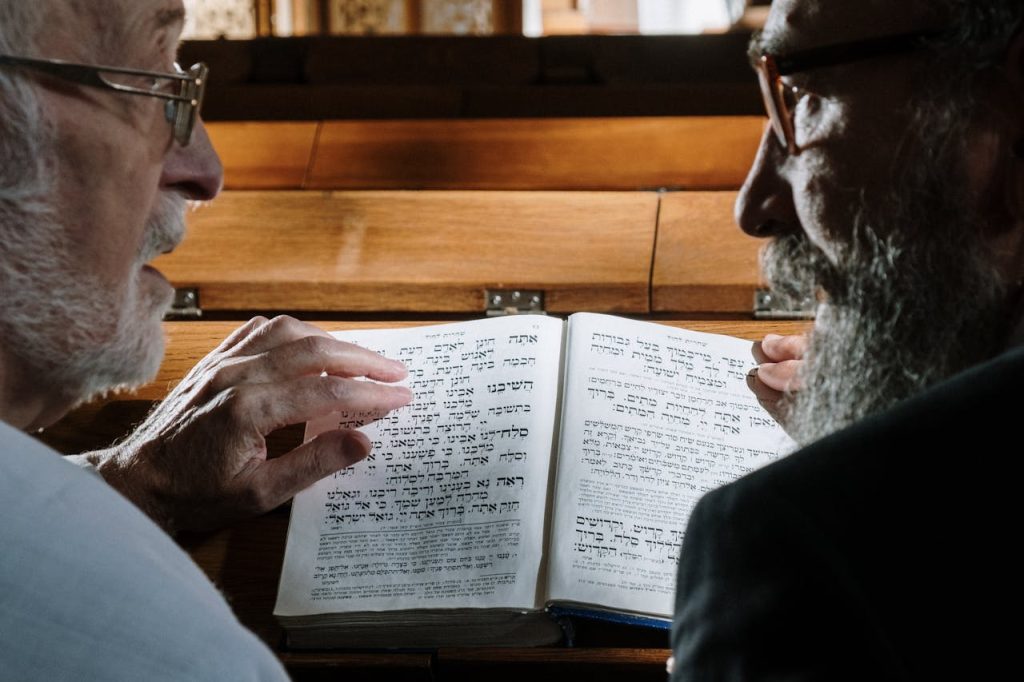
Scholarly discussions of prophetic metaphor, such as the overview available through Brill titled Metaphors in the Prophetic Literature, describe how symbolic language in biblical texts often functions as a mirror for the human condition. This framing encourages readers to consider internal transformation rather than external prediction.
This perspective helps reframe the claim about Catholics being “clear thinkers” not as superiority but as a recognition of the role that spiritual discipline, like prayer, contemplation, and communal worship, plays in structuring meaning.
Spiritual Clarity as a Form of Inner Alignment
Spiritual clarity can be understood as an internal coherence that emerges when a person’s beliefs, values, and daily actions move in the same direction. Rather than being defined by emotional calm alone or by heightened focus, it reflects a deeper sense of integration where one’s moral commitments, spiritual practices, and interpretive lens on life reinforce one another.
Research on spirituality and well being highlights that this form of alignment supports a more stable sense of purpose and improved resilience when navigating stress. A review in Psychology of Religion and Spirituality found that individuals who consistently engage in devotional or contemplative practices tend to report greater meaning making capacities and more adaptive coping strategies, which can enhance their sense of clarity during periods of uncertainty.
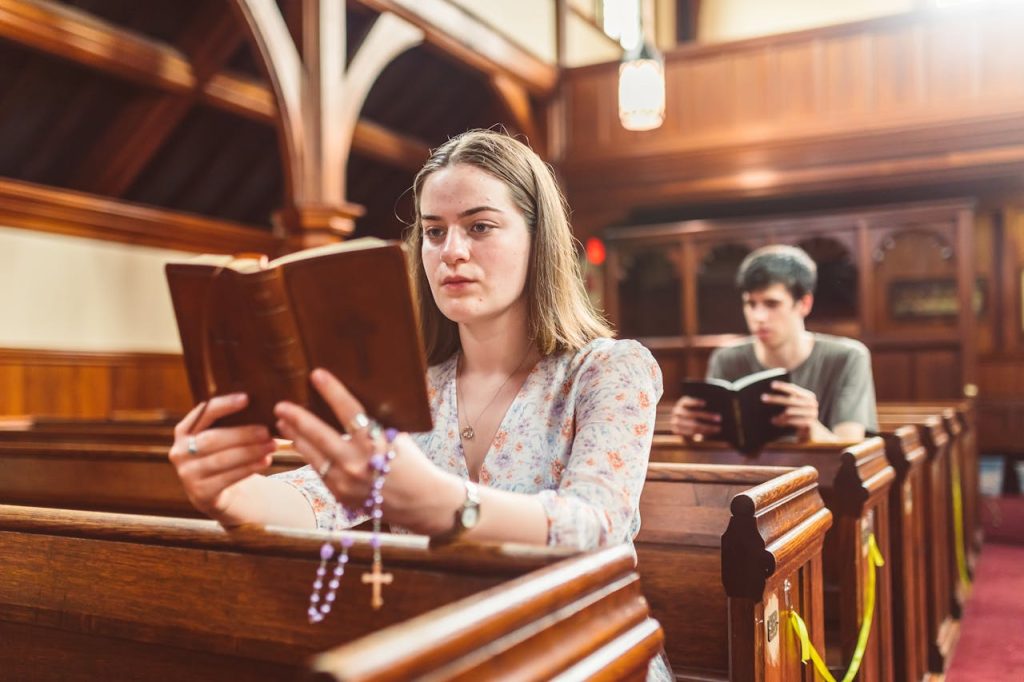
This kind of clarity does not rely on achieving perfect understanding but on cultivating a reliable inner orientation. It develops gradually through habits that encourage self examination, such as reflective reading, silent contemplation, and intentional moral living. Through these practices, many believers describe gaining a heightened ability to recognize what aligns with their deepest values and what distracts or fragments them.
Spiritual clarity therefore, becomes less about acquiring new information and more about learning to perceive one’s life with greater honesty and coherence. By strengthening this inward alignment, individuals often find themselves better able to interpret experiences, respond compassionately, and remain steady in the face of competing demands or pressures.
How Prayer Supports Mental Clarity
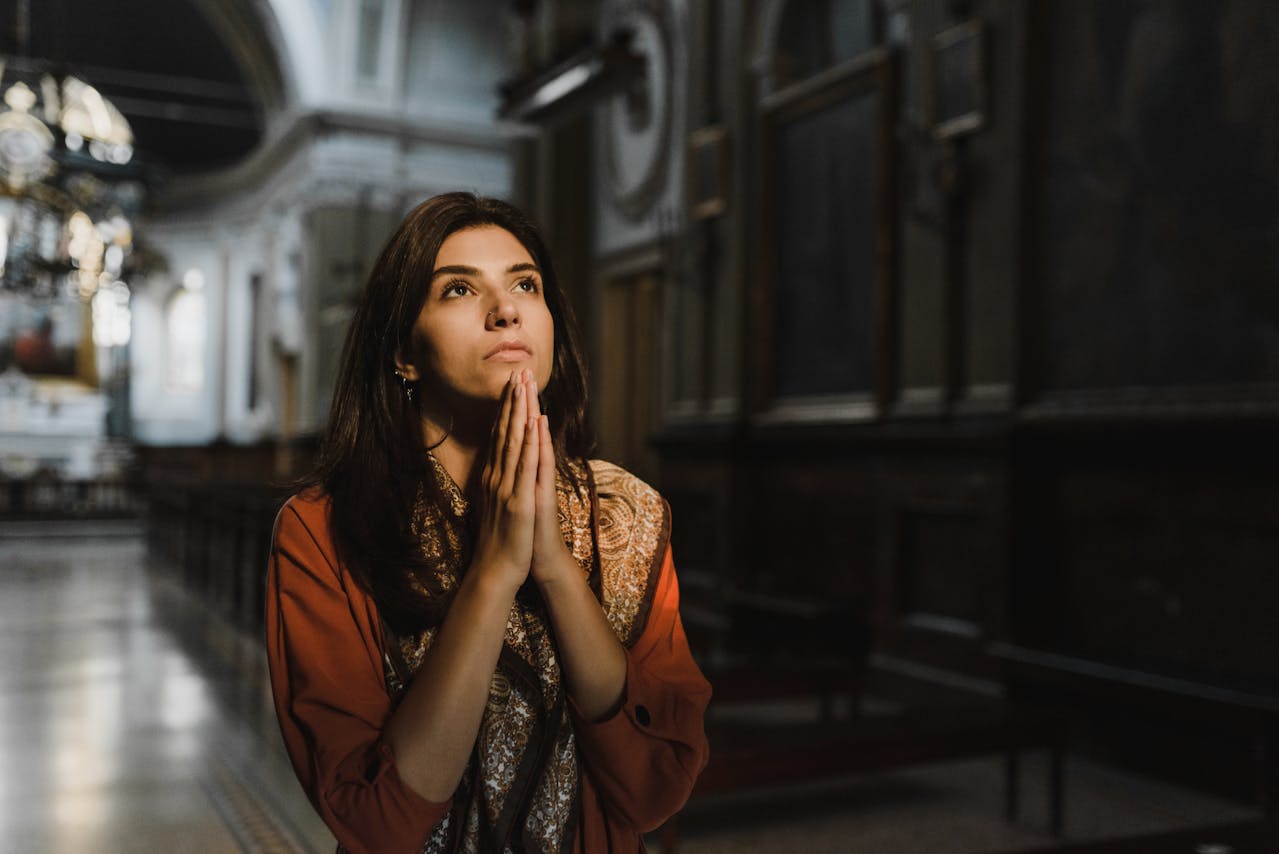
Prayer can act as a narrative framework that helps individuals organize thoughts, process stress, and affirm their values within a spiritually meaningful context. Rather than simply offering mental relaxation, prayer engages cognitive systems tied to autobiographical memory and emotional regulation. In particular, practices such as spontaneous prayer or structured liturgy encourage a form of internal dialogue that allows practitioners to reframe challenges and place them within a broader moral or redemptive arc. This storytelling process often provides clarity during periods of ambiguity, enabling the individual to reinterpret negative emotions in the light of spiritual trust.
Beyond its narrative role, prayer also influences the physiological state of the body. Breathing patterns, vocal cadence, and the physical posture associated with prayer rituals have been shown to activate the parasympathetic nervous system, helping to reduce stress-related arousal. Emerging evidence suggests that this embodied aspect of prayer may support neurobiological regulation and emotional stability, especially when practiced consistently. A study published in the Journal for the Scientific Study of Religion found that prayer can promote a relaxation response by modulating brain regions involved in emotion and attentional control, especially among those who pray frequently.

Another distinctive dimension of prayer lies in its relational quality. Often experienced as a conversation with God or the divine, prayer engages mechanisms similar to those activated in close interpersonal relationships. Neuroscientific research has identified overlaps between prayer and attachment-related brain networks, especially those involved in empathy, trust, and affect regulation. This engagement of social cognition helps explain why many people report feeling emotionally anchored through prayer, even in times of isolation or hardship. Mental clarity, then, does not emerge in isolation but within the context of perceived connection to a loving presence that transcends the self.
Contemplation and Its Parallels With Meditation
Contemplative practice within Catholicism invites the practitioner into sustained silence, receptivity, and attunement to the presence of God. Unlike discursive forms of prayer that rely on language and petition, contemplation emphasizes resting in divine awareness. This practice cultivates a kind of attentional discipline that helps regulate internal distractions without attempting to control them, encouraging openness rather than effort. While originating in distinct theological frameworks, this aspect of Catholic contemplation overlaps with the attentional training central to secular mindfulness meditation.
One key similarity is the de-centering of self-focused thought. In both contemplative prayer and meditation, practitioners report a shift away from habitual cognitive loops toward spacious awareness. This shift can support emotional regulation by reducing automatic reactivity. A comprehensive meta-analysis published in JAMA Internal Medicine found that mindfulness meditation interventions produced moderate improvements in anxiety and mood disorders, particularly when sustained over eight weeks or more.

Yet contemplation offers a dimension that extends beyond present-moment attention. Catholic mystics describe the process as an emptying of the self in order to be filled with divine presence, a form of surrender that reframes clarity not as cognitive mastery but as radical receptivity. This surrender often yields a perception of deeper unity, which practitioners associate with both moral insight and existential peace. Unlike meditation that may seek detachment or observation, contemplation invites relational trust, which many believers interpret as a form of spiritual intimacy.
This embodied awareness developed through contemplation does not replace rational reflection but supports it by creating space for non-reactive discernment. As a result, decisions made in the wake of contemplative practice are often marked by greater patience, humility, and attentiveness to others. In this way, contemplation becomes not just an internal experience but a preparation for ethical and relational clarity in everyday life.
How Symbols Keep Faith Traditions Alive
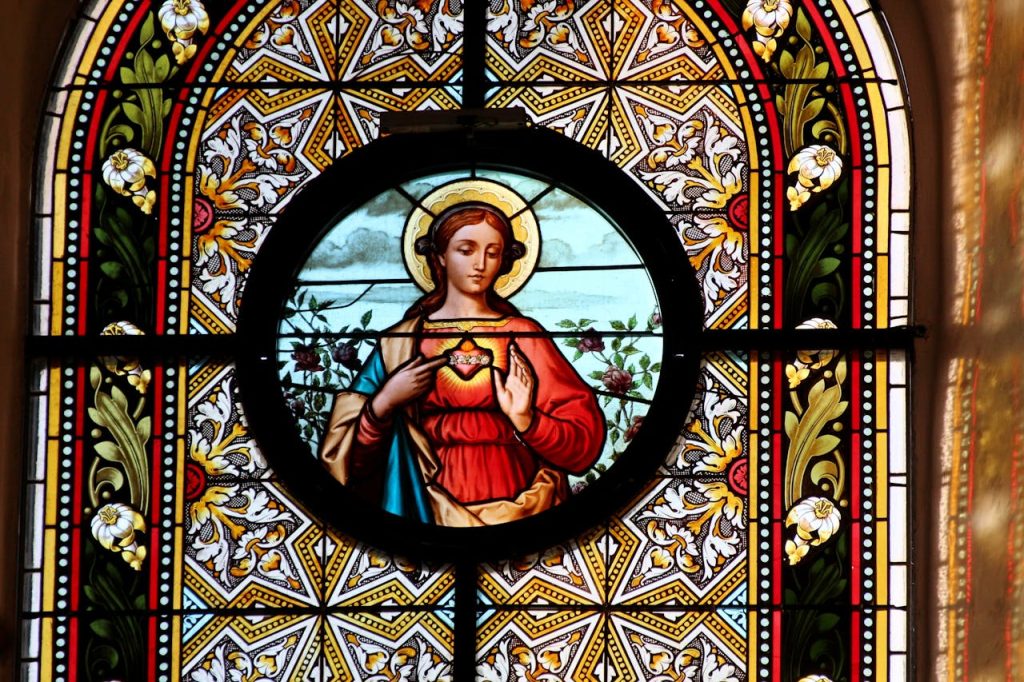
Symbolic language is essential for preserving the depth and adaptability of religious traditions. It allows sacred texts to communicate across eras without becoming rigid or obsolete. Symbols carry layered meaning, making it possible for readers in different times and cultures to draw insight from the same source while interpreting it through their own lived realities. This adaptability helps spiritual teachings remain vital without diluting their core truths.
Interpretive openness also invites a posture of humility. Engaging with spiritual texts through symbolic reading emphasizes inner transformation over external validation. This makes room for faith to operate as a process of ongoing discovery rather than as a fixed system of answers. Scholars refer to this as a second naivety, where believers revisit foundational texts with both reverence and critical insight. In doing so, they allow faith to evolve without abandoning its roots.
Symbols also make possible dialogue across belief systems. They express ideas that transcend doctrine, offering common ground in a pluralistic world. When people can recognize shared ethical or emotional themes within different religious expressions, symbols act as bridges rather than barriers. This not only reduces conflict but also enriches collective understanding.
To suggest that Catholics are clear thinkers, in this context, becomes less a claim of intellectual superiority and more a recognition of how certain spiritual practices sharpen moral vision. These traditions encourage a kind of wisdom that is not about certitude but about attentiveness. When symbolic language is read with care and curiosity, it becomes a path not just to deeper faith, but to deeper humanity.
Returning to What Grounds Us
In a time marked by distraction, division, and overexposure to information, the kind of clarity offered by spiritual traditions feels increasingly rare. What makes these traditions endure is not the claim to exclusive truth but the way they invite people into slow, thoughtful engagement with life’s hardest questions. The clarity they offer is not instant nor universal, but it is deeply grounding.

Catholicism’s contemplative practices, symbolic readings, and rituals offer a structure that many find stabilizing in chaotic times. But this journey is not unique to one tradition. Across faiths and philosophies, the pursuit of spiritual clarity reflects a shared human longing for coherence, peace, and moral direction. The images and prayers may differ, but the search itself is remarkably alike.
To ask whether Catholics are the clearest thinkers is to ask something deeper, which is all about what it means to live wisely, to love well, and to see beyond oneself. That kind of clarity is not a competition. It is a calling.