
Your cart is currently empty!
For the First Time in Years, Antarctica Shows a Massive Annual Ice Gain Exceeding 100 Billion Tons

For the first time in decades, Antarctica has delivered a climate story that caught almost everyone off guard. After years of consistent ice loss, new research published in Science China Earth Sciences reports that the Antarctic Ice Sheet gained mass between 2021 and 2023. This shift is remarkable both because of its scale and because of the pace at which it occurred. The same continent that had been losing an average of 142 billion tons of ice every year in the 2010s instead gained about 108 billion tons annually during this short period. The findings immediately sparked discussion among scientists, policymakers, journalists, and climate observers about how to interpret this change and what it reveals about the atmosphere’s growing complexity.
Contents
show
The rebound was driven largely by an increase in precipitation, particularly snowfall, with the study emphasizing that the most dramatic gains happened in East Antarctica. The Guardian, in its reporting on the study, noted that extreme snowfall events are linked to a warmer atmosphere that can hold more moisture. Although the growth helped temporarily offset global sea level rise by about 0.3 millimeters per year, scientists stress that the trend does not signal a reversal of long term warming. Instead, it highlights how climate systems often behave irregularly, forming what The Guardian described as a “jagged” path filled with spikes, pauses, and anomalies rather than a smooth curve.

A Record Breaking Shift That Sparked Global Attention
The study, drawing on GRACE and GRACE FO satellite gravimetry data, showed that Antarctica’s ice mass trend changed direction in an unexpectedly strong way. Satellites detected the change through shifts in gravitational signals, and the results demonstrated a historic turnaround after a decade of steady decline. The research team wrote that the gains were significant enough to slow sea level rise for the years in question. This generated an immediate response from climate researchers who were both intrigued and cautious, noting that such events require careful interpretation before drawing broader conclusions.
The Guardian summary emphasized that Antarctica has been losing ice since the 1980s, and scientists estimate that it would take around fifty years of snowfall at the 2021 to 2023 intensity to return to prior levels. This broader context is essential because it shows how unusual the recent gain was. It also shows why most experts see the increase as temporary. NASA data referenced in The Guardian’s reporting indicated that by 2025, precipitation had already fallen back to levels seen before 2020. The brief period of ice growth, therefore, is best understood as a notable event within a long established downward trend rather than evidence of a new trajectory.
The geographic distribution of the rebound matters as well. The most dramatic growth occurred in Wilkes Land and Queen Mary Land, including the Totten, Denman, Moscow University, and Vincennes Bay glacier basins. These areas had previously shown signs of destabilization, with increased melt and faster discharge into the ocean during the years prior. That they temporarily regained mass underscores how sensitive these basins are to changes in precipitation and atmospheric behavior.
Why Antarctica Saw a Sudden Increase in Ice
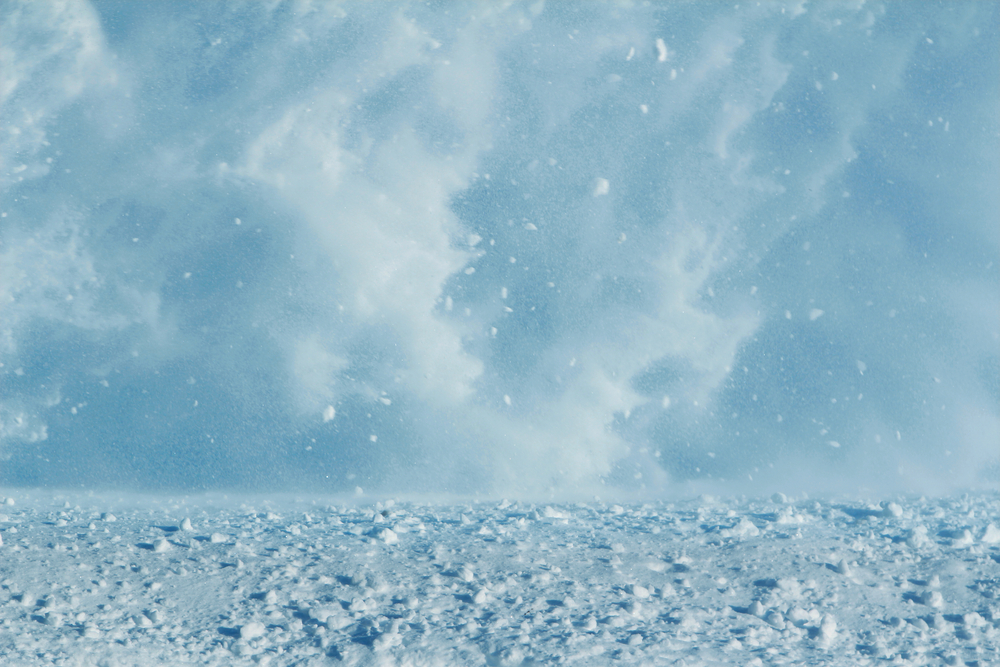
The central driver of the ice gain was a surge in snowfall. Warmer air can hold more moisture, and when that moisture reaches the frigid environment of Antarctica, it often falls as snow rather than rain. The Guardian explained this mechanism clearly by noting that extreme snowfall events are “an expected effect of climate change.” In other words, warming does not only cause melting. It can also intensify snowfall in regions where temperatures remain well below freezing.
This dynamic is one of the reasons climate science often confuses or frustrates the public. It is entirely possible for ice sheets to grow in the short term while still being vulnerable in the long term. The reference articles emphasize that these short lived gains must be interpreted within the broader climate timeline. The decade leading up to 2020 recorded consistent ice loss, and even with the temporary gain, there is no evidence that Antarctica has returned to a stable state.
The Chinese researchers behind the study also stated that the pattern of Antarctic ice loss is “a critical climate warning signal.” Their findings underline how crucial it is to understand the triggers behind short bursts of growth, because these events can help scientists refine projections and identify potential turning points. However, the short duration of the snowfall surge and NASA’s observation that precipitation returned to normal levels by 2025 make it clear that the underlying concerns remain.

What This Reveals About Climate Science and Policy
The temporary ice gain does not contradict the broader consensus on climate change. Instead, it points to the complexity of Earth’s systems and the need for models that accommodate irregular and unpredictable events. Short term anomalies can reshape data sets and force experts to adjust near term projections, but they do not erase decades of evidence showing long term decline.
Policymakers who rely on scientific projections must navigate these fluctuations carefully. The interim growth period highlights the importance of preparing for both positive and negative climate surprises. It also reinforces the need to maintain investment in monitoring tools like satellite gravimetry, which played a central role in identifying the recent changes. Without such instruments, major shifts in the climate system could go undetected until after their implications become severe.
climateThe discovery also provides an opportunity to communicate climate information more effectively to the public. Events like this often become misinterpreted or weaponized in public debate, especially when they appear to contradict previous warnings. The Guardian reminded readers that climate data is not static and that climate change involves many “small ups and downs within a larger trend.” Helping the public understand this reality is essential for maintaining trust in climate reporting and avoiding confusion when anomalies arise.
How This Moment Affects People and Coastal Communities
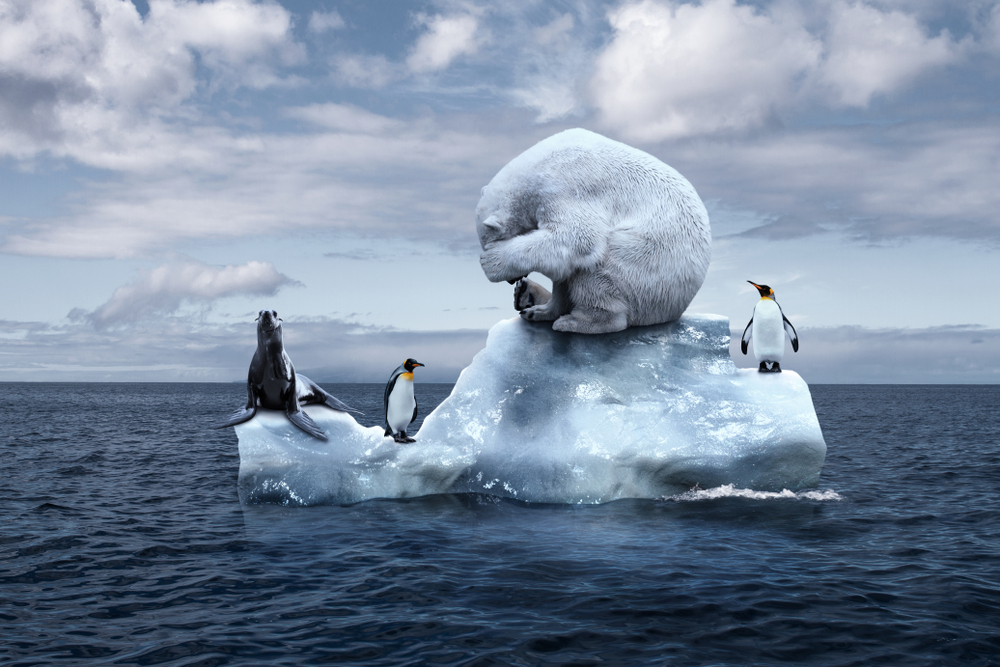
The temporary ice gain offered a brief slowdown in sea level rise, but the effect was small and short lived. For communities already facing saltwater intrusion, rising storm surges, and erosion, the 0.3 millimeter annual offset was helpful but far from transformative. Still, the event provides a valuable reminder that sea level rise is influenced by many variables, some of which may briefly counteract each other before normal patterns resume.
For individuals trying to make sense of climate signals, this event highlights the importance of context. It can be tempting to read a positive short term shift as evidence that global warming is easing, but the long term data does not support that interpretation. Likewise, the rebound should not be dismissed as meaningless. It offers researchers new information about how atmospheric moisture interacts with polar regions and how different glacier basins respond under shifting climate conditions.
Journalism and scientific communication play an important role here. The Guardian’s reporting, which integrated both the promising aspects and the warnings, demonstrates how transparency helps the public understand the bigger picture. When climate events are framed clearly, people can better evaluate risks, opportunities, and necessary actions.

Lessons and Reflections Moving Forward
One lesson from this Antarctic event is that climate understanding requires patience and a willingness to look beyond short term fluctuations. Individuals can benefit from reading climate stories with an eye for long term patterns, not isolated data points. This applies equally to policymakers, who must design strategies that remain effective even when the climate produces unexpected outcomes.

Another lesson is that scientific monitoring remains vital. Satellites, field studies, and atmospheric models provide the information needed to understand sudden shifts. The rebound also underscores the importance of supporting research institutions that track changing conditions and issue timely updates.
Finally, the event invites a sense of grounded hope. Although Antarctica’s temporary ice gain does not reverse global warming, it serves as a reminder that Earth systems can still respond in ways that give scientists more time to study vulnerabilities and refine solutions. It is a moment that blends scientific curiosity with caution, optimism with realism, and data with an understanding that the climate story is still unfolding.